Best Supplements For Floaters That Actually Help Your Vision
If you’ve ever stared at the sky or a blank wall and caught a glimpse of drifting squiggles or transparent threads, you know how oddly distracting eye floaters can be. Mine started after a long editing session one night—tiny specs that darted away whenever I tried to focus on them. At first, I brushed it off. But when they kept showing up even under soft lighting or when I wasn’t tired, I started digging into what might help. Spoiler: supplements for floaters are *everywhere* these days—but do they actually work?
Understanding What Eye Floaters Really Are
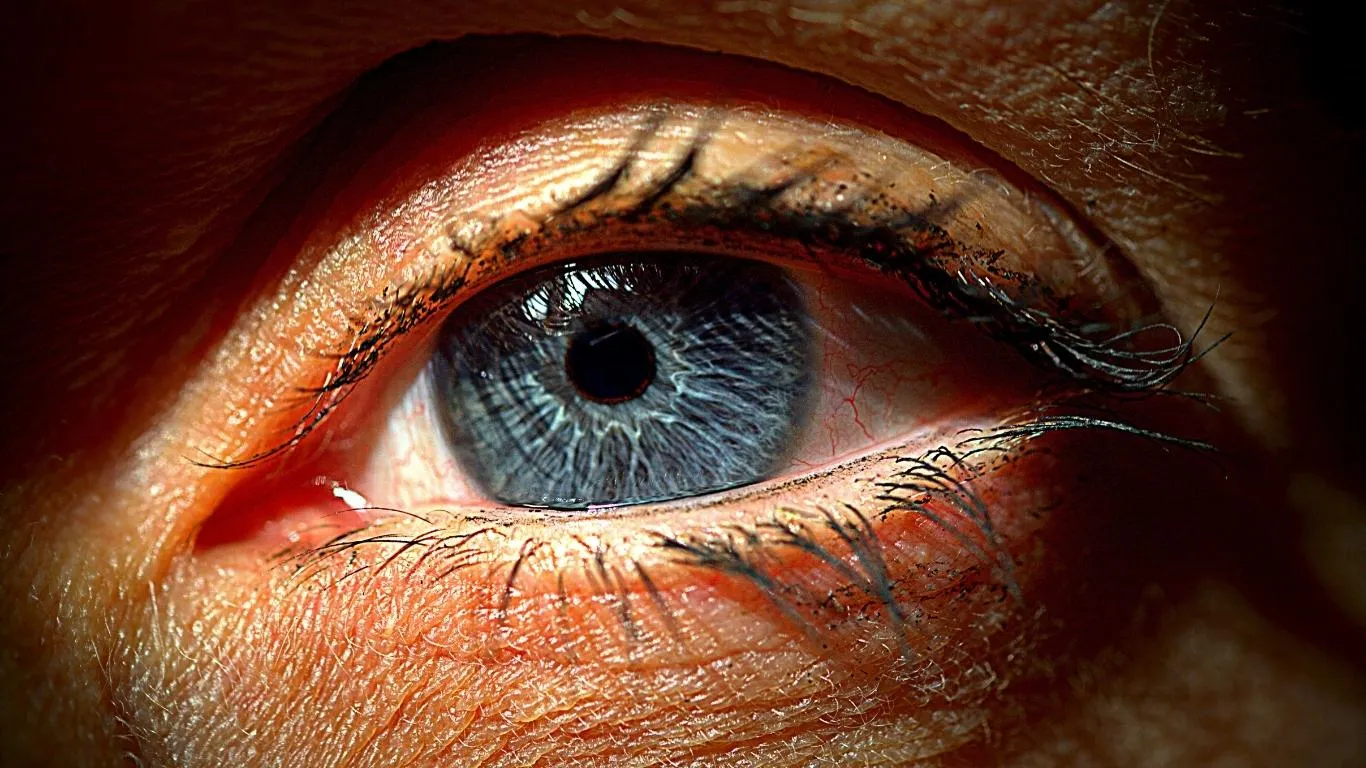
Before we jump into supplements, let’s get real about what these floaters are. They’re not dirt on your lenses or in your eye itself. These little shadows are actually tiny clumps of protein or collagen floating in the vitreous—the gel-like substance inside your eye.
Why Do They Show Up?
The most common reason? Aging. But it’s not just age. I started noticing mine in my 30s after a stressful couple of weeks, and I’ve since learned there are many potential causes, like:
- Changes in the vitreous as we get older
- Eye trauma or surgery (even after cataract surgery)
- High myopia (nearsightedness)
- Dehydration and nutritional deficiencies
- Underlying conditions like diabetes
Can Supplements Really Help With Floaters?

This is where it gets interesting. There’s no miracle pill—let’s be clear—but some nutrients may support your eye health in ways that could reduce or stabilize floaters. I’ve personally tried a few of these after reading a lot of research (and honestly, some Reddit rabbit holes).
The Core Nutrients to Look For
Not every “eye health” supplement is worth your time or money. But based on my research and conversations with my ophthalmologist, these are the ones that make the most sense:
- Lutein and Zeaxanthin: These carotenoids help protect the retina and have anti-inflammatory properties. You’ll find them in leafy greens too.
- Vitamin C: High in antioxidants and supports collagen, which is key to vitreous integrity.
- Zinc: Plays a role in enzyme function in the eye and helps Vitamin A work better.
- Omega-3 fatty acids: Found in fish oil—great for eye hydration and inflammation control.
- Bilberry extract: A cousin to blueberry, this one’s packed with anthocyanins that boost circulation in ocular tissue.
Supplements I’ve Personally Tried and What Happened
I’ve experimented with several formulations, especially during months where floaters got really annoying. I’ll admit—I didn’t expect much. But there were a few I genuinely felt made a difference in clarity and floaters not getting worse.
Combo Formulas vs. Single Nutrients
Multivitamins don’t usually cut it. I found that dedicated eye formulas with a high dose of lutein and omega-3s worked better than generic blends. Look for clean-label brands without synthetic fillers.
How Long Before You See Results?
For me, it was subtle. No overnight miracles. But around the 5–6 week mark, the specks didn’t seem to multiply like they had been. That said, if your floaters are sudden or worsening quickly, talk to a doctor—it could be something more serious like a retinal tear.
What Science Actually Says About Supplements for Floaters
Research is limited, but growing. According to the National Institutes of Health, certain antioxidants may reduce oxidative stress in the vitreous body. Other studies suggest omega-3s could slow the degradation of collagen, a key player in floater formation.
There’s also promising work being done around vitamin C and hyaluronic acid for maintaining vitreous transparency. It’s not conclusive, but it’s a start—and enough for me to keep a stash of eye-targeted supplements in my drawer.
Is It Just a Placebo?
That’s a valid question. Floaters are tricky. They come and go, and our brains often adjust to them. But many people—myself included—have seen anecdotal improvement. And given how safe most of these supplements are, the risk is low if you stick with quality options.
Diet + Lifestyle Still Matter More Than Any Pill
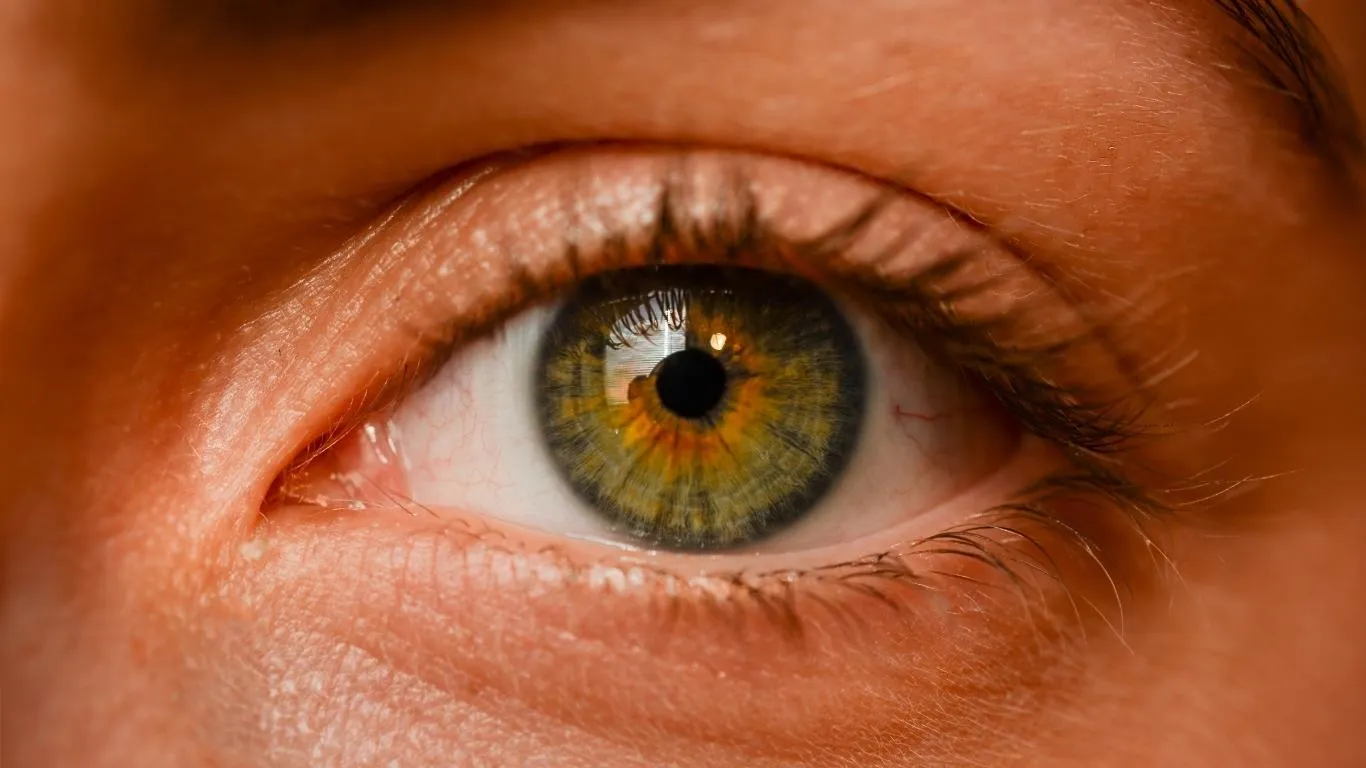
Supplements aren’t magic. They work best when part of a full lifestyle approach. Some of the biggest things that helped me beyond capsules:
- Hydration: Your eyes are mostly water. Staying hydrated supports vitreous consistency.
- Blue light breaks: I started using the 20-20-20 rule (every 20 minutes, look 20 feet away for 20 seconds).
- Cutting down sugar and processed food: Inflammation matters—a lot.
- Regular eye checkups: Especially if you’re at risk for retinal issues
There’s even research suggesting that age-related vitreous changes are accelerated by oxidative damage—something your diet can influence significantly.
For a deeper understanding of common causes, symptoms, and treatment strategies, this comprehensive guide to floaters covers everything you’d want to know. And if you’re wondering whether your floaters might be more serious than annoying, check out this essential read on dangerous signs of eye floaters.
What Supplements May Worsen Eye Floaters (Yes, Really)

Here’s the part most people don’t talk about. Not all supplements are helpful—in fact, some might *worsen* floaters or trigger more visual disturbances depending on your eye’s condition. When I first started self-experimenting, I made the mistake of adding high-dose Vitamin A daily. Bad move. It didn’t take long before the floaters seemed sharper and more frequent.
Supplements You Might Want to Avoid (or Take with Caution)
- High-dose Vitamin A: While necessary in small amounts, mega-doses may increase oxidative stress in certain people, especially smokers.
- Synthetic beta-carotene: Often found in cheap multivitamins, this artificial form has questionable bioavailability.
- Excess Iron: Can lead to oxidative stress in tissues like the retina if taken without clinical need.
- Creatine: There’s anecdotal chatter around this supplement increasing floaters in some users. I stopped it, and things improved.
There’s also some emerging discussion around how certain antidepressants and over-the-counter antihistamines may affect vitreous health, though more research is needed.
What to Look For in a Quality Floater-Focused Supplement
The supplement aisle is a minefield. You’ll find everything from overpriced blends with proprietary fluff to brands that sneak in unnecessary fillers. I’ve learned (often the hard way) that these things actually matter:
Key Tips Before You Buy
- Third-party tested: Look for verification from NSF, USP, or similar bodies.
- No artificial dyes or fillers: Especially titanium dioxide, which serves no nutritional purpose.
- Clearly labeled doses: If it just says “Eye Support Blend” without amounts—run.
- Realistic dosages: Skip the ones that promise vision miracles with 2mg of lutein.
And if you’ve recently had procedures like YAG capsulotomy or LASIK, ask your specialist before starting any supplement protocol. Certain nutrients can affect recovery or pressure in the eye.
Supporting Eye Health Naturally Beyond Supplements
Supplements can give you a solid edge—but lifestyle matters just as much. For me, I had to unlearn years of screen overload, late nights, and terrible posture that aggravated visual strain. Here’s what helped beyond capsules:
- Eye yoga: Yep, it’s a thing. Gentle movement can relieve tension and help the eyes refocus.
- Natural light breaks: Getting sunlight (with protection) has actually been shown to benefit circadian rhythms and eye function.
- Adjusting monitor settings: Reducing brightness and using warm tones helped reduce eye fatigue.
If you suspect hormonal shifts are at play, like during menopause, this piece on post-menopausal floaters breaks it down well. Hormones really can mess with the vitreous more than we realize.
Does Age Matter When Taking Supplements for Floaters?
Absolutely. What works for a 25-year-old with minor floaters may not work for someone in their 60s facing age-related vitreous detachment. In younger people, floaters may come from things like sleep deprivation, stress, or even overexposure to screens—things that are reversible.
But as we age, structural changes in the vitreous gel become more permanent. This is why older adults may benefit more from collagen-protecting nutrients like hyaluronic acid, lysine, and high-bioavailability Vitamin C. They may also need to support general eye health to prevent progression into more serious conditions.
Do Supplements Replace Medical Care?
This should go without saying, but supplements are not a replacement for medical care. If you experience a sudden explosion of floaters, light flashes, or a curtain-like shadow in your vision—seek help fast. These could be signs of a retinal tear or detachment.
That said, if your floaters are stable, non-threatening, and just plain annoying like mine, supportive care through lifestyle and nutrition can be incredibly helpful. But it’s still smart to get an annual check-up to ensure no underlying issues are brewing.
Where to Start If You’re New to This
If I had to do it all over again, I’d skip the Amazon rabbit holes and start with a few trusted essentials. A clean, well-dosed supplement containing:
- Lutein (10–20mg)
- Zeaxanthin (2–4mg)
- Omega-3s (EPA/DHA combo)
- Vitamin C (buffered form)
Add in a diet full of leafy greens, some eye relaxation techniques, and daily hydration goals—and you’re already ahead. No supplement will erase floaters completely, but with time and consistency, they can become less of a focus—or at least stop getting worse.
If you’re still unsure whether your floaters are related to natural causes, aging, or something else, this guide to common causes of eye floaters is a great place to explore further. And for a deeper dive into the broader picture, don’t miss the main breakdown in this complete floater guide—especially helpful if you’re just starting out.

Camellia Wulansari is a dedicated Medical Assistant at a local clinic and a passionate health writer at Healthusias.com. With years of hands-on experience in patient care and a deep interest in preventive medicine, she bridges the gap between clinical knowledge and accessible health information. Camellia specializes in writing about digestive health, chronic conditions like GERD and hypertension, respiratory issues, and autoimmune diseases, aiming to empower readers with practical, easy-to-understand insights. When she’s not assisting patients or writing, you’ll find her enjoying quiet mornings with coffee and a medical journal in hand—or jamming to her favorite metal band, Lamb of God.