
Troubling Signs Familial Macular Dystrophy Floaters May Be Getting Worse
“You might just have floaters,” the optometrist said, glancing into my eyes through that blinding light. I remember thinking, “Sure, but why does it feel like there’s a spider web crawling across my vision?” That was my first real brush with something I later learned could be tied to a lesser-known condition—familial macular dystrophy floaters. Sounds like a mouthful, right? But trust me, if you’re seeing strange specks or threads drifting through your field of vision and your family has a history of macular issues, there’s a real chance this might be something worth looking into.
What Exactly Are Familial Macular Dystrophy Floaters?

Floaters on their own are usually harmless—tiny clumps of collagen floating in the vitreous of your eye. But when they appear alongside or are mistaken for early signs of inherited macular disorders, things can get complicated. Familial macular dystrophy is a group of rare, inherited eye conditions that affect the central retina (macula), and yes, sometimes floaters are one of the earliest signs that something’s not quite right.
They’re not your typical age-related floaters. In fact, many people with this genetic condition start noticing visual disturbances as early as their teens or twenties. I started noticing mine in my early 30s—tiny gray strings drifting by whenever I looked at a white wall. Thought it was stress at first, or maybe screen fatigue. Nope. Turns out my uncle had the same thing. And eventually, macular degeneration took most of his central vision.
If this sounds eerily familiar, you’re not alone.
Why It’s Often Missed or Misdiagnosed
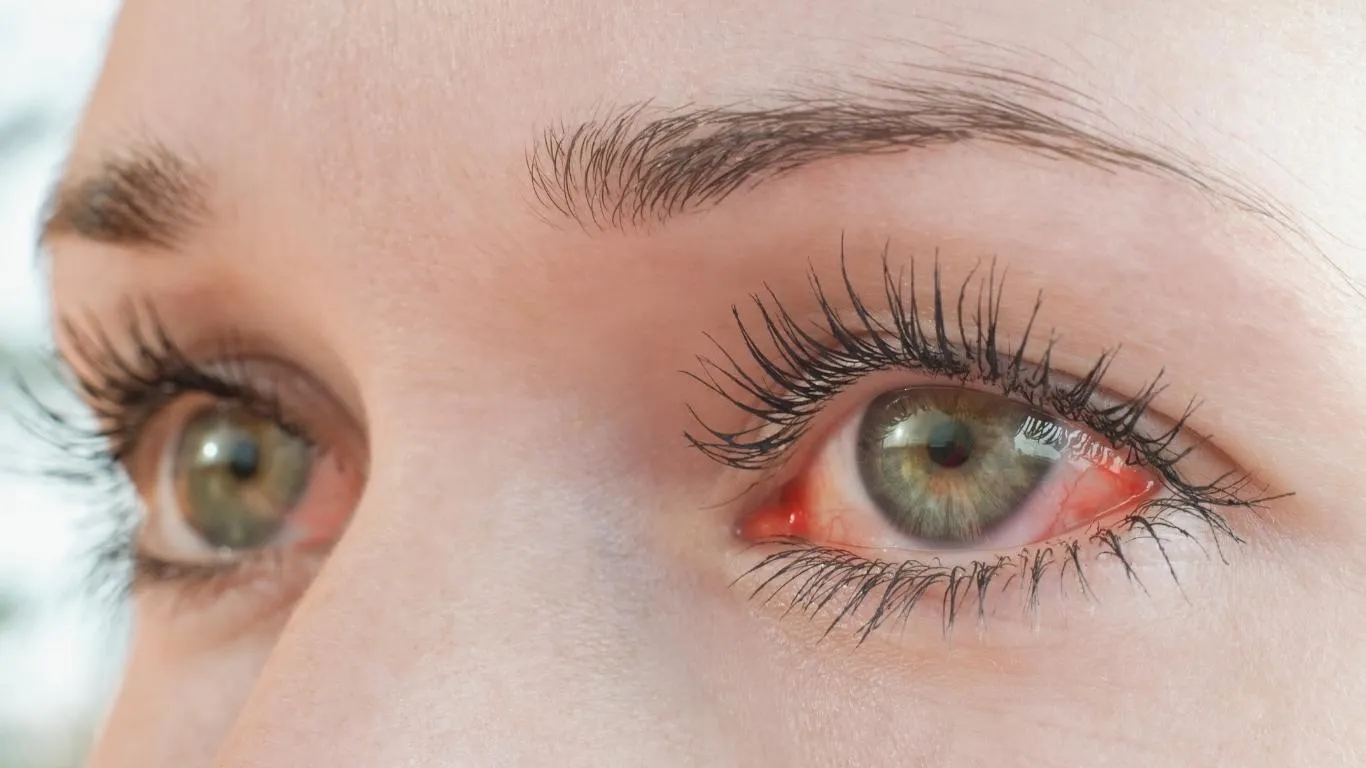
Because most people associate floaters with normal aging, very few stop to consider a genetic cause. And even eye doctors may chalk them up to vitreous degeneration—especially if you’re still young.
- Symptoms can vary widely, even within the same family
- Visual distortions are often intermittent
- Some people have no central vision loss until later in life
But here’s the kicker: floaters can have a genetic link. And in the case of macular dystrophy, those floaters might not just be harmless shadows.
In my case, genetic testing later confirmed Best disease—one variant of familial macular dystrophy. It was subtle for years. But I’ll never forget the moment I tried to read a street sign one day, and the letters in the center just… blurred out.
Early Signs You Shouldn’t Brush Off
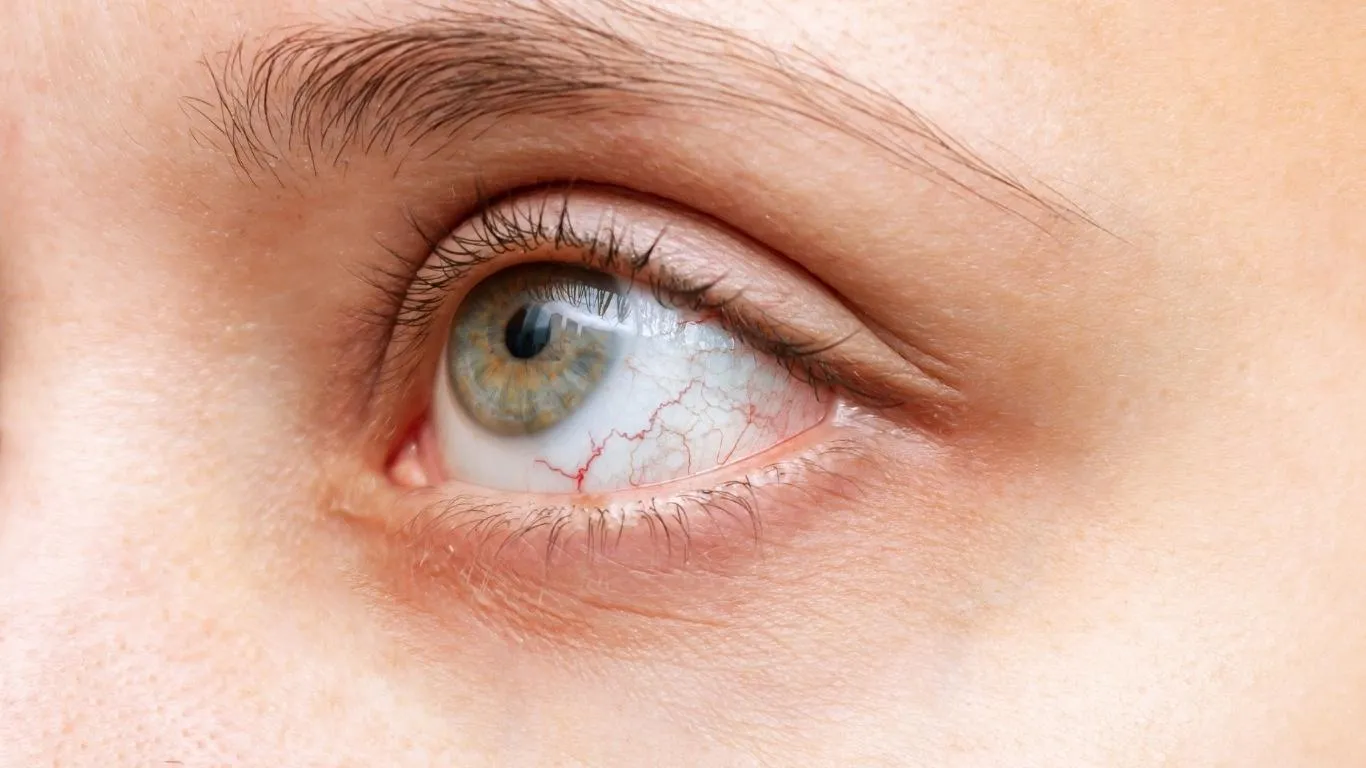
Common floaters vs. dystrophy-linked floaters
- Common floaters: Appear in well-lit conditions, move with your eye, don’t affect central vision
- Macular dystrophy floaters: May appear in dim light, often accompany blurring in the center, may worsen quickly
Other early signs include:
- Central distortion or dimming
- Colors looking less vibrant
- Difficulty adjusting from bright to dark environments
- Vision improving with pinhole correction (a clue it’s retinal, not refractive)
If your floaters come with age-related vitreous changes or trauma, that’s one thing. But if you’re also struggling with minor but nagging central vision issues and there’s a family history of macular disease, you owe it to yourself to look deeper.
What an Eye Specialist Might Look For

This isn’t your everyday eye checkup. If you bring up floaters and macular dystrophy in the same sentence, expect a battery of tests, including:
- OCT (Optical Coherence Tomography): Can detect subtle macular thinning or deposits
- Fundus autofluorescence: Highlights early retinal pigment changes
- Genetic testing: Especially if your doctor suspects Best disease, Stargardt’s, or pattern dystrophy
Some doctors might downplay floaters as benign, especially if your retina looks intact. That’s why seeing a retinal specialist familiar with dystrophic conditions is crucial. I bounced through three optometrists before one finally referred me to a retina clinic.
If you’re dealing with persistent floaters and your gut tells you it’s not just “getting older,” trust it.
How Floaters in Familial Macular Dystrophy Differ From Other Conditions

In conditions like posterior vitreous detachment (PVD), floaters often come on suddenly, accompanied by flashes of light. With familial macular dystrophy, they sneak in gradually, often dismissed until central vision is noticeably affected. You might also have bouts of mild photophobia or a dull ache behind your eyes—not typical in age-related floaters.
According to American Academy of Ophthalmology, inherited retinal diseases are increasingly being diagnosed in patients once labeled as having unexplained floaters or “early AMD.” They now recommend OCT scans for any floaters paired with central vision symptoms, regardless of age.
Want a clearer breakdown of how eye floaters differ from other eye conditions? It’s not always easy to tell—unless you’re looking for the right signs.
Management and Monitoring—What You Can Actually Do

Unfortunately, there’s no magic pill. But there’s a lot more you can do than just “live with it.” I started keeping a vision journal—yes, like a diary—for tracking changes. It helped me detect patterns, like how fatigue and dehydration worsened things (this article on dehydration’s impact on floaters really nailed it).
Here’s what’s worked for many people in the same boat:
- Regular OCT scans every 6–12 months
- Wearing blue light filtering lenses (especially if you’re screen-heavy like me)
- Supplements rich in lutein and zeaxanthin (backed by AREDS2 studies at nei.nih.gov)
- Sun protection—UV exposure can accelerate macular damage
If you’re still navigating what all this means for your eyes, don’t start with scattered Google searches. Instead, read the comprehensive article on common causes of floaters—especially helpful if you’re trying to rule out secondary triggers like injury or infection.
And for an even broader understanding of floaters and how they develop in different scenarios, this main pillar guide on eye floaters is a solid place to begin.
Living with Familial Macular Dystrophy Floaters: Adapting Without Losing Your Mind

Look, I won’t sugarcoat it—living with familial macular dystrophy floaters can get frustrating. Some days, it feels like I’m constantly waving away invisible cobwebs or trying to read through a smudged windshield. And yet, life doesn’t pause. We work, drive, scroll, parent, and hustle. You adapt. You have to. But that doesn’t mean pretending the condition doesn’t exist.
What helped me most? A mindset shift. I stopped focusing on “fixing” my floaters and started focusing on managing them while protecting my macula. That meant a full-on lifestyle audit, backed by actual clinical advice (not random internet hacks).
Daily Strategies That Actually Work
- Contrast tricks: I swapped out my white browser backgrounds for dark mode—massive difference.
- Reading aids: E-readers with customizable brightness and fonts are my best friends.
- Magnifiers: Not just for seniors! Some of the digital options today are sleek, effective, and app-based.
- Lighting: Invest in adjustable LED lighting at home. It minimizes visual strain significantly.
And on days when my vision’s especially foggy, I’ve learned to slow down, take more breaks, and remind myself it’s okay to rely on audio tools—voice memos, screen readers, and even good ol’ podcasts.
Should You Be Worried About Vision Loss?

Here’s the honest truth—some forms of familial macular dystrophy are progressive. Others, like Best disease, have long stable phases. The risk of significant vision loss varies. But what doesn’t vary is the need to monitor changes regularly.
If floaters increase suddenly or central vision starts distorting, it’s not just “a bad eye day.” It could be a sign of something more, like early macular edema or even a retinal tear. The danger is assuming it’s harmless when it’s not.
That’s why you need a retina specialist who gets the nuance. Not all floaters are equal—and not all vision changes in macular dystrophy are immediately obvious.
Can You Prevent Worsening Floaters?
Short answer? You can’t completely prevent them. But you can absolutely reduce your risk of flare-ups or worsening symptoms. Here’s what research and personal experience have shown me:
- Stay hydrated: Seems basic, but chronic dehydration affects vitreous health.
- Omega-3 fatty acids: Studies have shown they help support retinal cell integrity.
- Manage screen time: I installed the “20-20-20 rule” into my workday. Every 20 minutes, look at something 20 feet away for 20 seconds. Floaters reduced? Slightly. Eye strain? Massively improved.
- Cut the smoking, limit alcohol: Especially since smoking damages retinal blood flow and alcohol worsens eye dryness.
There’s also some evidence linking floaters to systemic inflammation, so adopting an anti-inflammatory diet has become a no-brainer. Spinach, eggs, carrots, salmon—my grocery list now looks like I live in a nutritionist’s dream.
What About Treatments?

So, here’s the big question—can you get rid of the floaters?
Technically, yes. But the methods are not one-size-fits-all. For those with familial macular dystrophy, treatments like laser vitreolysis or vitrectomy can pose more risk than reward.
Why?
- The retina is already compromised
- Surgical intervention might worsen macular function
- Laser procedures may trigger retinal scarring in sensitive eyes
That said, some advanced cases do qualify for treatment—especially when floaters are dense enough to impair quality of life. But that decision should always involve high-res OCT scans and input from both a vitreoretinal surgeon and a genetic eye specialist.
How to Talk to Your Doctor About It
This part really matters. Most people, myself included, walk into an eye clinic and say, “I’m seeing floaters.” But when you have a hereditary macular condition in the family, the approach needs to shift.
Here are the questions I wish I asked sooner:
- Can we rule out inherited retinal disease with an OCT scan?
- Is there pigment disruption in the macula?
- Do I need genetic testing for a condition like Best disease or pattern dystrophy?
- How often should I be monitored if I’m asymptomatic but genetically predisposed?
Trust me—it changes the conversation completely. You’re no longer just someone with floaters. You’re someone managing a genetic condition, possibly in its earliest phase.
How Familial Macular Dystrophy Floaters Impact Mental Health

Here’s something people don’t talk about enough: the emotional toll of seeing things that aren’t really there, all day, every day. It messes with your concentration, your mood, and your confidence—especially when it’s paired with the fear of vision loss.
One study from ncbi.nlm.nih.gov showed that people living with chronic floaters have increased levels of visual stress and mild anxiety. No surprise there.
What helped me was connecting with support groups, both local and online. There’s something about talking to others going through the same bizarre visual rollercoaster that helps you not feel so alone. Even reading shared experiences—like one user describing their floaters as “ghost ink floating in the sky”—made me laugh out loud because, yeah, exactly that.
If you’re dealing with floaters and hereditary eye issues, don’t wait to explore the full scope. Start with this guide on dangerous signs of floaters. Some symptoms should never be ignored.
And don’t forget to check the most up-to-date breakdown on causes and treatment options for eye floaters if you’re still navigating what’s normal and what’s not.

Camellia Wulansari is a dedicated Medical Assistant at a local clinic and a passionate health writer at Healthusias.com. With years of hands-on experience in patient care and a deep interest in preventive medicine, she bridges the gap between clinical knowledge and accessible health information. Camellia specializes in writing about digestive health, chronic conditions like GERD and hypertension, respiratory issues, and autoimmune diseases, aiming to empower readers with practical, easy-to-understand insights. When she’s not assisting patients or writing, you’ll find her enjoying quiet mornings with coffee and a medical journal in hand—or jamming to her favorite metal band, Lamb of God.