
Why Floaters After Glaucoma Surgery May Disrupt Your Recovery
It’s one thing to go through glaucoma surgery—numbing drops, bright lights, recovery instructions—but what no one warned me about was the annoying little specks that started drifting across my vision days after the procedure. At first, I thought it was just dryness or post-op fog. Nope. Floaters. And I wasn’t alone—apparently, this is a lot more common than most of us realize. If you’ve noticed floaters after glaucoma surgery, let me walk you through what I’ve learned, what my ophthalmologist explained, and what might help you feel a little less freaked out.
Why Do Floaters Happen After Glaucoma Surgery?
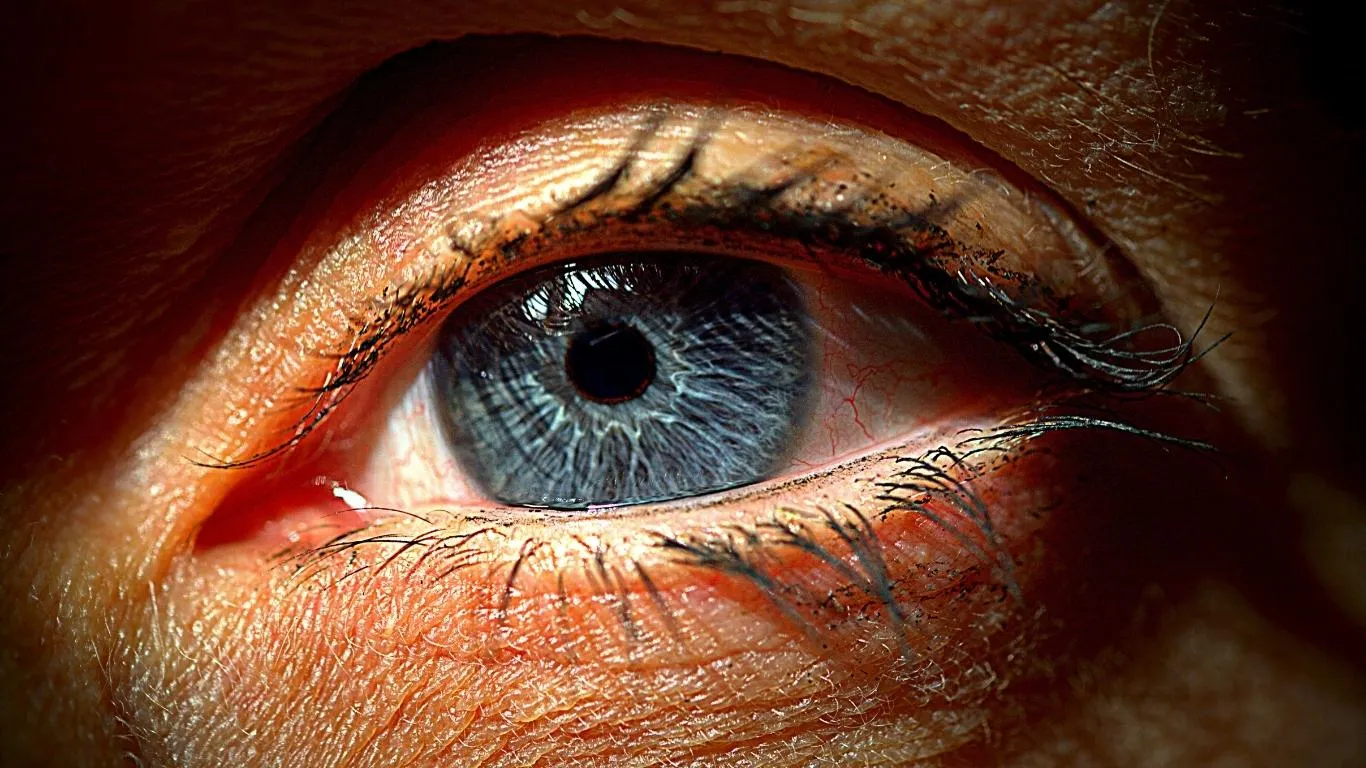
Glaucoma surgery typically focuses on reducing intraocular pressure (IOP), which is the main culprit behind optic nerve damage. But here’s the thing—any time we’re messing with the eye’s internal structure, especially the delicate balance of vitreous fluid, there’s a chance it could stir things up quite literally.
Changes in Vitreous Structure
The vitreous is a gel-like substance that fills the back of your eye. When your IOP fluctuates suddenly during or after surgery, that gel can shrink, liquefy, or detach from the retina. When it does, clumps of collagen or cellular debris can form floaters. It’s like watching specks in a snow globe settle—except it’s in your eye.
Inflammation and Debris
After glaucoma filtering procedures or minimally invasive surgeries, the body reacts with mild inflammation. Even if everything goes smoothly, tiny bits of tissue or blood cells might enter the vitreous, especially if you had any minor bleeding during surgery. This reaction can trigger floaters that appear as dots, strands, or cloud-like blobs.
Posterior Vitreous Detachment (PVD)
This is a big one. A sudden drop in eye pressure post-surgery can lead to posterior vitreous detachment. It’s common in aging eyes, but procedures like glaucoma surgery can accelerate it. The detachment itself isn’t painful, but the floaters that come with it can be persistent—and incredibly annoying.
Is It Normal to See Floaters After Glaucoma Surgery?

Yes—and no. Seeing a few floaters post-op is often part of the healing process, especially if your surgery involved laser procedures or required fluid drainage. That said, not all floaters are harmless.
- If floaters suddenly increase in number
- Are accompanied by flashes of light
- Or come with a shadow in your peripheral vision
You’ll want to contact your ophthalmologist immediately. These symptoms could indicate a retinal tear or detachment—a rare but serious complication that needs fast treatment.
There’s also some crossover with other conditions. For example, floaters could be a sign of post-traumatic vitreous changes if your eye was under significant stress during surgery.
How Long Do Floaters Last After Surgery?
This was my burning question. For me, the floaters were prominent for about two weeks, then gradually faded into the background. I still notice them sometimes in bright lighting or when looking at my phone, but they’re less intrusive now.
Factors That Influence Duration
- Age: Older eyes take longer to reabsorb debris or adapt to changes.
- Type of surgery: Laser-based procedures tend to result in fewer floaters than filtering surgeries like trabeculectomy.
- Existing eye conditions: Eyes with prior retinal issues or high myopia may develop persistent floaters.
According to the guide on floater treatments, some floaters are here to stay—but your brain usually learns to ignore them over time. If not, laser vitreolysis or vitrectomy might be discussed, though they’re rarely recommended unless floaters are debilitating.
Could It Be Something More Serious?
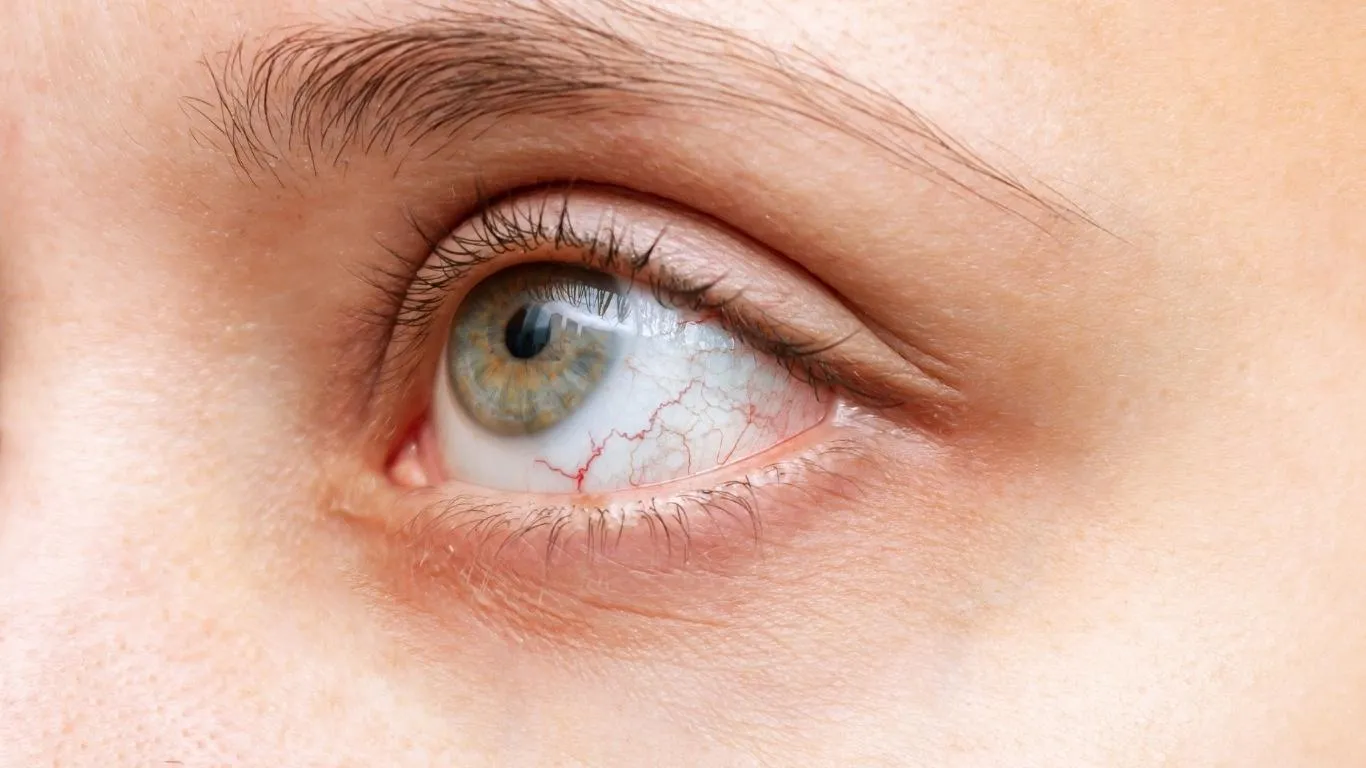
That’s always the concern, right? Floaters can be harmless… or the tip of an iceberg. It’s why my doctor stressed watching for “red flag” signs. In rare cases, glaucoma surgery can result in retinal vein occlusion or micro-tears, both of which may trigger sudden-onset floaters.
Keep an eye out (literally) if:
- Your floaters are paired with eye pain or pressure changes
- You see a “curtain” moving across your field of vision
- There’s a noticeable loss in visual clarity or acuity
Also, some floaters are early indicators of retinal complications. Post-op exams shouldn’t be skipped, even if everything “feels fine.”
Can Certain Eye Drops Make Floaters Worse?
This surprised me too—some post-surgery medications can cause or worsen floaters. Corticosteroid eye drops, often prescribed to reduce inflammation, can sometimes lead to crystallized debris or trigger floaters in sensitive individuals. I asked my doc, and she confirmed: it’s rare, but real.
There’s even research on steroid eye drops increasing floater risk, especially when used long-term or in high doses.
What You Can Actually Do About Them

Honestly, the hardest part about floaters after surgery was the mental adjustment. You’re recovering, trying to focus on vision improvement, and suddenly there’s this distracting thing floating in the way.
Here are a few things that helped me cope:
- Lighting control: Bright light makes floaters more visible. I dimmed my screens and used sunglasses outdoors.
- Hydration: Dehydration can worsen floaters. I started tracking my water intake with an app—seriously helped.
- Mindfulness: I know, sounds corny. But once I stopped obsessing over them, I noticed them less.
Natural remedies? There’s a lot of debate there. Some swear by antioxidant supplements or herbal eye drops, but there’s little solid evidence. Still, some people find natural approaches worth trying—just run them by your doctor first.
Want a deeper look at the full picture of what causes floaters? Check out the comprehensive guide here or visit the main article on eye floaters for a breakdown of symptoms, triggers, and treatments.
When Floaters Don’t Go Away After Glaucoma Surgery

Alright, let’s talk about the “what ifs.” What if it’s been months since your glaucoma surgery, and the floaters are still just… there? That was the case for my uncle—he had a trabeculectomy a year ago, and to this day, still sees tiny gray strings dancing when he reads or drives. So, if you’re in the same boat, you’re not imagining it—and you’re definitely not alone.
Some Floaters Just Stick Around
Depending on the density, size, and placement of the floater, some will never fully disappear. But that doesn’t always mean they’re harmful. Many are just suspended in the vitreous and eventually settle below the visual field. For others, though, it can feel like a permanent distraction.
Underlying Conditions May Be at Play
If you had any preexisting eye conditions—like lattice degeneration, high myopia, or retinal thinning—your risk of persistent floaters post-surgery is higher. It’s why doctors often screen for these before glaucoma procedures. Floaters can also worsen with age-related vitreous changes, which glaucoma patients are more prone to experience.
Treatment Options for Persistent Floaters

If the floaters are unbearable and disrupting your daily life, there *are* treatment options—though most eye surgeons recommend a conservative approach first.
1. Vitreolysis (Laser Floater Removal)
This involves using a laser to break apart larger floaters into smaller, less noticeable pieces. The procedure is outpatient, relatively safe in the hands of a skilled ophthalmologist, and works best for well-defined floaters not too close to the retina. I considered this once, but my floater wasn’t the “ideal shape,” so my doctor ruled it out.
2. Pars Plana Vitrectomy
This one’s more invasive. It’s actual eye surgery where the vitreous is removed and replaced with a saline-like solution. While effective, it’s typically reserved for extreme cases because of risks like cataracts or retinal detachment. According to studies on surgical floater removal, it boasts a high success rate but isn’t the first line of defense.
3. Observation and Brain Adaptation
This may sound disappointing, but it’s often the most recommended approach—especially after glaucoma surgery, where eye integrity is already sensitive. The brain is remarkably good at tuning floaters out over time. My own floaters became way less noticeable after a few months, even though they didn’t physically go away.
When Floaters Are a Sign of Something Else

Here’s where you need to stay vigilant. Not all floaters are harmless. For example, if you’re seeing floaters *after* a second eye surgery, or following trauma or sudden eye pressure changes, it could signal a deeper issue. Some floaters are linked to complications like:
Glaucoma patients are already navigating delicate territory with optic nerve health, so it’s essential to avoid dismissing any new visual changes.
Tips to Prevent Floaters From Getting Worse

I learned this the hard way—post-op habits matter. You can’t always prevent floaters, especially the age-related ones, but you can do your part to reduce the chances they worsen.
- Avoid eye strain: Take screen breaks. Use blue light filters. Your eyes need recovery time.
- Protect your eyes from trauma: Even light bumps or pressure post-op can aggravate floaters. Wear sunglasses outdoors, and avoid rubbing your eyes.
- Keep IOP in check: Follow your glaucoma treatment strictly. Avoid sudden spikes in pressure by skipping heavy lifting or straining during recovery.
- Stay hydrated and nourished: Dehydration can make floaters more visible, and poor nutrition may slow healing.
Some patients also notice floaters spike during allergy flare-ups. If that’s you, you might want to read about how severe allergies affect floater visibility.
When to See Your Eye Doctor (Again)

If it’s been more than a few weeks and floaters are still affecting your quality of life—or worse, they’re getting worse—you owe it to your vision to get checked. Post-surgical complications may not show up right away. Floaters combined with:
- Flashes of light
- Sudden vision loss
- Pain or pressure in the eye
…could be red flags. Don’t second guess it. Floaters might feel like “just a nuisance,” but they’re also your eye’s way of telling you something’s up.
Is It Ever Just in Your Head?
I’ve asked this question myself. Sometimes the floaters feel worse when I’m anxious or tired. Turns out, stress really can make them more noticeable. There’s even evidence that stress amplifies floater perception. That doesn’t mean the floaters aren’t real—it just means your brain’s processing is dialed up.
In my case, practicing mindfulness (and getting off doomscrolling habits) helped reduce how often I fixated on them. It’s one of those frustrating conditions that can be worsened by *thinking* about it too much.
Resources for Going Deeper

If you’re still working through the maze of floaters post-surgery, start by understanding all possible causes. This comprehensive breakdown is worth bookmarking. Or head back to the main article on floaters if you want a big-picture view.

Camellia Wulansari is a dedicated Medical Assistant at a local clinic and a passionate health writer at Healthusias.com. With years of hands-on experience in patient care and a deep interest in preventive medicine, she bridges the gap between clinical knowledge and accessible health information. Camellia specializes in writing about digestive health, chronic conditions like GERD and hypertension, respiratory issues, and autoimmune diseases, aiming to empower readers with practical, easy-to-understand insights. When she’s not assisting patients or writing, you’ll find her enjoying quiet mornings with coffee and a medical journal in hand—or jamming to her favorite metal band, Lamb of God.