Surprising Lower Back Pain Causes You Shouldn’t Ignore
Lower back pain is one of those things that creeps into your life slowly, until suddenly, you’re adjusting how you sit, how you sleep, and even how you walk. I didn’t think much of it when it started — just a dull ache after long hours at the desk. But over time, it grew louder, messier, and honestly, a little scary. And I’m not alone. Millions deal with it every single day, yet understanding the real causes of lower back pain can feel like a maze. Let’s break it down together.
What Really Causes Lower Back Pain?

When your back starts acting up, the natural reaction is to blame poor posture, a bad mattress, or that time you tried to lift a heavy box the wrong way. And while those are legit culprits, the actual causes of lower back pain are far more layered.
1. Muscle Strain and Sprain
This is probably the most common cause. When you overstretch or tear muscles or ligaments in your back, it leads to inflammation and pain. I remember pulling a muscle simply from twisting too fast to grab my backpack off the floor. It felt minor at first — until I couldn’t bend forward the next morning.
- Sudden awkward movements
- Lifting heavy objects without proper form
- Sports injuries or overuse
2. Disc Degeneration or Herniation
The spine is made up of vertebrae and discs that cushion those bones. But as we age, those discs start to wear down. Some even bulge or rupture, pressing on nearby nerves — hello, sciatic pain.
- Degenerative disc disease – A natural aging process, but worsened by lack of movement or excess stress on the spine.
- Herniated discs – These occur when the inner gel-like material leaks out and irritates nearby nerves.
To dig deeper into spine-related causes and anatomy, this comprehensive overview of back pain types offers a clearer picture of what’s really going on inside your body.
3. Poor Posture and Sedentary Lifestyle
Modern life has a back pain price tag. We slouch over phones, sit for hours, and avoid movement until something hurts. Prolonged sitting compresses spinal discs, weakens core muscles, and disturbs the natural curvature of your spine. It’s no surprise our lower backs protest.
Tip: Stand up every 30–45 minutes, even for a quick stretch. I started placing my water bottle across the room just to force myself to move every hour.
4. Structural Issues and Spinal Irregularities
Conditions like scoliosis (a sideways curve of the spine) or lordosis (excessive inward curvature) can put uneven pressure on spinal discs and muscles, causing long-term discomfort. Sometimes these are genetic, and sometimes they’re the result of long-term habits or injury.
5. Underlying Medical Conditions
Not all back pain stems from the spine itself. Medical issues like:
- Arthritis (especially osteoarthritis)
- Kidney infections or stones
- Endometriosis or fibroids (in women)
- Spinal tumors or infections (rare but serious)
It’s important to recognize when back pain isn’t just muscular. If you notice persistent pain accompanied by fever, unexplained weight loss, or numbness, seek medical advice.
Psychological and Emotional Factors

This part doesn’t get enough attention. Stress, anxiety, and even unresolved trauma can manifest physically. Your lower back holds more tension than you might think. Ever noticed your pain flares up during hectic weeks or emotional burnout?
Our nervous system is deeply intertwined with muscular tension. When you’re stressed, cortisol levels spike, muscles tighten — particularly around the neck, shoulders, and lower back.
For more on the mental and emotional connection to back pain, this resource explains how your brain and body play a powerful game when it comes to chronic discomfort.
The Mind-Body Loop
Here’s a real example: During a period of intense work stress, my back pain became unmanageable. It wasn’t until I started practicing breathwork and intentional movement that I felt the pain ease — without any physical therapy at all.
Mindfulness, cognitive behavioral therapy (CBT), and even journaling can help reduce how your body internalizes stress. Not magic, just science.
Injuries and Accidents
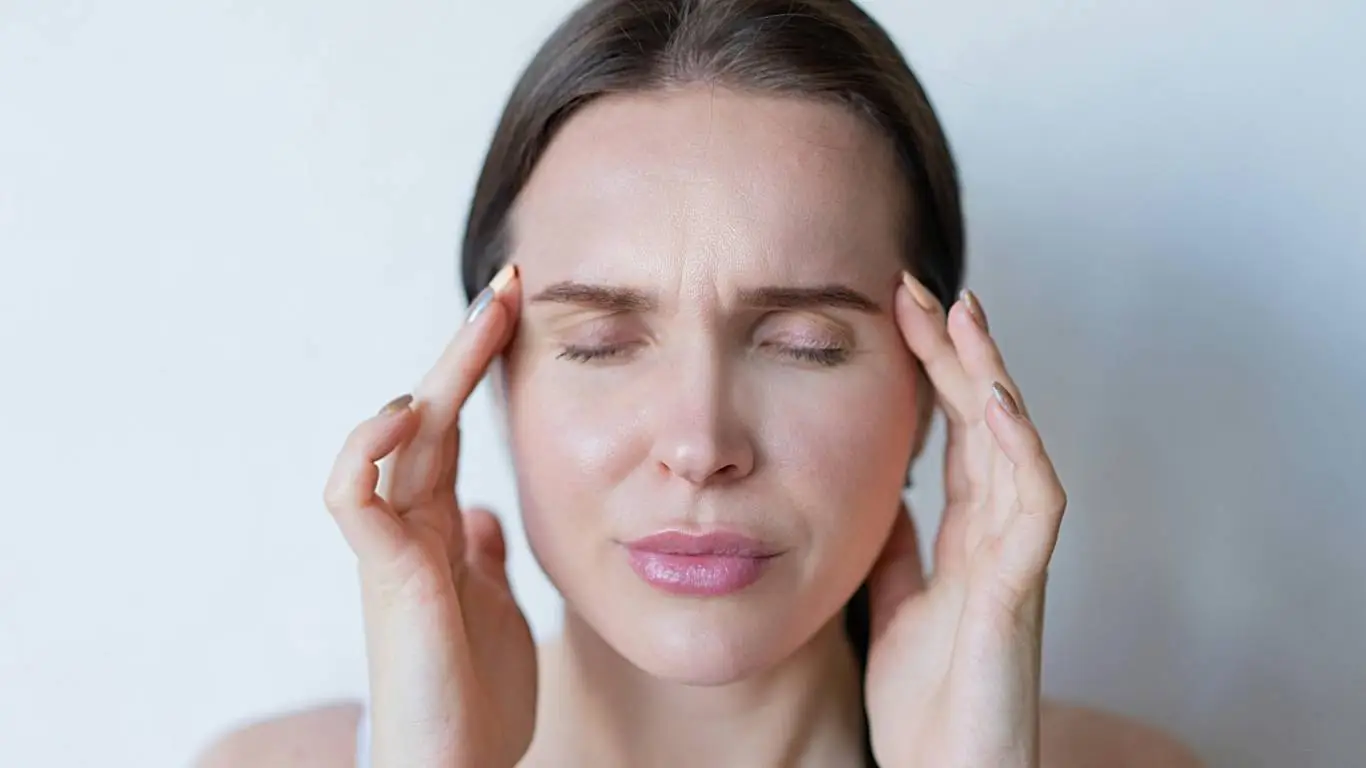
From slips and falls to car accidents and sports injuries, trauma can wreak havoc on the lower back. Sometimes it’s immediate pain; other times, the damage shows up months later.
- Vertebral fractures
- Soft tissue bruising
- Spinal alignment issues
What’s tricky is that even minor fender-benders can lead to lingering issues, especially if not properly treated. If you’ve ever walked away from a fall thinking, “I’m fine,” and then a month later your back says otherwise — you’re not imagining it.
Understanding the broad range of lower back pain causes is crucial. Whether it’s lifestyle, structure, or stress, each cause deserves its own care plan. For a deeper dive into diagnosis methods and recognizing symptoms early, this breakdown of symptoms and diagnosis is incredibly helpful.
Want the full picture? Learn more from the main back pain hub — it ties together causes, treatment, and everything in between.
Conservative Treatments for Lower Back Pain

When I first started dealing with lower back pain, I thought painkillers were the only option. But the real game changer? Conservative treatments. These are the non-surgical, often simple approaches that focus on treating the root cause instead of masking symptoms. And honestly, they work wonders for most people if done consistently.
1. Physical Therapy and Movement
It might sound counterintuitive to move when your back hurts, but targeted movement is exactly what your spine craves. A licensed physical therapist can design a program based on your pain patterns and limitations. I saw improvements just from basic stretches and light strengthening exercises that focused on the core and glutes.
- Core stability training
- Gentle yoga or pilates
- McKenzie method (focused on spinal extension)
To explore rehabilitation routines and movement-based recovery, this guide on exercise and ergonomics is worth bookmarking.
2. Manual Therapies
Chiropractic adjustments, massage therapy, and osteopathic manipulation are all popular for a reason — they help. A chiropractor helped me realign my lower spine, and a good massage therapist released tension I didn’t even know I was carrying. These aren’t quick fixes, but they’re powerful additions to your routine.
3. Hot and Cold Therapy
Still my go-to on flare-up days. Ice packs reduce inflammation, while heating pads relax tight muscles. Use each for 15–20 minutes and don’t forget to give your skin a break in between. Keep it simple, but consistent.
4. Over-the-Counter Relief
NSAIDs like ibuprofen can help manage pain and inflammation, especially early on. Just don’t rely on them long term — they’re a crutch, not a cure.
For a full overview of conservative approaches, visit the conservative treatment breakdown.
Lifestyle Changes that Support a Healthier Back

Honestly, this is where the magic happens. The little daily habits you barely think about can either help or hurt your back. Once I changed my sleeping position, adjusted my desk setup, and started taking short walks daily — the pain began to shift.
Posture Matters
That lazy slouch while scrolling your phone? Yeah, your back hates it. Use lumbar support when sitting, keep your feet flat on the floor, and bring screens to eye level — not the other way around.
Diet and Inflammation
Inflammation can amplify pain. Reducing processed foods, sugar, and alcohol while increasing anti-inflammatory foods like berries, salmon, leafy greens, and turmeric can make a real difference. It’s not a quick fix, but over time, your body notices.
More lifestyle tips and natural remedies can be found in this wellness-focused section.
Daily Movement Over Intense Workouts
You don’t need to hit the gym hard. Instead, focus on regular, low-impact movement: walking, stretching, even cleaning counts. Your back craves circulation and mobility more than high-intensity anything.
When Is Surgery an Option?

Surgery should always be the last resort. But in some cases — like severe disc herniation, spinal stenosis, or unrelenting sciatica — it can be life-changing. The good news? Techniques have come a long way. Minimally invasive surgery means faster recovery, fewer complications, and less scarring.
I’ve met folks who returned to work within weeks after a procedure. Not everyone needs it, but if your quality of life is suffering and nothing else helps, it’s worth exploring.
Get familiar with your options through this trusted resource on minimally invasive surgical treatments.
The Role of Occupation and Daily Habits

Let’s talk about your job. Whether you’re hunched over a laptop, standing for long hours, or commuting for miles — your occupation shapes your back health more than you realize. I had to completely revamp my work desk setup and now swear by a standing desk and footrest.
- Office workers – Invest in an ergonomic chair and consider a standing desk.
- Drivers – Use lumbar cushions and take frequent breaks.
- Labor-intensive jobs – Proper lifting technique is critical.
If you’re constantly on the move or stuck in a sedentary routine, these tips for managing back pain in occupational settings can offer immediate relief.
Knowing When to Get Professional Help

Sometimes self-care just isn’t enough. If your pain:
- Lasts longer than six weeks
- Radiates down your leg or into your foot
- Comes with numbness or tingling
- Worsens with rest or disrupts your sleep
It’s time to see a specialist. You might need imaging like an MRI or CT scan to pinpoint the issue, especially if nerve involvement is suspected. Don’t tough it out alone — early intervention can prevent long-term damage.
Final Tips From Someone Who’s Been There

Lower back pain doesn’t have to define your life. I’ve been through the frustrating mornings, the awkward side-sleeping, and the search for answers. But by understanding the causes and building a smart, layered approach to healing, I found real relief. You can too.
If you’re starting your journey or trying to get unstuck, I highly recommend starting with this main guide to back pain for a full view of how all the pieces fit together.

Camellia Wulansari is a dedicated Medical Assistant at a local clinic and a passionate health writer at Healthusias.com. With years of hands-on experience in patient care and a deep interest in preventive medicine, she bridges the gap between clinical knowledge and accessible health information. Camellia specializes in writing about digestive health, chronic conditions like GERD and hypertension, respiratory issues, and autoimmune diseases, aiming to empower readers with practical, easy-to-understand insights. When she’s not assisting patients or writing, you’ll find her enjoying quiet mornings with coffee and a medical journal in hand—or jamming to her favorite metal band, Lamb of God.