Can Vitamin C Help With Eye Floaters or Make Them Worse?
Ever been outside on a sunny day, looked up at the sky, and noticed tiny squiggles or threads floating in your vision? Welcome to the club. Eye floaters. They’re incredibly common, especially as we age. I started noticing them in my early 40s—just a few at first, mostly when staring at white walls or a bright computer screen. But naturally, like any curious human with a smartphone and a hint of hypochondria, I went down the rabbit hole: could nutrition—like good ol’ vitamin C—actually help with these annoying specs?
What Are Eye Floaters, Really?
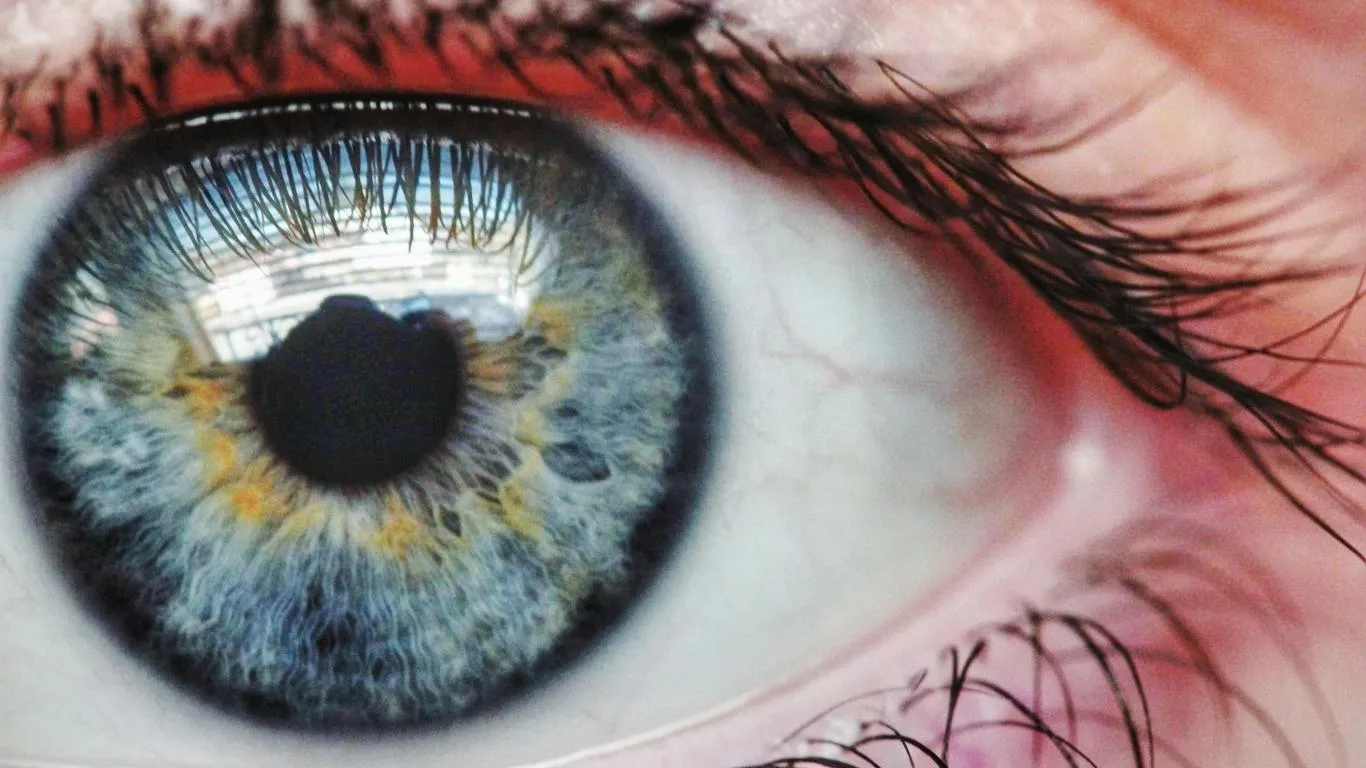
Eye floaters are essentially little bits of collagen clumping together inside the vitreous—the gel-like substance in your eye. These clumps cast shadows on your retina, which is what you see floating around. They’re more noticeable when you’re looking at something bright and plain, like a blue sky or a computer screen. And while most floaters are benign, some might signal an underlying eye issue.
As posterior vitreous detachment becomes more common with age, floaters can increase in both size and frequency. But is there a natural, low-risk way to reduce them—or at least slow them down?
So, Can Vitamin C Help with Eye Floaters?
The short answer: maybe. It’s not a magic bullet, but there’s some compelling science (and a good dose of common sense) behind it. Vitamin C is a powerful antioxidant, meaning it helps combat oxidative stress—one of the key players in aging and tissue degeneration, including the eyes.
The vitreous humor, where floaters originate, is largely composed of water and collagen. Over time, oxidative stress may cause the collagen fibers to clump, forming the floaters we see. Vitamin C could help by reducing this oxidative damage, potentially preventing or slowing down that collagen breakdown.
What the Research Says
Although there’s no direct clinical trial proving vitamin C eliminates floaters, several studies highlight how antioxidant supplementation benefits overall eye health. According to a report by the National Eye Institute, vitamin C has been shown to reduce the risk of cataracts and slow the progression of age-related macular degeneration (AMD).
One observational study even suggested that people with higher dietary intake of antioxidants, including vitamin C, reported fewer visual disturbances like floaters. While not conclusive, it gives us a good reason to include more C-rich foods in our diets—or talk to an eye care professional about supplementation.
My Personal Take
After floating (pun intended) through tons of blogs and studies, I decided to up my vitamin C game. I didn’t go overboard—just started adding more red bell peppers, citrus, and kiwi to my diet. Over time, I felt like the floaters were less noticeable. Placebo? Maybe. But I’ll take less visual noise any day.
Best Sources of Vitamin C for Eye Health
- Red bell peppers (way more vitamin C than oranges!)
- Kiwi
- Strawberries
- Broccoli
- Brussels sprouts
- Guava
If you prefer supplements, make sure to choose high-quality, third-party tested products. And always check with your healthcare provider—especially if you’re taking other medications or have health concerns.
When Vitamin C Isn’t Enough
Now, let’s be real. Vitamin C is great, but if your floaters come on suddenly, or are accompanied by flashes of light or vision loss, you need to call an eye doctor immediately. That could be a sign of retinal detachment, which is a medical emergency. Read more on retinal tear warnings here.
And if your floaters are due to an underlying condition like diabetes or autoimmune disorders, the solution likely involves managing those conditions first.
How Does It Fit with Overall Eye Health?
Vitamin C doesn’t work in isolation. It’s part of a bigger picture that includes other nutrients like vitamin E, lutein, and omega-3 fatty acids. There’s growing evidence that a diet rich in colorful vegetables, whole foods, and healthy fats supports long-term eye function.
Looking to dive deeper into managing floaters naturally? This comprehensive guide covers everything from lifestyle tweaks to herbal options—and what actually works.
Why Prevention Is Still Your Best Bet
- Protect your eyes from UV damage by wearing sunglasses.
- Stay hydrated—dehydration can affect your vitreous gel.
- Eat a nutrient-dense diet rich in antioxidants and omega-3s.
- Manage stress. Yup, stress might actually make floaters more noticeable. Here’s what the research says.
- Limit screen time when possible—especially if you’re noticing floaters more often. Learn more in this screen time impact article.
For a deeper breakdown of how floaters develop, the types to watch out for, and medical treatments available, check out our main overview: What Are Eye Floaters? Causes, Symptoms, and Treatment Options.
And if you’re trying to get a sense of whether yours are normal or a warning sign, this detailed guide may help: When Are Eye Floaters Dangerous?
#LNF

Camellia Wulansari is a dedicated Medical Assistant at a local clinic and a passionate health writer at Healthusias.com. With years of hands-on experience in patient care and a deep interest in preventive medicine, she bridges the gap between clinical knowledge and accessible health information. Camellia specializes in writing about digestive health, chronic conditions like GERD and hypertension, respiratory issues, and autoimmune diseases, aiming to empower readers with practical, easy-to-understand insights. When she’s not assisting patients or writing, you’ll find her enjoying quiet mornings with coffee and a medical journal in hand—or jamming to her favorite metal band, Lamb of God.