Why Crystal Healing Anxiety Myths Can Be More Harmful Than Healing
I’ve always been the type of person who’s open to trying new things to manage my anxiety. Journaling? Absolutely. Breathing exercises? Every day. But a few years ago, someone gifted me a small pouch of crystals “for healing.” I appreciated the gesture, but I’ll be honest—I was skeptical. Crystals? For anxiety? Really? Still, curiosity won, and I started looking into it. What I found wasn’t just interesting—it was eye-opening. That’s what inspired me to dive deep into the world of crystal healing myths, especially the ones related to anxiety.
What Is Crystal Healing—and Why Are So Many Anxious People Drawn to It?
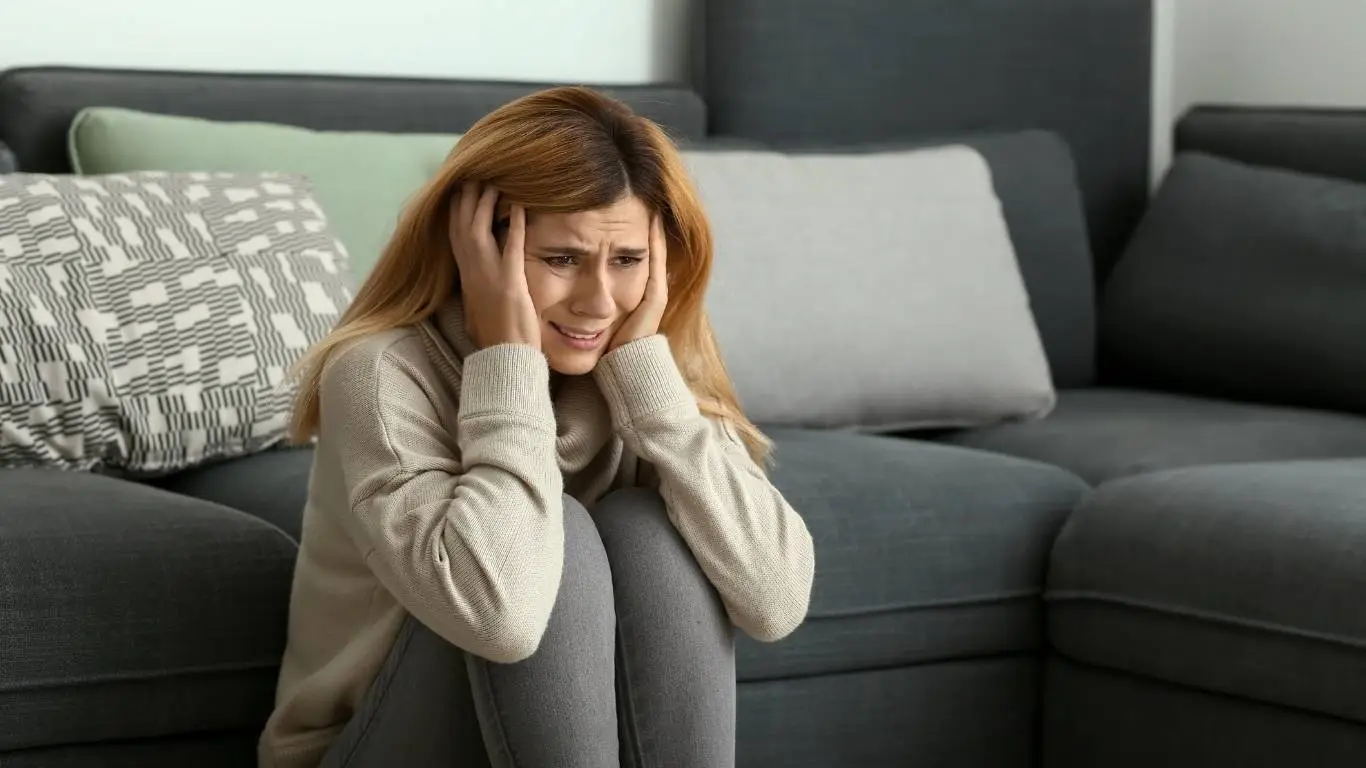
Crystal healing is often described as an alternative energy-based therapy where specific stones are believed to channel vibrations to rebalance mental, emotional, and physical states. For people dealing with anxiety—especially those who feel modern medicine hasn’t given them full relief—crystals can feel like a beacon of hope. There’s something comforting about holding something tangible when your mind is spinning.
But that comfort doesn’t mean the science supports it. And that’s where things get murky.
The Myth of “Instant Calm” From Crystals

One of the most common claims is that certain crystals—like amethyst, rose quartz, or lepidolite—can instantly reduce anxiety. It’s a beautiful idea, and honestly, I’ve had moments where simply holding a cool, smooth stone helped me pause and breathe. But is that the crystal, or the power of focused attention and intention?
Most mental health professionals would argue it’s the latter. There’s no credible scientific evidence showing that crystals themselves hold healing properties. What often works is the ritual—the quiet, intentional practice of self-soothing. That’s not nothing, but it’s not the same as a treatment.
Why People Still Believe It Works
- Placebo Effect: When you expect something to help, your brain can sometimes make it feel like it does.
- Ritual & Routine: Touchstones (pun intended) provide a sense of control.
- Symbolic Meaning: Crystals often represent peace, grounding, or love—powerful emotional anchors.
And to be clear, I’m not anti-crystal. I still keep a rose quartz on my desk. But I keep it there because it reminds me to breathe—not because I think it’s magically warding off my anxiety attacks.
Real Anxiety Tools vs. Wishful Thinking
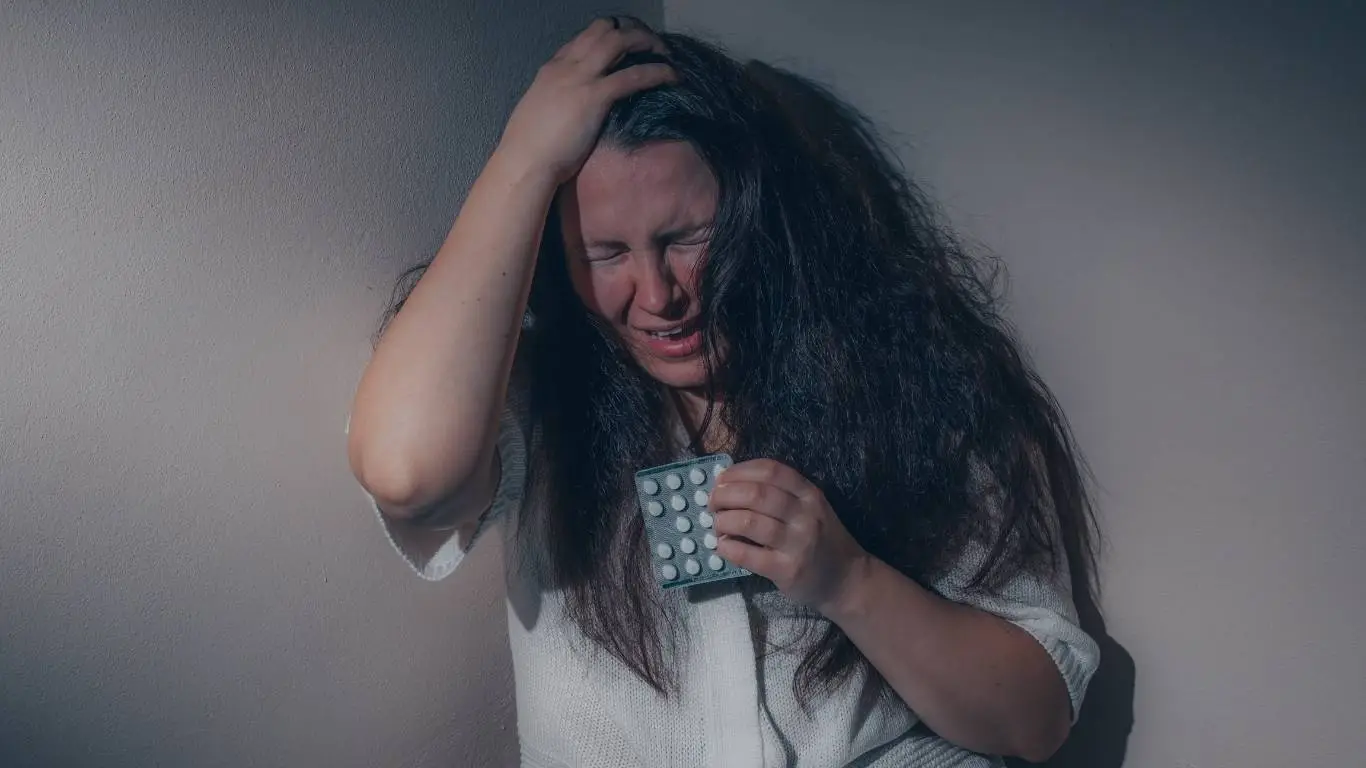
Here’s where things can take a problematic turn. If someone replaces therapy, evidence-based tools, or even medication with crystals because they believe the stone alone will heal them, we’ve got a big issue. Anxiety disorders are complex and layered. They demand therapy, lifestyle shifts, sometimes medication, and consistent self-awareness.
For those unsure what actual treatments look like, the diagnosis and assessment process gives a solid starting point. It’s personalized, grounded in clinical insight, and honestly more empowering than hoping a stone under your pillow will fix everything.
The Red Flags of Crystal Healing Advice
- “This stone cured my anxiety in one week!” – Oversimplification like this is not just misleading, it’s dangerous.
- “You don’t need therapy or meds if you use the right crystal.” – That’s a hard no. Replacing proven treatments can set people back.
- “Only this brand of healing crystal works.” – Sounds like someone’s selling you something.
Is There a Safe Way to Include Crystals in Anxiety Care?
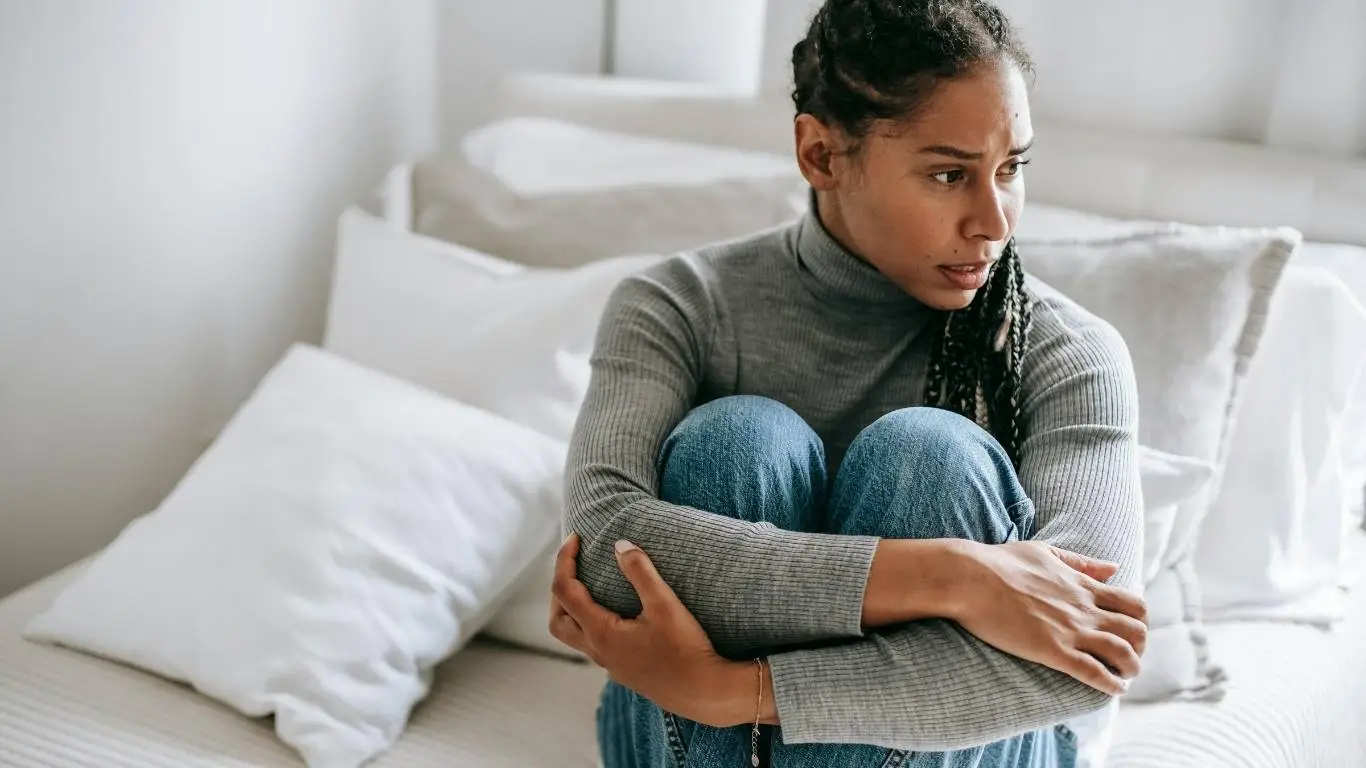
Absolutely—if you understand their role. I treat them like mental bookmarks. On anxious days, I might hold my lepidolite during breathwork. It reminds me of peace and helps me focus. But it’s part of a broader toolbox that includes things like mindfulness, movement, talk therapy, and proper sleep hygiene.
Think of crystals as you would motivational quotes or calming playlists. They can be part of your anxiety support system, but they are not the foundation of it.
Complementary, Not Core
Adding crystals into a holistic strategy can feel empowering—but skipping the foundation means you’re building support on sand.
When “Wellness” Myths Delay Real Help
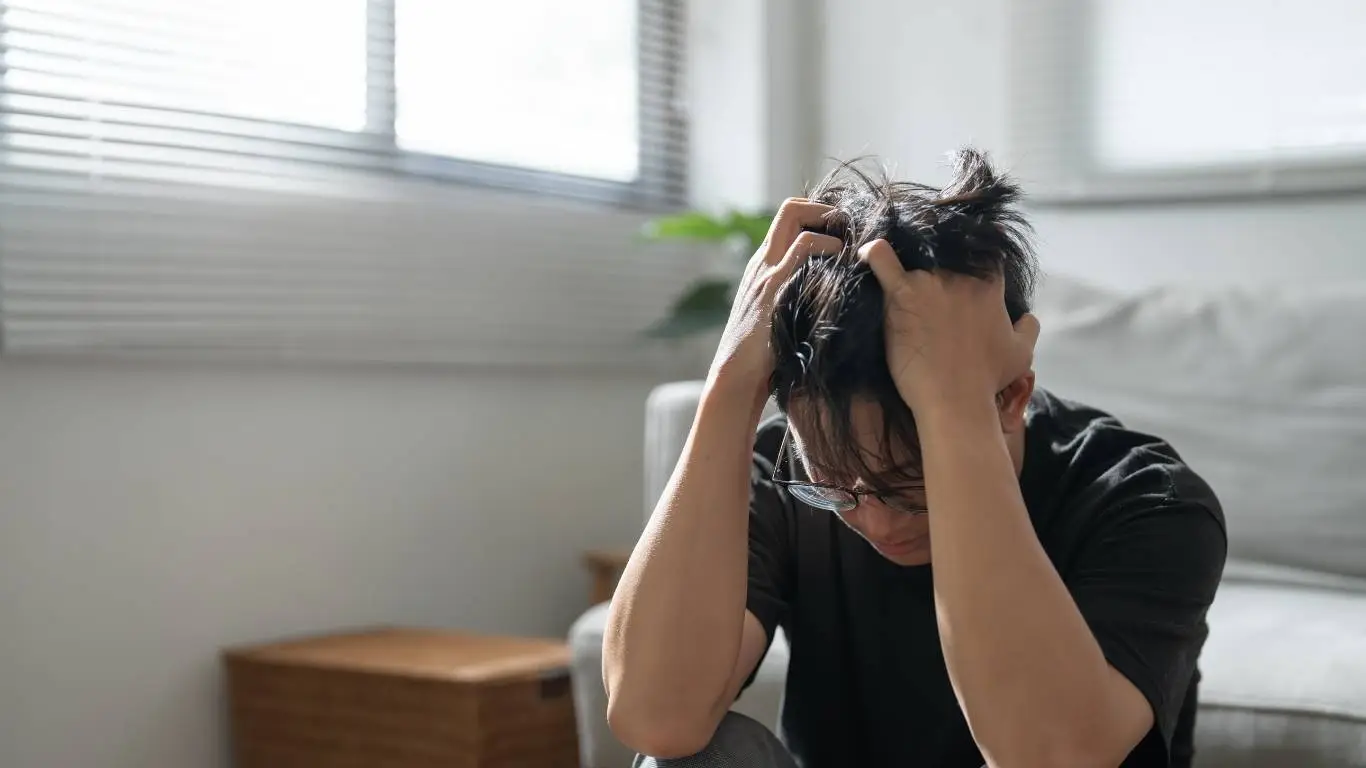
This one hits close. A friend of mine delayed starting therapy for over a year, convinced that the right combination of essential oils, full moon rituals, and crystal grids would “rebalance her energy.” She wasn’t lazy—she was hopeful. But she kept spiraling. When she finally connected with a licensed therapist and began understanding the roots of her anxiety, that’s when her real healing began.
The truth is, there’s nothing wrong with seeking peace in rituals. But when myths about crystal healing become excuses to avoid harder—but more effective—solutions, we start doing ourselves a disservice.
For anyone looking to explore every legit angle of what anxiety actually is, how it’s diagnosed, and what works long-term, the main guide on anxiety disorders breaks it down in a way that makes it feel manageable, not overwhelming. I always point people to that when they’re unsure where to start.
The Crystals Most Associated With Anxiety—and What the Claims Say
One of the things that got me curious in the beginning was how certain crystals kept popping up in “anxiety healing” circles. You’ll hear people swear by a few specific stones. Let’s unpack what each one is said to do—and what might actually be going on when you hold one.
Amethyst
This purple gem gets a lot of hype for its supposed ability to promote calm and emotional stability. I’ll admit, it looks peaceful. But the calm people feel is more likely coming from the rituals around it—setting intentions, sitting still, breathing deeply—than the stone itself.
Rose Quartz
Often called the “love stone,” rose quartz is associated with self-compassion and heart-based healing. When I held this during my worst anxiety spells, I didn’t feel cured—but I did pause and practice kindness toward myself. And that’s powerful in its own right.
Lepidolite
This one contains trace amounts of lithium—the same element used in some psychiatric meds. That’s where the myth grows legs. But the amount in a crystal is nowhere near therapeutic. Still, many say it helps them sleep or wind down at night. Again, intention over chemistry.
Black Tourmaline
Said to “absorb negative energy,” this stone is often used as a protective shield. Personally, I kept one near my bed for months—not because I thought it was warding off demons, but because it reminded me to disconnect from draining interactions. That symbolism can be useful, even if it’s not magical.
What the Experts Say About Crystal Healing for Mental Health

According to psychologists and psychiatrists, relying solely on unproven treatments like crystals is a risky path. The American Psychological Association emphasizes that anxiety disorders require evidence-based interventions. This doesn’t mean you can’t light a candle, grab a crystal, and meditate—but it means those rituals should complement, not replace your treatment plan.
Some integrative therapists even encourage clients to include objects of meaning—crystals, photos, heirlooms—during sessions. But they’re clear about the role: emotional anchors, not cures.
How to Tell If a Crystal-Based Approach Is Hurting More Than Helping
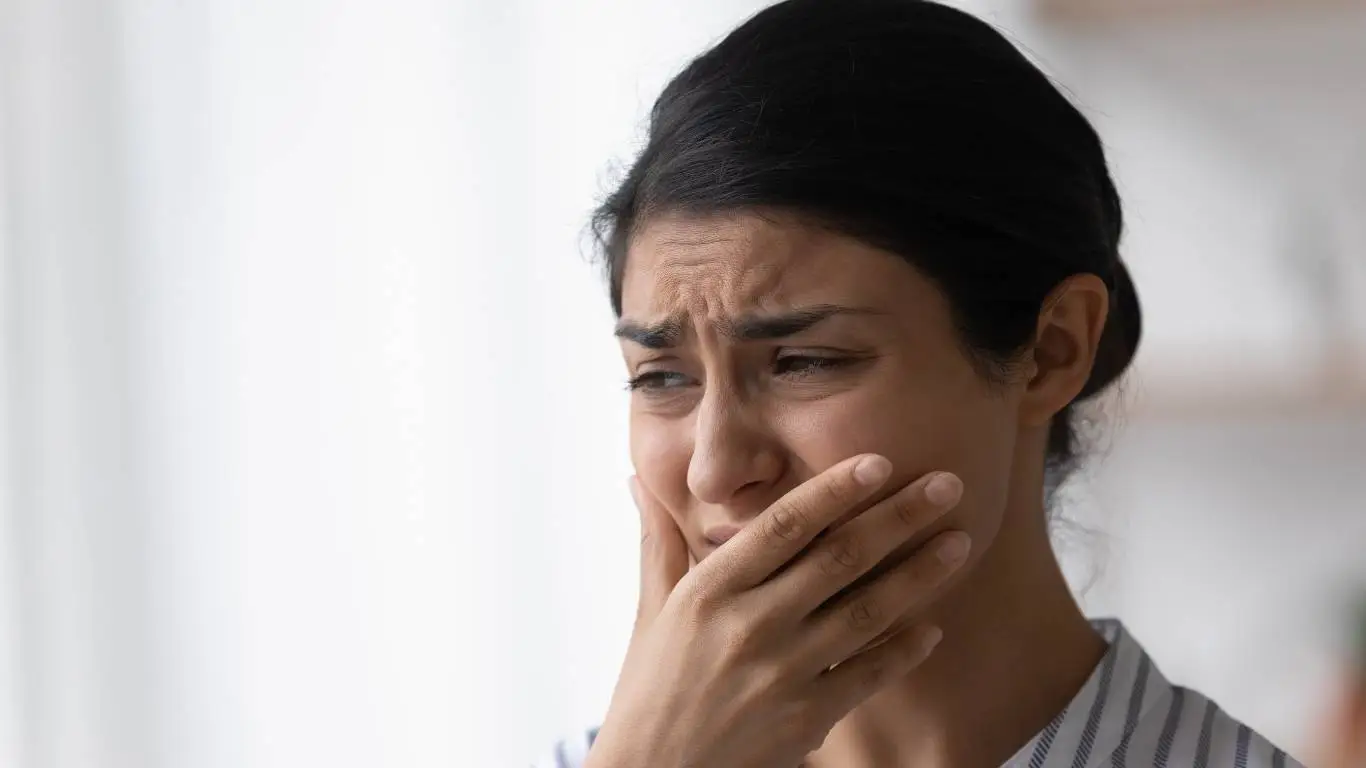
There’s a fine line between supportive rituals and spiritual bypassing. When crystals become a stand-in for therapy, or you avoid addressing trauma because “your energy isn’t aligned,” that’s when the well-being practices go off course. Here’s how to know if your approach needs a reset:
- You’re spending hundreds on “healing sets” instead of exploring affordable therapy.
- You delay real medical advice, hoping a new crystal will fix your panic attacks.
- You feel guilt or shame when anxiety comes back—like it means you’re “not aligned.”
When I finally talked to a licensed therapist about my own anxiety, the difference was immediate. I was able to understand patterns, triggers, and—most importantly—how to cope in a way that didn’t rely on luck or lunar cycles.
Crystals as Comfort Objects, Not Magical Tools
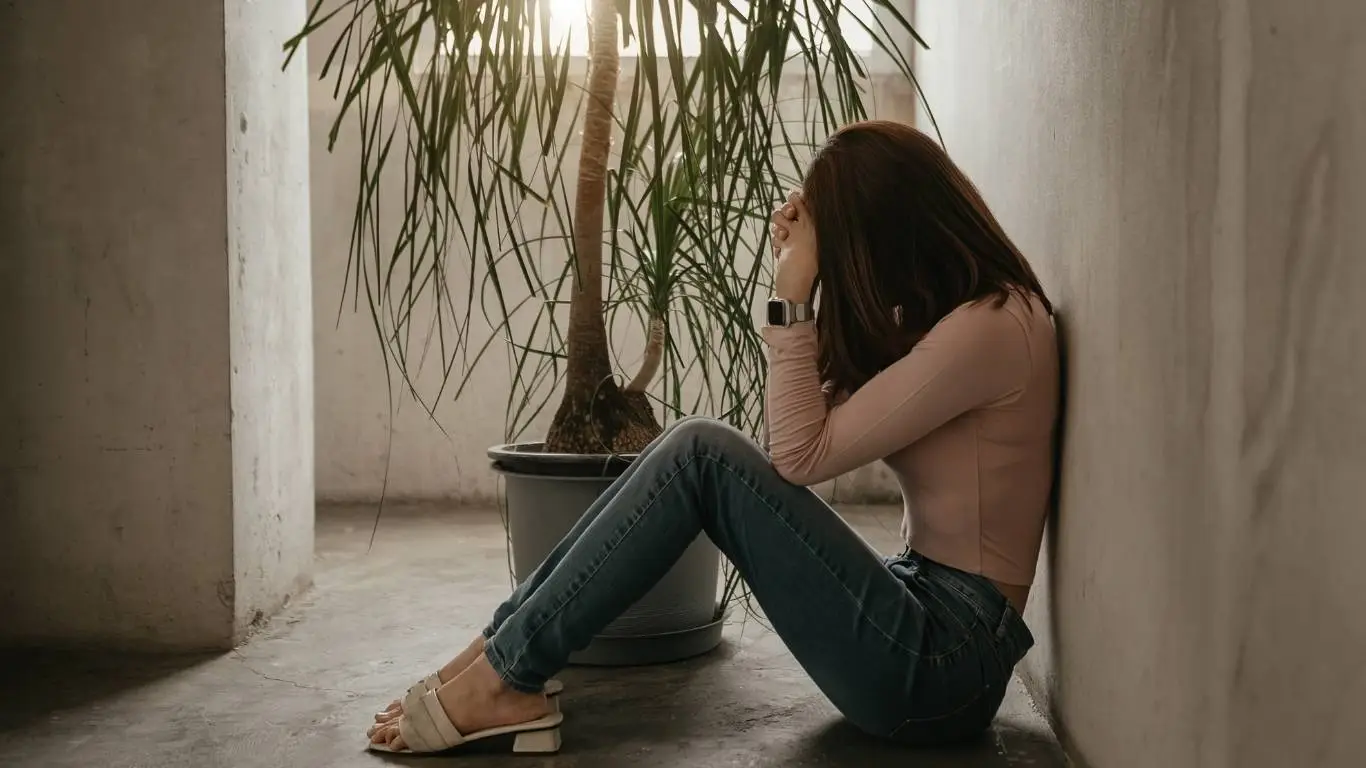
If crystals help you feel grounded or give you a moment of peace, that’s valid. You don’t have to toss them out. But treat them for what they are: comforting symbols in a broader care routine. Some people use them as visual cues for mindfulness. Others keep one in their pocket during overwhelming days. And that’s totally fine.
Just remember—healing anxiety isn’t about finding one magical fix. It’s about layering the right practices for your mind and body. That might include lifestyle changes, physical movement, journaling, and yes, the occasional rose quartz in your hand while you do breathing work.
Where Crystals Fit in a Balanced Anxiety Care Plan
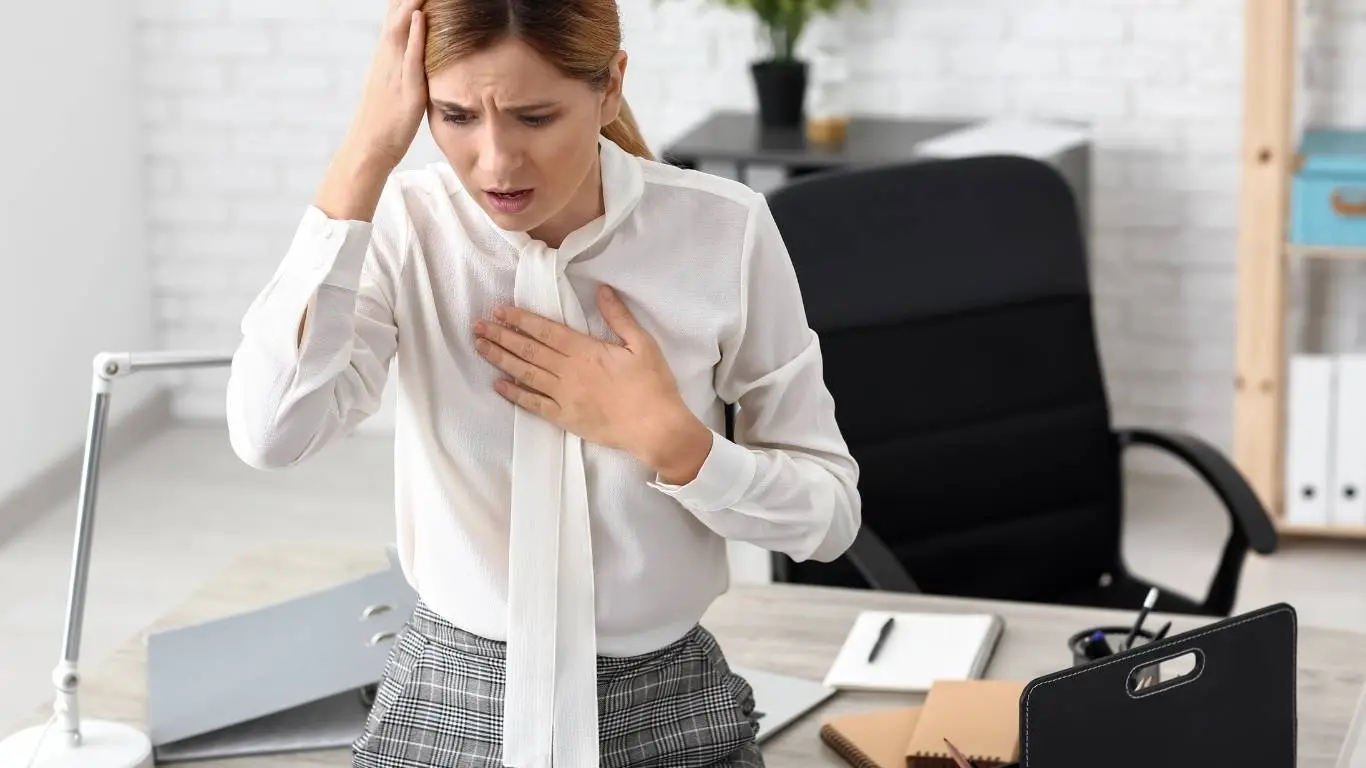
I like to think of crystals as emotional bookmarks. They help me pause. Reflect. Sometimes they even help me cry, which I consider a win. But my real progress came from combining those moments with consistent practices—CBT sessions, journaling, and yes, even writing through anxiety instead of wishing it away.
My go-to grounding combo these days? Five minutes of deep breathing, a warm herbal tea, and a crystal in my hand—not for its power, but for mine. If you’re new to this journey and want to see what a full approach looks like, start with the pillar on lifestyle and self-help. It connects real strategies with daily routines that actually stick.
And if you’re still wondering how anxiety shows up in sneaky ways, especially when you think you’ve got it under control, the main guide to understanding anxiety lays it all out clearly and compassionately. It was a game-changer for me when I realized I wasn’t alone—and neither are you.

Camellia Wulansari is a dedicated Medical Assistant at a local clinic and a passionate health writer at Healthusias.com. With years of hands-on experience in patient care and a deep interest in preventive medicine, she bridges the gap between clinical knowledge and accessible health information. Camellia specializes in writing about digestive health, chronic conditions like GERD and hypertension, respiratory issues, and autoimmune diseases, aiming to empower readers with practical, easy-to-understand insights. When she’s not assisting patients or writing, you’ll find her enjoying quiet mornings with coffee and a medical journal in hand—or jamming to her favorite metal band, Lamb of God.