Living Better With Spondylolisthesis: Symptoms And Treatment Guide
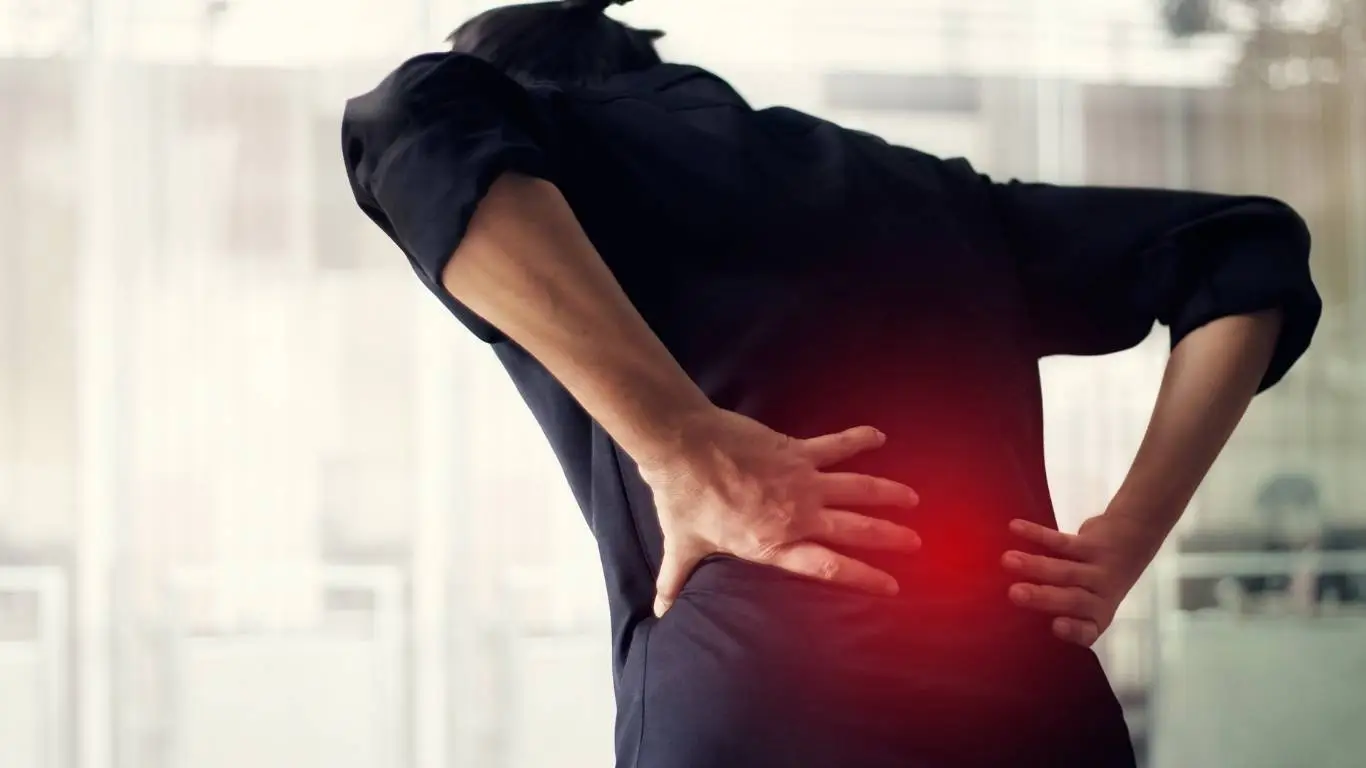
Spondylolisthesis is one of those conditions I didn’t even know existed—until it was suddenly part of my life. It started with an odd ache in my lower back after long walks. I shrugged it off as overexertion or poor posture. But as weeks passed, that ache turned into a nagging pain radiating into my thighs and hips. I’d learn later I was experiencing classic signs of spondylolisthesis—a condition that affects more people than you’d think, especially those of us juggling desk jobs and weekend warrior activities.
Understanding Spondylolisthesis

In simple terms, spondylolisthesis happens when one of the vertebrae in your spine slips out of place, usually forward, onto the bone beneath it. Sounds scary, right? It kind of is—but knowing what’s going on makes it easier to manage. It’s not the same as a slipped disc. This is more about bone movement, not just cartilage damage. And the most common area affected? The lower back, especially around the L4-L5 region.
There are different types—congenital, degenerative, isthmic, traumatic, and pathological—but for most adults, especially over 40, it’s degenerative spondylolisthesis that creeps in due to wear and tear. Interestingly, athletes, especially gymnasts and weightlifters, often deal with isthmic types due to stress fractures in early life.
If you’re curious about how the spine is built and why this happens, this deep-dive on spinal anatomy is super helpful and explains the chain reaction that leads to vertebral slippage.
Common Symptoms You Shouldn’t Ignore
Not all symptoms scream for attention. Mine started like a whisper. But looking back, there were several signs I should’ve noticed earlier. Symptoms vary based on the degree of the slippage, but here are a few common ones to keep an eye on:
- Lower back pain – This is often dull and chronic. It can spike after standing too long or bending backward.
- Stiffness – Especially in the hamstrings and lower spine.
- Radiating pain – Pain that travels from your back down one or both legs.
- Weakness or numbness – Tingling or numbness in your legs or feet, often mistaken for sciatica.
- Changes in posture or gait – An arched lower back or waddling walk may develop subtly.
In severe cases, there’s even a risk of cauda equina syndrome, which can cause bowel or bladder dysfunction. That’s a medical emergency. No messing around.
Diagnosing the Condition
If you’ve ticked several boxes above, it’s definitely time to see a specialist. Diagnosis usually involves:
- Physical examination – Range of motion tests, strength checks, and posture evaluation.
- X-rays – These are the go-to for spotting vertebral slippage.
- MRI or CT scans – Especially if there are signs of nerve involvement or soft tissue damage.
Trust me, don’t self-diagnose with Google. I tried—it was a rabbit hole of misinformation. When I finally got proper imaging, the clarity was a relief in itself.
Treatment Options That Actually Help

The good news? Most people don’t need surgery. I certainly didn’t. My treatment started conservatively and worked wonders. Here’s what might be on the table:
1. Conservative Management
This is the first line of defense. According to this guide on conservative treatments, the approach depends on severity but often includes:
- Physical therapy – Core strengthening, flexibility routines, and posture correction exercises.
- Activity modification – Limiting painful movements or sports temporarily.
- Bracing – Especially useful for adolescents or for temporary support during flare-ups.
- NSAIDs and pain relief – Non-steroidal anti-inflammatories like ibuprofen can ease symptoms.
2. Minimally Invasive Procedures
For persistent or severe cases, techniques like epidural steroid injections might be recommended. They target inflammation around compressed nerves and offer short-to-mid-term relief. This resource on minimally invasive options offers detailed insights.
3. Surgery as a Last Resort
Fusion surgery may be considered if there’s progressive slippage, intractable pain, or neurological decline. It’s not a light decision—and recovery takes time—but for some, it’s the right path. Your surgeon will assess based on imaging, age, lifestyle, and functional impact.
Everyday Adjustments That Make a Difference

Little tweaks to your daily habits can create massive ripple effects. I started with an ergonomic chair and added a sit-stand desk setup. The difference in posture and energy was shocking. If you’re dealing with spondylolisthesis or want to protect your spine in general, this rehab and ergonomics guide is a must-read.
- Don’t slouch—keep screens at eye level.
- Alternate sitting and standing if your work allows.
- Use lumbar support (even a rolled towel works).
- Stretch your hip flexors and hamstrings regularly.
For a deeper understanding of the condition and other related spine disorders, the main Back Pain Hub is packed with helpful, up-to-date info. It’s a solid launchpad if you’re trying to understand where spondylolisthesis fits in the broader picture.
And if you’re curious about other causes of back pain that might mimic spondylolisthesis or coexist with it, this comprehensive overview on back pain causes is worth bookmarking.
Living With Spondylolisthesis: Long-Term Strategies

Once I got past the initial flare-ups, the big question was: how do I live with this thing without it controlling me? Spondylolisthesis doesn’t necessarily go away. But with the right approach, it stops being the center of attention. You adapt, and you thrive—if you’re smart about it.
Strengthening the Core (But the Right Way)
I used to think core exercises meant crunches. Nope. That actually made things worse early on. A physiotherapist introduced me to stabilizing movements like bird-dogs, bridges, and planks—with modifications. These don’t just build muscle; they teach your spine how to stay supported.
This rehab-focused guide is packed with movements that are spine-friendly and tailored for conditions like spondylolisthesis. I can’t stress enough how much these changed the game for me.
Listen to Your Body (And Don’t Push Through Pain)
It took me longer than I’d like to admit to stop pushing through discomfort. If walking feels off, or your back tightens up in certain positions—pause. Adjust. Rest. Sometimes even a gentle yoga flow can release tightness and reset your nervous system.
Build a Routine That Respects Recovery
- Stretch daily – even if it’s just five minutes in the morning.
- Alternate activity with rest – especially after workouts or chores.
- Hydration and anti-inflammatory foods – hydration affects disc health more than we think.
Integrating tips from this lifestyle and diet resource helped me recognize which foods and habits were keeping inflammation around longer than it needed to be.
How Mental and Emotional Health Impact Recovery

Let’s be honest—chronic back pain messes with your head. At one point, I caught myself avoiding hikes with friends and skipping travel opportunities because I was afraid of aggravating my back. That avoidance built into anxiety. And the tension? It just fed back into the pain loop.
I didn’t want to believe it, but the mind-body connection is real. Chronic stress tightens muscles, alters breathing, and increases pain sensitivity. The science backs it too—Mayo Clinic notes that pain perception is closely tied to emotional well-being.
Here’s what worked for me:
- Journaling pain patterns – writing helped me notice links between stress and flare-ups.
- Breathwork and mindfulness – 10-minute sessions a day created space in my body I didn’t know I needed.
- Cognitive Behavioral Therapy (CBT) – game-changer for reframing pain and taking back control.
This page on mental and emotional aspects of back pain really resonated with me—it’s validating to know you’re not just “imagining” it when your mood dips with your pain spikes.
Traveling, Working, and Staying Active with Spondylolisthesis

One of my biggest fears was travel—sitting for hours in planes or cars. But it’s manageable with a few proactive tricks:
- Back cushions or lumbar rolls – they make a world of difference on long rides.
- Walk every hour – even if it’s just pacing the aisle or airport hallway.
- Pack light – carrying heavy luggage can trigger instant strain.
I also learned to adapt my work setup. A standing desk helped. So did being honest with coworkers about needing to stretch or shift positions. More insights like these are broken down well in this work and travel section.
When to Revisit a Specialist

Your symptoms are your guide. If things are improving, awesome. But if pain worsens, new symptoms arise (especially numbness or bladder issues), or you plateau for too long, it might be time to go back. Progress isn’t always linear, and sometimes our bodies need help we can’t DIY.
Staying in touch with your care team and monitoring changes is part of advocating for your health. You know your body better than anyone.
Closing the Loop: Taking Ownership of Healing

Living with spondylolisthesis has taught me to slow down, tune in, and respect my body in a way I never did before. It’s not always easy. But it’s possible. And honestly, it’s empowering to learn that healing isn’t just about treatment—it’s about lifestyle, mindset, and consistency.
If you’re newly diagnosed, or just figuring out what’s behind your back pain, you’re not alone. Start here: the main back pain pillar is your anchor. And if you haven’t yet, explore the broader diagnostic approach to back pain—it’ll give context and help you rule out other conditions.

Camellia Wulansari is a dedicated Medical Assistant at a local clinic and a passionate health writer at Healthusias.com. With years of hands-on experience in patient care and a deep interest in preventive medicine, she bridges the gap between clinical knowledge and accessible health information. Camellia specializes in writing about digestive health, chronic conditions like GERD and hypertension, respiratory issues, and autoimmune diseases, aiming to empower readers with practical, easy-to-understand insights. When she’s not assisting patients or writing, you’ll find her enjoying quiet mornings with coffee and a medical journal in hand—or jamming to her favorite metal band, Lamb of God.