Fast Relief or Setbacks? Muscle Strain Back Pain Recovery Tips
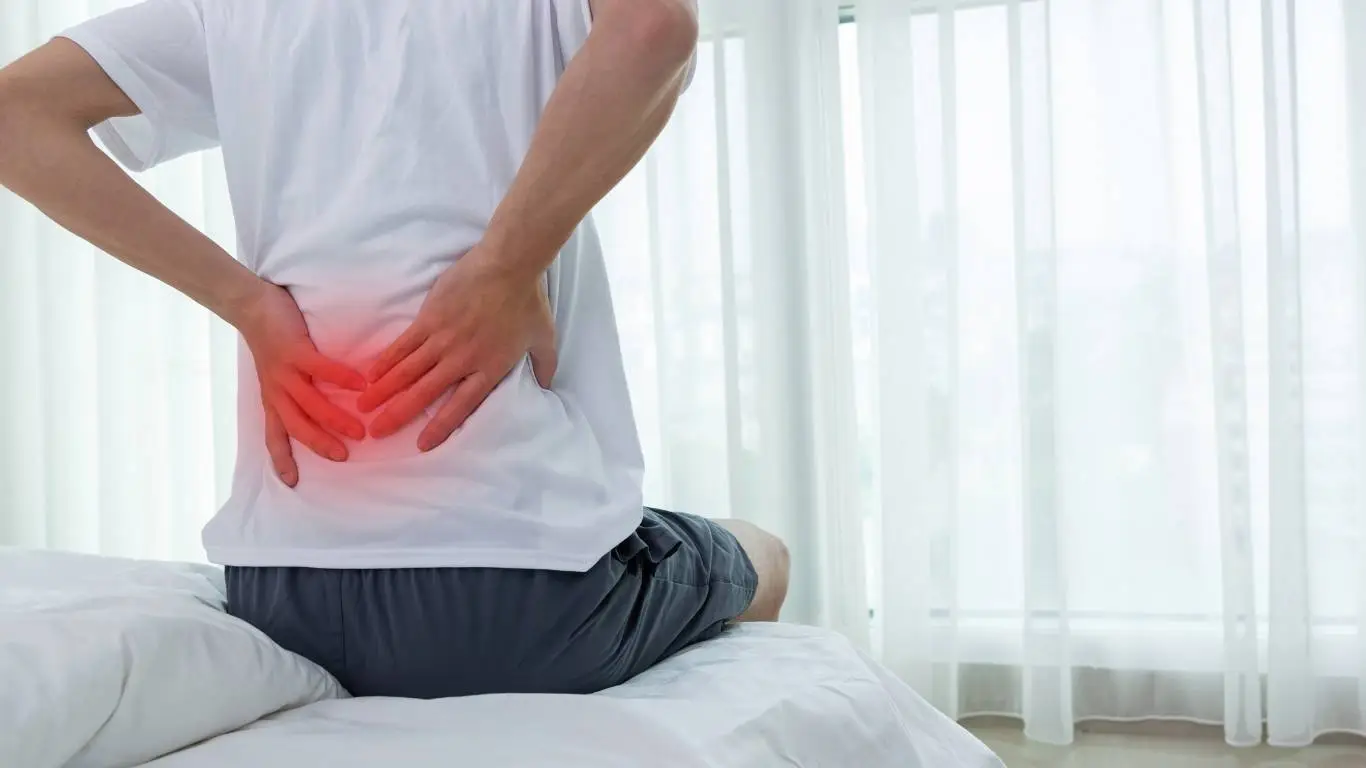
Back pain from a muscle strain is one of those annoying things that sneaks up on you when you least expect it. For me, it was lifting an oddly shaped box while rushing through a move. I felt that immediate twinge in my lower back and thought, “This will pass.” Spoiler alert—it didn’t. What followed was a frustrating cycle of rest, missteps, and finally, a more thoughtful approach to recovery. If you’re in a similar boat, trust me—you’re not alone, and yes, you can recover without losing your mind or mobility.
Understanding Muscle Strain in the Back

Muscle strain back pain usually kicks in after you’ve stretched or torn the muscle fibers in your back. This could happen during a workout, a slip on the stairs, or even something as benign as sleeping in a weird position. The pain isn’t always immediate—it might creep in hours later as stiffness or a dull ache. One common sign? Difficulty standing upright without wincing.
What Causes It?
- Poor lifting mechanics (been there, done that)
- Lack of core stability or overcompensating with your back
- Sitting for long periods—especially in unsupportive chairs
- Sudden twisting or jerking motions
According to CDC and NIH, back strains are among the leading causes of disability globally, and while most resolve on their own, not all recoveries are created equal.
The First 72 Hours Matter

Immediately after a strain, the instinct is to lie down and binge-watch something for three days. Resist that urge. The initial phase is all about smart care:
- Rest—but not total bed rest: Too much inactivity can make things worse.
- Ice packs: 20 minutes on, a few hours off. It’ll reduce inflammation.
- Gentle movement: Think walking around your house, not squats.
Skipping these steps can turn a minor injury into a recurring nightmare. I learned that the hard way after choosing to ignore it for a week.
Stretching and Light Mobility Work

Once the acute pain has subsided—usually after 2-4 days—it’s time to reintroduce gentle movement. This doesn’t mean hopping back on the treadmill or hitting yoga inversions. It means targeted stretches and controlled movements. Think cat-cow stretches, knee-to-chest pulls, and pelvic tilts.
What Helped Me Most
One thing that worked wonders was integrating basic ergonomics into my day. Adjusting my chair height, sitting on a support cushion, and ditching the couch for a more supportive setup made a world of difference. For more recovery-friendly movement tips, this exercise and ergonomics guide really helped me refine my daily habits.
Nutrition for Recovery

Here’s something most people skip: what you eat affects how fast you heal. Anti-inflammatory foods like berries, leafy greens, turmeric, and omega-3-rich salmon are more than just trendy—they actually support tissue repair. Hydration also plays a big role. You can’t expect tight muscles to recover if they’re dehydrated and undernourished.
I personally cut back on processed junk and upped my intake of magnesium-rich foods. Whether that helped or not, I did start feeling better faster. Coincidence? Maybe. But I’m not taking chances again.
Supplements?
They’re not a replacement for food, but I did add a good quality magnesium glycinate and fish oil supplement based on recommendations from my PT. Always check with a qualified pro before diving into the supplement aisle, though.
The Mental Hurdle of Recovery

Let’s not pretend back pain is just physical. When I couldn’t walk my dog without wincing or avoided social events because sitting was painful, the mental toll got real. Back pain messes with your sense of freedom and independence.
That’s where mental resilience kicks in. Mindfulness techniques, breathing exercises, and short meditation sessions helped me stay sane. If you’re struggling with that side of the journey, the insights in this mental-emotional guide really resonated with me.
Knowing When to Seek Professional Help

If the pain lingers longer than two weeks, or you feel weakness in your legs, numbness, or bowel/bladder issues—please, don’t wait. Go see a doctor or physical therapist. Muscle strain should not lead to nerve involvement or chronic dysfunction. That’s a red flag.
In my case, working with a physiotherapist helped identify imbalances in my posture that I never noticed before. Fixing that was the game changer—not just for recovery but to prevent the next strain.
For a comprehensive look at how different treatments align with specific causes, check out the main overview at Healthusias’ back pain page and the focused insight on common back pain causes.
Rebuilding Strength Without Reinuring

One of the biggest traps I fell into during my early recovery? Thinking I was ready for regular workouts way too soon. The pain had mostly gone, but the muscles were still healing. I went straight back into my usual gym routine and—surprise—set myself back two weeks. When recovering from a back muscle strain, easing back into strength training isn’t just smart—it’s non-negotiable.
Start with low-impact movements. Bird-dogs, glute bridges, side planks—they may not look impressive, but they work. And most importantly, they don’t strain your lower back when done right. Build up your core first before touching weights again. Your back depends on it more than you think.
What Worked for Me
- Focusing on form over load. Ego lifting is out.
- Doing daily mobility drills even on non-gym days.
- Tracking what movements triggered any discomfort to adjust my plan.
There’s a great section on progressive rehab strategies in this exercise & rehabilitation resource. It helped me lay out a sustainable comeback routine that didn’t flare things up.
Posture & Daily Habits Matter More Than You Think

Muscle strain recovery doesn’t end in the gym. Most people re-strain their back during everyday stuff—like slouching at the desk or leaning awkwardly while brushing their teeth. Sounds ridiculous, but it’s true. Fixing posture in everyday settings pays off more than flashy rehab tricks.
I adjusted my work-from-home setup, added a lumbar support cushion, and set reminders to stretch every 45 minutes. The improvement was almost immediate. The more ergonomic your space, the less your back has to overcompensate.
Micro-Habits That Add Up
- Sitting with both feet flat—no leg crossing
- Standing more often during work calls
- Switching from soft couches to firmer seating when reading or watching TV
And when it comes to improving your lifestyle long-term, this lifestyle and natural remedies guide breaks it down in a way that’s realistic—not overwhelming.
Sleep Position Can Make or Break Recovery

One unexpected turning point in my recovery was changing how I slept. I used to sleep on my stomach (terrible idea). When I switched to sleeping on my back with a pillow under my knees, everything changed. Less stiffness in the morning. Fewer spasms.
If you’re a side sleeper, placing a pillow between your knees can also keep your spine aligned better. Investing in a firmer mattress helped too—soft, saggy beds are a recipe for chronic pain.
Other Sleep Tweaks That Help
- Using a thin, supportive pillow for your head
- Keeping a consistent sleep schedule (I know—it’s hard)
- Stretching gently before bed to reduce overnight tightness
The difference sleep quality makes in tissue repair is well-documented by NIH. Rest isn’t just about relaxing—it’s biologically essential to heal faster.
How to Stay Active Without Backlash

One of the trickiest things during recovery is figuring out how to stay active without reactivating the pain. Walking became my secret weapon. It’s low impact, gets blood flowing, and helps keep muscles from tightening up. Even 10-minute walks made a noticeable difference.
Swimming and cycling (with a proper seat) were also part of my rotation later on. High-impact workouts like running or HIIT? I avoided them for a while. I wasn’t willing to gamble on another setback.
Movement Checklist
- Start slow and build gradually
- Use pain as feedback—not something to push through
- Warm up even for light workouts
For structured movement tips that blend real-life recovery pacing with clinical best practices, the conservative treatments page is a solid reference.
Preventing Recurrence: What Actually Works

Once you’ve finally recovered, the last thing you want is a repeat performance. I used to think recovery was the end. Turns out, it’s just the foundation. Maintenance is where the real game starts.
For me, this meant committing to ongoing mobility work, tweaking how I train at the gym, and checking in with a PT every few months. A few small adjustments saved me months of pain and frustration.
Smart Prevention Habits
- Regular strength and core training—not just rehab exercises
- Staying active even on “rest” days
- Listening to your body instead of ignoring discomfort
As someone who has been through it and back (pun intended), I can tell you that staying consistent beats chasing big results. Learn more about sustaining back health long-term in this early symptoms & diagnostic resource—it’ll help you stay ahead before small issues become big setbacks.
And for an overall understanding of how muscle strain fits into the broader picture of spinal health, the main overview at Healthusias’ Back Pain hub offers a complete roadmap.

Camellia Wulansari is a dedicated Medical Assistant at a local clinic and a passionate health writer at Healthusias.com. With years of hands-on experience in patient care and a deep interest in preventive medicine, she bridges the gap between clinical knowledge and accessible health information. Camellia specializes in writing about digestive health, chronic conditions like GERD and hypertension, respiratory issues, and autoimmune diseases, aiming to empower readers with practical, easy-to-understand insights. When she’s not assisting patients or writing, you’ll find her enjoying quiet mornings with coffee and a medical journal in hand—or jamming to her favorite metal band, Lamb of God.