Screen Time Might Be Making Your Eye Floaters Worse
Ever stared at your screen too long and noticed those weird little specks or squiggles drifting across your vision? Yeah, same here. As someone who spends most of the day toggling between a laptop and a phone screen, I started noticing these annoying floaters a couple of years ago. At first, I brushed them off. But the more I researched and talked to people, the more I realized how common — and misunderstood — this experience really is. Especially for folks like us, glued to screens more often than we’d like to admit. Let’s dig into what’s really going on when screen time and floaters start playing tag in your line of sight.
What Are Eye Floaters, Anyway?
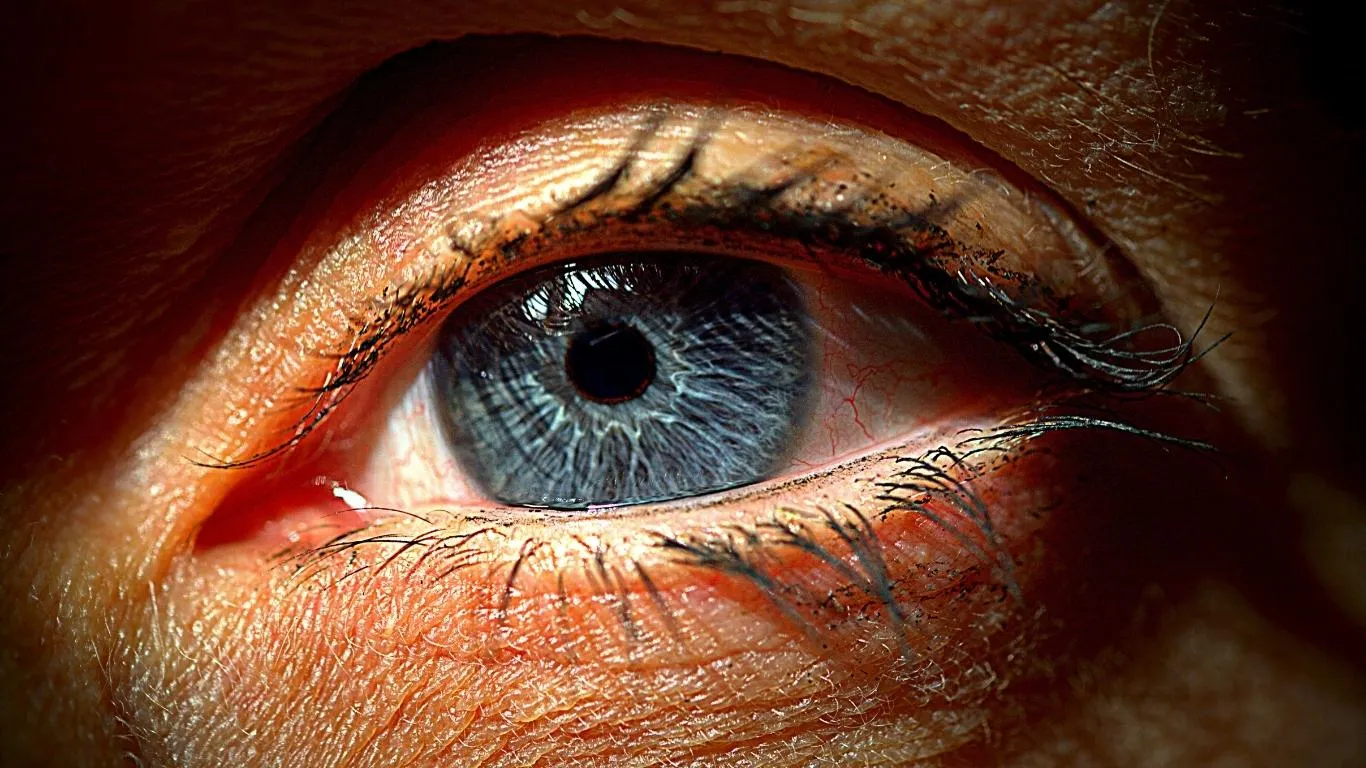
Eye floaters are those shadowy shapes that drift around in your field of vision — dots, threads, cobwebs, or squiggly lines. They’re not dangerous on their own, but they can be annoying. Floaters are usually bits of collagen floating in the vitreous — the gel-like substance that fills the eye. When light enters your eye, these particles cast shadows on the retina, which you perceive as floaters.
Now, they’re incredibly common as we age — but what about all that screen time? That’s where things get tricky. There’s a growing concern that digital lifestyles could be making floaters more noticeable, or even exacerbating them.
How Screen Time Affects the Eyes
Let’s start with something relatable: screen fatigue. You know the feeling — dry eyes, blurred vision, maybe even a dull headache by 5 p.m. That’s classic Digital Eye Strain, and while it’s different from floaters, the constant tension and reduced blinking can mess with your ocular health in subtle ways.
Prolonged screen exposure reduces blink rate dramatically — sometimes by more than 60%. Less blinking means your tear film dries out, and the eye’s surface becomes irritated. While this doesn’t cause floaters directly, eye specialists believe that chronic eye fatigue can heighten your awareness of floaters already present. Basically, screens don’t create floaters out of thin air — they just make sure you notice them more.
Brightness, Contrast & Peripheral Vision
Ever noticed how floaters are super visible when looking at a white screen or bright background? That’s because they show up most clearly when light enters your eye uniformly — like from a glowing monitor or white document. High screen brightness and contrast enhance this visibility, especially in low ambient lighting.
Peripheral vision gets ignored during screen use, too. We’re constantly staring straight ahead, which means floaters in central vision become more distracting. This isn’t just anecdotal — ophthalmologists see a surge in floater-related complaints from people in screen-heavy jobs.
Are Floaters Getting Worse with More Screen Use?
Here’s where personal experience kicks in. I noticed my floaters were way more distracting after working long hours, especially with backlit screens. A few times, I even thought I was developing new ones — turns out, I was just hyper-aware of the existing ones.
Still, some floaters may genuinely increase with prolonged screen dependency. It’s not the screens themselves, but rather the indirect damage: poor sleep, less eye movement, poor posture, and inadequate hydration. All of these can affect eye health over time.
There’s also evidence linking poor sleep and floaters, and we all know screen time before bed doesn’t help. It messes with melatonin, delays REM cycles, and encourages poor blinking habits.
How to Know If It’s Serious
If your floaters suddenly increase in number, or if they’re accompanied by light flashes or vision loss, it’s time to act. These could be signs of retinal detachment — something that needs immediate medical attention.
There’s also a whole range of conditions that can influence floaters, like diabetes, high blood pressure, and eye inflammation like uveitis. So don’t just blame your screen — sometimes it’s a deeper health issue.
Practical Ways to Reduce Floater Discomfort From Screens
- Use dark mode: It may reduce the contrast that makes floaters visible.
- Adjust brightness: Keep your screen brightness in line with ambient lighting.
- Apply 20-20-20 Rule: Every 20 minutes, look at something 20 feet away for 20 seconds.
- Stay hydrated: Dehydration can mess with your eye’s internal fluids. It’s been linked to worse floater symptoms.
- Regular eye exams: Rule out underlying problems early. Especially if you’re noticing floaters often.
For a deeper dive into the causes and treatments of floaters, this comprehensive guide on common causes is worth bookmarking. And if you’re serious about understanding the full scope, don’t miss this main eye floater article here — it covers everything from medical insight to treatment options.
What Eye Doctors Are Seeing in the Digital Age
I had the chance to chat with my optometrist about my floaters (because yes, they started to become a real distraction). Interestingly, she said more patients are showing up worried about floaters — not necessarily because they’re increasing in number, but because they’re noticing them more. And guess what? Almost all of them work with screens daily.
Floaters have always existed, but now that we spend so much time with our eyes locked into high-contrast environments (like bright monitors or white screens), the visibility of these tiny shadows has gone up significantly. As one article points out, screen environments are practically tailor-made to highlight floaters — especially against white documents, spreadsheets, or even reading apps with bright themes.
Another interesting point? Many people unknowingly develop bad blinking habits while working, which dries out the eye. Combine that with poor lighting and you’ve got a recipe for ocular stress. So, while screen time might not directly cause floaters, the digital lifestyle we lead certainly amplifies their impact.
Can Screens Lead to Long-Term Vision Damage?
This is a fair concern. If you’re like me — someone who used to scoff at “screen health warnings” — the idea of long-term eye trouble seemed exaggerated. But turns out, there’s more to it.
Chronic screen use can trigger conditions that may indirectly worsen floaters or even put your retina at risk. Think about all the times you’ve worked in the dark, stared too close, or ignored eye fatigue. That’s not just strain — that’s neglect over time.
In some cases, excessive digital strain has been linked to retinal stress, especially in those already dealing with high myopia. There’s also the potential for digital lifestyle issues to worsen underlying conditions like hypertension or blood sugar spikes — both of which have been associated with eye floaters.
It might sound dramatic, but this kind of indirect damage is exactly why ophthalmologists emphasize holistic eye care — because floaters are often the first sign of something deeper going on.
Are Certain People More At Risk?
Absolutely. If you have a family history of vitreous or retinal issues, or if you’ve been diagnosed with something like Ehlers-Danlos syndrome, the effects of prolonged screen time could be more significant.
People recovering from eye surgeries — like LASIK or PRK — should also be cautious. As noted in this breakdown on post-surgical floaters, any structural changes in the eye could increase susceptibility to floaters when exposed to harsh visual environments, like backlit screens and blue light glare.
Tips That Actually Help (That I Use Personally)

Here are some things I’ve personally adopted that made a real difference — not just to my floaters, but overall eye comfort.
- Switch to amber lighting at night: Blue light filters help, but full-spectrum amber light in the room made screens less harsh for me.
- Get serious about blinking: Sounds silly, but every 5 minutes, I consciously blink slowly 10 times. It keeps my tear film stable.
- Hydration + omega-3s: I didn’t expect this to work, but adding more water and healthy fats really improved eye moisture and floaters’ visibility.
- Use anti-reflective glasses: Especially important if you’re on multiple screens. Reduced glare = less fatigue.
- Routine eye stretches: Move your eyes side to side, up and down — this helps circulate fluid and reduce stagnation inside the eye.
It’s also wise to take stock of other health conditions. If you’re dealing with something systemic, like chronic smoking or vascular issues, talk to your doctor about how it might be playing into your floater situation.
When Should You Actually See a Specialist?
If floaters are suddenly everywhere, or if they come with light flashes, dark curtains, or blurred central vision, don’t wait. These can be signs of posterior vitreous detachment (PVD) or a retinal tear.
I was lucky mine were just regular, age-related floaters and not something more serious. But taking that step to see a retina specialist gave me peace of mind I couldn’t get from Reddit threads or YouTube tips.
If you’re unsure whether your floaters are normal, or if you’re starting to see more of them after long screen sessions, it’s better to get checked — not because you’re overreacting, but because your eyes are worth it.
Closing Thoughts: It’s Not Just About Floaters

Floaters might seem minor compared to things like cataracts or glaucoma, but they have a sneaky way of affecting your day-to-day quality of life. Especially when your world is lit by pixels.
If there’s one takeaway here, it’s this: floaters are often just a symptom — a whisper from your eyes that something’s off. It could be overuse, poor lighting, bad sleep, or a deeper health concern. Don’t just write them off as “annoying.” Respect them, track them, and give your eyes the care they deserve.
Need more info on ways to manage floaters or reduce symptoms naturally? Check out this popular guide on natural strategies backed by science (and some myths debunked). And of course, for a full breakdown of causes, symptoms, and treatment options, visit the main eye floaters overview here.

Camellia Wulansari is a dedicated Medical Assistant at a local clinic and a passionate health writer at Healthusias.com. With years of hands-on experience in patient care and a deep interest in preventive medicine, she bridges the gap between clinical knowledge and accessible health information. Camellia specializes in writing about digestive health, chronic conditions like GERD and hypertension, respiratory issues, and autoimmune diseases, aiming to empower readers with practical, easy-to-understand insights. When she’s not assisting patients or writing, you’ll find her enjoying quiet mornings with coffee and a medical journal in hand—or jamming to her favorite metal band, Lamb of God.