Key Differences Between Floaters And Retinal Detachment You Must Know
If you’ve ever noticed tiny shadows or specks drifting across your vision, you’re definitely not alone. I first experienced it while reading late at night—suddenly, these translucent blobs showed up like ghostly jellyfish swimming across my line of sight. I blinked, rubbed my eyes, but they didn’t budge. That moment freaked me out. Naturally, my mind jumped to something serious—like retinal detachment. But was it really? The truth is, while floaters and retinal detachment are two very different things, the symptoms can feel alarmingly similar at first. Understanding the difference between floaters and retinal detachment is essential—not just for peace of mind, but to protect your vision in the long run.
What Are Eye Floaters, Really?
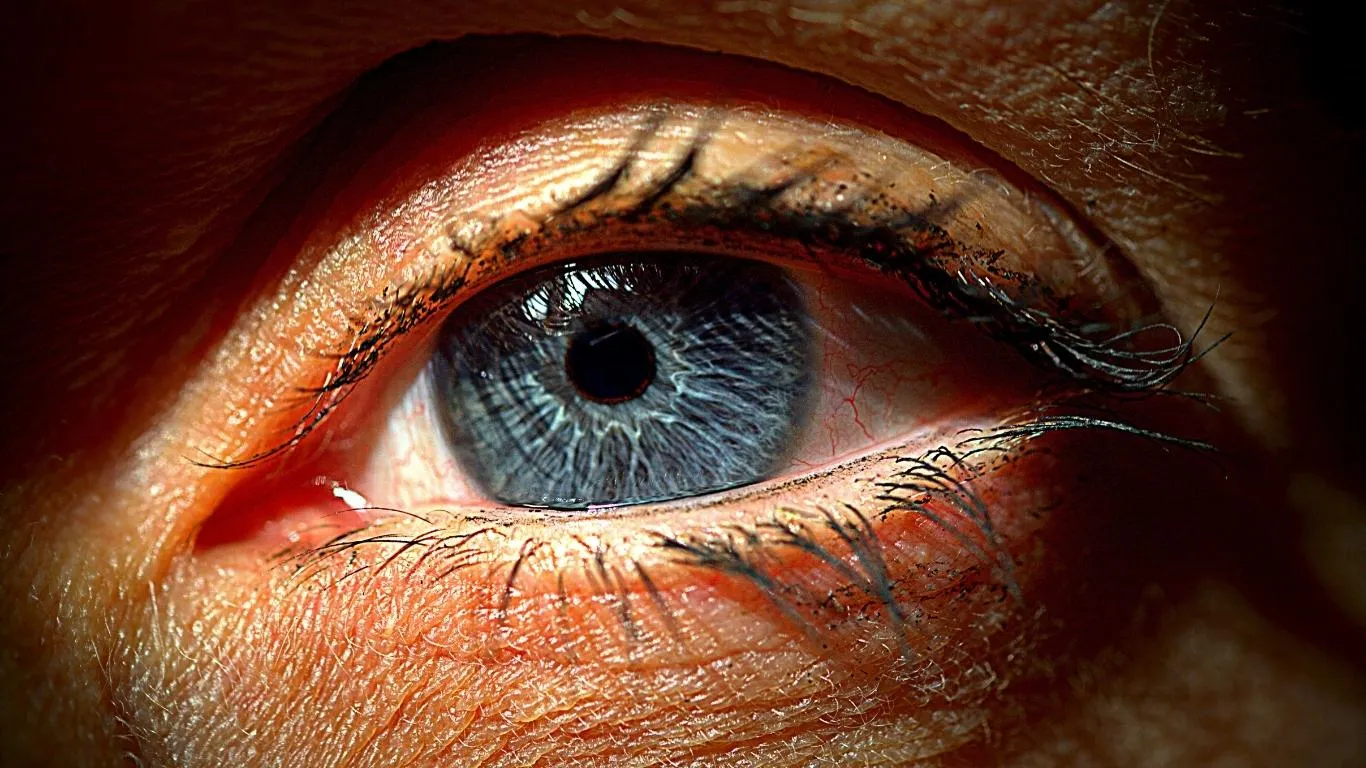
Floaters are incredibly common—especially as we get older. They’re those squiggly, cloudy spots or strands you might see when staring at a bright sky or a blank screen. From what I learned (the hard way), they’re actually tiny clumps or strands of collagen that drift within the vitreous gel inside your eye.
While annoying, most floaters are harmless. They usually develop as part of the natural aging process. The gel in your eye starts to shrink and pull away, leaving behind these microscopic fibers that cast shadows on your retina.
Common Floaters Symptoms
- Transparent or grayish specks that move with your eye
- Web-like or stringy shapes drifting in vision
- More noticeable against bright backgrounds
When Floaters Are a Red Flag
Now here’s the kicker—floaters alone aren’t usually dangerous. But when they show up suddenly, in great numbers, or with flashes of light, that could be something else entirely. That’s when you have to consider a more urgent issue like a retinal tear or detachment.
What Exactly Is Retinal Detachment?
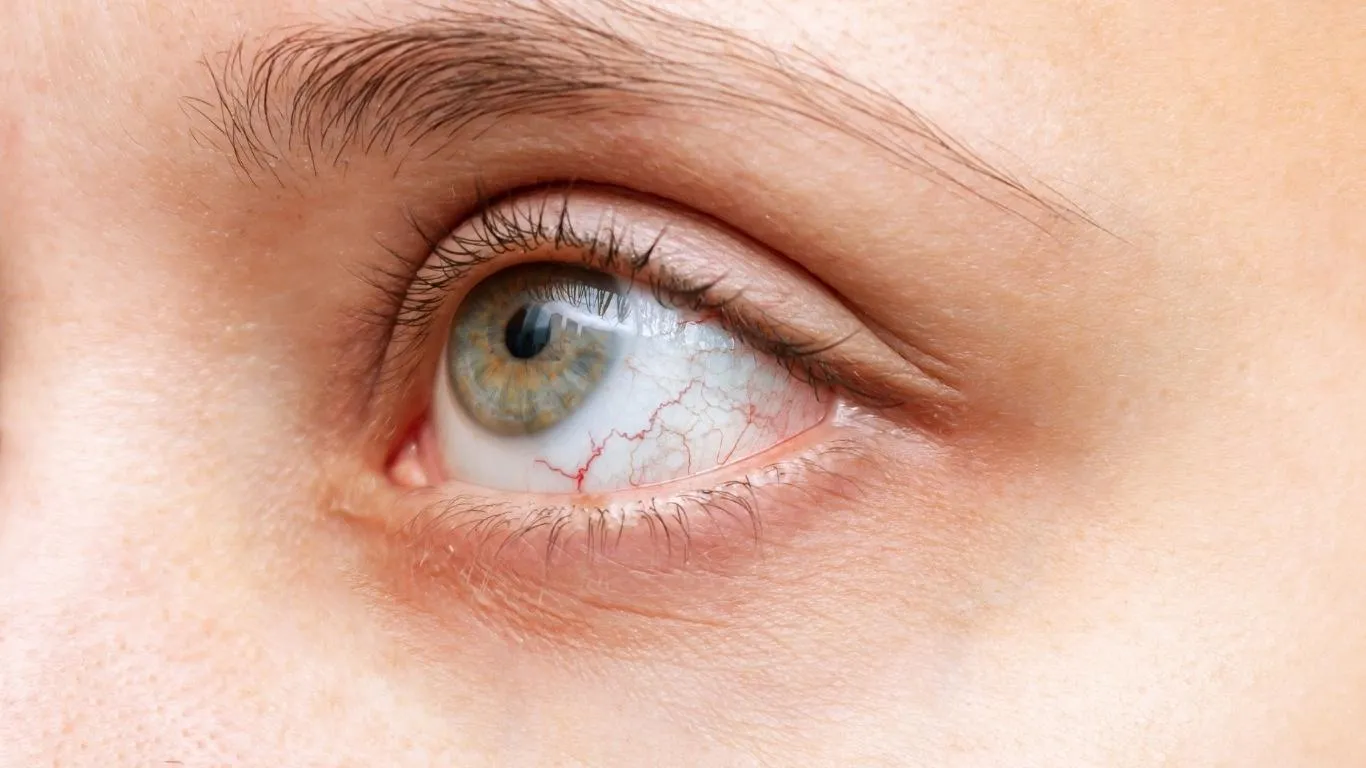
Retinal detachment is a medical emergency. It’s when the retina—the light-sensitive tissue at the back of your eye—pulls away from its normal position. Think of it like wallpaper peeling off the wall. Without immediate treatment, it can lead to permanent vision loss. Not to sound dramatic, but yes, it’s that serious.
Symptoms of Retinal Detachment
- Sudden burst of floaters (often black or dark)
- Flashes of light—like camera flashes in your peripheral vision
- A dark curtain or shadow creeping across your vision
- Blurred or distorted sight
I met someone during an eye clinic visit who said he ignored those “flashes” and thought it was just aging. Within a week, he lost vision in one eye due to a detached retina. It’s stories like that which underline why knowing the real difference matters.
So…What’s the Actual Difference Between Floaters and Retinal Detachment?
While both conditions involve your vision and may overlap in symptoms, they’re very different in cause, severity, and urgency:
- Floaters: Caused by aging changes in the vitreous, mostly benign.
- Retinal Detachment: Often follows a tear in the retina, potentially blinding.
Floaters float around and move when your eye moves. Detachment symptoms don’t float—they stick and often spread. One easy way I personally remember this: if something’s just floating by and then disappears, it’s probably floaters. But if something is creeping across your vision and staying put—it’s time to see a doctor.
Risk Factors to Watch For
Who’s More Likely to Experience Floaters?
- Aging adults (over 50)
- Nearsighted individuals
- People who’ve had cataract surgery
More details on this here: why floaters are common in older adults and floaters after cataract surgery.
Who’s at Risk for Retinal Detachment?
- Those with previous eye injury
- Family history of detachment
- Advanced diabetes
- Extreme nearsightedness (myopia)
For example, sports injuries and diabetes-related floaters are risk indicators that shouldn’t be ignored.
When Should You Take Floaters Seriously?
Look, I’ve had floaters for years now—and most of the time, they’re just a nuisance. But here’s when you really shouldn’t brush them off:
- Sudden increase in number of floaters
- Floaters accompanied by light flashes
- Seeing a curtain-like shadow
Any of these could mean your retina is in trouble. In those cases, don’t wait. Make an appointment with an ophthalmologist immediately.
Want a deeper dive into symptoms? Check out this resource on eye floater symptoms you shouldn’t ignore.
Why Misdiagnosis Happens So Often
Let’s be honest, the average person (like me) doesn’t know how to tell the difference between floaters and retinal detachment. Even some GPs might miss early warning signs. That’s why regular eye exams and knowing your own visual “baseline” is so important.
Understanding the difference isn’t just trivia—it’s the kind of knowledge that could literally save your sight. That’s why I always refer people to this detailed guide on eye floaters vs other eye problems—it’s packed with helpful comparisons and warning signs.
If you’re looking for a complete breakdown of floaters, including causes, symptoms, and treatment options, I highly recommend this comprehensive article. It’s a good starting point for anyone trying to get answers without freaking out.
How Are Floaters and Retinal Detachment Diagnosed?
When I finally visited an eye doctor about those persistent floaters, I expected a quick flashlight test and a “you’re fine.” Instead, they used these intense dilating drops that made my eyes look like cartoon saucers. Turns out, that dilation is key.
A proper diagnosis usually involves:
- Dilated Eye Exam: This lets the doctor see all the way to the back of your eye and check for retinal tears or detachments.
- Ophthalmoscopy: A bright light and lens are used to inspect the vitreous and retina in detail.
- Optical Coherence Tomography (OCT): Think of it like an MRI for your eye, great for detecting subtle retinal changes.
- Ultrasound: If the view is blocked (due to bleeding or dense floaters), an ultrasound may help spot retinal issues.
Sometimes floaters really are just floaters. But if you’re seeing flashes, shadows, or experience sudden vision changes, even if mild, do not wait it out. There’s an excellent article here on posterior vitreous detachment that covers some of these nuances really well.
Can Floaters Be Treated?

One of the first things I asked after diagnosis was: “Can you get rid of them?” The answer: sometimes. In most cases, floaters don’t require treatment. The brain tends to adapt, and they become less noticeable over time. But if they’re affecting your daily life, there are a few options:
Non-Surgical Management
- Observation: This is the default option. The floaters may settle or become less bothersome over time.
- Supplements: There’s growing buzz around certain vision-supporting supplements that may help slow progression or reduce symptoms.
- Lifestyle Adjustments: Reducing screen time and improving hydration can lessen the visibility of floaters. More on that here.
Surgical Options
For persistent or severe floaters:
- Laser Vitreolysis: A laser breaks up large floaters into smaller, less noticeable fragments. Best for those with very specific floater types.
- Vitrectomy: The vitreous gel is removed and replaced with a clear solution. Highly effective—but carries greater risk.
Honestly, surgery felt like overkill for me. But in severe cases, like when floaters are caused by vitreous hemorrhage, it may be the only route to clarity.
What About Retinal Detachment Treatments?
This is where things get urgent. A detached retina won’t fix itself. Early detection makes a massive difference in outcomes.
Common Retinal Detachment Procedures
- Laser Surgery (Photocoagulation): A laser is used to create scar tissue around a retinal tear to prevent detachment.
- Cryopexy: A freezing probe seals the retina back in place—sounds wild but is often effective.
- Scleral Buckle: A flexible band is placed around the eye to counteract the tug from the vitreous.
- Vitrectomy: Similar to its use in floater surgery, but here it’s used to repair and reattach the retina.
If you ever undergo something like this, recovery involves lying face-down for extended periods to help the retina reattach. It’s no walk in the park, but it saves vision. Learn more about when retinal tears indicate urgent treatment.
Tips to Protect Your Eyes and Prevent Problems
You don’t have to wait for something to go wrong before taking your vision seriously. Here’s what I’ve personally made a habit:
- Get annual dilated eye exams—even if you think your vision is “fine”
- Wear protective gear during sports or risky activities
- Control underlying conditions like diabetes and hypertension
- Stay hydrated—dehydration can worsen floaters
- Limit excessive screen use to reduce visual strain and floater awareness
One thing that helped me is keeping track of changes. If a new floater or flash appears, I jot it down. That way, if things escalate, I can explain exactly when and how it started. Simple habit—potentially life-saving.
Can Lifestyle Actually Make a Difference?
Floaters might not vanish overnight, but your daily habits do matter. I switched to an anti-inflammatory diet, upped my hydration, and surprisingly noticed a drop in floater intensity. There’s some emerging research (like from American Academy of Ophthalmology) supporting the idea that managing oxidative stress can help with floaters and retinal health.
If you’re dealing with persistent floaters post-infection, this guide on post-infection floaters offers solid strategies for regaining clarity.
When to Be Most Concerned
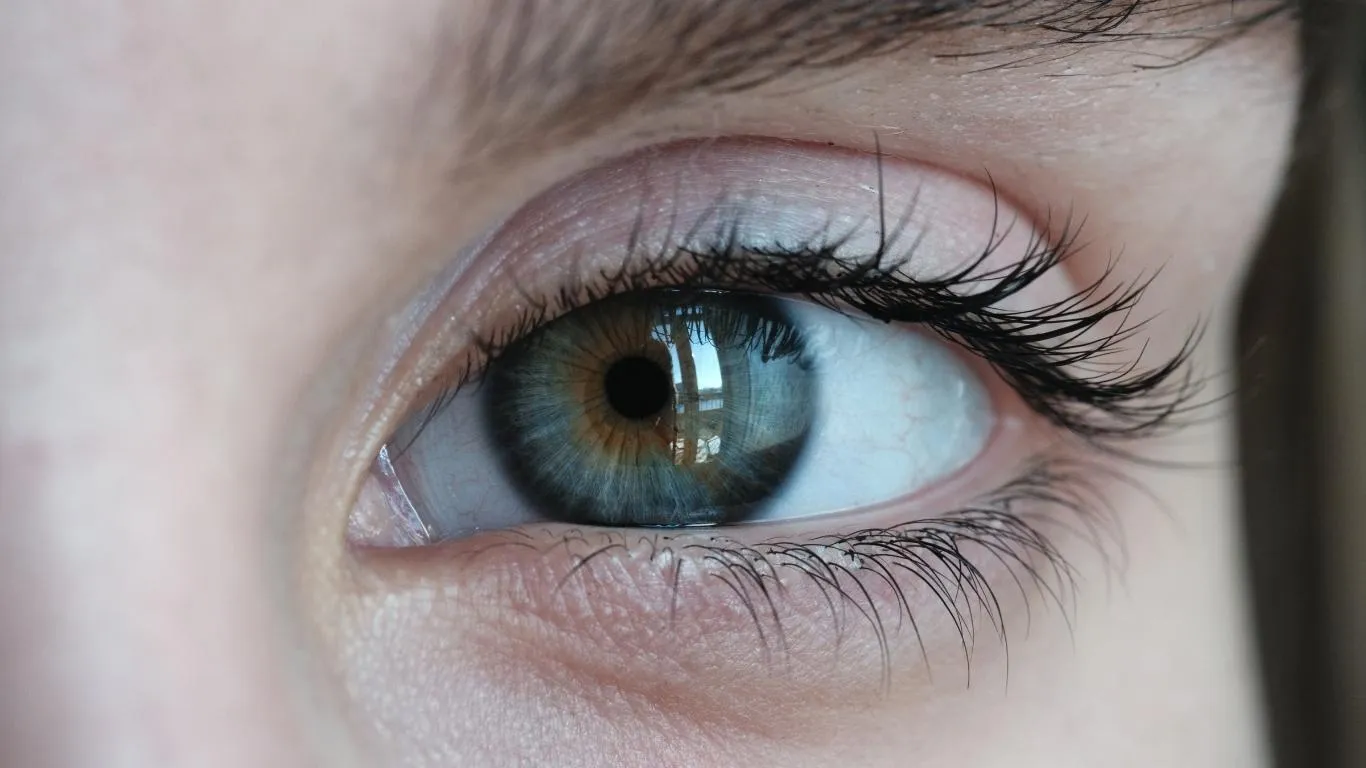
If there’s one takeaway from everything I’ve learned: never ignore changes in your vision. Most floaters are normal, yes—but that sudden “shower” of black dots? That streak of light in the corner of your eye? That creeping shadow? Don’t wait. Don’t second-guess.
If you’re ever unsure, this quick-reference guide on when floaters are dangerous is a solid resource to keep bookmarked.
And if you’re still unsure what’s causing your symptoms—whether it’s just annoying floaters or something more serious—start by reading this full breakdown of common floater causes. It’s a trusted starting point backed by expert review.

Camellia Wulansari is a dedicated Medical Assistant at a local clinic and a passionate health writer at Healthusias.com. With years of hands-on experience in patient care and a deep interest in preventive medicine, she bridges the gap between clinical knowledge and accessible health information. Camellia specializes in writing about digestive health, chronic conditions like GERD and hypertension, respiratory issues, and autoimmune diseases, aiming to empower readers with practical, easy-to-understand insights. When she’s not assisting patients or writing, you’ll find her enjoying quiet mornings with coffee and a medical journal in hand—or jamming to her favorite metal band, Lamb of God.