Panic Attack vs Heart Attack Differences That Could Save Your Life
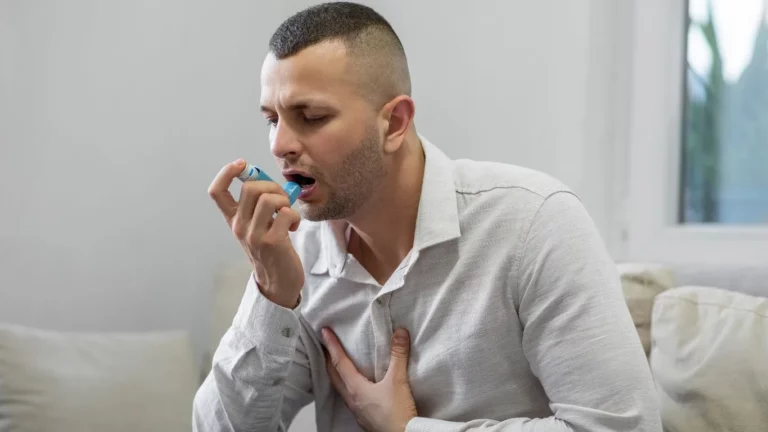
If you’ve ever clutched your chest in sheer panic, unsure whether it’s your heart or your head betraying you, you’re not alone. I’ve had that moment — sweating, dizzy, chest tightening like a vice. I thought, “This is it, a heart attack.” But after a few nerve-wracking ER visits, the truth surprised me. It was panic. The experience felt so real it’s burned into my memory. That’s why understanding the difference between a panic attack and a heart attack is not just helpful — it can be life-changing.
Why It’s So Hard to Tell Them Apart

The truth is, panic attacks and heart attacks share a shocking number of symptoms. It’s no wonder they’re so easy to confuse. Both can cause:
- Chest pain or pressure
- Shortness of breath
- Dizziness or lightheadedness
- Sweating
- Nausea
- A sense of impending doom
And when you’re in the thick of it, your body doesn’t stop to calmly distinguish what’s causing the chaos. That’s where things get scary — and sometimes dangerous if ignored.
Key Physical Differences to Watch For

Chest Pain: Sharp vs Pressure
Heart attack chest pain often feels like a crushing weight or tightness that radiates to your arm, jaw, or back. When I had panic attack chest pain, it felt sharp, localized, and would come and go. But the fear made it feel much worse than it was.
Duration Matters
A heart attack usually gets worse over time and doesn’t let up. A panic attack? It ramps up quickly but fades within 20 to 30 minutes, although it might feel like a lifetime while it’s happening. According to CDC, heart attacks are progressive — and that’s a huge red flag.
Breathing Patterns
Hyperventilation is common with panic attacks. I remember gasping for air, trying to “catch my breath” — which only made things worse. A heart attack, on the other hand, typically causes shortness of breath that worsens with activity and isn’t as panicky.
Other Red Flags
Unlike panic, a heart attack often comes with fatigue, cold sweats, and symptoms that worsen with exertion. You won’t usually feel “better” when you sit down like you might during a panic attack.
What Triggers Panic Attacks (and Why They Feel So Physical)

Panic attacks often appear out of nowhere — at least that’s how they feel. But there’s always a root cause brewing under the surface. Mine started during an intensely stressful work period. I didn’t sleep, drank way too much coffee, and ignored my body’s signals.
Some common triggers include:
- High stress (especially chronic)
- Stimulants like caffeine or certain medications
- Sleep deprivation
- Underlying anxiety disorders
It’s fascinating how anxiety can mimic life-threatening symptoms so convincingly. This article explains just how dangerous the confusion can be. Ignoring either possibility is risky, but overreacting repeatedly can also create a vicious anxiety cycle.
The Role of Mental Health in Physical Symptoms

We love to treat the mind and body as two separate things — but they’re not. When you experience anxiety, your nervous system reacts as if you’re in physical danger. That’s why a panic attack can make you feel like you’re dying.
It wasn’t until I started learning about the neurotransmitter imbalances that contribute to anxiety that things started making sense. The chemicals in our brain shape how we perceive pain, breathlessness, even time. Panic distorts reality because it literally hijacks your brain.
If this resonates, you’ll find this pillar guide on anxiety symptoms incredibly eye-opening — especially the section on how anxiety masks itself as physical illness.
When to Seek Medical Help

Here’s the deal — don’t try to be your own doctor if you’re not 100% sure. If you experience chest pain, always err on the side of caution and seek immediate help. I’ve done the ER trip more than once, and you know what? Every doctor told me the same thing: “It’s better you came in and it’s nothing than stayed home and it wasn’t.”
But once you’ve ruled out heart issues and confirmed it’s panic-related, that’s when lifestyle changes, therapy, and anxiety-specific strategies really shine. Cognitive Behavioral Therapy (CBT) helped me regain control over my symptoms. This guide breaks it down into practical, non-intimidating steps.
If panic attacks are hijacking your routine, you may also want to explore broader tools shared in this therapeutic resource and the core article on how anxiety can quietly control daily life.
How Doctors Tell the Difference

If you’re like me, after that third ER visit, you start wondering, “Why can’t they just tell me right away what it is?” Turns out, it’s not always obvious — even for professionals. That’s why they rely on a mix of tools like:
- Electrocardiograms (ECG) – To detect irregularities or damage in heart rhythm.
- Blood tests – Especially troponin levels, which spike during heart attacks.
- Chest X-rays or echocardiograms – To rule out structural heart issues.
- Symptom timelines – A heart attack worsens with time; panic usually peaks and fades.
But here’s the thing — even after all the tests come back clear, many people walk away without realizing what really happened. That’s why mental health screenings are crucial. I didn’t fully understand it myself until I read how anxiety diagnostic tools like the GAD-7 can offer clarity when your symptoms don’t match your labs.
What Recovery Looks Like When It’s Panic

Let’s be honest — getting an “all-clear” from a cardiologist should feel like a relief. But for many of us, it doesn’t. I left that hospital room confused, still shaking, still not knowing how to stop it from happening again.
That’s where proper panic disorder treatment comes in. These are more than band-aids — they actually change how your brain responds to fear:
Cognitive Behavioral Therapy (CBT)
The gold standard for panic. It helps you reframe catastrophic thinking and teaches your brain not to spiral when symptoms hit. This article explains the process better than most therapists I’ve met.
Medication (When It’s Needed)
SSRIs, SNRIs, or even beta-blockers can help — especially if panic attacks are frequent and debilitating. I was hesitant at first, but SSRIs gave me breathing room to actually engage with therapy.
Breathing + Mindfulness Techniques
Honestly, the simplest breathing techniques were the most underrated tool in my toolkit. I used to roll my eyes at them — until I tried box breathing during a full-blown episode. Game changer. This breakdown is solid and not woo-woo at all.
Preventing Future Episodes

Once I understood what was going on, prevention became my main goal. And here’s where things finally started shifting for me. Panic attacks aren’t just random — they’re a warning sign that your nervous system is fried.
So I took it seriously:
- Cut back on caffeine (that one hurt a little… but worth it)
- Started journaling — especially after learning how it helps from this piece
- Regular exercise — even just 20-minute walks helped
- Prioritized sleep — no screens past 9PM changed everything
I also leaned into small things like magnesium-rich foods and calming teas. Check out this super useful list of magnesium boosters — made a bigger difference than I expected.
Living With the Fear of “What If?”

The hardest part? The “what if” thoughts. Even after dozens of panic attacks, and plenty of reassurance, I still get that creeping dread now and then. What if this time it’s real?
I’ve learned to answer that voice, not silence it. “If it’s real, I’ll get help. If it’s panic, I’ve survived this before.” That self-dialogue — combined with tools from this self-help guide — helped shift everything. The fear didn’t disappear. But it got quieter.
I’ve also stopped trying to “beat” panic like it’s an enemy. Now I treat it like a misunderstood messenger. It’s telling me something’s off, something needs attention. And that mindset change — that’s been the real win.
For more on how panic fits into the wider anxiety picture, the pillar on anxiety disorder types is a great resource.

Camellia Wulansari is a dedicated Medical Assistant at a local clinic and a passionate health writer at Healthusias.com. With years of hands-on experience in patient care and a deep interest in preventive medicine, she bridges the gap between clinical knowledge and accessible health information. Camellia specializes in writing about digestive health, chronic conditions like GERD and hypertension, respiratory issues, and autoimmune diseases, aiming to empower readers with practical, easy-to-understand insights. When she’s not assisting patients or writing, you’ll find her enjoying quiet mornings with coffee and a medical journal in hand—or jamming to her favorite metal band, Lamb of God.