Best Ways To Relieve Pregnancy-Related Back Pain Naturally
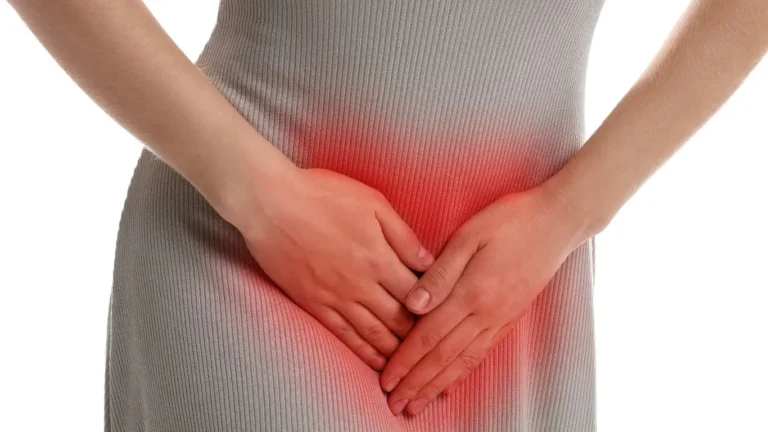
Back pain during pregnancy isn’t just uncomfortable — it can completely throw off your rhythm. I still remember how those final few months felt; getting out of bed felt like a gym session. The lower back tightness, the mid-back throbbing after sitting too long — yeah, been there. It’s not just you, and it’s not just “part of being pregnant.” There are ways to ease it, manage it, and in some cases, even prevent it from getting worse.
Why Pregnancy Triggers Back Pain

Your body goes through a whirlwind of changes during pregnancy, and most of them make your back work overtime. The expanding uterus shifts your center of gravity forward, pulling your lower spine along with it. Add in loosening ligaments, water retention, and shifting posture, and you’ve got a recipe for discomfort. I personally started feeling it during the second trimester — like a slow creep across my lumbar spine every time I stood too long.
Hormones at Work
One of the main culprits? Relaxin. This hormone softens ligaments and joints to prepare your body for childbirth. Unfortunately, it also makes your spine less stable, especially around the pelvic joints.
Weight Gain & Muscle Imbalance
The weight gain during pregnancy adds extra pressure on the spine. It’s normal, of course, but without strengthening your core and back muscles, they’ll struggle to keep up.
- Shifted posture increases lumbar curve
- Core muscles weaken as the belly grows
- Back muscles overcompensate
Practical Tips That Actually Help

There’s no “one fix” when it comes to pregnancy-related back pain, but some things definitely helped me get through the day — and night. The key is to combine little habits consistently. Don’t expect miracles overnight, but if you’re consistent, relief is very possible.
1. Invest in Support — Literally
I can’t overstate how much a good maternity support belt helped. It lifted my belly just enough to reduce the pull on my lower back. Add in a quality lumbar support pillow for your office chair, and you’re already ahead of the game.
2. Sleep Setup Matters
If you’re still trying to sleep on your back — stop. Side sleeping (preferably left side) with a pillow between your knees made a world of difference for me. You can also tuck a small towel or wedge under your belly for extra support.
3. Gentle Prenatal Movement
Daily movement is not optional. I’m not saying go hit the gym, but low-impact movement is essential. My go-to routine involved:
- 10-minute prenatal yoga (Pelvic tilts were my best friend)
- Short walks — even around the house counts
- Cat-Cow stretch every night before bed
If you’re unsure where to start, this guide on exercise and rehab for back pain really breaks it down simply and safely.
What to Avoid (It Makes a Big Difference)

I learned the hard way that what you don’t do is just as important as what you do. A few bad habits had me waking up stiffer than a board until I made some small but essential changes.
- Don’t slouch — especially while sitting. Get your hips higher than your knees.
- Avoid lifting heavy items — and if you must, squat instead of bending at the waist.
- No high heels — flat or low-heel supportive shoes are non-negotiable.
When It’s Time to Call in the Pros

If your pain shoots down one leg or makes walking unbearable, it’s time to talk to your provider. In my case, physical therapy helped realign my pelvis and gave me tools I still use post-pregnancy. Some women benefit from chiropractic care, massage therapy, or even acupuncture.
There’s a great breakdown of how different populations, including pregnant women, experience back pain — a helpful read if you’re navigating this for the first time.
Safe Complementary Approaches
- Warm compresses — especially before bedtime
- Massage therapy from a prenatal-certified specialist
- Acupuncture — with a provider experienced in pregnancy care
Diet and Lifestyle Tweaks

Nutrition plays a surprising role in managing inflammation and pain levels. Staying hydrated, eating anti-inflammatory foods (like leafy greens, berries, and omega-3s), and getting enough magnesium can all make a noticeable difference. I started including spinach in my smoothies and noticed my muscle tension ease up a bit.
This guide to back pain, lifestyle, and diet explores these factors deeper — highly recommend giving it a read.
And for a complete view of the topic, here’s the core resource you’ll want to bookmark: Back Pain – Main Pillar Overview.
Postural Fixes That Work Without Extra Effort

Let’s talk posture — probably the most underrated tool for pregnancy-related back pain relief. What helped me the most was simply becoming aware of how I carried myself. You don’t need to walk around like you’re balancing books on your head, but paying attention pays off.
Start with Standing
Stand tall, shoulders relaxed, and think of lengthening your spine instead of arching your lower back. If you tend to lock your knees or push your belly forward (I sure did), that adds extra pressure on your lumbar region.
Make Sitting Work for You
One tip I got from a prenatal PT: roll up a small towel and place it at the base of your spine when you sit. It helps maintain the natural lumbar curve and reduces strain. I started doing this in the car and during Netflix binges — total game changer.
Safe Stretches for Real-Time Relief

You don’t have to go full yoga mode. Just a few gentle, consistent stretches can ease the tension. The trick is doing them daily and breathing into the movement. No bouncing, no forcing.
My Daily Go-Tos:
- Child’s Pose (modified with knees wide apart)
- Pelvic Tilts — lying on your back or against a wall
- Seated forward bend with knees apart
Pair those with this excellent guide to conservative treatment options for back pain — it helped me fine-tune what was safe and effective.
Don’t Ignore the Mental Load

Something that doesn’t get talked about enough is how mental stress tightens up your body — literally. I noticed my back pain flared up more during anxious days or after long crying sessions (hello, hormones). There’s actually a real mind-body connection.
Practices like guided meditation, breathing exercises, and even a bit of journaling helped me process the physical and emotional load. It’s okay to acknowledge how hard this is — and how strong you are for getting through it.
The role of stress and emotional well-being in physical pain is covered deeply in this article on the mental side of back pain. It gave me a whole new perspective.
Pregnancy-Safe Ergonomic Fixes

We tend to overlook how our setup at home or work contributes to back strain. I was working from a laptop on the couch for weeks before realizing it was wrecking my posture. Small changes made a huge difference.
Try These Easy Fixes:
- Raise your screen to eye level
- Keep both feet flat on the floor
- Use a footrest or stacked books if your feet dangle
- Break up sitting time every 30 minutes — even just standing helps
You’ll find even more smart, low-effort ideas in the ergonomics section of this guide on posture and rehab.
Traveling While Pregnant? Do This

Whether it’s a short ride to the clinic or a weekend road trip, traveling during pregnancy can mess with your back. I took one 4-hour car ride at 30 weeks and felt it for days after. Don’t wing it — plan ahead.
Here’s What Helped Me:
- Using a lumbar cushion and neck pillow for the car seat
- Taking stretch breaks every hour — yes, even on a plane
- Wearing compression socks to prevent swelling
There’s an excellent overview of occupational and travel-related back care that’s packed with advice tailored for situations just like this.
Nutrition That Supports Your Spine

You’re eating for two — but also healing for two. Supporting your spine nutritionally can go a long way in reducing inflammation, easing muscle tension, and strengthening tissue recovery. I started tweaking my diet in the third trimester and it helped stabilize my energy and reduce stiffness.
Power Nutrients:
- Magnesium – nuts, seeds, spinach, dark chocolate
- Calcium – leafy greens, almonds, dairy or fortified alternatives
- Vitamin D – sun exposure or supplements
- Omega-3s – flaxseed, chia seeds, walnuts
Staying hydrated is key, too. Dehydration makes muscles more prone to cramping and fatigue. A squeeze of lemon in warm water became my daily go-to — way more refreshing than I expected.
Get Professional Help Early (Not Just When It’s Bad)

There’s this idea that back pain during pregnancy is just something to “tough out.” That mindset doesn’t help anyone. Getting assessed early by a prenatal-trained physical therapist was one of the smartest things I did. They gave me a tailored plan and spotted some pelvic alignment issues I’d never have caught on my own.
Even just one session can give you clarity. You deserve to feel supported and pain-free — not just after delivery, but now. And you’ll thank yourself postpartum when you’re lifting a baby 20 times a day without flinching.
To really dive deep into the structure of back pain and how it develops, this page on types and anatomy of back pain is gold — especially for understanding what’s going on under the surface.
And for broader context on how it all connects, here’s the main resource: Explore Back Pain – Core Guide.

Camellia Wulansari is a dedicated Medical Assistant at a local clinic and a passionate health writer at Healthusias.com. With years of hands-on experience in patient care and a deep interest in preventive medicine, she bridges the gap between clinical knowledge and accessible health information. Camellia specializes in writing about digestive health, chronic conditions like GERD and hypertension, respiratory issues, and autoimmune diseases, aiming to empower readers with practical, easy-to-understand insights. When she’s not assisting patients or writing, you’ll find her enjoying quiet mornings with coffee and a medical journal in hand—or jamming to her favorite metal band, Lamb of God.