How To Ease Back Pain In Menopause Without Harsh Treatments
Back pain during menopause? Oh yes, it’s real—and if you’re like me, you probably thought it was just another random ache from aging. But no, menopause and back pain have a surprisingly intimate connection. I learned this the hard way during perimenopause when my lower back started staging daily protests. It wasn’t just bad posture or that one intense yoga class—I was unknowingly riding the hormonal rollercoaster that affects muscles, bones, and even how our nerves react. If you’re in that stage of life and suddenly feel like your back has turned into a cranky roommate, you’re far from alone. Let’s unpack this.
What’s Actually Going On with Your Back During Menopause?
The Hormonal Trigger
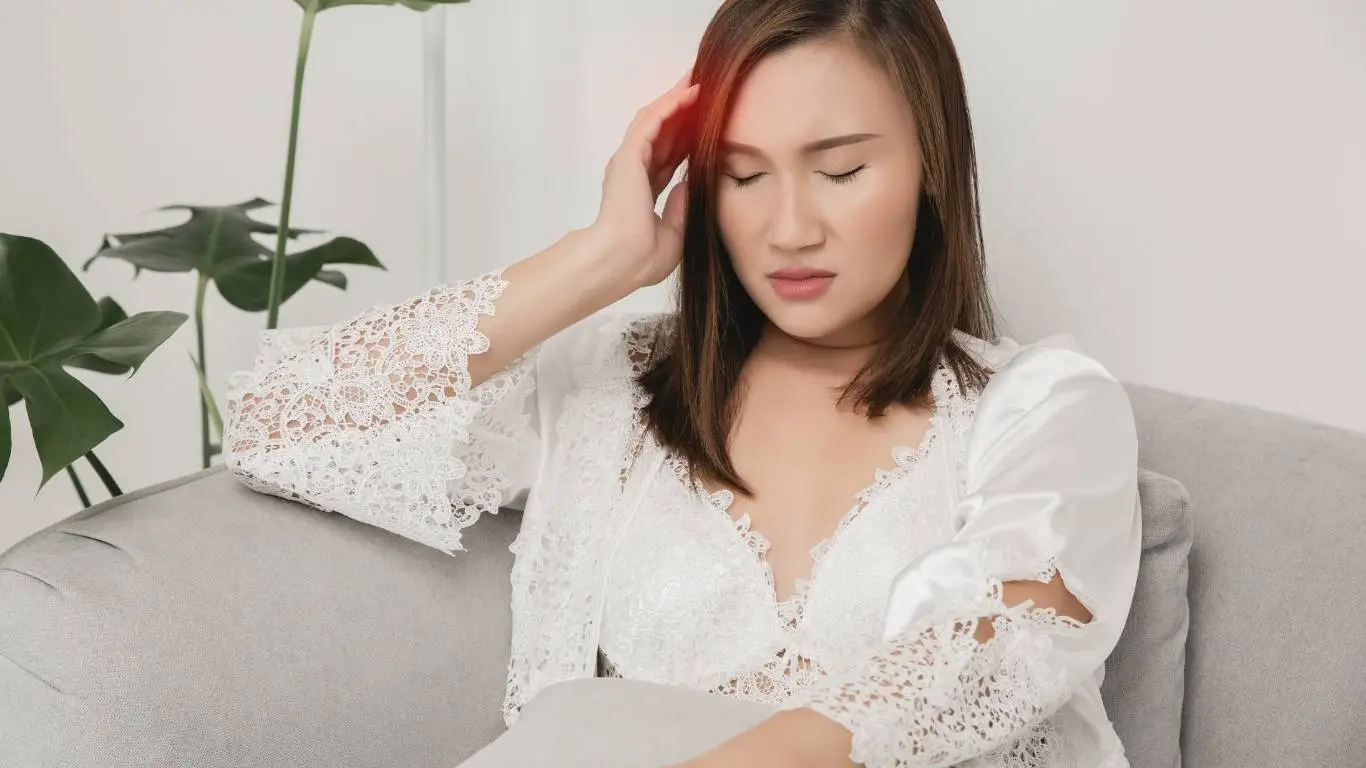
Estrogen isn’t just about reproduction—it’s a full-body VIP. As estrogen declines, which it naturally does during menopause, your body starts shifting. One major change? Reduced estrogen levels can lead to decreased bone density and less collagen in your ligaments and joints. That equals stiffness, reduced flexibility, and—you guessed it—back pain.
The Inflammation Connection
Estrogen has anti-inflammatory properties, so when it drops, inflammation sneaks in more easily. This low-grade, chronic inflammation can irritate nerves and muscles around the spine, leading to persistent back discomfort.
My Experience: Surprise! It Wasn’t a Strained Muscle
I remember spending weeks blaming a creaky office chair, only to find out my spine was feeling the hormonal impact of menopause. A quick trip to a specialist confirmed what I’d already feared: the pain wasn’t from injury, but from internal changes. And just like that, my treatment plan shifted from ice packs to holistic hormone-friendly strategies.
Risk Factors That Turn Minor Aches Into Daily Pain

- Low physical activity: Not moving enough makes muscles weaker, which can increase back strain.
- Weight gain: Common in menopause, it puts extra pressure on your spine.
- Poor posture: Sitting all day? You’re probably leaning forward, compressing the lower back.
- Stress: Cortisol spikes can increase muscle tension, especially in the back and neck.
Genetics Also Play a Role
If your mom had menopausal back pain, there’s a fair chance you will too. Genetics influence bone structure, hormonal patterns, and pain sensitivity—all of which come into play.
Back Pain Patterns Unique to Menopause

- Morning stiffness: You wake up feeling like you aged 20 years overnight.
- Lower back tightness: Often triggered by sitting or standing too long.
- Sharp spasms: Sudden movements cause unexpected, sometimes intense jabs.
- Neck and shoulder tension: Though technically upper back, it’s part of the menopausal package.
Bone Loss and Disc Degeneration
Osteopenia and osteoporosis, both common during and after menopause, weaken the spine’s ability to support your body weight. Add that to natural disc degeneration with age, and it’s a perfect storm for chronic back pain. Learn more about causes of back pain that relate to hormonal shifts.
What You Can Do Right Now

Move Your Body—Smartly
One of the best things I did? I stopped ignoring yoga. Low-impact exercises like Pilates, walking, and stretching routines work wonders for menopausal backs. Plus, they keep joints lubricated and muscles active. Here’s the trick—do just enough, but consistently. No need to sign up for a boot camp.
Reassess Your Ergonomics
Adjust your desk setup, get lumbar support, and stop sitting like a pretzel. Even small shifts in posture can make a difference. I swapped out my old desk chair for an ergonomic one, and within a week, my mid-back thanked me profusely.
Nutrition, Supplements & More
Calcium, Vitamin D, magnesium, and omega-3s all play a role in supporting spinal health. Don’t rely on supplements alone though—your diet matters too. Fatty fish, leafy greens, and nuts became staples in my weekly meals.
Also, explore lifestyle changes and natural remedies that work in tandem with medical advice.
Talk to Your Doctor—Seriously
This isn’t the time to brush off pain as “just part of aging.” Your OB-GYN or general practitioner can check for bone density loss or refer you to a musculoskeletal specialist. If you’re experiencing pain daily, especially alongside other menopause symptoms, it’s worth bringing up.
Menopause Isn’t the End—It’s a New Beginning (For Your Back Too)

You’re not destined to live with back pain just because your hormones decided to do a nosedive. With the right mix of awareness, movement, and support, you can feel strong and stable again. My own back pain story is still unfolding—but now, I feel more in control of it than ever before.
If you’re curious about the broader landscape of back pain treatments and how menopause intersects with them, I recommend checking out the comprehensive overview at Healthusias’ back pain guide. For a deep dive into conservative and natural strategies, this pillar resource is also incredibly helpful.
For additional guidance, visit resources from Mayo Clinic, CDC, and NIAMS.
Managing Back Pain in Menopause: Practical Strategies That Work
Stretching, Mobility, and Movement
I’ll admit, stretching wasn’t my thing. But when my lower back started nagging me 24/7, I gave it another shot—and wow, what a difference. Daily morning stretches became my new ritual. They loosen stiff joints, improve blood flow, and reduce tension around the spine. No need for a full yoga routine; a few simple spinal twists, cat-cow stretches, and hamstring releases can go a long way.
Movement is non-negotiable. Whether it’s a slow walk after dinner or dancing while you do laundry, keeping your body in motion helps ease menopausal back pain and prevent it from becoming chronic.
Build Back-Friendly Strength
Muscle mass naturally declines during menopause, and that includes the muscles supporting your back. Strength training—done safely—is a game-changer. Think resistance bands, bodyweight exercises, and light weights focusing on core, glutes, and postural muscles.
I personally found success with a short, 20-minute home workout I stick to three times a week. Nothing fancy, just consistency. Want to learn more about building a spine-friendly routine? Here’s a great place to start: Back pain rehab and ergonomics guide.
Mind-Body Support: Don’t Underestimate Your Headspace

Stress Makes Pain Worse
Midlife stress—career pressure, caregiving, aging parents—piles on top of hormonal shifts. That stress shows up in your body, particularly your back. Cortisol tightens muscles, heightens pain sensitivity, and messes with sleep. I didn’t believe it until I noticed how much worse my pain felt after a rough work week.
Meditation, journaling, and therapy all helped. Don’t worry if you’re not a “meditation person.” Just spending 10 minutes breathing deeply or sitting in silence can regulate your nervous system.
Sleep Hygiene = Spinal Relief
Menopause often messes with sleep. Add back pain to the mix, and it’s a recipe for exhaustion. Improving my sleep posture made a huge difference—firm pillow between the knees, a lumbar-support cushion, and a consistent bedtime routine. If you’re waking up sore every morning, this might be your fix.
Therapies Worth Exploring

Physical Therapy & Chiropractic
These professionals understand what menopause does to the spine. A few visits to a physical therapist helped me correct posture and activate underused muscles. My chiropractor added gentle adjustments that brought surprising relief. Just make sure they’re familiar with working with menopausal or postmenopausal women.
Massage, Acupuncture, and Alternative Approaches
Massage therapy reduced my muscle tightness and gave me much-needed downtime. Acupuncture surprised me the most—I didn’t expect much, but those tiny needles did wonders for tension and inflammation. It’s not for everyone, but worth trying if traditional routes haven’t worked.
When to Consider Medical Help
Know the Red Flags
Persistent pain that doesn’t improve, shooting pain down the legs, or numbness shouldn’t be ignored. These could signal more serious issues like disc herniation or spinal stenosis—conditions that need professional evaluation.
Don’t downplay your symptoms. Women are often socialized to tolerate discomfort, especially during menopause. You deserve answers, not just “It’s probably hormones.” Here’s a deeper dive on symptoms and diagnosis for different kinds of back pain.
Medication and Hormonal Treatment
For some women, hormone replacement therapy (HRT) helps manage back pain by restoring estrogen levels. It’s not a magic bullet and comes with pros and cons, but it’s an option worth discussing with your doctor. Anti-inflammatories and muscle relaxants can provide short-term relief too—just don’t make them a crutch.
Support Systems and Self-Advocacy
Talk About It—With the Right People
I felt better the moment I started talking to other women dealing with the same thing. Whether it’s online forums, Facebook groups, or just brunch with your girlfriends—validation matters. You’re not imagining things. Menopausal back pain is real, and the more we talk about it, the more normalized and supported we’ll feel.
Be Your Own Advocate
Healthcare still doesn’t fully understand or address menopausal health. Don’t settle for a doctor who waves off your concerns. Show up informed, ask questions, and demand answers. Print out resources, track your symptoms, and push for referrals when needed. You know your body best.
Keep Evolving Your Routine
Menopause isn’t static—it evolves. What works for your back now might need tweaking later. Stay flexible (literally and figuratively). I check in with myself monthly: Is this routine still working? Am I feeling stronger? Less stiff? Don’t be afraid to change course or try something new.
If you haven’t yet, explore the full spectrum of back pain resources on Healthusias. They’ve got a fantastic breakdown of rehabilitation exercises and ergonomics that go deeper into what I’ve only touched on here.
For ongoing support, clinical insights, and updates, trusted sources like Cleveland Clinic, NIH, and NHS are worth bookmarking too.

Camellia Wulansari is a dedicated Medical Assistant at a local clinic and a passionate health writer at Healthusias.com. With years of hands-on experience in patient care and a deep interest in preventive medicine, she bridges the gap between clinical knowledge and accessible health information. Camellia specializes in writing about digestive health, chronic conditions like GERD and hypertension, respiratory issues, and autoimmune diseases, aiming to empower readers with practical, easy-to-understand insights. When she’s not assisting patients or writing, you’ll find her enjoying quiet mornings with coffee and a medical journal in hand—or jamming to her favorite metal band, Lamb of God.