Why Floaters Seem Worse When Tired and How to Reduce Their Impact
Ever notice how those little specks, squiggles, or transparent threads in your vision seem to dance more when you’re tired? I used to brush it off, chalking it up to eye strain after long nights staring at my laptop screen. But when it started happening more frequently — especially after those marathon workdays — I knew something deeper was going on. Let’s get into why floaters seem worse when you’re tired, and what your body (and eyes) might be trying to tell you.
Understanding What Eye Floaters Really Are
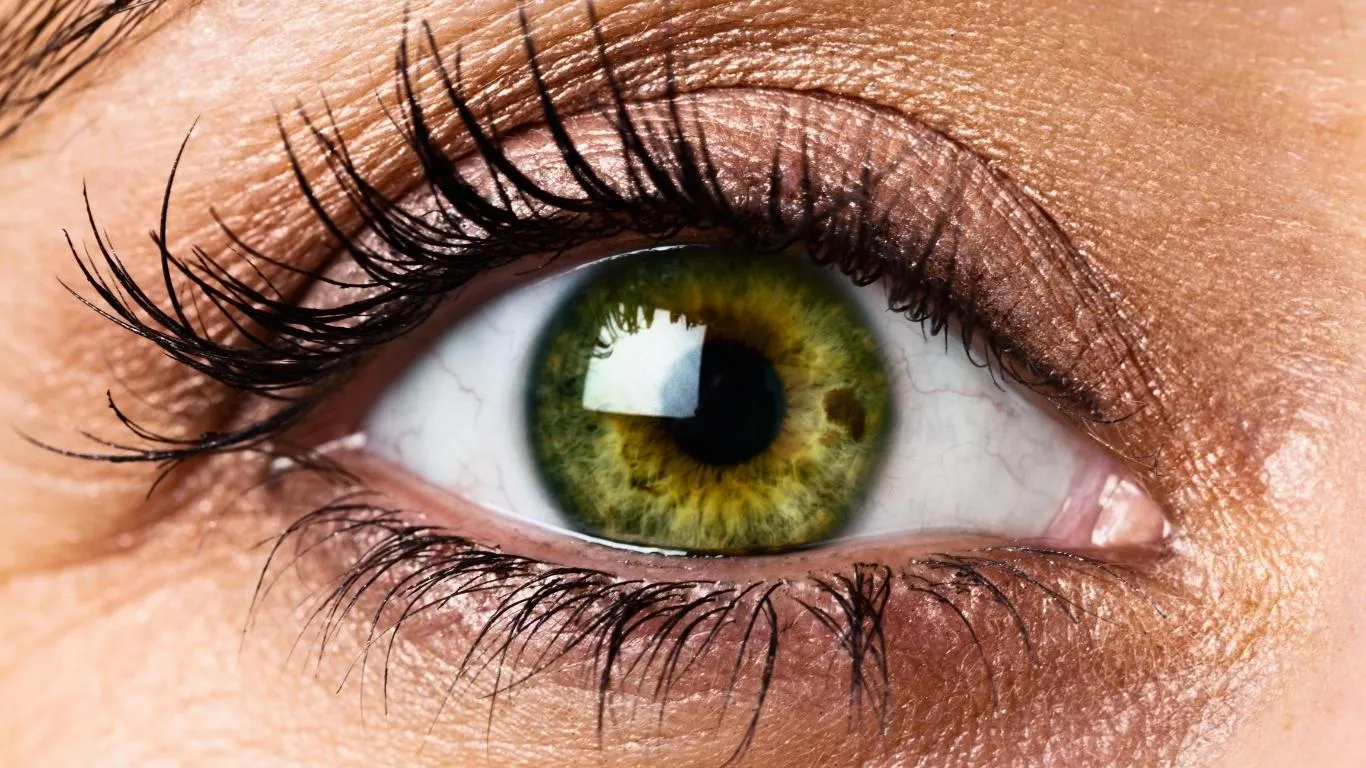
Eye floaters are those weird little shapes that drift across your vision — almost like cobwebs or ghostly shadows. They’re not illusions, but tiny bits of collagen inside your vitreous — the gel-like substance that fills your eye. Over time, as this gel shrinks or changes in consistency, these particles clump together and cast shadows on your retina.
Why They’re More Noticeable When You’re Tired
Here’s what’s fascinating: floaters don’t actually increase just because you’re exhausted — they *appear* worse. It’s all about perception, lighting, and how fatigued your eyes are.
- Reduced Blinking: When you’re tired, especially while using screens, you blink less. This dries out the eye surface, making floaters more prominent against a hazier background.
- Worsened Contrast Sensitivity: Fatigue reduces your ability to differentiate between light and dark — making those tiny shadows more distracting.
- Eye Muscle Strain: After long hours of focusing, the tiny muscles controlling your eye movement can become tired, amplifying awareness of existing floaters.
Is It Just Fatigue or a Deeper Issue?
When I first started digging into this, I honestly wondered if my tiredness was making my vision worse, or if something serious was going on. And I wasn’t wrong to question that. While tiredness *can* exaggerate floaters, some underlying conditions can cause new ones to appear or worsen existing ones.
Conditions like chronic stress, aging-related vitreous changes, or even lack of sleep can accelerate the changes in your vitreous body. When you’re fatigued, especially over extended periods, floaters seem to ‘pop out’ more clearly because your eyes are more sensitive to distractions.
Not All Floaters Are Harmless
While most floaters are harmless and simply annoying, some may signal trouble — especially when they come on suddenly, increase rapidly, or are accompanied by flashes of light. That could point to a posterior vitreous detachment or worse, a retinal tear.
Read more about posterior vitreous detachment to understand when it crosses from benign to potentially vision-threatening.
Sleep Deprivation: The Hidden Culprit
Let’s be real. We all skimp on sleep from time to time. But your eyes need that downtime just as much as the rest of your body. During REM sleep, your eyes move rapidly and fluids are redistributed — this can help reduce inflammation and maintain eye pressure balance.
When you’re sleep-deprived:
- Your eyes become dry and irritated.
- Visual processing slows down, making floaters more ‘in your face.’
- You’re more likely to experience eye inflammation like uveitis, which contributes to floaters.
Interestingly, studies from American Academy of Ophthalmology also link poor sleep with increased visual discomfort — though floaters aren’t dangerous in most cases, they become harder to ignore when your cognitive and sensory functions are drained.
How I Noticed the Change — And What Helped
Honestly, I didn’t always give my eye health the attention it deserved. But once floaters started interfering with my daily reading — especially during evening hours — I tried a few adjustments:
- Blue Light Glasses: These helped reduce strain during long screen sessions.
- Hydration & Nutrition: I began upping my water intake and added omega-3s, zinc, and lutein-rich foods.
- Eye Drops: Lubricating drops made a big difference, especially before bed.
- Screen Breaks: I used the 20-20-20 rule — every 20 minutes, look at something 20 feet away for 20 seconds.
Curious if you’re also experiencing floaters after late-night screen sessions or post-fatigue blur? Check out how screen time could be contributing and what you can do to lessen the impact.
When Should You Actually Worry?
There’s a fine line between typical floaters and warning signs of something more serious. If you’re experiencing any of the following, don’t wait:
- Sudden shower of floaters
- Bright flashes of light in your peripheral vision
- Dark curtain or shadow covering part of your vision
These symptoms could mean a retinal tear or detachment, which needs immediate medical care. Learn more from this reliable medical source on floaters and retina issues.
For a deeper look at floaters and how to spot when they may point to more serious conditions, the guide on when floaters become dangerous breaks it down clearly.
And if you’re seeking a full breakdown on the nature, symptoms, and management of eye floaters, don’t miss the comprehensive article on what causes floaters and how to handle them.
Natural and Practical Ways to Minimize Floaters (Even When You’re Exhausted)
So you’ve figured out that your floaters tend to flare up when you’re tired — now what? Here’s the good news: while there’s no magic cure that makes floaters vanish overnight, there are plenty of practical ways to reduce how noticeable they are. I’ve tested a bunch of these myself after too many blurry-eyed late nights, and trust me — some simple tweaks go a long way.
1. Adjust Your Lighting Environment
Harsh lighting or high contrast environments (think dark rooms with bright screens) make floaters stand out more. I now use soft, warm lighting in the evenings — especially around my workspace — and it’s made a huge difference.
- Use ambient backlighting behind screens
- Try warm lightbulbs instead of cool whites
- Avoid reading on bright white backgrounds before bed
If your floaters are more noticeable in certain environments, this is one of the easiest changes you can make immediately.
2. Eye-Friendly Nutrition That Helps
Diet isn’t just about heart health or weight control — it affects your eyes more than most people realize. After learning how poor nutrition worsens floaters, I revamped my eating habits.
Some essentials to keep in your pantry or plate:
- Omega-3s: Found in salmon, flaxseeds, walnuts
- Lutein & Zeaxanthin: From kale, spinach, and egg yolks
- Vitamin C & E: Oranges, almonds, sunflower seeds
You’d be surprised how much clearer your vision feels after just a few weeks of consistent, nutrient-rich eating.
3. Stay Hydrated — Seriously
I used to underestimate how big of a deal dehydration was until I read about its connection to floaters. Your vitreous is mostly water, and when your body lacks it, your eyes pay the price. I now keep a water bottle within arm’s reach at all times, especially during long work or travel days.
This helpful breakdown on dehydration and floaters helped me realize why staying hydrated is non-negotiable for eye health.
Could Stress and Hormones Be Making It Worse?
Here’s something I didn’t expect: my floaters spiked during a stressful few weeks of deadlines and lack of sleep. Turns out, the connection between stress and floaters is more than just anecdotal.
When stress builds, it increases cortisol — which can contribute to inflammation throughout the body, including the eyes. Add hormonal changes into the mix (especially after 40), and things can get worse. If you’re wondering why this shift hits harder with age, check this out: floaters and vision changes after 40.
Hormones + Exhaustion = Floaters on Overdrive
Women going through perimenopause or menopause often notice floaters getting worse — and exhaustion just amplifies that. Learn more in this in-depth look at floaters post-menopause.
What If You’ve Tried Everything and They’re Still a Problem?
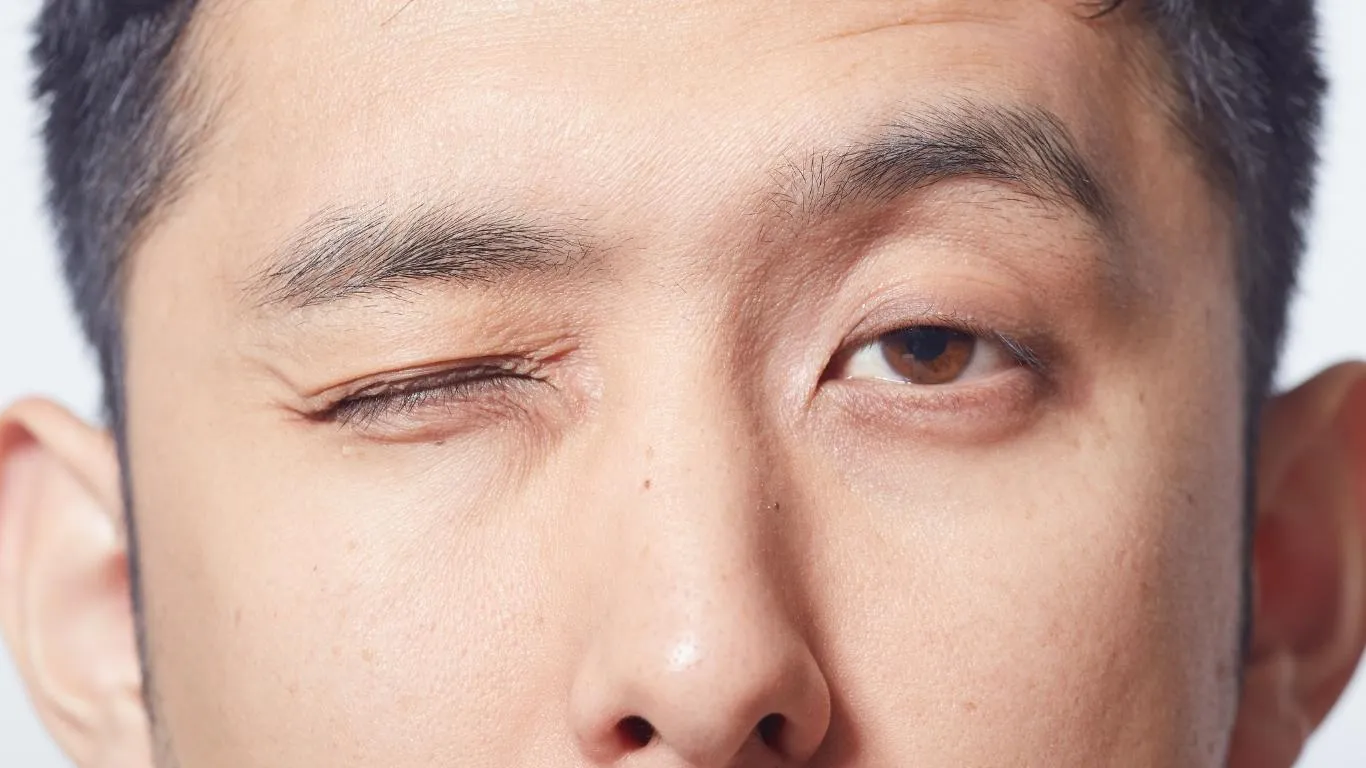
It’s okay to feel frustrated. I did. Sometimes you do all the right things — eat well, rest up, hydrate — and the floaters are still there, floating around like they own your eyeballs. That’s when you may want to talk to a specialist.
In rare but persistent cases, treatment might be an option. From vitrectomy surgery to laser therapy, there are paths for people whose floaters seriously disrupt daily life. These are not casual treatments, though — they’re typically reserved for more severe cases, and most ophthalmologists will recommend observing floaters rather than removing them unless your vision is significantly affected.
Don’t Wait Too Long to Get Checked
One thing I learned the hard way: floaters can be a warning sign. I waited longer than I should’ve before seeing a doctor — thinking it was all just stress and sleep. But if I had developed a retinal tear or something worse, that delay could’ve cost me my vision.
Any combination of new floaters, flashes, or vision loss? Don’t gamble — check out this essential guide on when floaters are a red flag.
Want the Full Picture on Floaters?
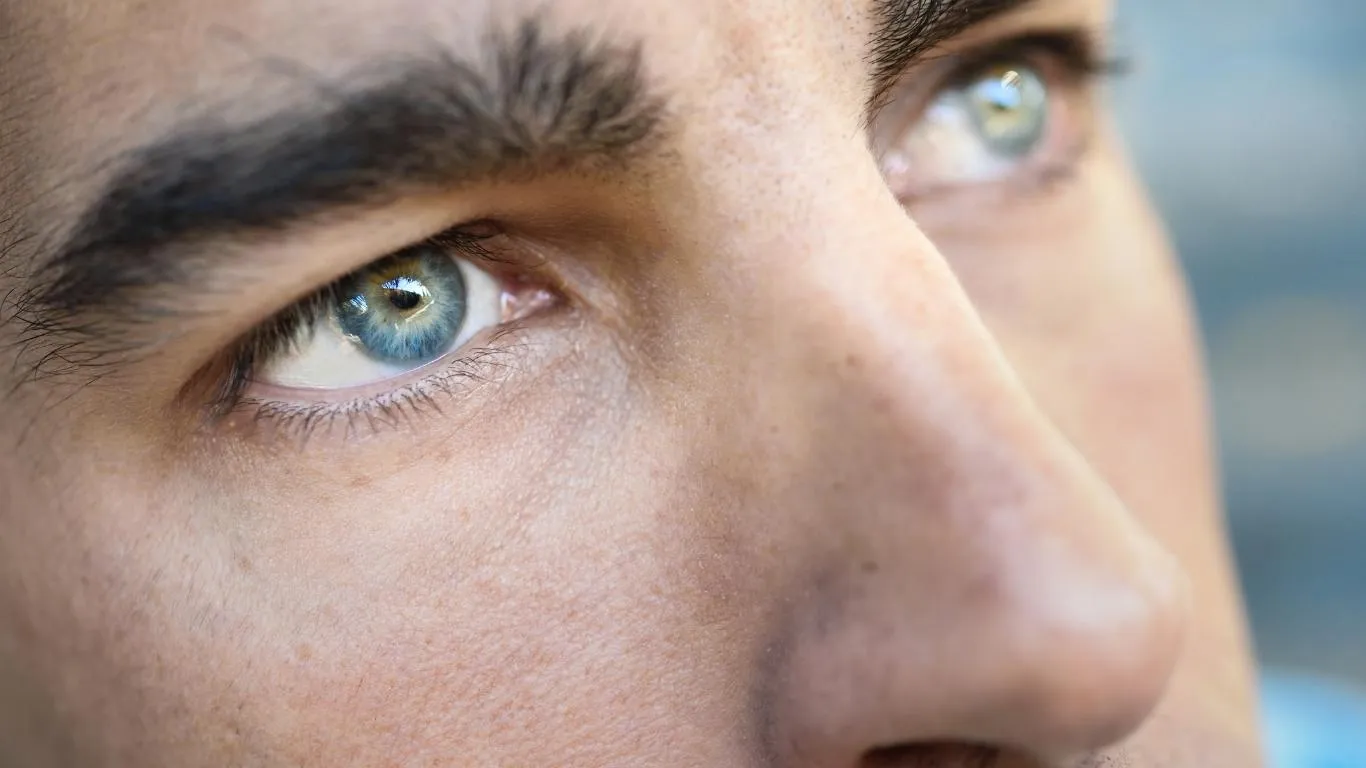
Still have questions swirling around like those floaters in your sightline? You’ll want to dive deeper into the core guide that covers all the foundational causes, types, symptoms, and real-world solutions. This article on common causes of eye floaters lays it all out — from aging changes to eye trauma, and everything in between.
Or go straight to the master resource that ties it all together: Eye Floaters: Causes, Symptoms, and Treatment Options.

Camellia Wulansari is a dedicated Medical Assistant at a local clinic and a passionate health writer at Healthusias.com. With years of hands-on experience in patient care and a deep interest in preventive medicine, she bridges the gap between clinical knowledge and accessible health information. Camellia specializes in writing about digestive health, chronic conditions like GERD and hypertension, respiratory issues, and autoimmune diseases, aiming to empower readers with practical, easy-to-understand insights. When she’s not assisting patients or writing, you’ll find her enjoying quiet mornings with coffee and a medical journal in hand—or jamming to her favorite metal band, Lamb of God.