How To Overcome Dental Anxiety And Feel Confident At The Dentist
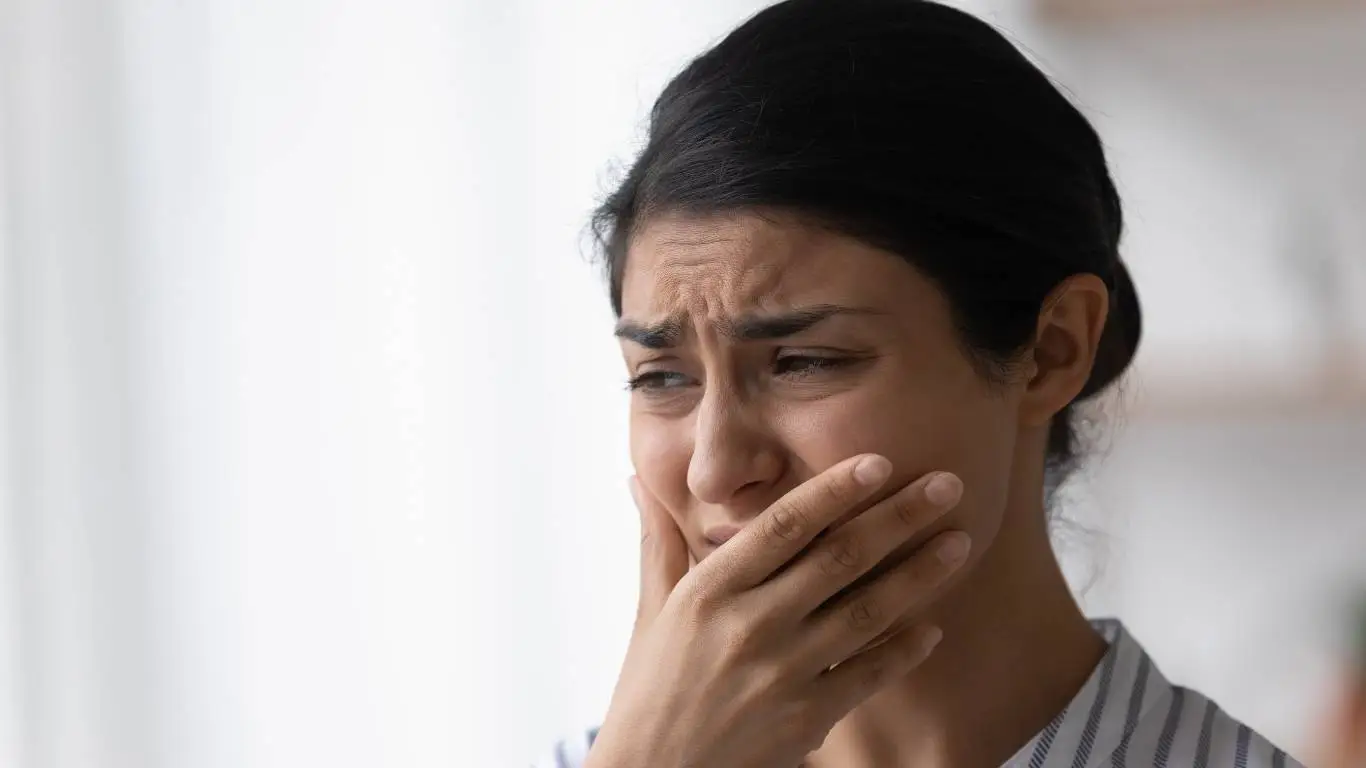
I used to avoid dental visits like the plague. Even a simple check-up would send my heart racing, palms sweating, and thoughts spiraling out of control. If you’ve ever sat in that waiting room with a dry mouth and a knot in your stomach, you’re definitely not alone. Dental anxiety isn’t just “nerves” — it’s real, intense, and often rooted in deeper fears. But the good news? You don’t have to stay stuck in that fear forever.
Why Dental Anxiety Hits So Hard for Some of Us

Dentists get a bad rap, but it’s not about the person — it’s about the experience. For many, dental anxiety stems from:
- Previous traumatic dental experiences — painful procedures, insensitive care, or even childhood memories that just stuck around.
- Loss of control — lying back in a chair, unable to talk or move freely, can trigger a fight-or-flight response.
- Fear of pain — even though modern dentistry is far less painful, the fear of pain still keeps many of us away.
- Embarrassment — about the condition of our teeth, or being judged for not coming in sooner.
This fear can quietly grow into full-blown anxiety, where just thinking about the dentist causes physical symptoms. And when dental care gets delayed because of fear, it becomes a cycle that reinforces itself.
How Dental Anxiety Affects Your Health Beyond the Chair

The problem with dental anxiety isn’t just mental — it’s physical too. Avoiding dental visits can lead to untreated decay, gum disease, infections, and more. And beyond oral health, there’s a strong link between chronic anxiety and your overall well-being.
Unchecked dental problems can contribute to heart disease, diabetes, and inflammation throughout the body. Worse, if you’re already dealing with anxiety in other areas of your life, dental fear adds one more layer of stress you didn’t need.
Signs That Dental Anxiety Is Affecting You More Than You Think

Think dental anxiety only hits when you’re in the chair? Think again. It can show up in subtle, sneaky ways too:
- Canceling appointments last minute (even ones you booked months ago)
- Making excuses like “I’m too busy” or “I’ll go next month” — again and again
- Loss of sleep the night before your appointment
- Increased anxiety symptoms — racing heart, sweating, nausea — just at the thought of dental work
Sound familiar? These are strong clues that your fear of the dentist is more than a passing discomfort. And if left untreated, it can spiral into avoidance that creates bigger health issues down the line.
My Journey from Fearful Avoider to Confident Patient

I won’t lie — it wasn’t easy. The first step was just acknowledging that my fear was real and valid. Once I stopped blaming myself for being “dramatic” or “irrational,” things started shifting. I started using breathing exercises before appointments. I even found journaling about my anxiety helped me process it in a safer space.
Eventually, I worked with a dentist who understood dental anxiety — not just tolerated it. That made all the difference. Now, I still get a little nervous, but I don’t avoid care anymore. And that shift brought so much peace.
Science-Backed Tools to Manage Dental Anxiety

1. Cognitive Behavioral Therapy (CBT)
This isn’t just for generalized anxiety. CBT can help specifically with dental fears by addressing irrational thoughts and replacing them with more grounded thinking.
2. Guided Breathing & Muscle Relaxation
Even just five minutes before your appointment can calm your nervous system. Learn how to use progressive muscle relaxation techniques and combine them with focused breathing.
3. Medication When Needed
For some, mild sedatives or anti-anxiety meds like Buspirone may help, especially if the fear is severe. Always discuss these options with a healthcare provider, of course.
4. Choose the Right Dentist
This can’t be overstated. Some dental offices specialize in patients with anxiety. Look for those who offer distraction tools (like music or Netflix), explain each step clearly, and most importantly — never shame you for being scared.
Why Facing Your Dental Fears Is Worth It

There’s a unique confidence that comes with overcoming something that once ruled you. When I started tackling my dental anxiety, other areas of my life improved too — public speaking, job interviews, even social anxiety. Why? Because I was no longer letting fear call the shots.
If you’re struggling, don’t wait for your anxiety to magically disappear. It won’t. But you can learn to live with it, work through it, and eventually walk into that dental office with your head held high.
Explore more strategies for managing overwhelming fear in everyday life in our comprehensive therapy and counseling guide and see how anxiety can impact daily functioning if left unchecked.
Small Daily Habits That Quietly Rewire Your Fear Response

You don’t have to wait for your next dental appointment to start healing. In fact, how you manage anxiety between visits is just as important. I found that even tiny habits, done consistently, helped retrain my nervous system.
- Start your day grounded — a 5-minute morning stretch or breathwork session helps calm the default stress response.
- Limit sugar and caffeine — I didn’t realize how much these were fueling my anxiety until I cut back. (Read this if you’re unsure.)
- Hydration matters — even mild dehydration makes anxiety worse. Yes, seriously.
- Journaling fear responses — I started writing down every anxious thought I had about the dentist. Seeing them on paper made them easier to manage and reframe.
- Practice visualization — mentally rehearse a positive dental experience. Sounds odd, but it’s powerful for rewiring fear-based patterns.
The Power of Having the Right Support

I used to think dental anxiety was something I just had to “deal with” on my own. But when I opened up about it — with my dentist, friends, even in therapy — everything changed. Fear thrives in silence. Support takes away its power.
Finding a professional who listens without judgment was huge. And so was connecting with others who understood. Whether it’s group therapy, online communities, or talking to someone close, just knowing you’re not weird or alone is healing in itself.
For some, more structured therapy like DBT (Dialectical Behavior Therapy) or psychodynamic therapy can get to the root of deeper fears. Others might benefit from techniques like EMDR, especially if past trauma is involved.
Non-Talk Solutions That Actually Work

1. Aromatherapy
Scents like lavender and chamomile activate the parasympathetic nervous system — aka, your calming switch. Here’s how to use it effectively before appointments or even at home.
2. Music Therapy
I started bringing headphones to my visits. My own playlist of calming music helped drown out triggering sounds and shift my focus. Science backs this: music therapy has legit anxiety-reducing benefits.
3. Herbal Support
Chamomile tea, valerian root, and passionflower — these aren’t just folk remedies. Some herbal remedies are surprisingly effective, especially when used alongside other methods. But always check for interactions with medications first.
What to Do If Dental Anxiety Feels Unmanageable

If the idea of walking into a dental office makes you physically ill — like you’re going to faint, cry, or run — that’s a clear signal you may need additional help. There’s zero shame in this. In fact, getting help means you’re finally prioritizing yourself.
Options include:
- Pre-visit consultations — talk to your dentist before you ever sit in the chair.
- Virtual therapy options — many therapists now specialize in phobia-specific anxiety. You can even do it from home.
- Working with your physician — if needed, low-dose medications can help take the edge off before and during your visit.
If you’re wondering how to talk to your provider about this, start with honesty: “I have a lot of anxiety around dental visits and I need a little extra patience and understanding today.” You’d be surprised how far that honesty goes.
Why This Isn’t Just About Teeth

This whole journey? It’s not just about getting your teeth cleaned or a cavity filled. It’s about reclaiming control — over your fear, your health, your voice. Dental anxiety is just one piece of a bigger anxiety puzzle that affects your daily life, your relationships, your confidence.
As you start working through this, you’ll probably notice subtle shifts everywhere else too. You may handle daily stress better, speak up more often, or feel less triggered by other fears.
Overcoming dental anxiety gave me something I didn’t expect — pride. The kind that builds slowly, appointment after appointment, as I showed up for myself even when it felt hard. And that’s the kind of healing that sticks.
If you’re on this journey, don’t stop here. Learn more about how different types of anxiety can shape your life — even the quiet ones — by exploring our in-depth guide on anxiety types.

Camellia Wulansari is a dedicated Medical Assistant at a local clinic and a passionate health writer at Healthusias.com. With years of hands-on experience in patient care and a deep interest in preventive medicine, she bridges the gap between clinical knowledge and accessible health information. Camellia specializes in writing about digestive health, chronic conditions like GERD and hypertension, respiratory issues, and autoimmune diseases, aiming to empower readers with practical, easy-to-understand insights. When she’s not assisting patients or writing, you’ll find her enjoying quiet mornings with coffee and a medical journal in hand—or jamming to her favorite metal band, Lamb of God.