Why Floaters After LASIK Eye Surgery Can Be So Frustrating
It happened to me just a few weeks after my LASIK procedure—suddenly, these little specks and squiggly lines started drifting through my vision. At first, I thought it was just dryness or some leftover haze from the surgery. But they didn’t go away. I was seeing floaters. And trust me, if you’ve never noticed them before, once you do, you can’t *unsee* them.
Understanding What Floaters Really Are

Floaters are small, shadowy shapes that appear in your field of vision. Most people describe them as thread-like, cobwebs, or tiny bubbles that move when your eyes do. They’re not just annoying—they’re the result of actual physical changes inside your eye.
In most cases, floaters form when the vitreous—the gel-like substance that fills the back of your eye—begins to liquefy and pull away from the retina. This is a natural part of aging, but certain conditions, including LASIK surgery, can bring them on earlier or make existing floaters more noticeable.
Can LASIK Eye Surgery Trigger Floaters?
If you’re reading this, you’re probably wondering whether your new floaters have anything to do with your recent LASIK. You’re not alone—I had the same question, and so do thousands of others. The answer? Possibly.
While LASIK primarily reshapes the cornea and doesn’t directly affect the retina or vitreous, there’s growing anecdotal and clinical evidence that the procedure *can* sometimes be associated with the sudden appearance or worsening of floaters.
Why Would LASIK Affect the Vitreous?
There are a few theories:
- Intraocular pressure (IOP) fluctuations: During LASIK, your eye is subjected to suction and pressure changes, which might temporarily shift or stress the vitreous body.
- Age and pre-existing conditions: If you’re already in your 30s or 40s, the vitreous may already be loosening. LASIK could simply accelerate a process that was already underway.
- Eye sensitivity: Everyone’s anatomy is different. Some people are more prone to vitreous detachment or floaters even with minor triggers.
If you’ve had LASIK recently and floaters are new or suddenly worse, it’s worth exploring whether this visual change is coincidental—or connected.
Are Floaters After LASIK Permanent?
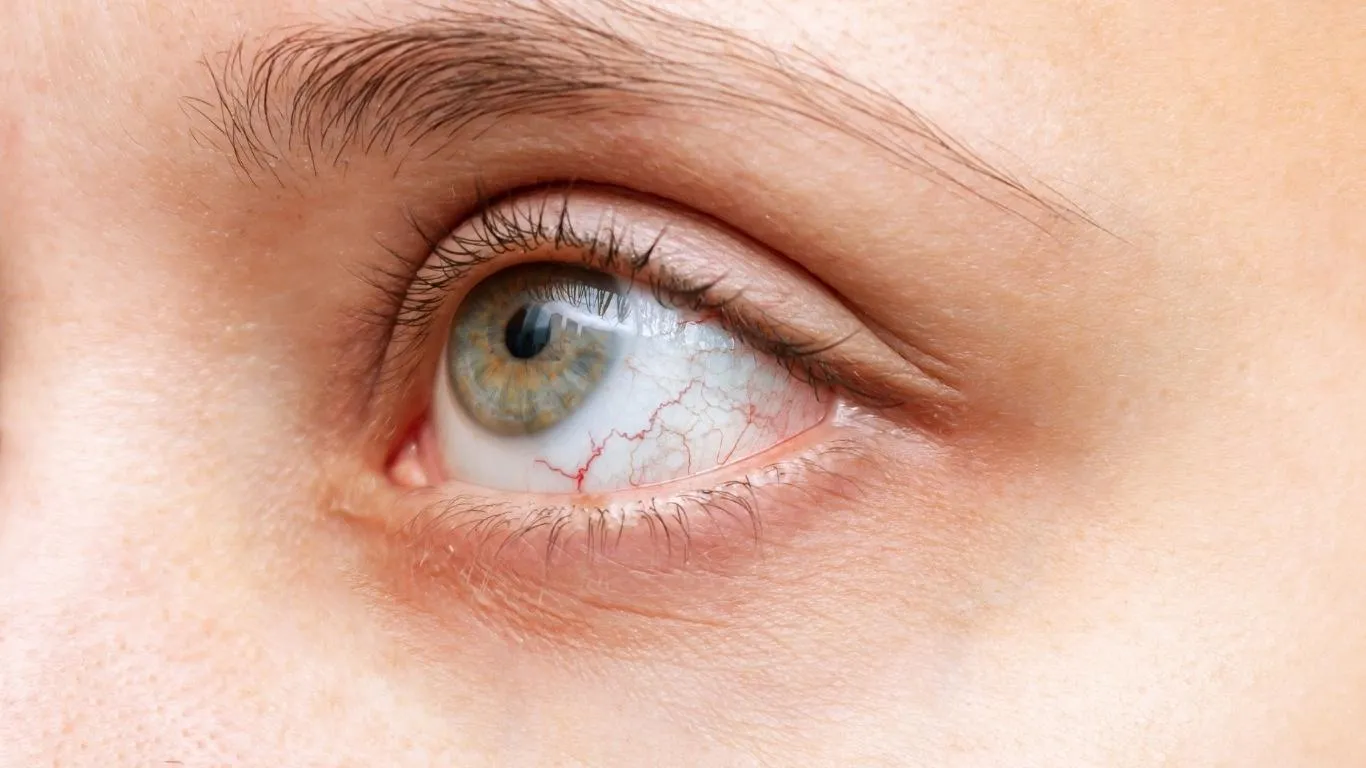
Some floaters fade into the background over time. Your brain does this amazing thing where it learns to ignore them (just like how we tune out background noise). But in other cases—like mine—they linger. They’re not painful, but they can be seriously distracting, especially if you work on screens all day or spend time in bright light.
In rare cases, floaters could indicate a more serious issue, like a retinal tear. That’s why any new floaters after LASIK should be checked by your eye doctor. You’ll want to rule out complications like retinal tears or posterior vitreous detachment.
What the Research Says (and Doesn’t Say)

There isn’t a massive pile of peer-reviewed research on floaters after LASIK. But the topic is starting to attract attention. Some ophthalmologists have shared clinical observations of patients developing floaters post-op, especially those over 35.
The American Academy of Ophthalmology (https://www.aao.org) has acknowledged that changes in the vitreous can happen post-surgery, though it stops short of confirming a direct causal relationship. Similarly, a few case studies suggest that LASIK may be a trigger in susceptible individuals.
One study in the *Journal of Cataract & Refractive Surgery* noted floaters as a post-operative complaint, especially among patients with high myopia (a known risk factor for vitreous degeneration).
Is There Any Way to Prevent It?
Unfortunately, not really. LASIK remains an incredibly safe and effective procedure, but like any medical treatment, it’s not 100% risk-free. If you’re highly myopic or over age 40, ask your surgeon about your vitreous health. Some patients opt for an ocular ultrasound or OCT scan to evaluate the vitreous before surgery.
Should You Worry?

Worrying doesn’t help—but being proactive does. If your floaters are stable, small, and not affecting your vision quality significantly, your doctor may recommend simple observation. But if you experience sudden flashes, a shower of new floaters, or a curtain over part of your vision—those are red flags. You’ll want to seek help right away.
I personally went through the whole cycle of anxiety, urgent checkups, and follow-ups. Turns out, mine were benign. But that peace of mind only came *after* seeing a specialist.
If you’re still uncertain, this comparison guide on floaters vs. other eye issues might help put things into perspective.
Also, I recommend reading this in-depth treatment guide for a breakdown of what to expect if your floaters persist—and which options might work for you. For a full overview of causes, risks, and treatment paths, don’t miss our main guide to eye floaters.
What Are Your Options If Floaters Don’t Go Away?
So, what do you do when those floaters just won’t disappear? I’ve been there. After six months, mine hadn’t faded a bit. I started digging into every possible solution—from supplements to surgery. Here’s the reality: there are options, but they’re not all created equal.
1. Just Wait and Watch
Sometimes, the best thing to do is nothing. I know that’s frustrating to hear, but if your floaters aren’t interfering with your vision or quality of life, most eye doctors will suggest observation. This is especially true if they were triggered by LASIK but show no signs of worsening.
Still, don’t just guess—get a proper eye exam. It’s the only way to be sure you’re not missing a more serious issue like a retinal tear or detachment.
2. Laser Vitreolysis
Laser vitreolysis is a minimally invasive procedure that uses laser pulses to break up floaters into smaller, less noticeable fragments. It’s not available everywhere, and it doesn’t work for all types of floaters—especially not the fine, stringy ones common after LASIK.
That said, some people (myself included) found relief. It made things better—not perfect, but better. Just make sure you’re working with an experienced specialist, ideally one who uses YAG laser specifically for vitreolysis. More on that here: retinal laser floater treatments.
3. Vitrectomy: The Last Resort
If your floaters are large, persistent, and severely affecting your daily vision—vitrectomy is the most aggressive (and effective) solution. It involves surgically removing the vitreous and replacing it with a clear saline solution. This procedure comes with risks like cataracts, retinal detachment, or infections.
Most doctors won’t recommend vitrectomy for minor floaters, but in extreme cases, especially when floaters follow trauma or intense surgeries like LASIK, it’s worth discussing. You can read more about when floaters become medically serious right here.
Natural and Supportive Remedies
I’ll be honest—I was skeptical about natural remedies. But some of them helped, or at least made my eyes feel more comfortable. While there’s no magic supplement to erase floaters, some approaches may reduce inflammation and oxidative stress in the eyes.
- Hydration: Floaters can feel more prominent when you’re dehydrated. Increasing water intake was a small change that actually helped me see fewer floaters in bright light.
- Antioxidants: Supplements like lutein, zeaxanthin, and vitamin C have been linked to overall eye health. Here’s what we know about supplements that may help floaters.
- Eye rest: Especially post-LASIK, screen fatigue can make floaters more noticeable. Practicing the 20-20-20 rule helped me reduce eye strain.
That said, always check with your ophthalmologist before starting any new supplement routine, especially after surgery.
Can You Still Have a Good Outcome After LASIK With Floaters?

Absolutely. Even with floaters, I still consider my LASIK a success. My vision went from -5.75 in both eyes to 20/20. The floaters were a bump in the road, not a dealbreaker. And over time, your brain does learn to tune them out—at least enough to go about your life.
It helps to stay informed. Understand what’s normal, what’s not, and when to push for additional care. If you’re struggling with floaters and need a deeper dive, our natural floater management guide covers lifestyle, diet, and vision support strategies in more detail.
When to Call Your Eye Doctor (Seriously)
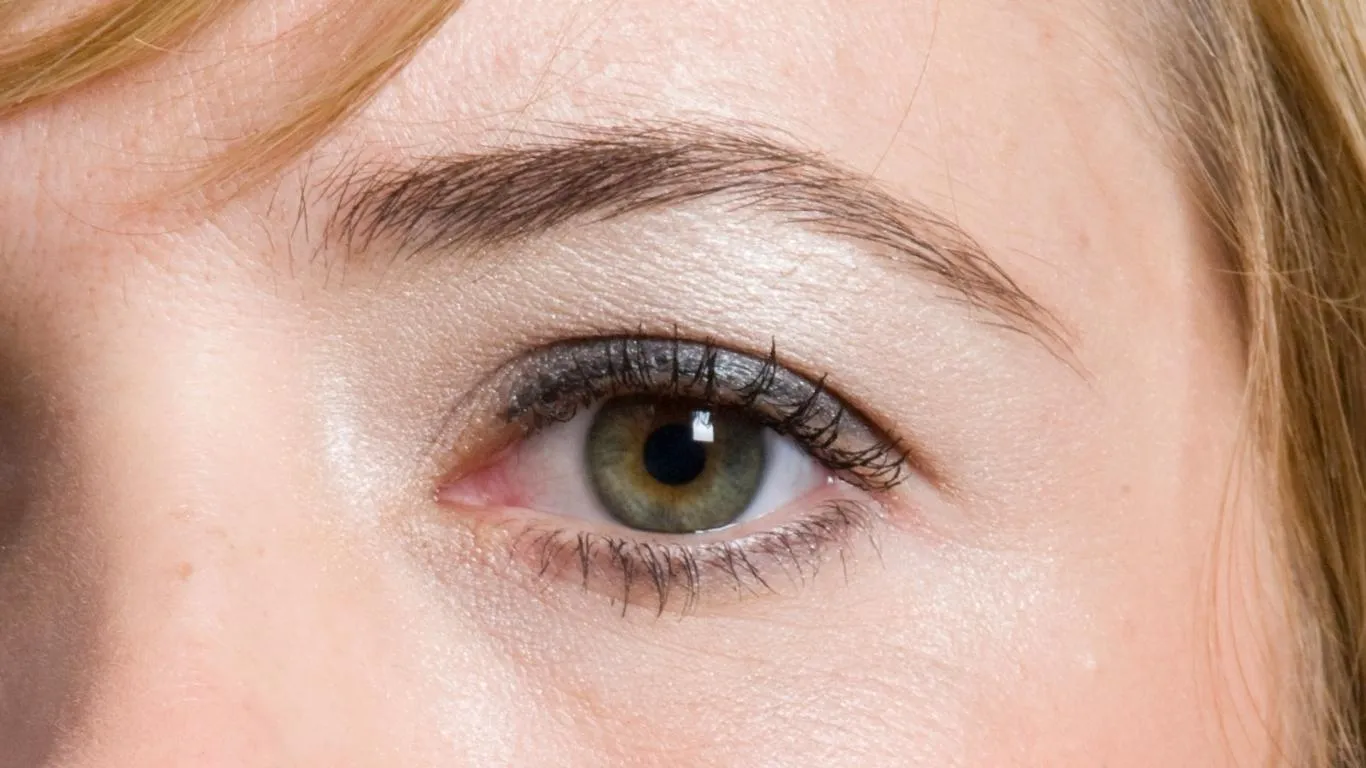
This can’t be stressed enough: if you experience new floaters, flashes of light, or dark shadows in your peripheral vision—don’t wait. These could be signs of a retinal tear or detachment, especially after eye surgery like LASIK.
While most floaters are harmless, some are not. And the sooner you catch a problem, the better the outcome. It’s why I went for not one, but *three* second opinions just to be sure I was in the clear.
Still Not Sure What’s Causing Your Floaters?

Floaters can be caused by so many things—LASIK is just one possible trigger. If you’re unsure, we highly recommend checking out our full breakdown of all causes, warning signs, and treatment paths in this comprehensive floater cause guide.
Also, our complete pillar guide on what causes eye floaters and how to treat them offers clarity whether you’re post-op, mid-recovery, or still weighing your LASIK options.
If you’ve recently had LASIK and floaters are affecting your recovery journey, you’re definitely not alone—and the path forward isn’t as confusing as it might feel right now.

Camellia Wulansari is a dedicated Medical Assistant at a local clinic and a passionate health writer at Healthusias.com. With years of hands-on experience in patient care and a deep interest in preventive medicine, she bridges the gap between clinical knowledge and accessible health information. Camellia specializes in writing about digestive health, chronic conditions like GERD and hypertension, respiratory issues, and autoimmune diseases, aiming to empower readers with practical, easy-to-understand insights. When she’s not assisting patients or writing, you’ll find her enjoying quiet mornings with coffee and a medical journal in hand—or jamming to her favorite metal band, Lamb of God.