Why Flying Makes Eye Floaters Worse for Some Travelers
On my last flight to Denver, something weird happened. As the plane climbed higher, those annoying specks and squiggles floating across my vision became way more noticeable. It wasn’t the first time either—and I started wondering, could altitude really mess with your eye floaters? If you’ve ever stared out an airplane window and suddenly become more aware of those drifting shapes in your sight, you’re definitely not imagining things.
How Altitude Affects Eye Floaters: What’s Really Going On?
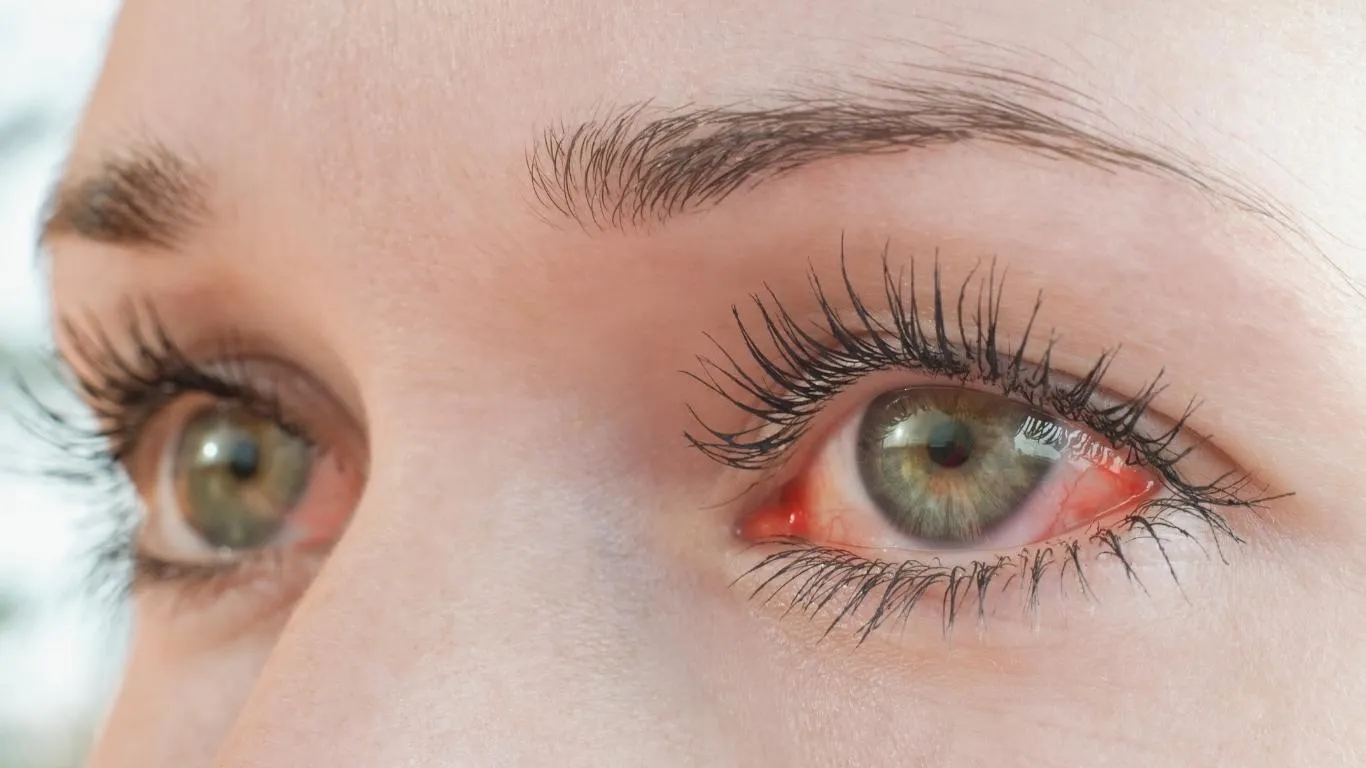
Eye floaters are tiny clumps or strands in the vitreous—the gel-like substance inside your eye. Normally, they drift harmlessly and are most visible when staring at a bright background. But once you’re thousands of feet above sea level, some passengers (like me) notice them getting more intense or persistent. What gives?
1. Cabin Pressure Changes and Vitreous Behavior
The cabin in an airplane is pressurized, but not to sea level. It’s typically equal to around 6,000–8,000 feet. That change in pressure can influence how the vitreous behaves. Although the human body compensates well, sensitive parts like the eyes may still experience subtle shifts.
- Lower atmospheric pressure could slightly expand the vitreous or shift its density
- This minor expansion might accentuate the shadows cast by existing floaters on the retina
- People with partially detached vitreous may be more prone to noticing them
2. Dehydration at High Altitudes
Flying dehydrates you. Air inside a plane is extremely dry (less than 20% humidity), and dehydration affects every system in your body—including your eyes. Dehydrated vitreous humor may shrink slightly, creating or worsening floaters.
Want to go deeper into this connection? See how dehydration might make eye floaters worse.
3. Oxygen Levels and Eye Health
At altitude, oxygen levels are lower. While your body adjusts fine under normal conditions, the retina is extremely sensitive to oxygen changes. There’s a theory among ophthalmologists that minor hypoxia could affect retinal perception, making floaters stand out more vividly.
Although research is still limited, this theory aligns with how some high-altitude climbers also report temporary visual disturbances.
Why You Might See More Floaters After Flying
If you’ve landed after a flight and noticed new floaters—or the old ones looking bolder—you’re not alone. These post-flight floaters might feel like they popped out of nowhere, but altitude could be the trigger that made them more visible.
4. Minor Vitreous Detachment Events
Flying doesn’t cause full-on retinal detachment, but changes in pressure and fluid balance may accelerate minor vitreous separations. This is especially common in:
- People over 40
- Those with existing eye conditions or myopia
- Anyone recovering from eye surgery
Floaters post-flight could even be an early warning sign. Don’t ignore them if they’re sudden or come with flashes of light. Here’s why changes in atmospheric pressure, including from diving and flying, could be a red flag.
5. Personal Experience: How Mine Got Worse
Honestly, I always thought eye floaters were just part of aging—I got my first at 35. But after multiple long-haul flights in a single month, they went from “slightly annoying” to “can’t unsee.” That was my cue to start looking into how high altitude impacts vision. Turns out, I wasn’t the only one. Plenty of travelers and even pilots deal with worsening floaters at altitude.
Who’s Most at Risk for Altitude-Triggered Floaters?
Altitude doesn’t affect everyone the same way. But a few groups are definitely more vulnerable when it comes to eye floaters during or after a flight:
- Older adults with aging vitreous structure
- Frequent flyers like business travelers or flight crew
- People with a history of cataract surgery or LASIK
- Anyone with vitreous degeneration linked to aging
Also Worth Noting: Vitamin and Hydration Status
If your nutrition or hydration is off before or during a flight, that could be another compounding factor. Learn more about how poor nutritional habits may increase floaters.
Can You Prevent or Reduce Floaters While Flying?
There’s no magic cure for floaters, but based on experience and some solid science, here’s what might help minimize their impact while flying:
- Stay hydrated: Drink water before and during your flight
- Limit alcohol and caffeine: They speed up dehydration
- Wear UV-blocking sunglasses: Bright light from airplane windows can worsen perception of floaters
- Use lubricating eye drops: These help reduce eye strain and dryness
- Rest your eyes: Close them periodically to give your retina a break
If you experience a sudden burst of floaters, flashing lights, or shadows in your vision post-flight, don’t wait. That could be a symptom of something more serious. Posterior vitreous detachment (PVD) is one of the most common culprits, and early detection makes all the difference.
For an in-depth breakdown of treatment options and when to worry, you’ll want to check this comprehensive guide to eye floater treatments.
Still curious about the basics? The main pillar article on eye floaters covers everything from causes to symptoms and current treatment methods.
Why Frequent Flying Might Make Floaters Stick Around Longer
I remember chatting with a frequent flyer friend who logs more air miles in a year than I’ve done in a decade. He mentioned that his floaters never used to bother him—but over time, they became a regular part of his visual field. The more he flew, the more he noticed them lingering.
This isn’t just anecdotal. Frequent exposure to low-pressure environments and repeated dehydration cycles might exacerbate vitreous degeneration over time. While a few occasional flights likely won’t cause harm, chronic exposure could increase your floater load—especially if you’re already predisposed.
Compounding Risk Factors
If you combine frequent flying with any of the following, your risk could be even higher:
- High myopia (nearsightedness)
- History of retinal laser procedures or trauma
- Vitreous already showing early signs of collapse
There’s even a case to be made for altitude change acting as a catalyst—not a cause—of more noticeable floaters in those at risk.
Altitude + Eye Strain = Double Trouble
Let’s be real—most of us stare at screens the entire flight. Whether it’s binge-watching movies, scrolling through emails, or finishing that last-minute presentation, your eyes are working overtime. Combine that with dry cabin air and low humidity? You’ve got a perfect storm for visual irritation.
While screen time doesn’t directly create floaters, it can absolutely make them more visible. Visual fatigue increases your awareness of floaters, especially in environments with harsh lighting and minimal blink rates (which happens when you’re focused).
Smart Screen Tips for Flying
- Use blue light filters on your device
- Take 20-second breaks every 20 minutes (yes, even on planes!)
- Dim your screen to reduce visual contrast
If your floaters tend to get worse after long screen sessions, especially during or after a flight, this might be something to address on the ground too. Explore more on how lifestyle and environmental habits compound floater severity.
Can High Altitudes Cause Long-Term Eye Damage?
In most cases, floaters from flying are temporary and harmless. But let’s not sugarcoat it—some high-altitude exposures could hint at deeper eye concerns. If floaters appear suddenly or come with light flashes, loss of peripheral vision, or eye pain, it might not just be cabin pressure.
One thing I learned the hard way: don’t self-diagnose. After a flight to Peru, I experienced a weird burst of new floaters in one eye. Turned out it was a mild case of posterior vitreous detachment—something that could’ve escalated if ignored.
Also worth noting: people with chronic inflammatory conditions like uveitis may experience flare-ups at altitude, indirectly affecting the vitreous body.
Altitude Warnings That Deserve Attention
- Sudden onset of large floaters
- Floaters combined with photopsia (light flashes)
- Dark curtains or shadows in your field of view
All of these could signal serious retinal events. Don’t wait—land and get checked by an ophthalmologist if you experience any of the above symptoms.
What Eye Doctors Say About Flying and Floaters
I spoke with a retinal specialist last year while researching this. According to him, “Flying won’t cause floaters outright, but if you’re on the verge of a vitreous change, that altitude shift might be enough to make it obvious.”
He also mentioned that eye exams after long-haul flights are surprisingly common in patients over 45. The good news? Most floaters aren’t dangerous. But knowing when they matter is crucial.
He recommended bookmarking this guide to dangerous eye floater symptoms so you can act fast if anything changes.
Mitigation Tips for Frequent Flyers With Floaters
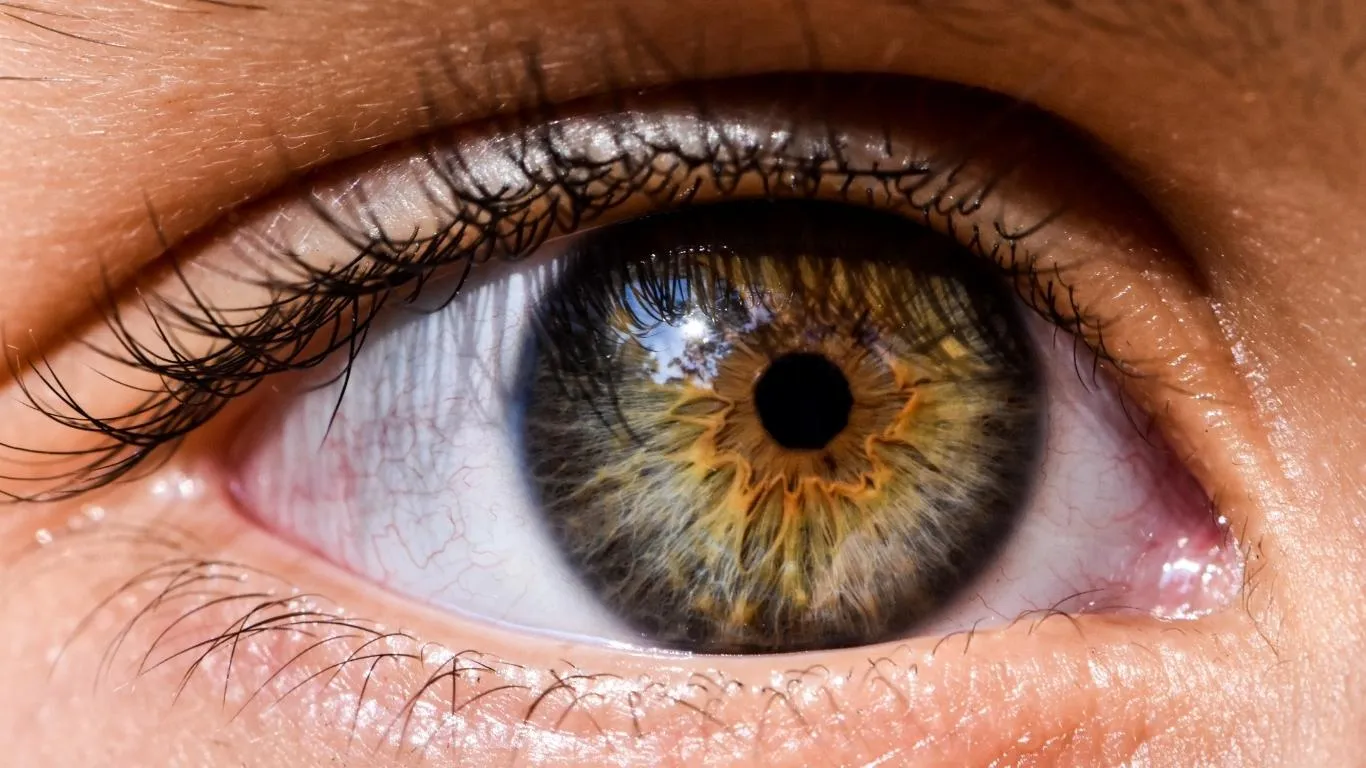
If flying is part of your lifestyle, it’s worth setting up some habits to protect your eye health. I personally started doing these simple things and noticed less irritation:
- Hydrate days before you fly, not just on the plane
- Wear prescription sunglasses even inside the cabin
- Use a sleep mask to reduce light stimulation on long flights
- Pack preservative-free eye drops and use them mid-flight
Also, if you’ve ever had eye surgery or trauma, don’t mess around with weird vision changes. Altitude might just reveal what’s already happening in the back of your eye.
Can Supplements Help If You Fly Often?
This one’s controversial, but a few supplements are being looked at for floater support. While no pill can make floaters disappear, some ingredients might support long-term vitreous health, especially in people who travel frequently or spend long hours in dry, stressful environments.
- Lutein and Zeaxanthin: For retinal support
- Vitamin C and E: Antioxidants that may protect eye tissue
- Omega-3 fatty acids: May reduce inflammation in the eye
Before starting any supplement regimen, always check with an eye doctor. Also, see this article on the best supplements for floaters that are backed by science, not hype.
If you’re interested in managing floaters naturally or wondering what actually works, explore this deeper dive into natural floater management.

Camellia Wulansari is a dedicated Medical Assistant at a local clinic and a passionate health writer at Healthusias.com. With years of hands-on experience in patient care and a deep interest in preventive medicine, she bridges the gap between clinical knowledge and accessible health information. Camellia specializes in writing about digestive health, chronic conditions like GERD and hypertension, respiratory issues, and autoimmune diseases, aiming to empower readers with practical, easy-to-understand insights. When she’s not assisting patients or writing, you’ll find her enjoying quiet mornings with coffee and a medical journal in hand—or jamming to her favorite metal band, Lamb of God.