Why Changes In Floaters During Pregnancy Can Be Alarming
It started during my second trimester — just as I was settling into that “glow” phase, tiny squiggly lines appeared in my vision. At first, I thought it was lack of sleep or screen fatigue, but they didn’t go away. These ghostly specks, called eye floaters, became my unexpected pregnancy companion. If you’re seeing random spots or cobweb-like threads drifting across your sightline, especially during pregnancy, you’re not imagining it. Hormones, fluid shifts, and eye pressure can all play a role. Let’s break down what’s happening — from a real, relatable perspective — and what you need to know about the *changes in floaters during pregnancy*.
What Exactly Are Eye Floaters?
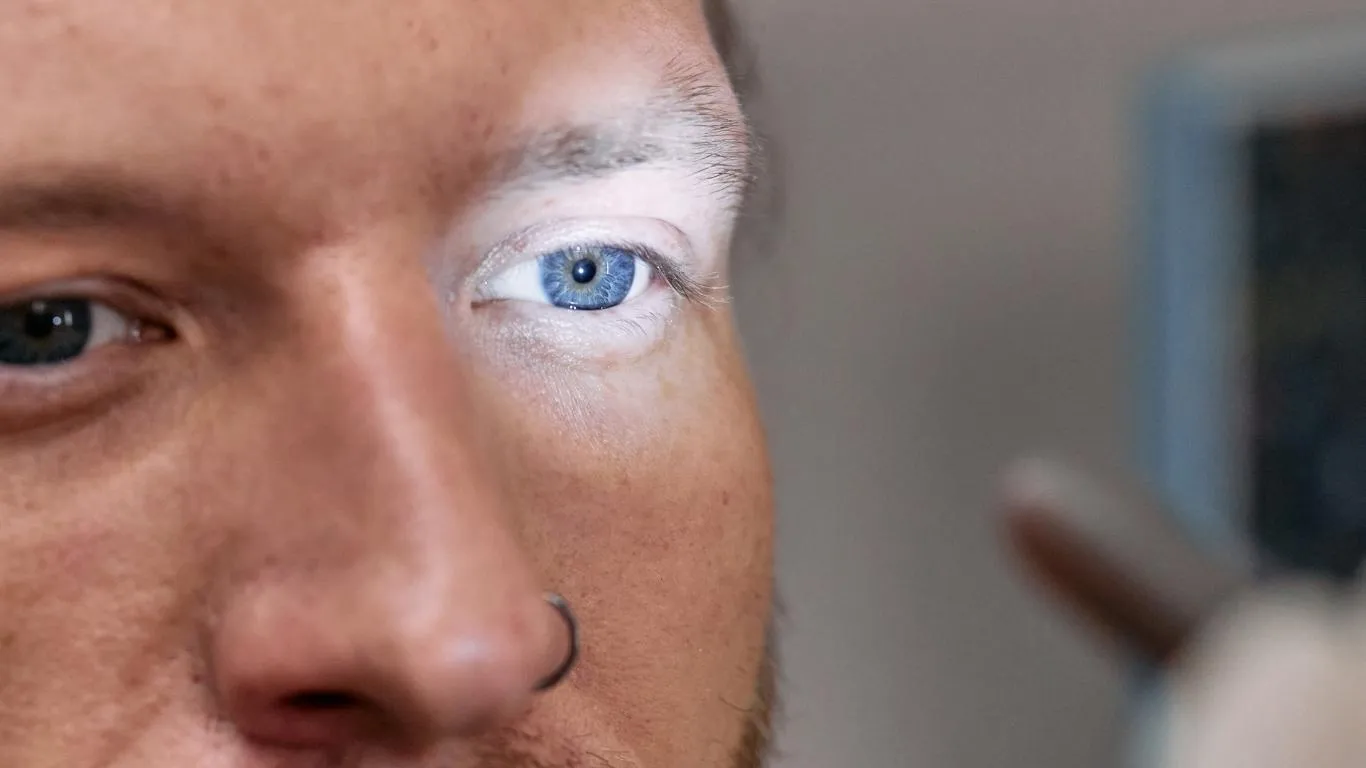
Floaters are those translucent shapes that drift across your field of vision. They might look like strings, rings, or even microscopic insects. They’re not hallucinations — they’re usually tiny bits of collagen or cellular debris floating inside your vitreous humor (that gel-like substance in your eyeball).
Now here’s the twist: during pregnancy, especially in the second and third trimesters, changes in hormones and blood flow can subtly impact your vision. In my case, they came on gradually, like little reminders that *yes, your body is doing something extraordinary — and unusual symptoms come with the territory*.
Why Do Floaters Change During Pregnancy?
Hormonal Rollercoaster
Estrogen and progesterone don’t just mess with your moods and appetite. These hormones also influence fluid retention, circulation, and even the consistency of your vitreous gel. When the gel shrinks or shifts, it can tug at the retina, causing you to see more floaters — or notice them more often.
Increased Blood Volume
Your blood volume can increase by up to 50% during pregnancy. That surge means more fluid and pressure in delicate areas — including your eyes. Some floaters may simply become more visible due to slight changes in how light enters and moves through your eye.
Dehydration & Vision Fatigue
I noticed on hot days, when I wasn’t drinking enough water, those little floaters were even more prominent. Turns out, dehydration can subtly shrink the vitreous, making existing floaters drift more freely. Screen time didn’t help either. For context, check out this deep dive on pregnancy-related floaters — it’s eye-opening (pun intended).
When Should You Worry?
Sudden Bursts of Floaters
Seeing a few floaters here and there? Normal. But a sudden storm of them? That could be a red flag for something more serious, like retinal detachment. Although rare, pregnancy-related hypertension or gestational diabetes can increase that risk. If you’re seeing flashes of light or dark shadows along with floaters, don’t wait — get checked immediately.
Associated Symptoms
If floaters are joined by headaches, dizziness, or visual distortions like halos, it might point to preeclampsia. I remember reading about it at 3 a.m. when I couldn’t sleep — and that anxiety alone made me see *more* floaters. Keep calm, but stay alert. Trust your body.
To explore other warning signs, check out this article about floaters and retinal tears. It’s a must-read if you’re seeing more than just harmless dots.
Other Contributing Factors During Pregnancy
- Gestational Diabetes: High blood sugar can impact tiny blood vessels in your retina.
- Blood Pressure Spikes: Especially during late pregnancy, can affect ocular pressure.
- Eye Strain: We spend more time scrolling through baby names and forums, don’t we?
One night I spent an hour Googling “is it normal to see floaters at 26 weeks pregnant” — I landed on a super insightful piece here: how hormonal changes intensify floaters. It helped me understand that what I was going through was shared by many — but that doesn’t mean we shouldn’t stay aware.
Should You See an Eye Specialist?
Short answer? Yes — if you’re unsure. Just like you’d call your OB for any odd cramp or swelling, it’s totally okay to reach out to an optometrist or ophthalmologist for your vision concerns. Eye floaters *during pregnancy* are often benign, but if there’s any sudden shift in how many or how they move, don’t wait. Your peace of mind is just as important as your prenatal vitamins.
And honestly, you don’t have to be an eye nerd to get how cool this is — your eyes can literally give you a heads-up that something is off. Pretty wild, right?
Want to Understand the Bigger Picture?
Understanding floaters in pregnancy is one piece of a much larger puzzle. For a deep dive into all possible causes (from aging to injuries), I’d recommend reading this solid explainer on common causes of floaters.
If you’re brand new to the topic and just want to start from square one, this comprehensive overview is a perfect place to start: What Are Eye Floaters: Causes, Symptoms, and Treatment Options.
Trust me — once you start noticing floaters, you can’t unsee them. But with the right knowledge, they don’t have to take over your vision — or your peace of mind.
How to Cope with Floaters During Pregnancy
Let’s be real — some days, floaters are just straight-up annoying. I remember trying to relax on the couch and suddenly those little specks were dancing in front of my vision like unwanted guests. The good news? You can manage them. While you may not be able to eliminate them entirely, there are smart, simple steps you can take to dial down the distraction.
1. Blink More, Scroll Less
This one’s tough — especially if you’re deep in pregnancy forums or scrolling through nursery ideas on Pinterest. But long screen sessions reduce blink rate and lead to dry eyes, which can make floaters more noticeable. Try the 20-20-20 rule: every 20 minutes, look 20 feet away for 20 seconds.
2. Hydrate Like It’s Your Job
Your fluid intake doesn’t just benefit baby — it helps your eyes too. Keeping your body well-hydrated supports eye pressure balance and maintains the vitreous gel structure. I noticed a huge difference on the days I actually hit my water goal. Less shimmer, less floaty chaos.
3. Boost Eye Nutrition
Here’s where leafy greens, omega-3s, and antioxidants come in. Foods rich in lutein, zeaxanthin, and vitamin C can support retinal health. I started adding spinach to smoothies (honestly, you can’t even taste it) and noticed a subtle but welcome difference in visual comfort. This guide on floater-friendly nutrition really helped shape my choices.
Can Floaters Be a Sign of Something Else?
Most of the time, pregnancy floaters are annoying but harmless. Still, there are times they’re a clue to deeper issues. I had a friend who developed sudden floaters in her third trimester — turned out to be a complication related to high blood pressure. She’s fine now, thankfully, but it made us both more vigilant.
Preeclampsia
This condition can cause visual disturbances like floaters, light sensitivity, or even temporary blindness. If your floaters are paired with swelling, upper abdominal pain, or high blood pressure, call your healthcare provider — like, now. For context, read up on how vision symptoms can signal serious underlying conditions.
Gestational Hypertension
Blood pressure spikes can affect the tiny vessels in your eyes. If floaters come on suddenly or increase dramatically, it could be your eyes trying to tell you something urgent. Don’t hesitate to get checked.
Natural and Gentle Approaches to Relief
I’ll be honest — I’m a sucker for anything labeled “natural.” During my pregnancy, I was especially cautious about what I used or tried. Here’s what worked for me (and what didn’t):
- Warm Compresses: A warm, moist cloth over closed eyes helped me relax and slightly ease visual strain.
- Eye Exercises: Gentle eye movements and guided focus-shifting routines — like these simple floater-reducing eye exercises — didn’t erase my floaters, but made them less intrusive.
- Stress Management: Turns out, floaters feel worse when you’re anxious. I found that light yoga and breathing exercises not only calmed me, but reduced how “loud” the floaters felt.
More natural approaches are discussed in this piece on natural floater management — it’s a balanced look at what might help versus what’s hype.
When Floaters Persist After Delivery
So, what if the floaters don’t go away after baby arrives? For some women, they stick around — especially if the floaters were due to permanent vitreous changes. In my case, a few of them are still tagging along months postpartum, but they’re less noticeable now. Most importantly, I got them checked and ruled out anything serious.
If they persist or worsen, it’s worth scheduling a retinal scan. And yes, it’s safe to do eye exams while nursing. Don’t put it off — peace of mind is gold in those chaotic newborn weeks.
There’s also an insightful post on how hormonal transitions later in life affect floaters. While pregnancy isn’t menopause, the hormonal rollercoaster bears similarities.
Long-Term Eye Health After Pregnancy
Once the postpartum fog lifts, many women realize their eyes still need care — especially if you’ve experienced any unusual changes like floaters, dry eyes, or light sensitivity. Regular checkups, balanced nutrition, and screen-time limits are not just nice-to-haves. They’re essential.
Want to see how eye floaters compare to other eye conditions? This breakdown of floaters versus other vision issues can help you differentiate what’s normal from what’s not.
And if you want a solid starting point to truly understand what’s going on inside those incredible eyes of yours, I always recommend this foundational article: Eye Floaters: Causes, Symptoms, and Treatment Options.
Just like every pregnancy is different, every eye story is too. What matters is listening to your body — and never brushing off what your eyes are trying to say.

Camellia Wulansari is a dedicated Medical Assistant at a local clinic and a passionate health writer at Healthusias.com. With years of hands-on experience in patient care and a deep interest in preventive medicine, she bridges the gap between clinical knowledge and accessible health information. Camellia specializes in writing about digestive health, chronic conditions like GERD and hypertension, respiratory issues, and autoimmune diseases, aiming to empower readers with practical, easy-to-understand insights. When she’s not assisting patients or writing, you’ll find her enjoying quiet mornings with coffee and a medical journal in hand—or jamming to her favorite metal band, Lamb of God.