Best Lighting Conditions That Help Reduce Eye Floater Discomfort
Ever noticed those drifting little spots or squiggles in your vision that seem to dance around when you’re staring at a bright sky or a plain white wall? Yeah, same here. I remember the first time I saw them—I thought I had some weird eye glitch. Turns out, those are called eye floaters, and while they’re mostly harmless, they can get incredibly annoying. Especially when the lighting’s just… not right. Through a mix of personal trial and error, a few visits to the eye doc, and more research than I’d like to admit, I’ve figured out how much lighting can affect how noticeable these floaters are. If you’re like me and you’re tired of chasing shadows in your vision, you’re in the right place.
Why Lighting Matters More Than You Think
Here’s the thing: the visibility of floaters has less to do with their size or shape and a lot more to do with contrast. When the light hits your eye in certain ways, it enhances the difference between the floater and your field of vision. This is why floaters often vanish in dim environments but seem to have a party in well-lit ones. Bright light doesn’t cause them—but it sure does put a spotlight on them.
High Contrast Makes Them Pop
Bright, uniform backgrounds—think white screens, snow, overcast skies—make floaters much easier to notice. I’ve personally had the worst floater days in a room with stark LED lighting and a white desk surface. It was like watching little jellyfish on repeat. The key? Reducing contrast between the floater and the background.
Lighting Conditions That Actually Help
Now, after months of experimenting and talking to both optometrists and folks dealing with the same issue, I’ve figured out which lighting conditions are actually more floater-friendly. Spoiler: it’s all about subtlety and softness.
1. Warm Ambient Lighting
Swapping cool white lights with warm ambient bulbs has been a game-changer. These produce softer light and reduce the harsh white contrast that floaters love to show up against. Try using smart bulbs and set them around 2700K–3000K. Think soft yellow tones, not blinding white beams.
- Floor lamps with shades work better than overhead LEDs.
- Dimmable bulbs give you more control throughout the day.
- Position light behind you to avoid front-facing glare.
2. Natural Light with Soft Filtering
I used to keep my blinds wide open until I realized that direct sunlight was amplifying my floater visibility. Now, I use sheer curtains or light-filtering shades. You still get that pleasant daylight, but it’s diffused—kind of like Instagram’s “Paris” filter for your entire room. Gentle natural light can help your eyes relax without highlighting those annoying floaters.
3. Indirect Lighting Zones
Instead of lighting your room like a photography studio, go for indirect lighting. Bounce light off walls or ceilings instead of pointing it straight into your space. Floaters hate soft shadows because they don’t have high contrast to dance around in.
4. Anti-Glare and Matte Surfaces
This one surprised me. Glare off shiny desks or screens made floaters pop like confetti. I switched to a matte monitor and added an anti-glare screen protector, and the difference was massive. I also got rid of that glossy white desktop—now I use a soft-colored, textured mat instead.
Lighting Situations That Make It Worse
Floaters love to take center stage in some truly annoying lighting environments. If you’re trying to reduce how often you see them, here are some setups to avoid—or at least modify.
- Stark Fluorescents: Harsh, cool-tone overhead lights (especially in offices) can amplify every speck and squiggle.
- High-Gloss Screens: Without matte filters, you’ll see double—one floater, one glare reflection.
- Snowy Days or White Wall Paint: These are the MVPs of floater visibility nightmares. Neutral, textured paint can reduce this.
Even worse, direct light exposure after eye injury or trauma may heighten awareness of floaters. So if you’ve had a hit to the eye recently, pay attention to your environment—and maybe avoid that midday run in the snow-covered park.
How to Set Up a Floater-Friendly Workspace
Most of us spend a big chunk of our day staring at screens, so let’s make your work setup easier on your eyes:
- Use LED bias lighting behind monitors to balance screen brightness.
- Install blue light filters or glasses to reduce eye strain.
- Opt for textured or soft-colored wallpaper over white walls behind your monitor.
I also keep a small warm-light desk lamp angled away from the screen to maintain ambient balance. It’s amazing how something so simple can reduce the floater “snow globe” effect.
Pro Tip: Night Mode Everything
If you’re using devices in the evening, switch them to Night Mode or use an app like f.lux. It reduces blue and white light, making screens more comfortable and less likely to amplify floaters.
There’s a lot more to managing floaters than just lighting—but lighting is where it begins. If you’re looking for a deeper understanding of what causes floaters and how to recognize serious symptoms, I highly recommend this full guide on eye floater treatment options. For an even broader view, the main article on causes and treatments dives deeper into what you might be dealing with.
What to Avoid When Adjusting Your Lighting
Here’s something I had to learn the hard way: not all soft lighting is good lighting. In the beginning, I overcompensated—dimming lights way too low and working in near darkness. And guess what? That caused more eye strain, which actually made my floaters worse.
- Super low light can force your pupils to dilate, making floaters more prominent.
- Colored LED strips (especially blue or red) can mess with your contrast perception.
- Constantly changing light levels (like auto-brightness) confuse your eyes more than help.
It’s all about balance—not too bright, not too dark. Your eyes should feel relaxed, not like they’re compensating for poor conditions.
Smart Tools That Help Reduce Floater Distraction
Okay, so you’ve got the lighting vibe down—but there’s a bit of tech that can help make things even smoother. I’ve tested a lot of these myself, and they’ve been subtle but super helpful additions to my routine.
- Smart Bulbs: I love the ones you can control with an app. I schedule mine to adjust based on time of day—warmer in the evening, cooler but soft in the morning.
- Screen Filters: Tools like f.lux or built-in Night Shift settings reduce blue light and harsh contrast. Especially helpful during evening work.
- Glare-Control Film: A transparent matte film on windows can diffuse sunlight without blocking it out completely.
If you’re into routines and automation, setting lighting “scenes” for reading, working, or relaxing can make your home or office genuinely floater-friendly. Less distraction = less stress.
Creating a Floater-Friendly Home Setup
One thing I realized was that it’s not just about your workspace. Your entire living space affects your eyes throughout the day. After dinner, I used to turn on the big overhead LEDs in my kitchen and living room—bad move. Switching to low-profile lamps made the evenings so much easier on my eyes.
Tips to Try at Home
- Use multiple light sources around the room instead of one bright overhead.
- Swap glossy furniture or floors with matte or textured finishes if possible—it sounds extra, but it helps.
- Install window films that block UV and reduce eye strain without turning your house into a cave.
I also started using dimmable LED candles in my bedroom—zero harsh light, super relaxing vibes, and my floaters barely show up when I wind down.
Lifestyle Habits That Work with Lighting
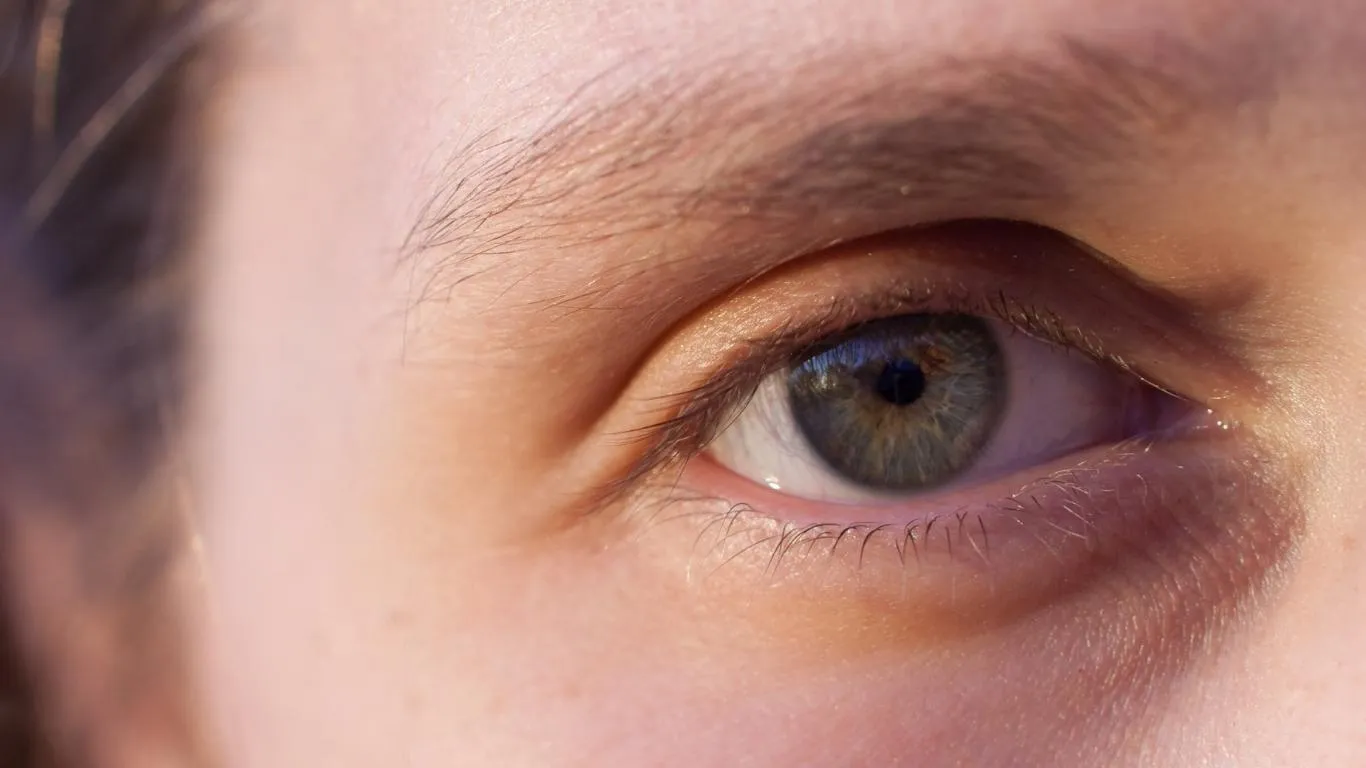
Lighting is a huge piece of the puzzle—but it’s not everything. I noticed a big difference in floater visibility when I combined better lighting with a few simple habits. It’s not magic, but it’s definitely effective.
1. Eye Breaks and the 20-20-20 Rule
Every 20 minutes, look at something 20 feet away for 20 seconds. This gives your eyes time to reset and reduces the constant scanning that makes floaters more visible. Sounds basic, but it works. Floaters love fatigue—this helps beat it.
2. Reduce Screen Time When Possible
On the days when I’ve binged on screens (no judgment, we all do it), the floaters show up like they own the place. I noticed a real shift when I limited doom-scrolling before bed and swapped some TV time with audiobooks.
3. Stay Hydrated and Get Enough Sleep
Dry eyes and exhaustion make everything feel more intense. Seriously—lack of sleep ramps up floater visibility like a spotlight. Hydration and rest = quieter floaters.
4. Talk to a Pro If They Change
If you suddenly notice more floaters, flashes of light, or changes in vision, don’t assume it’s just lighting. It might be time to check for posterior vitreous detachment or other retinal issues. I had a minor scare once, and I’m glad I got it checked early.
When It’s More Than Just Lighting
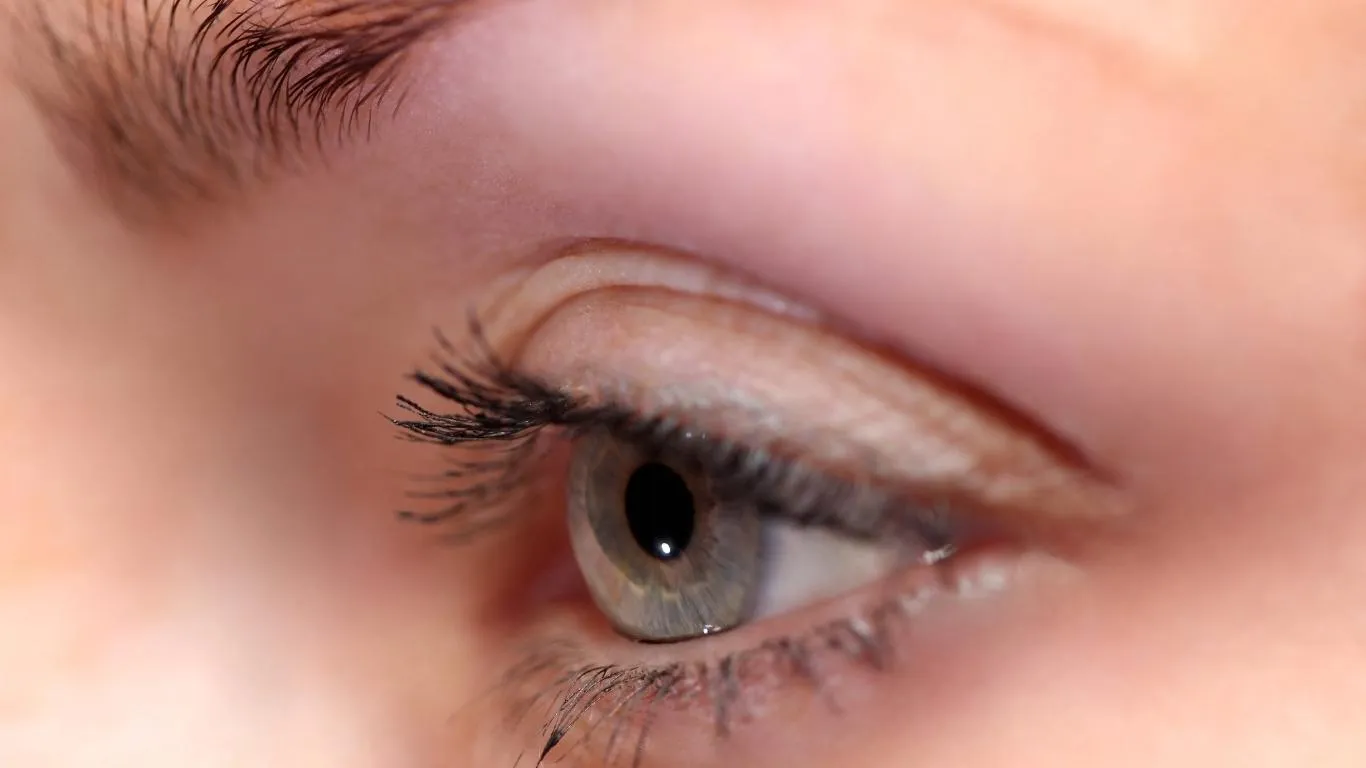
Lighting is a huge part of making floaters bearable—but if your floaters came on suddenly, or you’re noticing patterns like pain, flashes, or loss of side vision, lighting won’t be enough. That’s when it’s time to dig into more serious causes. I recommend reading the full article on when floaters might be a warning sign.
And honestly, if you’re dealing with frequent floaters, just knowing what’s normal and what’s not makes a huge difference. I found this guide on how to tell floaters apart from other eye issues super helpful early on.
Where to Go from Here
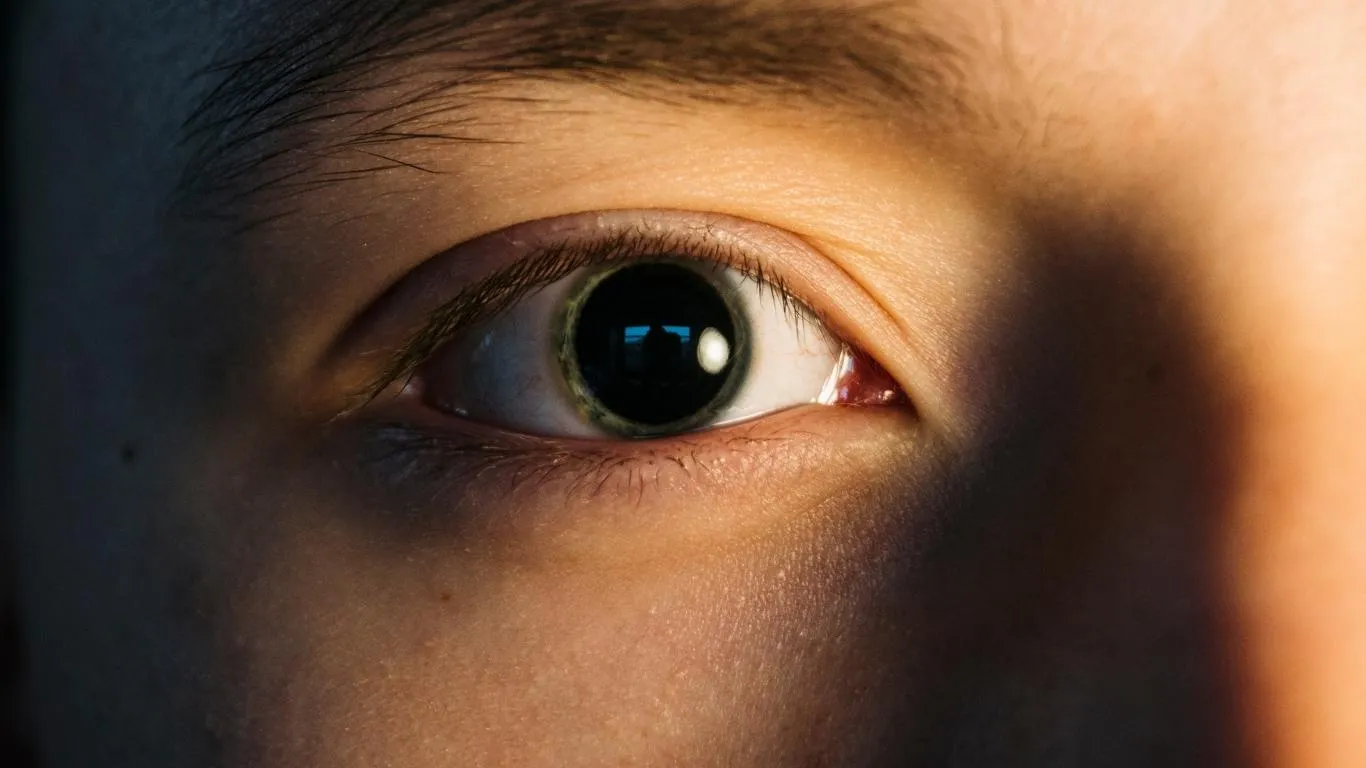
Floaters are frustrating, yeah—but you’re not stuck with just “put up with it” mode. Smart lighting changes, some environmental tweaks, and basic self-care genuinely make a difference. I used to dread daylight and high-contrast rooms—now, with better lighting habits, I barely notice them. And when I do? I don’t spiral into worry anymore.
Want a deeper dive into causes and advanced treatment options? Start here with the full overview on eye floaters—it breaks down everything from surgery to natural remedies, with zero fluff.

Camellia Wulansari is a dedicated Medical Assistant at a local clinic and a passionate health writer at Healthusias.com. With years of hands-on experience in patient care and a deep interest in preventive medicine, she bridges the gap between clinical knowledge and accessible health information. Camellia specializes in writing about digestive health, chronic conditions like GERD and hypertension, respiratory issues, and autoimmune diseases, aiming to empower readers with practical, easy-to-understand insights. When she’s not assisting patients or writing, you’ll find her enjoying quiet mornings with coffee and a medical journal in hand—or jamming to her favorite metal band, Lamb of God.