Why Floaters In One Eye May Be Riskier Than Both Eyes
If you’ve ever stared at a clear sky or a bright screen only to notice small shadowy specks, swirls, or cobweb-like strands floating in your vision, you’re definitely not alone. I still remember the first time I saw them—it was on a sunny Saturday morning, sipping coffee by the window. I blinked. Rubbed my eyes. Blinked again. But those ghostly little shapes stuck around. What was going on? Turns out, they’re called eye floaters—and they’re weirdly common. But things get a lot more confusing when you see floaters in one eye versus both eyes. That difference? It might be more important than you think.
Understanding Floaters in One Eye vs Both Eyes
Eye floaters are typically harmless and part of the aging process, but when they show up in only one eye, that’s when it can get tricky. Let’s break it down in plain language—because when your vision’s involved, medical jargon just makes things scarier.
Why Floaters Appear at All
Inside your eye is a jelly-like substance called the vitreous. Over time, this gel shrinks and forms tiny clumps or strands. These cast shadows on your retina, and voila—floaters. It’s a normal part of aging. But when you only see floaters in one eye? That’s a potential signal that something else is going on, possibly something that needs attention.
One-Eyed Floaters: A Possible Red Flag?
When I first saw floaters in just my left eye, I assumed it was fatigue or maybe too much screen time. But my optometrist quickly ruled out the “nothing to worry about” category. Turns out, floaters in one eye only can be tied to conditions like:
- Posterior Vitreous Detachment (PVD): Common but should still be monitored. It can be an early warning for more serious issues.
- Retinal Tear or Detachment: If you’re seeing flashes of light along with floaters, especially in just one eye, this could be an emergency.
- Eye Trauma: Any recent hit or injury to the eye might cause floaters due to bleeding in the vitreous.
Read more on posterior vitreous detachment—one of the most common culprits for floaters in a single eye.
When Both Eyes Get Involved
Floaters showing up in both eyes is actually more common. It usually points to a benign cause like aging, especially for people over 40. According to American Academy of Ophthalmology, over two-thirds of people over 70 have them, even if they never notice.
Both-Eye Floaters Tend to Be Less Urgent
If floaters are present in both eyes and come on slowly, chances are good it’s age-related. It might be annoying—trust me, I know the feeling of trying to ignore a floater while reading—but it’s not usually a crisis. Still, that doesn’t mean they should be dismissed outright.
- Floaters in both eyes can sometimes signal underlying conditions like diabetic retinopathy.
- Autoimmune issues, including lupus and rheumatoid arthritis, may also play a role.
- Even lifestyle-related issues like dehydration or nutritional deficiencies can make floaters more noticeable in both eyes.
Check out this deeper look at why eye floaters increase with age and how they affect both eyes over time.
What Makes This Difference Matter?
Here’s the key takeaway: floaters in both eyes may be a natural part of aging, while floaters in just one eye could point to an acute problem. Of course, this isn’t always the case. But being aware of what’s normal and what’s not can protect your vision in the long run.
- If floaters come on suddenly, in just one eye, and especially with flashes of light—see an eye doctor immediately.
- If they develop gradually in both eyes and aren’t worsening, it’s likely less urgent but still worth mentioning at your next checkup.
I’ve learned not to ignore changes in my vision. That one appointment I almost skipped? It caught the start of a retinal issue I didn’t know I had. Saved my sight, honestly.
Causes That Affect One Eye More Than the Other
Sometimes, the reason one eye is affected more is anatomical—maybe one eye has more vitreous degeneration. But other times, it’s due to:
- Localized infections: Viral or bacterial eye infections can cause floaters in one eye.
- Trauma: Eye injuries from sports, accidents, or falls can impact only one eye.
- Surgical aftereffects: Procedures like LASIK or cataract surgery may lead to one-sided floaters. Check this out: Floaters after cataract surgery.
Want a comprehensive breakdown of how eye floaters are caused and what they mean? Start with this detailed guide to eye floater causes. It covers everything from trauma to chronic disease.
What to Watch For (and What I Learned the Hard Way)
Here are the symptoms I wish I’d paid attention to sooner:
- New floaters that show up suddenly in just one eye
- Flashes of light, especially at the edges of vision
- Shadows or “curtain-like” areas in vision
Any of these can mean your retina is at risk—and that’s not something you want to wait around with. I learned that prompt treatment can actually save your vision. Here’s why floaters before retinal tear should never be ignored.
For a complete overview of what floaters are, why they happen, and the best options for treatment, I recommend reading the main eye floater guide here.
When Floaters Come With Other Symptoms

One thing I’ve learned the hard way is that floaters almost never come alone when something’s really wrong. The combination of symptoms tells the story. For instance, I once had floaters followed by quick, sharp flashes like lightning bolts in the corner of my eye. That wasn’t just floaters—it was a warning.
These symptoms in combination with floaters may indicate serious eye conditions:
- Flashes of light: This often signals a retinal detachment or tear. If you’re seeing these with floaters in just one eye, don’t wait. Trauma-related floaters could be your eye’s emergency signal.
- Loss of peripheral vision: A sign your retina might already be detaching.
- Sudden blur or shadow: Known as a “curtain” effect—this is urgent.
Sometimes, you just have to trust your gut. When vision changes rapidly, it’s worth getting checked, even if it turns out to be nothing.
Floaters and Medical Conditions: What You Should Know
Floaters can be your eyes whispering about an underlying health issue. When they show up unevenly—in one eye, then maybe both—it could point to a systemic problem. Here are some conditions that can mess with your vitreous more than others:
- Diabetes: Not just a blood sugar thing—it can damage the tiny blood vessels in the retina. See this breakdown on diabetic eye floaters.
- Hypertension: High blood pressure can strain eye vessels and lead to floaters. Learn why it matters here: floaters and blood pressure.
- Autoimmune diseases: Conditions like lupus or sarcoidosis often cause inflammation in the eye, leading to floaters. Check this insight on autoimmune-related floaters.
In my case, it turned out I had early signs of hypertension. My eye doctor caught it first—just from how the floaters were behaving. Never underestimate how connected your body is.
Surgical Triggers and Medication Effects
One of the things people rarely talk about? How often floaters come after surgery—or even because of medication. I had a friend who developed floaters in one eye just weeks after PRK surgery, and she swore nobody warned her.
Here’s how surgery and drugs can trigger one-eye floaters:
- LASIK & PRK: These reshape the cornea but can stress the eye enough to alter the vitreous. More here: floaters post-LASIK.
- Cataract surgery: A common floaters culprit, especially if one eye gets done before the other. Post-surgery floaters can linger for months.
- Steroid eye drops: Some people react to steroid meds with increased floaters, especially in one eye. Learn more: medication-induced floaters.
It’s not just surgeries or prescriptions either. Even recovery position, pressure during procedures, or uneven inflammation can all make floaters worse on one side.
Stress, Lifestyle, and the Silent Contributors
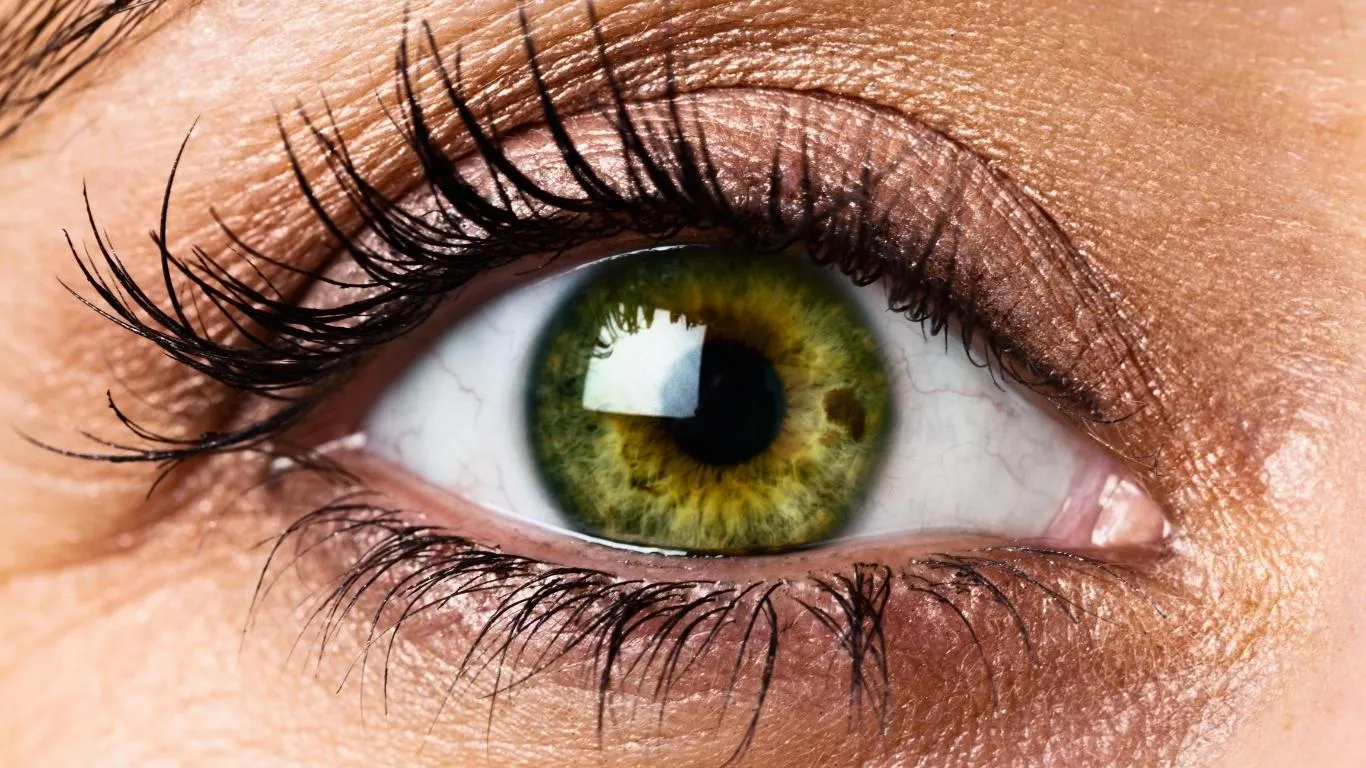
Let’s get real: life throws a lot at your eyes. Between long hours of screen time, poor sleep, and a stress-filled schedule, I’ve had weeks where my floaters felt like they were doing somersaults. The connection between lifestyle and eye health is often underrated.
Key Silent Triggers You Might Be Overlooking
- Chronic stress: It impacts circulation and inflammation. Read this: stress and eye floaters.
- Sleep deprivation: Not sleeping enough? That was my biggest mistake. Here’s how sleep ties in.
- Hydration and diet: I thought floaters had nothing to do with diet—until I found out about nutrient deficiencies affecting vitreous health.
What helped me? Cutting screen time, getting serious about hydration, and making sure I wasn’t skipping meals. Those small changes had a big impact on my floaters—especially the ones that used to plague just one eye.
Eye Exams: Your Best Friend When It Comes to Floaters
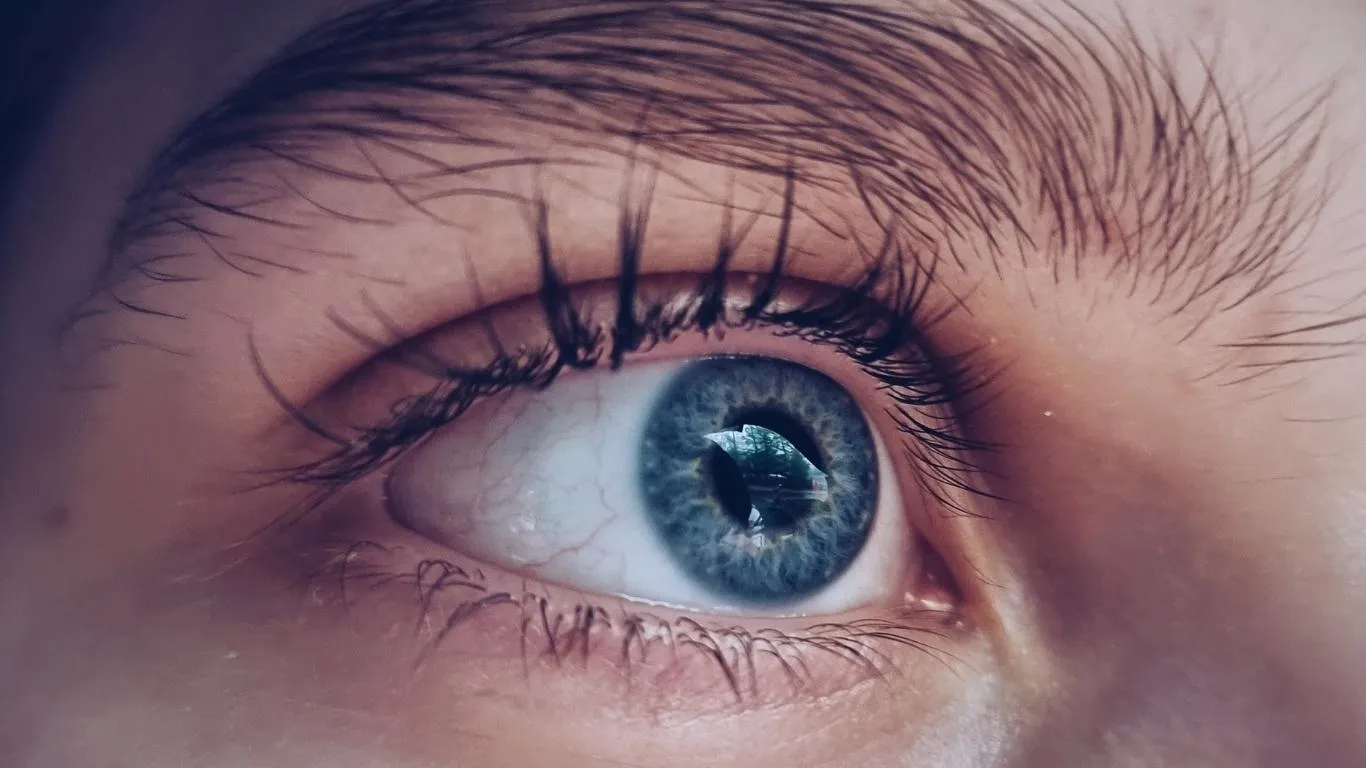
When it comes to your vision, don’t gamble. Whether your floaters are in one eye or both, a thorough eye exam is the only way to get real answers. Especially if:
- They appeared suddenly
- You’re noticing other vision changes
- You’ve had surgery, trauma, or new medication recently
A retina check could be the difference between reassurance and a much-needed intervention. Here’s what serious floaters may be signaling.
Taking Action: What You Can Do Today
Whether you’ve had floaters for years or just noticed them last week, there are ways to manage and even reduce them naturally or medically.
- Monitor patterns: Track whether floaters are increasing, moving, or suddenly changing sides.
- Hydrate more: The vitreous is 98% water—dehydration can make floaters worse.
- Consider supplements: Some people find relief with certain vitamins. Check out this guide on eye floater supplements.
- Talk to an eye specialist: Especially if the floaters are new or one-sided.
Want the full breakdown of treatment options, including laser and surgical methods? Start with the complete treatment guide for floaters.
And if you’re new to this topic, make sure you check the full guide on what floaters are and how they affect your vision. It’s the most comprehensive starting point we’ve got.

Camellia Wulansari is a dedicated Medical Assistant at a local clinic and a passionate health writer at Healthusias.com. With years of hands-on experience in patient care and a deep interest in preventive medicine, she bridges the gap between clinical knowledge and accessible health information. Camellia specializes in writing about digestive health, chronic conditions like GERD and hypertension, respiratory issues, and autoimmune diseases, aiming to empower readers with practical, easy-to-understand insights. When she’s not assisting patients or writing, you’ll find her enjoying quiet mornings with coffee and a medical journal in hand—or jamming to her favorite metal band, Lamb of God.