Fear Of Embarrassment Anxiety Tips That Actually Make A Difference
There was a time when just the *thought* of walking into a meeting room full of people would make my palms sweat. I’d play out worst-case scenarios in my head like a private screening of every awkward possibility. If you’re reading this, chances are you’ve been there too. Fear of embarrassment from anxiety isn’t just a minor nuisance—it can genuinely interfere with everyday life. Whether it’s avoiding eye contact, skipping social events, or overanalyzing every word after a conversation, that fear can quietly take the wheel. But here’s what I learned: it doesn’t have to.
Understanding the Fear of Embarrassment in Anxiety

This fear isn’t simply about being shy or introverted. It’s rooted in social anxiety and often amplified by our own inner critic. You might be overthinking how you look, what you say, or even how you breathe around others. The anxiety whispers, “What if you mess up? What if they judge you?” It can feel exhausting and all-consuming.
From personal experience, one of the biggest turning points came when I realized I wasn’t alone in this. According to National Institute of Mental Health, social anxiety disorder affects millions of adults each year, many of whom deal with overwhelming fear of embarrassment.
How It Sneaks into Your Daily Life
- Declining invitations just to avoid the possibility of social mishaps
- Feeling intense dread before presentations, even casual ones
- Replaying conversations over and over at night
- Avoiding eye contact or speaking up in group settings
One of the most insightful breakdowns of how anxiety quietly disrupts your daily routine can be found here. It helped me pinpoint the small, sneaky ways anxiety was stealing my energy—and my joy.
Practical Tips to Overcome the Fear of Embarrassment

1. Prepare, But Don’t Overprepare
Overpreparing is my default. I’d write scripts in my head for conversations. But perfectionism only feeds the fear. It helps to prep just enough to feel confident, then let go. If you’re giving a presentation, jot down key points, but resist memorizing every word.
2. Reframe the Internal Narrative
I started catching myself mid-thought—”They’ll think I’m awkward”—and replacing it with, “So what if I am? That doesn’t make me unworthy.” Reframing anxious self-talk works like a muscle. The more you do it, the stronger it gets.
Looking for actual mental strategies? This guide on CBT for anxiety helped me form healthier thought patterns without spiraling.
3. Practice Exposure (Start Small)
Face it gradually. I started with small social interactions—like chatting with a barista. That small win gave me the courage to speak up in meetings. You don’t have to jump into your worst fear all at once.
There’s a helpful breakdown of this process in the article on exposure therapy for phobias. It gives real-life, step-by-step guidance.
How to Cope When Anxiety Hits Hard

1. Grounding Exercises That Actually Help
One of my favorite go-to’s is the 5-4-3-2-1 grounding method. It brings me back to the present, especially when I feel the embarrassment spiral setting in.
- 5 things you can see
- 4 things you can feel
- 3 things you can hear
- 2 things you can smell
- 1 thing you can taste
You can learn even more calming tricks from this article on breathing exercises. Some of them are so simple, I now do them during meetings without anyone noticing.
2. Normalize Discomfort Instead of Avoiding It
Here’s the truth: most people are more focused on themselves than they are on you. Embarrassment feels massive to you, but it’s usually invisible to others. It helped me to remind myself: awkward doesn’t mean failure.
One of the most affirming reads that helped me grasp this idea was about how anxiety plays out in relationships. It’s amazing how many of us are silently struggling in similar ways.
Build Self-Compassion Through Consistent Practice

1. Journaling for Clarity
There’s something healing about writing it all down. I don’t mean writing like a therapist would suggest. Just brain-dump your fears and read them later—you’ll be surprised how small they seem in black and white.
If you need help getting started, these journaling prompts were the ones that got me hooked.
2. Real Nutrition Support
On days I ate like crap, my anxiety was worse. Coincidence? Not really. Research supports how nutrition influences mental health. Magnesium, omega-3s, even hydration levels play a role. Here’s a look at the foods that help.
3. Move Your Body, Gently
You don’t need intense workouts. Even stretching, a short walk, or some yoga can reset your mood. Movement helps clear the static thoughts buzzing in your brain.
Check out the benefits of yoga for anxiety if you need a starting point.
If you’re exploring the broader framework of managing these struggles, I highly recommend this foundational guide on lifestyle self-help for anxiety. It helped me form a daily routine that supports my nervous system. And for the deeper dive into how anxiety quietly shapes everything, don’t miss this main pillar on anxiety disorders.
Confidence-Building Habits That Reduce Embarrassment Triggers

1. Celebrate Micro-Wins
I used to think progress only counted if it was massive. But honestly? Saying “hi” to someone new or speaking up once in a meeting is a big deal. When I started celebrating those micro-wins—writing them down, even treating myself to a coffee after—I felt more in control.
That sense of control matters. It’s what slowly erodes the shame cycle that anxiety loves to trap you in.
2. Build a “Safe Confidence Zone”
Create small, low-risk situations to test your comfort. Maybe that’s starting a convo with a coworker you trust. Or going to a gathering where you know most people. The point is to create reps in settings where your brain can learn: nothing terrible will happen. In fact, it might even feel good.
3. Self-Talk Makeover (Yes, It Works)
We all have an inner voice. When mine used to say, “You sounded weird,” I’d agree and spiral. But with time, I started pushing back. “Nah, I did okay. I showed up, I tried.” This isn’t toxic positivity—it’s just being fair with yourself. Fairness is a form of self-trust.
Need practical ways to talk to yourself better? Journaling for anxiety helped me spot patterns in my self-talk I didn’t even know existed.
When You Can’t Shake the Embarrassment: Advanced Techniques

1. Try Acceptance-Based Approaches
It sounds counterintuitive, but accepting the fact that embarrassment might happen actually frees you. That’s the backbone of Acceptance and Commitment Therapy (ACT), and it flipped the script for me.
The idea is: you don’t fight the anxiety—you acknowledge it, then move with it. You can still go to that dinner party even if your hands are a little sweaty. That’s a win.
2. Exposure Doesn’t Mean Torture
Real talk: people hear “exposure therapy” and think it means throwing yourself into the lion’s den. It doesn’t. It means slowly showing yourself that feared situations are manageable. When done gently, with structure, exposure rewires your fear response.
If you’re interested in the deeper science and method behind it, check out this guide on exposure therapy. I bookmarked it early on in my journey.
3. Therapy That’s Actually Calming
One thing I wish more people talked about is how different therapy styles suit different people. Personally, I found EMDR therapy surprisingly effective—especially when past embarrassments had roots in childhood experiences.
Others might respond better to DBT techniques or mindfulness-based cognitive therapy. The trick is finding what helps you feel grounded and seen, not just “treated.”
Smart Lifestyle Shifts That Support Your Anxiety Journey
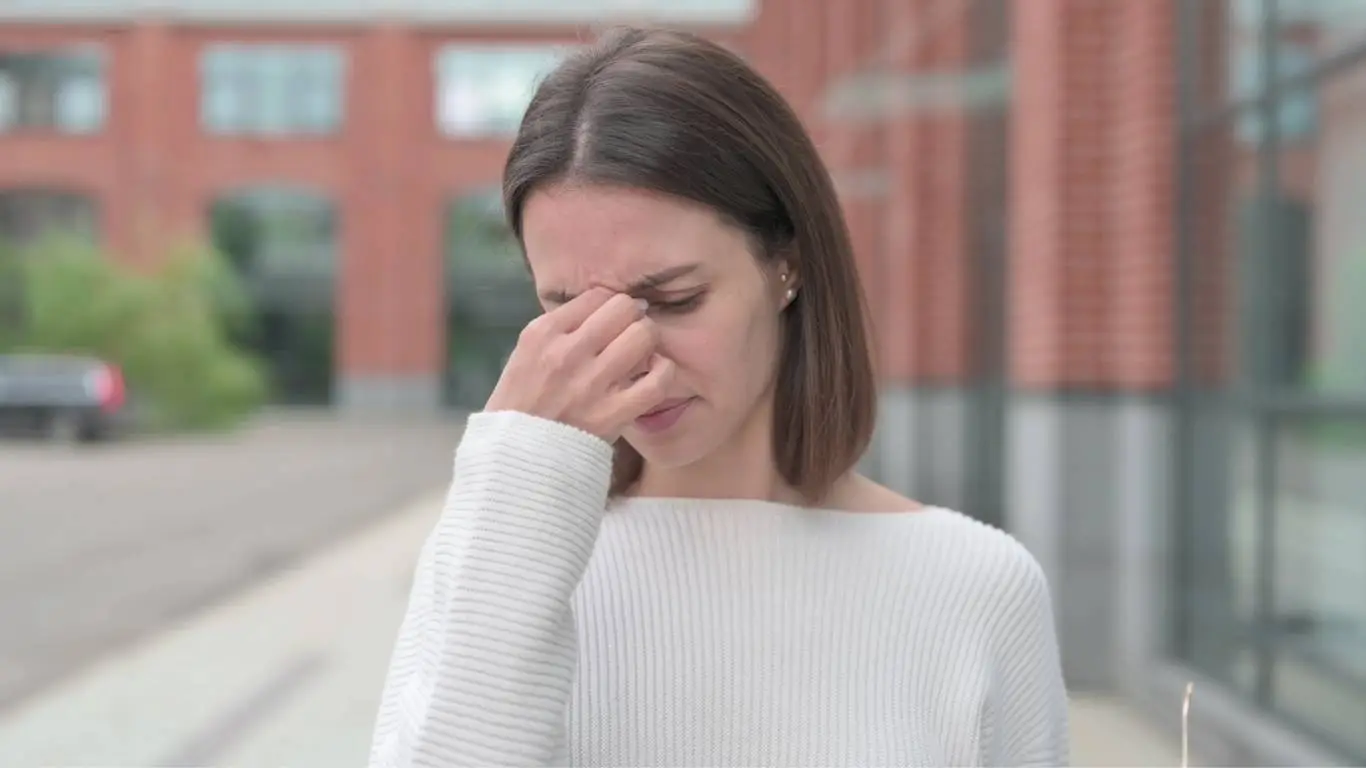
1. What You Eat Affects How You Feel
When I cleaned up my diet—even just a little—it made a difference. Fewer sugar crashes, better sleep, more stable moods. If your brain chemistry is struggling, food can be either fuel or friction. Here’s a look at how sugar secretly feeds anxiety.
I also discovered the calming effect of herbal teas for anxiety. Chamomile and lemon balm became my nighttime routine essentials.
2. Sleep is Not a Luxury—It’s a Treatment
Before I addressed my sleep hygiene, I was fighting anxiety with both hands tied. Better sleep meant I had more resilience, better focus, and a softer inner voice. I followed some simple steps from this sleep hygiene guide and saw real results.
3. Boundaries and Social Detox
If social media is where you compare yourself, pause it. I took a week off Instagram and instantly felt lighter. Protect your mental space the way you’d protect your home from a storm. Unfollow what feels like pressure. Mute the highlight reels. Instead, spend more time where you feel safe and respected.
Support Systems That Actually Help

1. Anxiety Support Groups—Don’t Knock It Till You Try It
I never thought I’d join one. But once I did, the relief was real. Hearing others say “me too” cracked open the shame. It’s like realizing you’re not weird—you’re human. Check out why support groups work.
2. Friends Who Get It (Even If They Don’t Fully Understand)
I leaned on two close friends who were just great listeners. They didn’t always have advice, but they let me talk without fixing it. That was everything. If you’re lucky to have people like that, let them in on your struggles.
3. Professional Care That’s Not Cold or Clinical
Modern therapy isn’t what it used to be. From virtual options to personalized approaches, there are paths that feel supportive instead of sterile.
In my own experience, therapy didn’t just help me “cope”—it gave me tools, language, and confidence. And it’s one of the most respectful things you can do for yourself.
It’s Okay to Still Be Figuring It Out

There isn’t a single trick that made me stop fearing embarrassment completely. But I stopped letting it run the show. And you can too. Some days I still feel a bit shaky walking into a room full of people. But I show up anyway. That’s real strength.
If you’re still working through how fear of embarrassment affects your life, one of the most comprehensive guides I found was on symptoms of anxiety disorders. It helps put everything in perspective. And when you’re ready to zoom out and understand the big picture, this main pillar article is where the puzzle pieces come together.

Camellia Wulansari is a dedicated Medical Assistant at a local clinic and a passionate health writer at Healthusias.com. With years of hands-on experience in patient care and a deep interest in preventive medicine, she bridges the gap between clinical knowledge and accessible health information. Camellia specializes in writing about digestive health, chronic conditions like GERD and hypertension, respiratory issues, and autoimmune diseases, aiming to empower readers with practical, easy-to-understand insights. When she’s not assisting patients or writing, you’ll find her enjoying quiet mornings with coffee and a medical journal in hand—or jamming to her favorite metal band, Lamb of God.