Why Floaters Appearing Only Outdoors Might Be a Vision Warning
It started subtly. I’d walk outside on a sunny afternoon, and as soon as I glanced toward the sky, there they were—tiny thread-like specks or drifting shadows, floating aimlessly across my vision. But strangely enough, the moment I stepped back indoors, they vanished. At first, I brushed it off, thinking maybe it was just a glare or my eyes adjusting to the light. But it kept happening. Over time, I realized I wasn’t alone—more people are starting to notice this odd phenomenon: floaters appearing only outdoors. So what’s really going on here?
Why Do Floaters Appear More Outside?
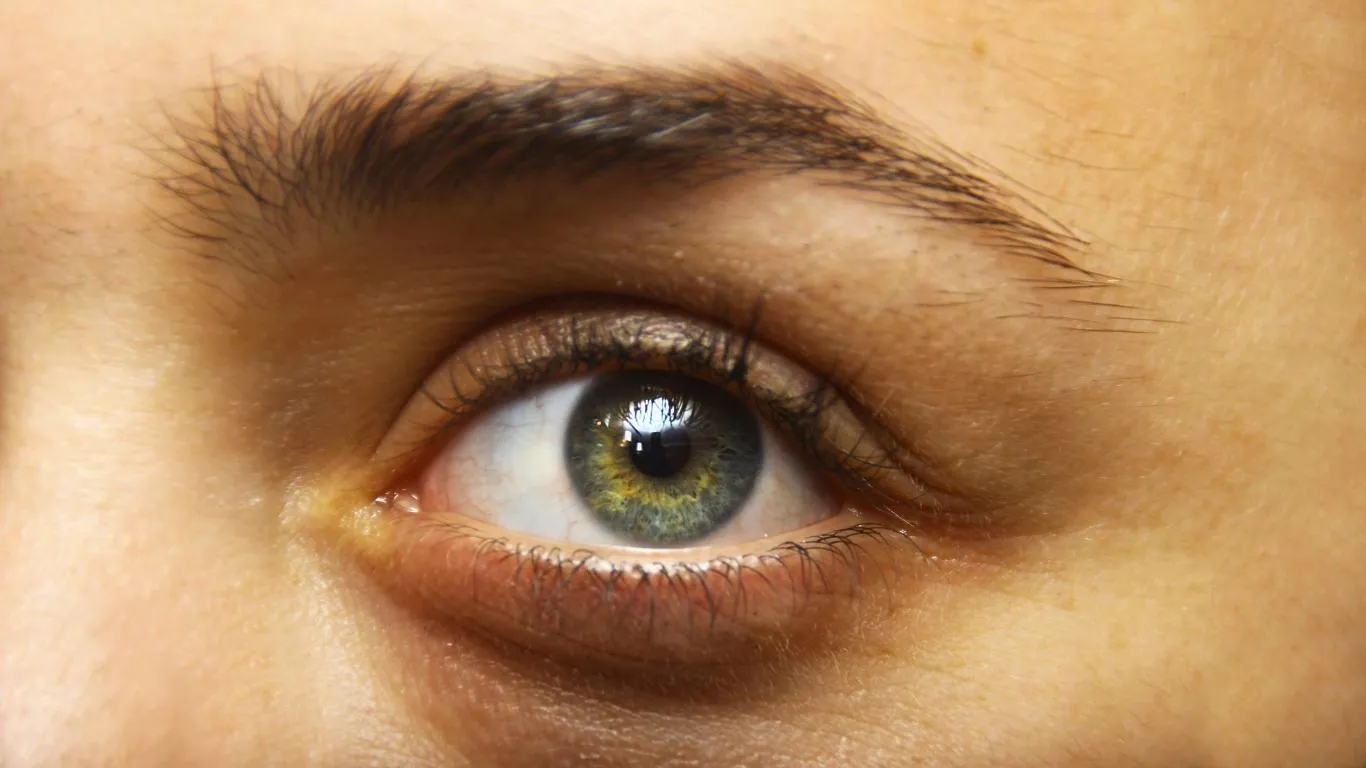
Let’s start with what floaters actually are. These are tiny bits of protein, collagen, or cellular debris suspended in the vitreous humor—the gel-like substance inside your eyeball. They drift as your eyes move, and when light hits them, they cast shadows on your retina. But here’s the interesting bit: outdoors, especially on a bright day, the environment provides the perfect contrast and lighting conditions to make those floaters stand out like dust on a polished lens.
Indoors, with artificial light and darker backgrounds, they tend to blend in, becoming much less noticeable. It’s not that the floaters only appear outdoors—it’s just that they become more visible against bright, uniform backgrounds, like a clear blue sky or a sunlit wall.
How Light Conditions Trigger Floater Visibility
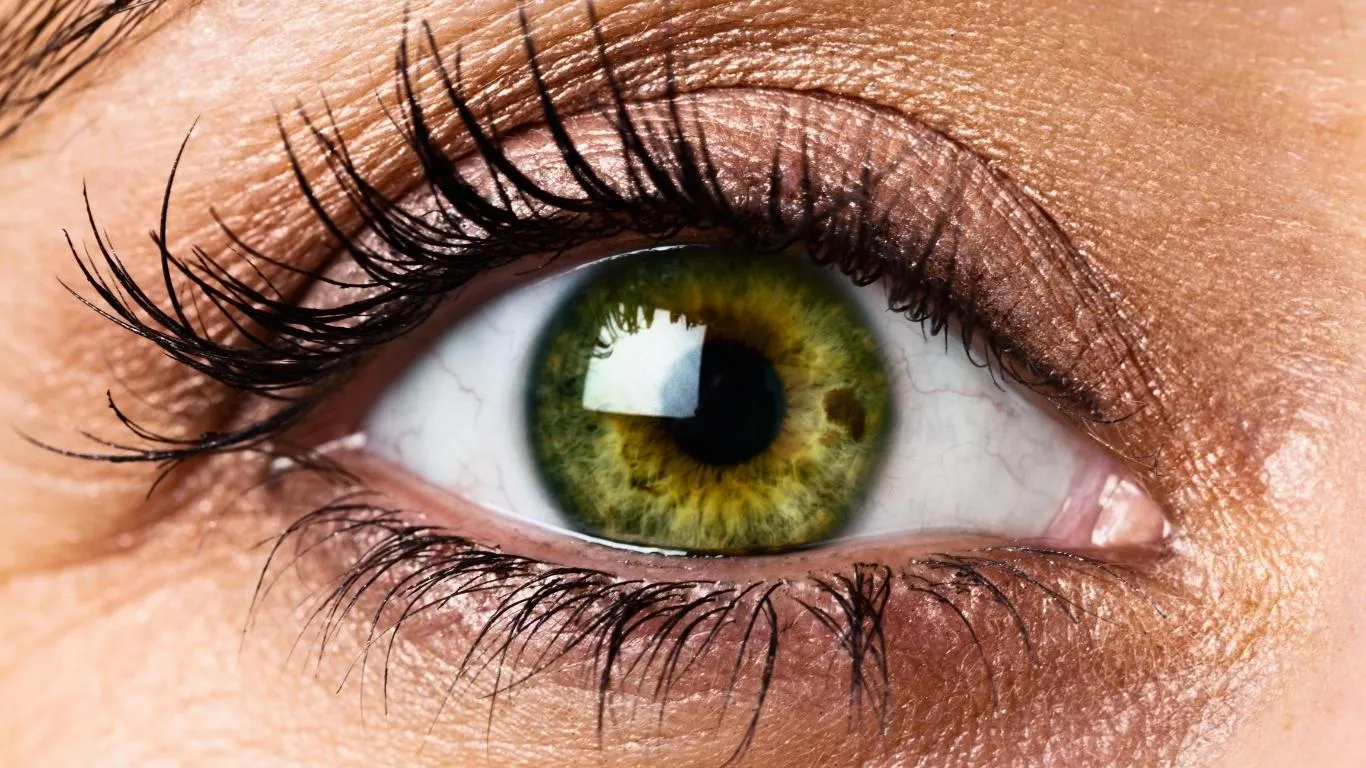
High-intensity natural light tends to highlight the density and movement of floaters more than indoor light does. I remember once, after a run on a cloudless afternoon, I looked up to stretch and got distracted for a solid five minutes by the floating shapes in my eyes. That crisp lighting exposed floaters I didn’t even know I had. This visual effect becomes more exaggerated if:
- You’ve recently had eye strain or excessive screen time
- Your pupils are more constricted in bright light
- You’re dehydrated or haven’t had enough rest
Interestingly, researchers have pointed out how exposure to bright light can increase awareness of floaters. It doesn’t create them, but it makes you more conscious of what’s already present in your vitreous.
Could Outdoor-Only Floaters Signal a Health Issue?
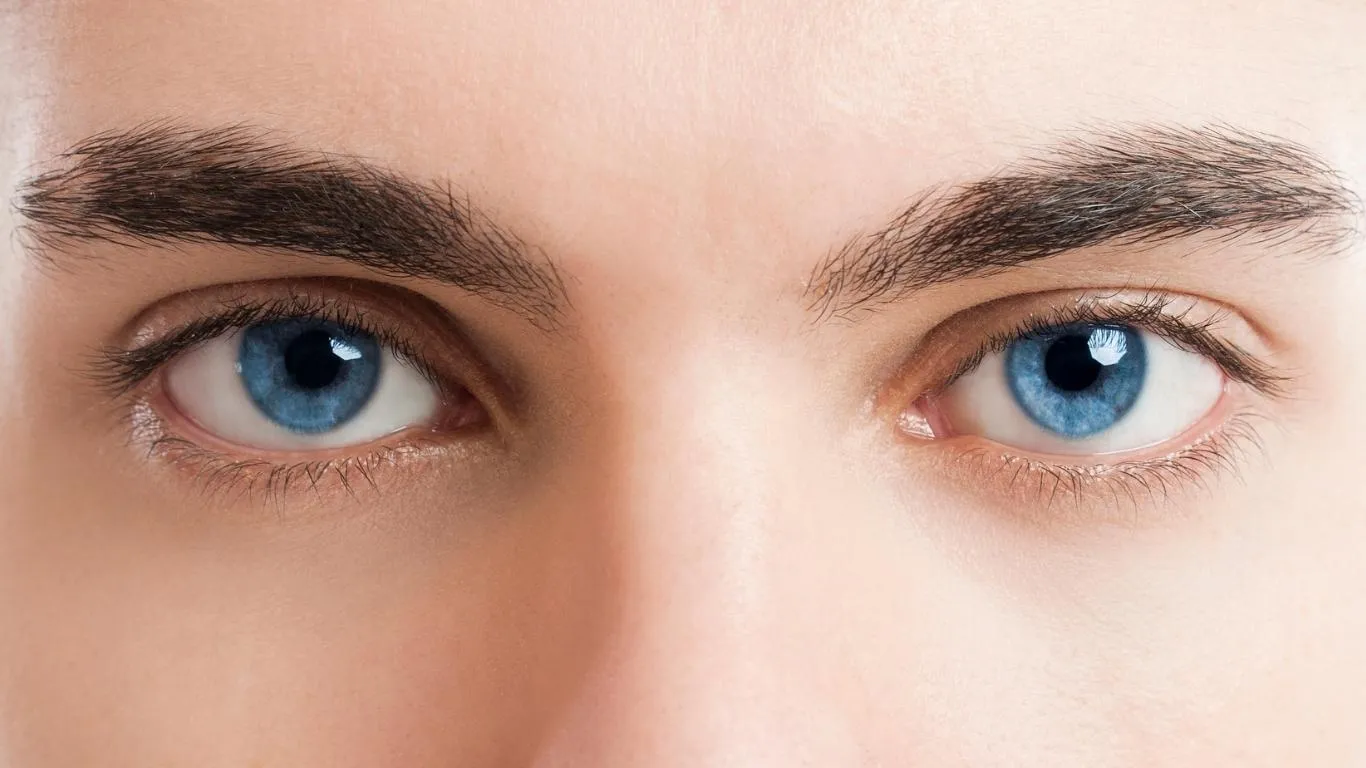
Okay, so what if you’re noticing floaters only when you’re outside—is it harmless, or something more? Most of the time, it’s benign. But in some cases, sudden changes—like floaters that appear in bursts or seem to dart quickly across your field of vision—might suggest something more serious, such as posterior vitreous detachment or early signs of retinal tear.
That’s why it’s important not to dismiss any sudden spike in floater activity, even if it seems tied to outdoor lighting. If the floaters are accompanied by flashes of light, peripheral shadows, or partial loss of vision, get your eyes checked immediately. One of the most thorough guides I’ve found on this is the posterior vitreous detachment explainer.
You might also want to review the main causes of floaters, especially if you’re over 40 or have underlying conditions like high myopia or diabetes.
Environmental Triggers: Why Outdoors Amplifies the Effect
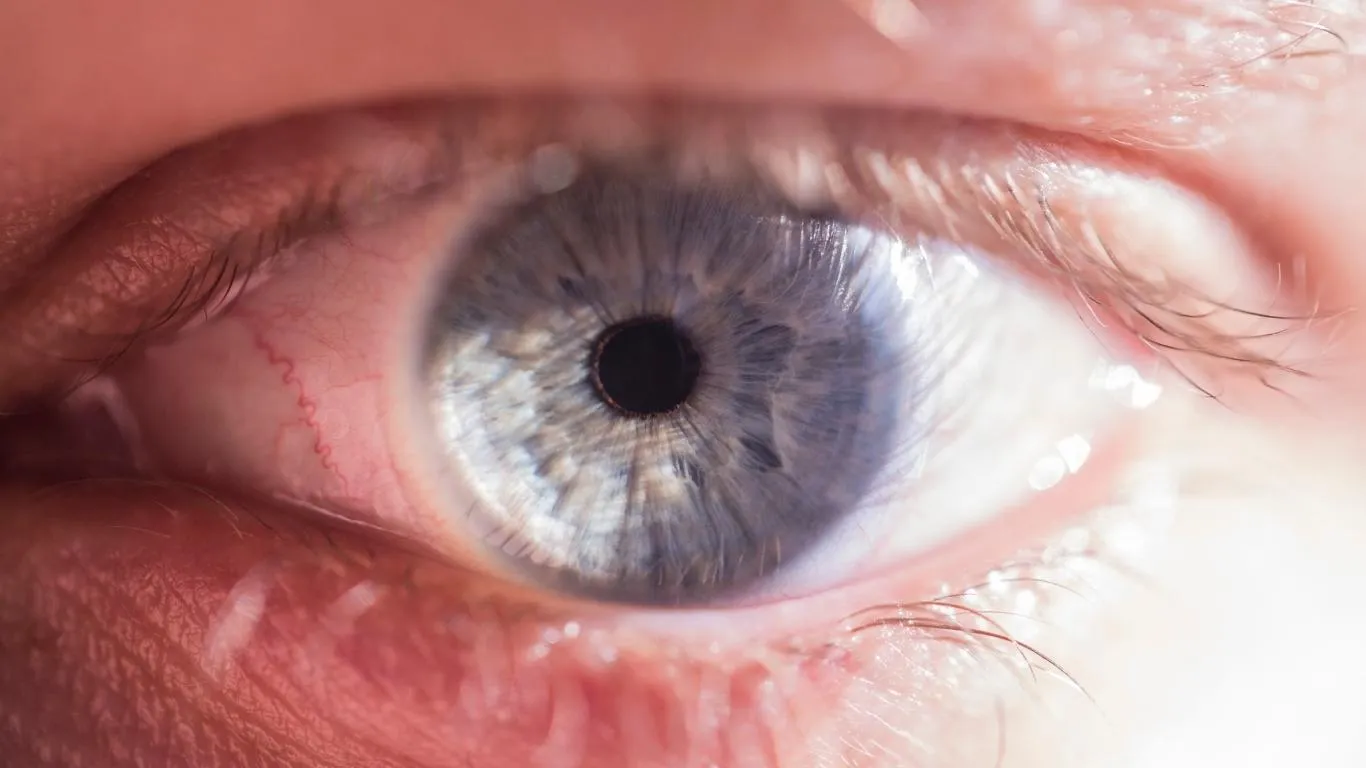
Floaters outdoors aren’t just about lighting—they’re also tied to the elements. Wind, dry air, allergens, and even UV exposure may lead to dry eye syndrome or ocular inflammation, which in turn makes floaters more prominent.
Some personal triggers I’ve identified for myself include:
- Allergies flaring up during spring hikes
- Windy beach days (which dry my eyes out like sandpaper)
- Altitude changes during hikes in the mountains
These aren’t direct causes of floaters, but they do worsen symptoms or create the perfect storm to make existing floaters hyper-visible.
Why It’s Not Just in Your Head: Psychological Factors
Here’s a weird but true insight: when you’re in a relaxed, open environment—like walking outdoors—your mind tends to wander. That’s when your eyes and brain might pick up subtle changes in your vision that you’d normally ignore indoors. It’s a bit like noticing the sound of a clock ticking only when the house is silent.
Increased awareness is also linked to stress and anxiety. When I was dealing with a particularly stressful work deadline, I became obsessed with floaters—especially outdoors. Turns out, the more I focused on them, the more they seemed to appear. And guess what? That made me even more anxious. A vicious loop.
For more on this topic, check out the helpful piece on relieving stress-induced floaters.
Could Sunlight and UV Exposure Play a Role?
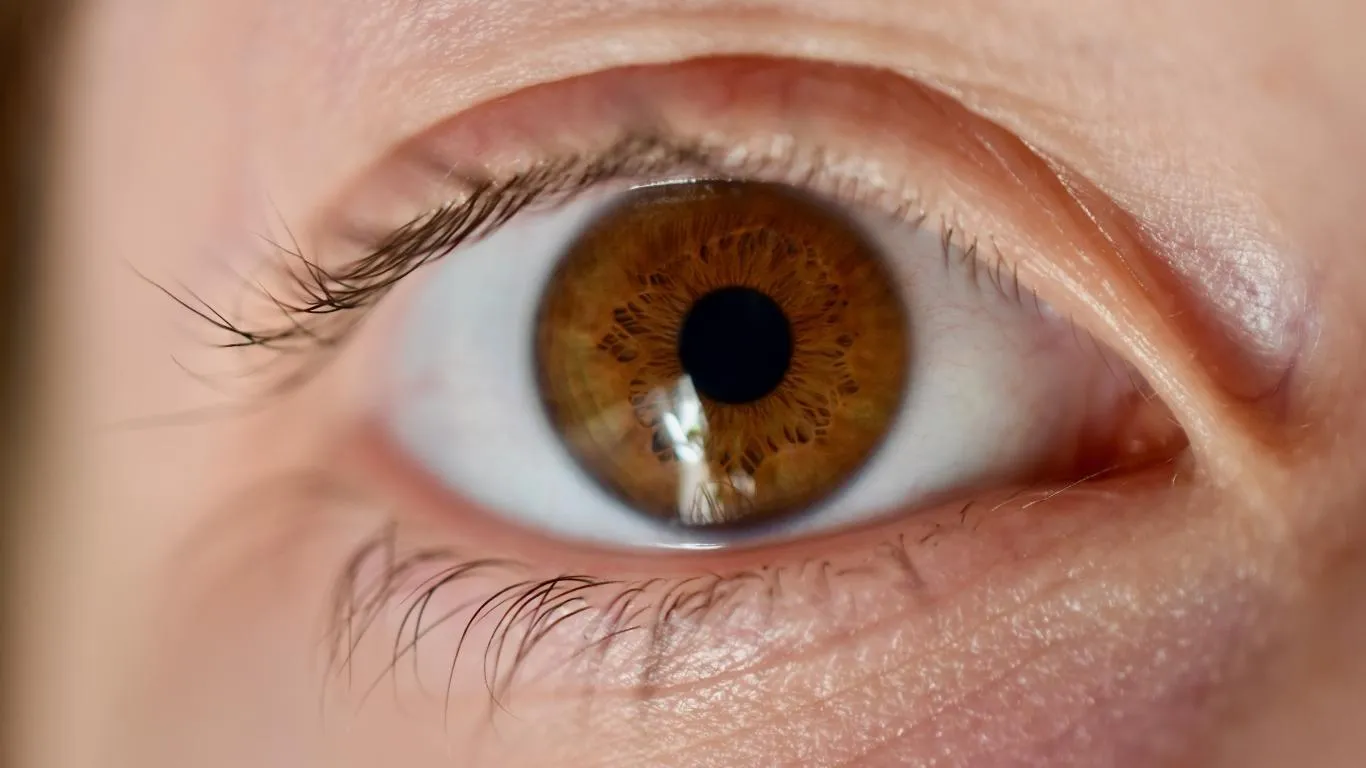
Some studies—like those summarized on nei.nih.gov and aao.org—suggest that prolonged exposure to UV rays may contribute to long-term changes in the vitreous humor. While this doesn’t mean direct cause-effect for floaters, it does imply that outdoor exposure might have cumulative impact, especially if you aren’t using proper eye protection.
I didn’t think much of this until I invested in a good pair of UV-blocking sunglasses. Believe it or not, the number of floaters I noticed outdoors dropped significantly. It’s not a cure, but it’s definitely a game-changer if you’re sensitive to light.
If you want to get a deeper understanding of what’s going on with your floaters in various situations, I’d highly recommend starting with this core article on causes, symptoms, and treatment options for eye floaters.
#LNF

Camellia Wulansari is a dedicated Medical Assistant at a local clinic and a passionate health writer at Healthusias.com. With years of hands-on experience in patient care and a deep interest in preventive medicine, she bridges the gap between clinical knowledge and accessible health information. Camellia specializes in writing about digestive health, chronic conditions like GERD and hypertension, respiratory issues, and autoimmune diseases, aiming to empower readers with practical, easy-to-understand insights. When she’s not assisting patients or writing, you’ll find her enjoying quiet mornings with coffee and a medical journal in hand—or jamming to her favorite metal band, Lamb of God.