Why Anxiety While Waiting For Medical Results Feels Overwhelming
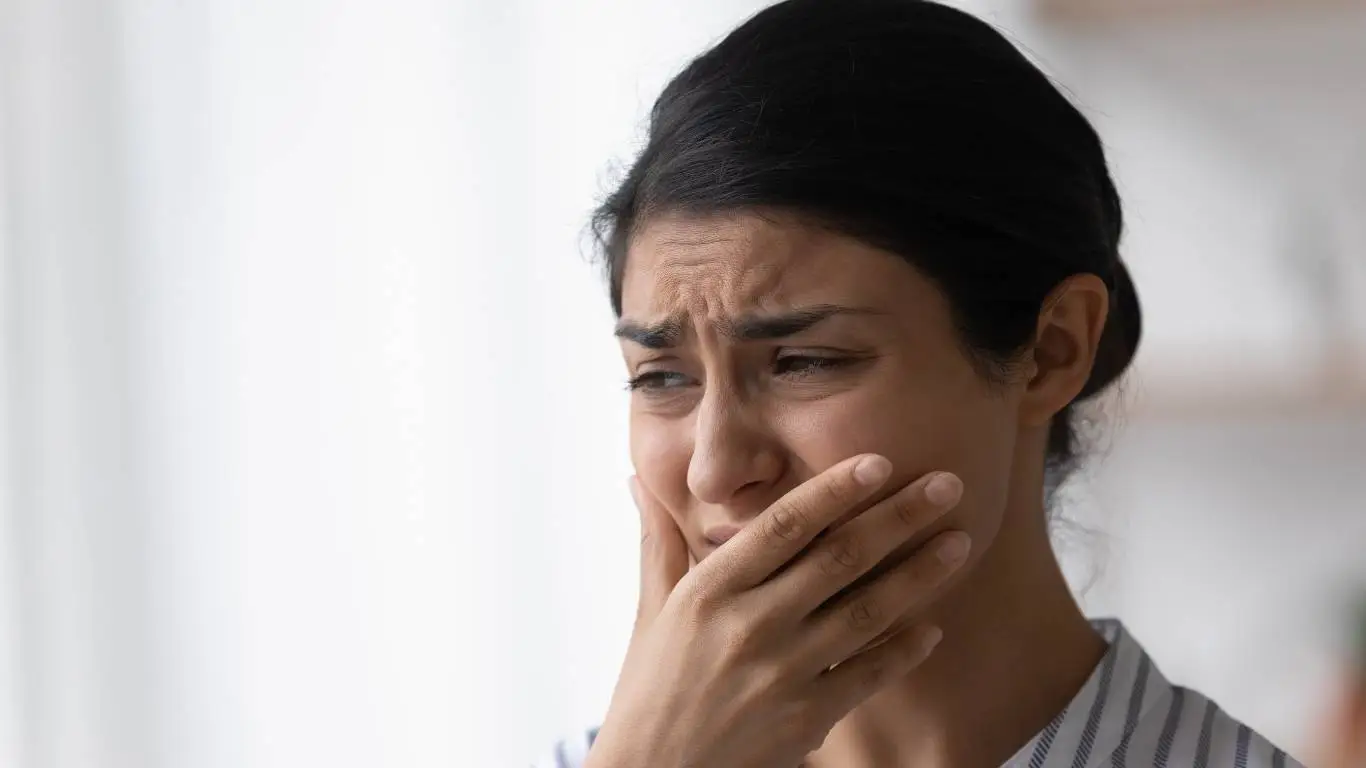
It’s wild how a routine check-up can spiral into something mentally exhausting. I remember sitting in my car after the doctor told me they found “something unusual.” No clear diagnosis yet, just the dreaded “We’ll wait for the results.” And boom—my brain took off. Racing thoughts. Tight chest. Couldn’t sleep. Couldn’t eat. If you’ve ever experienced anxiety while waiting for medical results, you know exactly what I’m talking about. The silence between tests and answers can be louder than any diagnosis itself. Let’s talk about why this happens—and more importantly, how you can manage it without losing your mind.
Why Waiting for Test Results Triggers Anxiety

The Brain’s Need for Closure
Our brains absolutely hate uncertainty. Psychologists call it “intolerance of uncertainty,” and when you’re waiting for test results, you’re living inside that discomfort 24/7. It’s no surprise that your mind starts imagining the worst-case scenario.
When I was waiting for my MRI results, every little twinge in my body felt like “proof” something was wrong. But here’s the thing: the brain isn’t trying to be cruel—it’s trying to protect you. Unfortunately, in trying to predict what’s coming, it often fuels very real physical symptoms that mimic serious illness.
Fear of the Unknown
Uncertainty breeds fear. And when your mind doesn’t have clear facts, it fills in the blanks—usually with terrifying scenarios. That’s why anxiety while waiting for medical results can feel all-consuming. There’s nothing concrete to fight, yet it’s exhausting. You’re stuck in mental limbo.
Common Physical Symptoms During the Waiting Period

- Chest tightness or palpitations
- Digestive issues or nausea
- Insomnia and restlessness
- Shortness of breath or dizziness
Many people don’t even realize their symptoms are anxiety-related. I once convinced myself I was having a heart issue, when in fact, it was a panic attack that felt identical to a heart attack. If you’ve been there, you’re not alone. It’s incredibly common, and often overlooked by both patients and physicians.
What Helped Me Survive the Waiting Game

Grounding Yourself in the Present
Sounds cliché, right? But grounding techniques saved me more than once. When your mind starts spinning, bring yourself back to your surroundings. Try the 5-4-3-2-1 technique: identify 5 things you can see, 4 you can touch, 3 you hear, 2 you smell, and 1 you taste. It pulls your brain out of the spiral and plants it back in reality.
Limit the Google Spiral
Raise your hand if you’ve searched your symptoms online and ended up convinced you were dying. Yeah, me too. It’s human nature to look for answers, but too much Googling can feed catastrophic thinking. Stick to credible sites like Mayo Clinic, CDC, or NIH if you must research—but do so with boundaries.
Have a Plan—Even If It’s Just for Today
Make a loose structure for your day. Nothing overwhelming—just a rough idea of what you’ll do in the morning, afternoon, and evening. Whether it’s laundry, a short walk, or a phone call, small tasks help re-anchor your focus.
Therapeutic Tools That Actually Help
Cognitive Behavioral Therapy (CBT)
CBT helped me untangle some of the worst health anxiety spirals. It teaches you how to recognize distorted thinking patterns and swap them for healthier ones. It’s not magic, but it’s empowering. If you’re curious, this breakdown of CBT techniques for anxiety really helped me understand how it works.
Progressive Muscle Relaxation
This one surprised me. I learned it from a guided app, and it was a total game-changer. The slow tensing and releasing of muscle groups had an immediate calming effect. You can follow along with audio, and it’s great before bed. Try incorporating it nightly or during peak anxiety surges. Here’s a great guide to how it works for daily anxiety.
Breathwork Techniques
Don’t underestimate how powerful breathing can be. Deep belly breathing or 4-7-8 breath patterns literally rewire your nervous system in real time. Here’s a list of breathing exercises that actually worked for me when I couldn’t stop pacing the room waiting for that phone call.
Nutrition, Lifestyle, and Small Daily Shifts

Magnesium and Omega-3s
Both are proven to support a calmer mind. Once I started adding more magnesium-rich foods (like spinach, dark chocolate, and pumpkin seeds) and omega-3s (from walnuts and salmon), my baseline anxiety lowered. No joke. If you’re not sure where to start, check out these magnesium foods and this omega-3 overview.
Limit Sugar and Caffeine
I used to slam iced coffee while waiting for test calls. Bad move. My heart raced even more. Both caffeine and high sugar intake amplify anxiety symptoms. I learned this the hard way, but reducing both was life-changing. See why sugar quietly worsens anxiety and how caffeine might sabotage calm.
When It Feels Like Too Much

Talk to Someone
Sometimes, no amount of journaling or yoga can beat back the fear. That’s when I turned to professional help. Whether it’s a therapist or a support group, therapy for anxiety is valid, effective, and often life-saving.
Also check out this main resource on the hidden causes of anxiety and how they often go unrecognized. It helped me realize that this anxiety wasn’t just about waiting—it was about years of unchecked stress finally boiling over.
To better understand how anxiety fits into your broader daily life, I also recommend exploring the main article on anxiety’s impact on daily life. You might be surprised by what resonates.
How to Keep Living Your Life While You Wait
Structure = Sanity
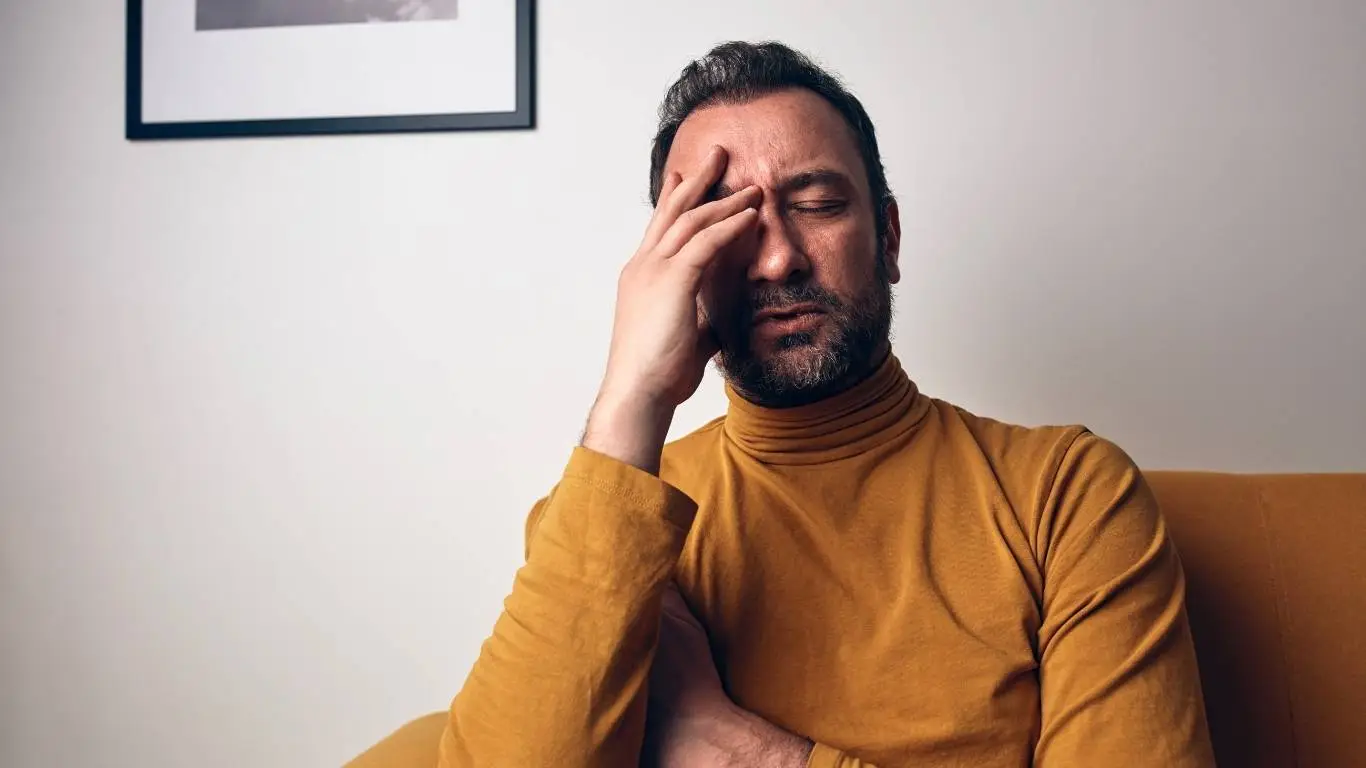
I learned quickly that time slows down when you’re waiting for test results. Hours feel like days. That’s why I started building little rituals into my day. A walk right after breakfast. A set time to journal. Cooking something from scratch. Anything to inject routine into the unknown. It’s weird, but even folding laundry helped me feel in control of *something*.
Micro-Moments of Joy Matter
When anxiety is high, joy can feel like a foreign language—but it’s *so* important to reconnect with it. For me, it was watching old comedy clips on YouTube and re-reading my favorite parts of books I loved. Moments like those became tiny lifelines. They reminded me there’s still light, even while you’re walking through the dark.
Be Selective with Who You Talk To
This one surprised me. Not everyone is helpful during health anxiety. Some people unintentionally fuel your fear with horror stories or unsolicited advice. I chose just one or two people to open up to—friends who knew how to sit with discomfort instead of rushing to fix it. That made a world of difference.
What NOT to Do While You’re Waiting

- Don’t obsessively refresh your patient portal. Been there. Every five minutes. No new results, just more tension.
- Avoid self-diagnosing with endless symptom research. Google is a slippery slope. It starts with “mild headache” and ends with you convinced you have a brain tumor.
- Don’t isolate yourself completely. I know how tempting it is to cocoon yourself, but even a short phone call or a walk with someone you trust can lift your mental fog.
And here’s something that helped me reframe the obsession with “what ifs”: I reminded myself that worrying won’t make the results arrive faster, and it definitely won’t change what they say. That little truth kept me grounded more than once.
Tools and Techniques for Long-Term Management

Mindfulness Meditation
I used to think meditation was too “woo-woo” for me. But when I actually tried guided mindfulness, it shocked me how powerful it was. It didn’t silence the anxiety completely—but it gave me space between my thoughts. That space made it easier to breathe. Check out how mindfulness can rewire your anxious brain.
Journaling for Anxiety Relief
This wasn’t a “dear diary” situation. Just a brain dump—scribbling out my fears, frustrations, and every ridiculous “what if” that popped into my head. Once it was on paper, it lost some of its power. I highly recommend these journaling prompts if you’re not sure where to start.
Progressive Relaxation at Night
Nights were the worst for me. The quiet made the fear louder. That’s when I leaned hard on progressive relaxation—slowly tensing and releasing each muscle group. It gave my body a reason to chill, even when my brain refused to.
How Lifestyle Shifts Can Ease the Edge

Sleep Hygiene for Sanity
I underestimated how much poor sleep fed my anxiety. Blue light, late-night scrolling, caffeine after 3PM—these were tiny choices with huge effects. I started turning my phone off an hour before bed and picked up an old-school alarm clock to avoid that late-night doomscrolling habit. Here’s why it works.
Say No to Overcommitment
Trying to “stay busy” can backfire. When your plate is too full, your brain doesn’t get breathing space to process your feelings. I learned to decline invites, push meetings, and build in *actual* downtime. And shockingly, no one was mad about it.
Cutting Back on Alcohol and Sugar
I thought a glass of wine would help me relax. It didn’t. Alcohol disrupted my sleep and increased my anxiety the next morning. Sugar had a similar effect. Once I swapped them out for herbal teas and magnesium snacks, my baseline tension dropped. No exaggeration. You can explore some of the best herbal teas for anxiety if you’re curious what actually works.
When to Ask for More Help

If your anxiety feels like it’s growing stronger each day, not weaker, please don’t wait. I waited too long before asking my doctor about treatment options. Whether it’s therapy, medication, or a mix of both—help is out there, and you absolutely deserve it. This diagnostic guide really helped me figure out what kind of support was available.
I also encourage you to explore the broader discussion on therapy options for anxiety disorders so you can understand what might work best for you. And don’t skip this deep dive into how anxiety infiltrates daily routines—it helped me make sense of so much.

Camellia Wulansari is a dedicated Medical Assistant at a local clinic and a passionate health writer at Healthusias.com. With years of hands-on experience in patient care and a deep interest in preventive medicine, she bridges the gap between clinical knowledge and accessible health information. Camellia specializes in writing about digestive health, chronic conditions like GERD and hypertension, respiratory issues, and autoimmune diseases, aiming to empower readers with practical, easy-to-understand insights. When she’s not assisting patients or writing, you’ll find her enjoying quiet mornings with coffee and a medical journal in hand—or jamming to her favorite metal band, Lamb of God.