How Aging Lens Affects Floaters and Makes Them Worse Over Time
It started with a few squiggly shadows—harmless, I thought. I blamed it on a dusty room or tired eyes. But those floaters didn’t go away. As someone in my mid-40s, I figured it was just part of getting older, like creaky joints or grey hairs. But turns out, your aging eye lens could be doing more than just struggling to focus—it might be behind those floaters dancing across your vision.
Understanding the Aging Eye Lens
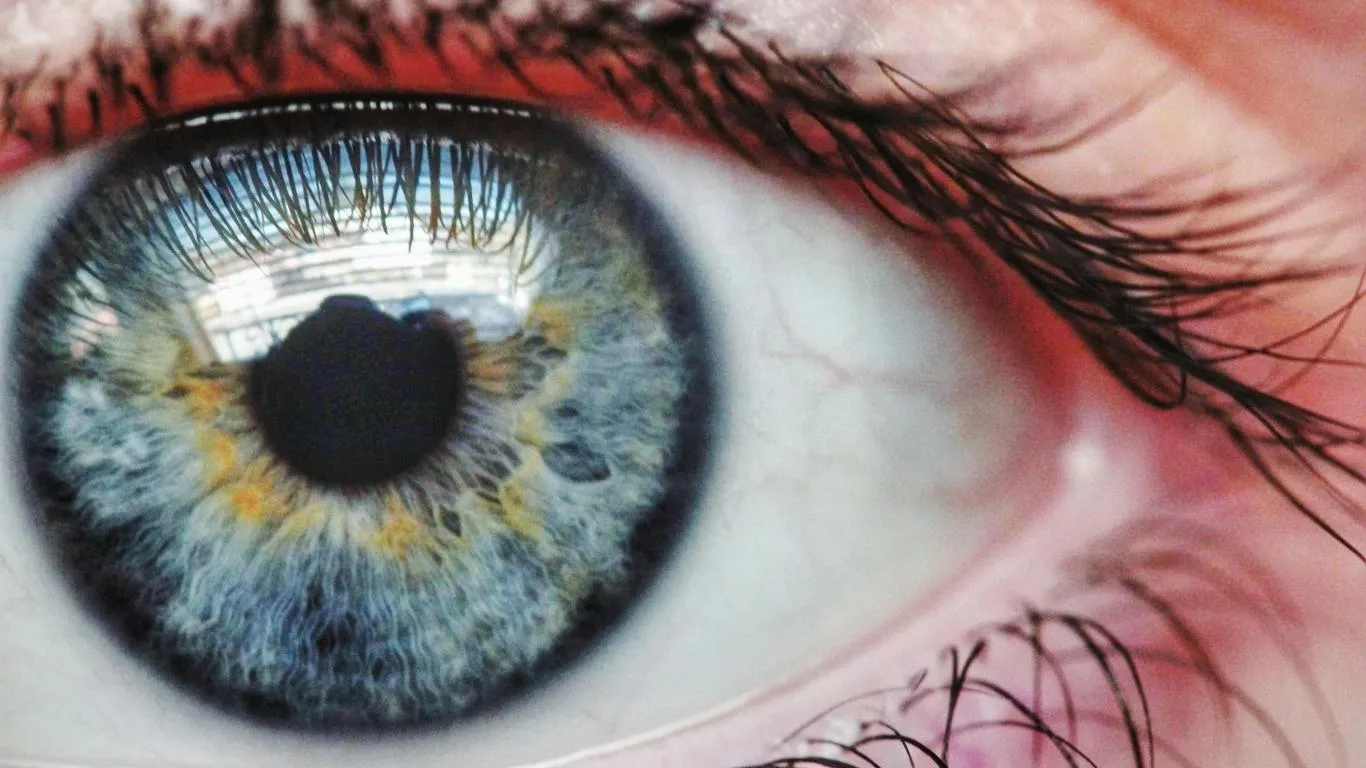
Our eyes age just like the rest of our body. But the lens inside the eye plays a central role in vision changes that happen over time—including floaters. The eye’s lens, which once flexed effortlessly to focus on near and far objects, starts to harden and yellow as we age. This isn’t just about needing reading glasses; it can also affect the vitreous gel behind it.
The lens doesn’t directly cause floaters, but its aging process indirectly kicks off changes in the vitreous—the gel-like substance that fills your eye. As light passes through the lens and vitreous to reach the retina, any tiny clumps in the gel can cast shadows that appear as floaters. And when the lens ages, it changes how light moves through your eye and how the vitreous behaves.
The Connection Between Lens Aging and Vitreous Detachment
The eye’s lens sits right in front of the vitreous gel. As we age, the lens becomes stiffer and less transparent. This can shift pressure points in the eye and encourage the vitreous to detach from the retina—a common cause of floaters.
Doctors call this posterior vitreous detachment (PVD), and while it’s usually harmless, the sudden increase in floaters is often alarming. I remember mine started just weeks after a particularly intense staring contest with a spreadsheet. Could that strain have accelerated things? Possibly. But the root issue is often just time doing what time does best—change everything.
How Age-Related Lens Changes Alter Light Flow
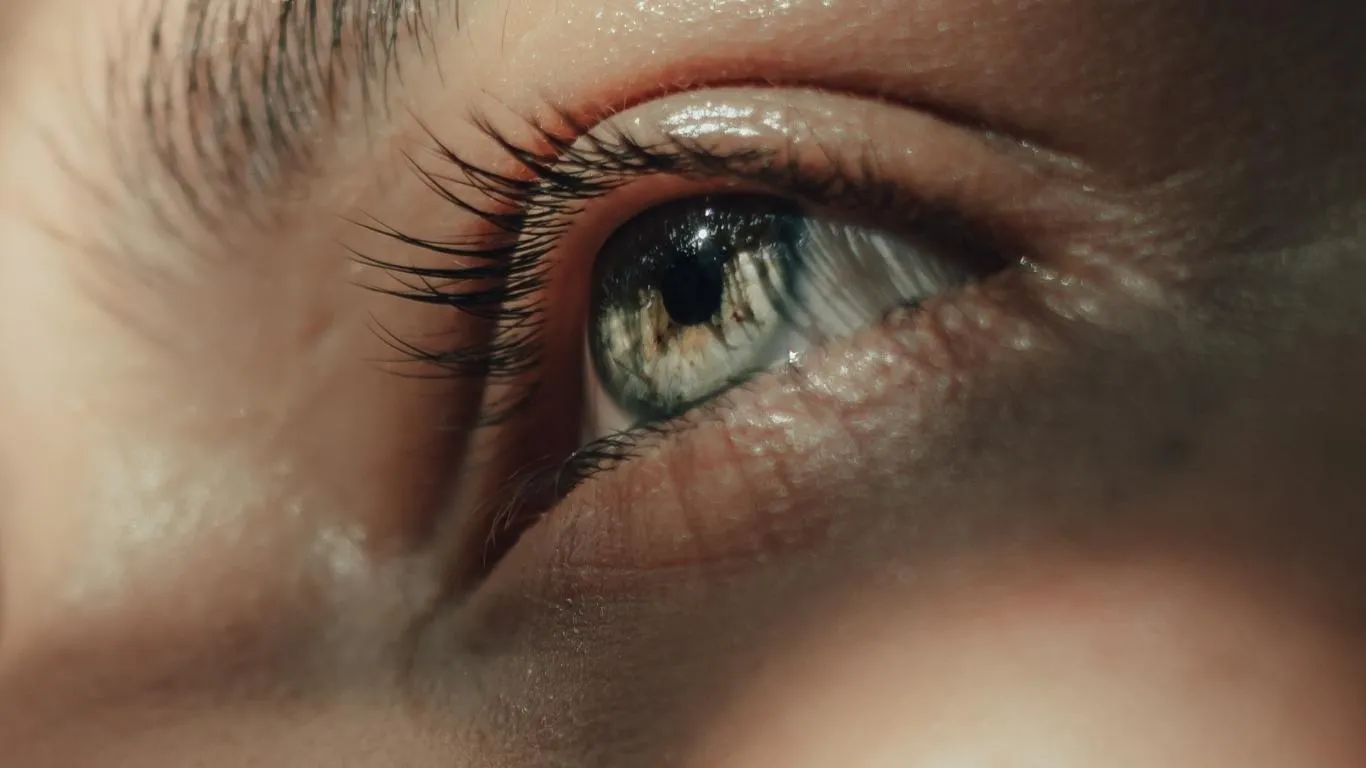
As the lens hardens, it also becomes slightly cloudier, scattering more light before it even reaches the retina. This scattering makes floaters more noticeable, especially in bright environments or against white backgrounds (like your phone screen). In my case, I noticed them most when driving on sunny days—floaters almost seemed to dance on the windshield.
Common Age-Related Lens Conditions That Influence Floaters
- Presbyopia: While this doesn’t cause floaters, it can shift your attention to them more. You focus differently and may be more aware of shadows in your vision.
- Cataracts: Cloudy lenses change how you perceive light and shadows, making floaters stand out more prominently.
- Lens Yellowing: As the lens discolors with age, it filters light differently, increasing contrast around floaters.
Interestingly, people with cataracts often report fewer floaters—only to be greeted by a swarm of them after surgery. That’s because the new artificial lens is crystal-clear, and floaters that were always there become suddenly visible. If you’ve had cataract surgery and now see floaters, here’s what you need to know: do-eye-floaters-appear-or-get-worse-after-cataract-surgery.
Signs Aging Lens Is Making Floaters Worse
So how do you know your lens is partly to blame? Here are some clues I wish I had recognized earlier:
- Floaters become more defined after 40, even with no eye trauma.
- Increased difficulty with contrast or bright light.
- Blurred or distorted vision alongside new floaters.
In some cases, it’s not just the floaters but the way your eye processes light that changes. Fatigue, smoking, and vitreous liquefaction all tend to accelerate once the lens loses its youthful elasticity.
Can You Prevent or Slow This Process?
We can’t stop time (yet), but we can influence how gracefully our eyes age. Based on both my experience and what my ophthalmologist advised, here’s what helps:
- UV Protection: Always wear sunglasses outdoors. UV accelerates lens aging fast.
- Nutrition: Antioxidants like lutein and zeaxanthin support lens and retinal health.
- Hydration: Dehydration thickens the vitreous, making floaters more prominent. Learn more here: does-dehydration-make-eye-floaters-worse-what-to-know.
- Quit Smoking: Smoking speeds up lens yellowing and damages collagen in the vitreous.
- Routine Eye Exams: Catching subtle changes early can help manage symptoms better.
Helpful Internal Resources You Shouldn’t Miss
- Common Causes of Eye Floaters – Comprehensive insight into what causes floaters as we age.
- What Are Eye Floaters? – A complete guide to floaters from diagnosis to treatment options.
There’s no magic solution, but knowing how your lens and floaters relate can give you some peace of mind—and maybe a few tools to keep things from getting worse. Stay tuned, because there’s a lot more that can happen when the lens and vitreous start aging together.
#LNF

Camellia Wulansari is a dedicated Medical Assistant at a local clinic and a passionate health writer at Healthusias.com. With years of hands-on experience in patient care and a deep interest in preventive medicine, she bridges the gap between clinical knowledge and accessible health information. Camellia specializes in writing about digestive health, chronic conditions like GERD and hypertension, respiratory issues, and autoimmune diseases, aiming to empower readers with practical, easy-to-understand insights. When she’s not assisting patients or writing, you’ll find her enjoying quiet mornings with coffee and a medical journal in hand—or jamming to her favorite metal band, Lamb of God.