Floaters From Excessive Eye Rubbing Can Worsen Over Time
Okay, let’s be real—I used to rub my eyes all the time. Like, *constantly*. Early mornings, late nights, mid-Zoom call when nobody’s watching. And honestly? I never thought twice about it. But then, one day, I started noticing these weird, floaty squiggles in my vision that wouldn’t go away. Sound familiar?
What Really Happens When You Rub Your Eyes Too Much

It’s tempting—rubbing your eyes feels like scratching an itch you didn’t know you had. But your eyes aren’t built to handle repeated pressure like that. When you rub them with force or frequency, you’re compressing and shifting delicate internal structures. Over time, this can lead to vitreous disturbances, retinal stress, and even microscopic damage. And yes, that includes triggering or worsening eye floaters.
Eye floaters from excessive rubbing are often overlooked. People associate them with age or random bad luck, but trauma—even the kind you cause yourself by rubbing—can play a big role. According to this detailed look at rubbing-induced floaters, consistent pressure can disturb the gel-like vitreous body inside your eye, causing it to pull away or clump up—hello, floaters.
Why Floaters After Rubbing Feel So Immediate
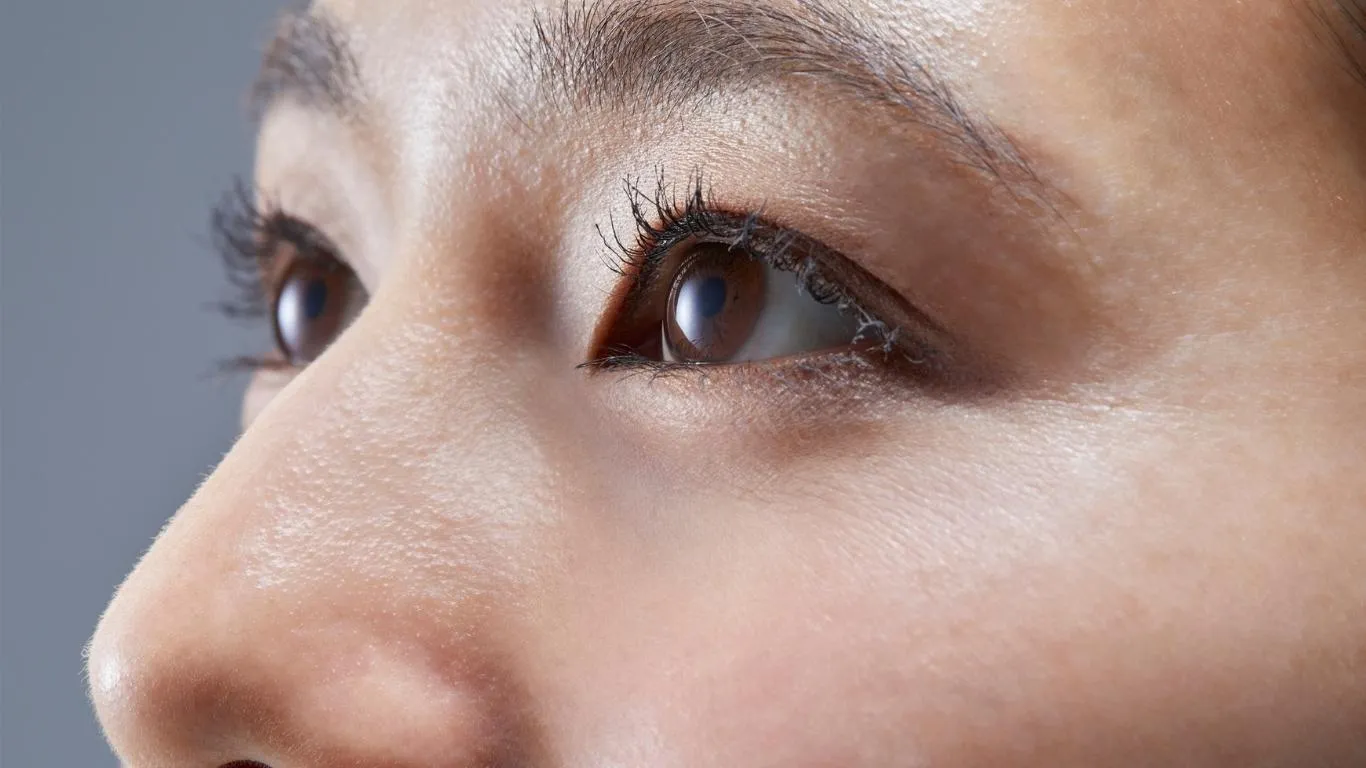
One thing I noticed when my floaters started: they showed up almost right after one of my aggressive eye rub fests. That’s not a coincidence. Excessive eye rubbing can lead to sudden shifts in the vitreous, especially if your eye is already a little dry, strained, or inflamed. The movement causes the collagen fibers in the vitreous to tangle or detach, which shows up as floaters in your field of vision.
This isn’t just anecdotal either. Experts at aao.org have noted that trauma (even minor) to the eye can accelerate the process of posterior vitreous detachment (PVD), one of the most common causes of floaters. And guess what? Eye rubbing—especially over time—is classified as repetitive microtrauma.
Signs You Might Be Making Things Worse
So how do you know if your rubbing habit is really the culprit? Here are some tell-tale signs:
- You notice floaters *right* after a good rub session
- Your floaters appear in bursts, not gradually
- You experience temporary blurred vision or flashes after rubbing
- You rub more frequently due to dryness, allergies, or screen fatigue
Combine those with existing conditions—like nearsightedness or previous eye surgery—and you’re more prone than most. If you’ve ever had LASIK or PRK, for instance, your eyes may already be more fragile. And if you’re curious about that, check this out: why floaters after LASIK can get worse.
When Floaters After Rubbing Aren’t Just Annoying
Most floaters are harmless, sure. But excessive eye rubbing can sometimes be the tipping point for something more serious, like a retinal tear or detachment. If floaters come on suddenly, increase in number, or you see flashes of light, it’s time to stop Googling and call your eye doctor—now.
One overlooked condition that overlaps here is posterior vitreous detachment. It usually happens with age but can be triggered prematurely by trauma—like rubbing. Another resource worth skimming: this guide on retinal tear floaters.
Can Allergies Be Fueling the Habit?
100% yes. Allergies are like the gateway drug to eye rubbing. The constant itching leads to more frequent rubbing, which leads to—you guessed it—more floaters. I used to deal with seasonal allergies badly, and each spring I’d end up noticing more specks drifting across my vision.
Interestingly, there’s research suggesting that eye inflammation caused by allergies can make the vitreous more sensitive to movement. So rubbing an already inflamed eye? Double trouble. Learn more in this deep dive on floaters and allergy meds.
Tips to Stop Rubbing Before It Wrecks Your Vision
Trust me, breaking the habit is tough—but worth it. Here’s what worked for me and might help you too:
- Artificial tears: Use preservative-free drops when your eyes feel dry. It mimics the relief you get from rubbing.
- Cold compress: Great for itchiness or puffiness without pressure.
- Allergy management: Over-the-counter antihistamines or prescription drops can keep symptoms in check.
- Screen breaks: The 20-20-20 rule (every 20 mins, look at something 20 feet away for 20 seconds) helped me a ton.
- Mindful touching: Be aware of how often you reach for your eyes unconsciously.
In fact, keeping a bottle of lubricating drops on my desk has become my #1 defense. That, and reading up on the best treatment options for floaters helped me feel less panicked when I saw one float into view.
Learn More About What Causes Floaters Beyond Rubbing
Of course, rubbing isn’t the only reason floaters show up. It’s just one piece of a bigger puzzle. Aging, eye trauma, and even certain medications can contribute. To understand the full scope, check out this complete resource: common causes of eye floaters.
And if you’re just starting to deal with these vision gremlins and want to dig deeper into what they are, why they happen, and what you can actually *do* about them, the main breakdown is right here: What Are Eye Floaters: Causes, Symptoms & Treatment Options.
#LNF

Camellia Wulansari is a dedicated Medical Assistant at a local clinic and a passionate health writer at Healthusias.com. With years of hands-on experience in patient care and a deep interest in preventive medicine, she bridges the gap between clinical knowledge and accessible health information. Camellia specializes in writing about digestive health, chronic conditions like GERD and hypertension, respiratory issues, and autoimmune diseases, aiming to empower readers with practical, easy-to-understand insights. When she’s not assisting patients or writing, you’ll find her enjoying quiet mornings with coffee and a medical journal in hand—or jamming to her favorite metal band, Lamb of God.