Why Generalized Anxiety Disorder in Teenagers Is Quietly Getting Worse
When I first noticed my teenage cousin constantly worrying about things that didn’t even seem like a big deal, I brushed it off as typical teenage angst. You know—school, friends, maybe social media overload. But over time, I realized it went beyond the usual ups and downs. Turns out, what she was dealing with was something many teens face but rarely talk about: generalized anxiety disorder (GAD). And honestly, it’s way more common than most of us think.
Understanding Generalized Anxiety Disorder in Teenagers

GAD in teenagers isn’t just about being “worried too much.” It’s a persistent, nagging feeling that something’s wrong—even when nothing really is. These worries can shift from school grades to friendships, family, health, or even world events. Teens with GAD often feel like their mind is always racing, like there’s a never-ending storm cloud hovering overhead.
According to NIMH, nearly 32% of adolescents are affected by some form of anxiety disorder, and many go undiagnosed. That’s a staggering number considering how little we talk about this issue openly. And yes, there’s still stigma, especially when it comes to teenagers who are often told to “toughen up” or “get over it.”
Common Signs You Shouldn’t Ignore
So how do you tell if a teen is dealing with GAD and not just typical teenage stress? It’s not always obvious, but there are red flags to watch for:
- Constant worrying even when there’s no clear cause
- Irritability or restlessness—like they just can’t seem to relax
- Trouble sleeping or staying asleep
- Difficulty concentrating in school or during conversations
- Complaints of headaches, stomachaches, or other physical issues with no medical explanation
One thing I noticed with my cousin was the frequent dizziness and nausea before school or social events. We thought it was just nerves, but it was her anxiety manifesting physically. That’s a thing, and it’s surprisingly common.
Why Teens Are More Vulnerable to GAD Today

Let’s be real—teenagers today are up against way more pressure than we were. Between academic expectations, college prep, extracurriculars, and the ever-intense world of social media, it’s no wonder anxiety is rising.
Social comparison is relentless. Teens scroll through highlight reels of others’ lives while quietly battling their own insecurities. And with the growing trend of online learning or hybrid education, performance anxiety has a new digital twist. It’s not just public speaking that makes them anxious anymore—it’s even turning on their webcam in class.
Add to that the weight of genetic predispositions, hormonal changes, and lack of coping tools, and you have the perfect storm for GAD to thrive.
The Role of Parenting and Environment
This one hits close to home. Sometimes, despite our best intentions, we unknowingly contribute to their stress. Overprotective parenting, high expectations, or even subtle signs of our own anxiety can rub off on teens. They’re incredibly perceptive—even if they pretend not to care. That’s why managing our own anxiety as parents or guardians is crucial.
Effective Ways to Help Teens Manage GAD

I won’t lie—supporting someone with GAD can feel overwhelming. You want to fix it, make it go away. But the truth is, the best thing we can do is walk with them, not try to carry them.
Practical Coping Techniques
Here are a few strategies that have worked for my cousin and many others:
- Breathing Exercises: Deep, slow breathing can interrupt anxiety spirals. We used this simple method before tests and social events. Game changer.
- Journaling: Getting thoughts out of their head and onto paper helps teens see their worries more clearly. Try guided journaling prompts—they’re great for building emotional awareness.
- Progressive Muscle Relaxation: Tensing and relaxing muscles one group at a time helps release physical tension. It’s subtle but surprisingly effective. See how it’s done here.
Encouraging teens to talk to a mental health professional can also be a game changer. Cognitive Behavioral Therapy (CBT) has shown major success in managing GAD symptoms. And yes, sometimes medication is needed too—but always under guidance.
Creating a Safe Space
More than anything, teens need to feel seen and heard. They might not always open up on their own, so keep the conversation door open. Instead of pushing, just be present. A late-night snack, a drive, or even gaming together can be the right moment to talk. Trust me, I’ve had some of the most honest convos during Taco Bell runs.
For a deeper dive into lifestyle approaches that support anxiety management, check out this comprehensive guide on self-help strategies. Also, it’s worth exploring how anxiety quietly affects daily functioning if left unchecked.
When It’s Time to Seek Professional Help
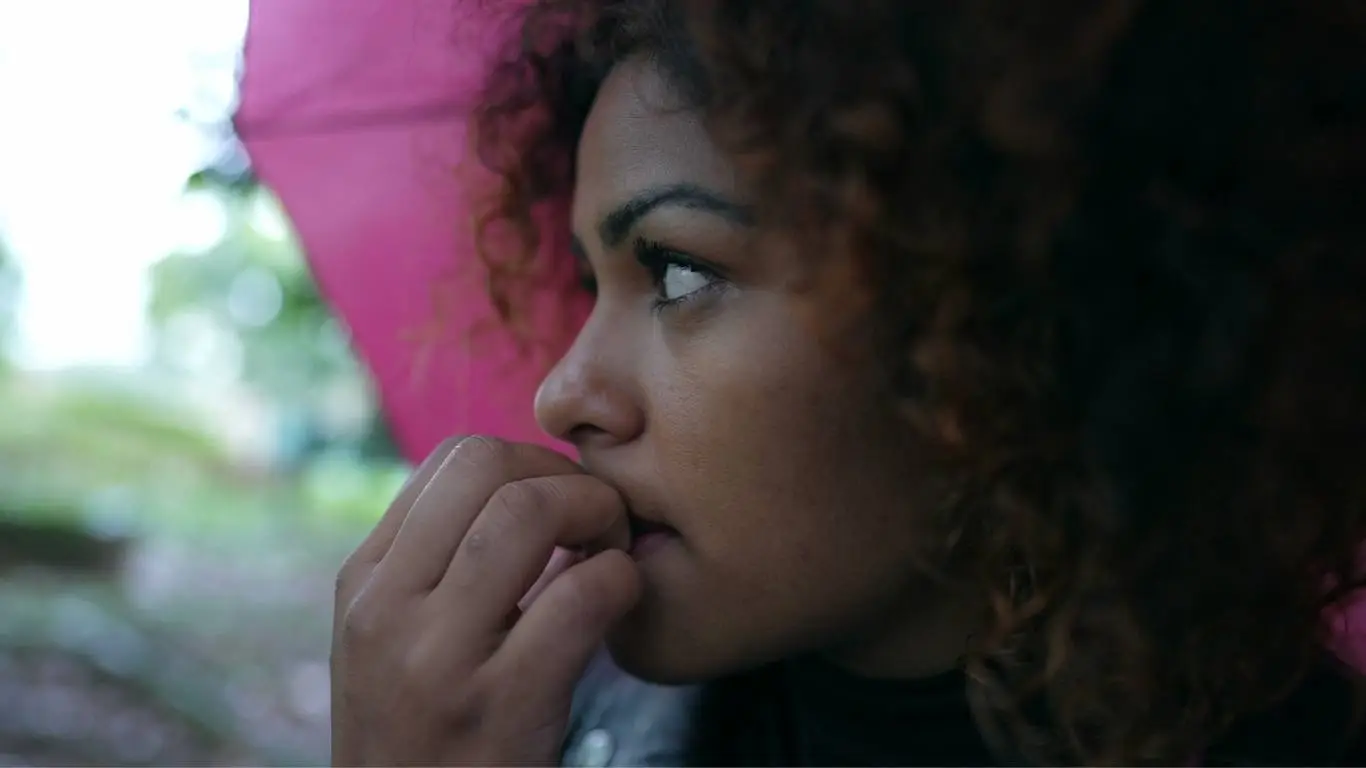
If you’re wondering whether your teen’s anxiety needs professional attention, chances are—it does. And that’s not a bad thing. Therapy isn’t some dramatic last resort; it’s a legit tool for helping teens build mental resilience and emotional regulation. And honestly, it can be the difference between surviving and actually thriving in those turbulent teen years.
One of the most effective treatments for GAD in teens is Cognitive Behavioral Therapy (CBT). It focuses on reshaping negative thought patterns and is often recommended as a first-line approach. There’s also Acceptance and Commitment Therapy (ACT), which helps teens move through anxiety rather than fighting it head-on. It’s like emotional judo—and it works.
What Therapy Looks Like for Teens
Therapy sessions aren’t stiff or awkward like you might imagine. Good therapists know how to meet teens where they are—whether that’s through talk therapy, games, creative outlets like drawing, or even movement. One teen I know did a mix of therapy and art therapy, and it helped unlock feelings they couldn’t verbalize otherwise.
In some cases, medication might be introduced, especially if anxiety is interfering with sleep, school, or social life. SSRIs like those discussed here have been shown to be effective with teens. The key is monitoring and balance—not throwing pills at the problem.
School, Social Life, and the GAD Balancing Act

School can be one of the biggest anxiety triggers. From standardized testing to speaking in front of classmates, GAD can turn everyday tasks into mountains. And let’s not forget the social side—teenagers are navigating friendships, peer pressure, dating, and identity formation. It’s like emotional dodgeball 24/7.
If your teen is struggling with performance anxiety, especially in school or public settings, these tips can help ease that pressure. Small wins—like making it through a presentation or attending a school dance—build confidence over time.
Creating a GAD-Friendly Routine
Structure is your teen’s best friend—even if they act like they hate it. Creating routines helps reduce the mental load and limits decision fatigue. Try this:
- Set a regular sleep schedule: Avoid the “midnight TikTok scroll” if possible. GAD and sleep issues go hand in hand.
- Meal timing: Blood sugar crashes mimic anxiety symptoms. Keep meals balanced and consistent.
- Built-in breaks: Encourage 5-10 minute “unplug moments” between tasks. Breathwork, walks, even silly dancing helps.
It’s also important to make time for creative outlets, play, and unstructured fun. When teens feel pressure to constantly be productive, GAD gets worse.
The Role of Lifestyle, Nutrition, and Holistic Support

We can’t talk about anxiety without touching on what teens put in—and leave out of—their bodies. Nutrition plays a bigger role than most people realize. For example, high sugar intake can mimic and intensify anxiety symptoms. Same goes for dehydration and excessive caffeine. I remember one teen who quit energy drinks and saw a dramatic change in their daily anxiety levels. It was wild.
Some nutrients that support calm and mood stability:
- Magnesium: Found in leafy greens and nuts—check out these calming food options.
- Omega-3s: From fatty fish or supplements; they reduce inflammation and support brain function.
- Probiotics: Gut health impacts mental health more than we think. Learn more here.
Holistic approaches like yoga, mindfulness meditation, or even EFT tapping can also provide physical release and calm. They aren’t a replacement for therapy, but they absolutely complement it.
One of the most powerful tools in healing? Feeling less alone. Teens often believe they’re the only ones dealing with this kind of anxiety, especially when everyone else seems “fine.” That’s why support groups—even virtual ones—can be transformative. Hearing someone say “me too” hits differently when you’re in the trenches of GAD.
Moving Forward with Empathy and Support

Living with generalized anxiety disorder as a teenager doesn’t mean a life of struggle. With the right support, therapy, and daily habits, teens can learn to manage their anxiety and lead fulfilling lives. As someone who has seen this firsthand, I can tell you—it takes patience, trust, and a whole lot of empathy. But it’s worth it.
For a full picture of teen anxiety symptoms, causes, and treatment paths, I highly recommend this pillar article on anxiety disorder symptoms. And if you haven’t already, don’t miss the central piece on how anxiety disorders quietly shape everyday life—it’s one of the most important reads for parents and caregivers alike.

Camellia Wulansari is a dedicated Medical Assistant at a local clinic and a passionate health writer at Healthusias.com. With years of hands-on experience in patient care and a deep interest in preventive medicine, she bridges the gap between clinical knowledge and accessible health information. Camellia specializes in writing about digestive health, chronic conditions like GERD and hypertension, respiratory issues, and autoimmune diseases, aiming to empower readers with practical, easy-to-understand insights. When she’s not assisting patients or writing, you’ll find her enjoying quiet mornings with coffee and a medical journal in hand—or jamming to her favorite metal band, Lamb of God.