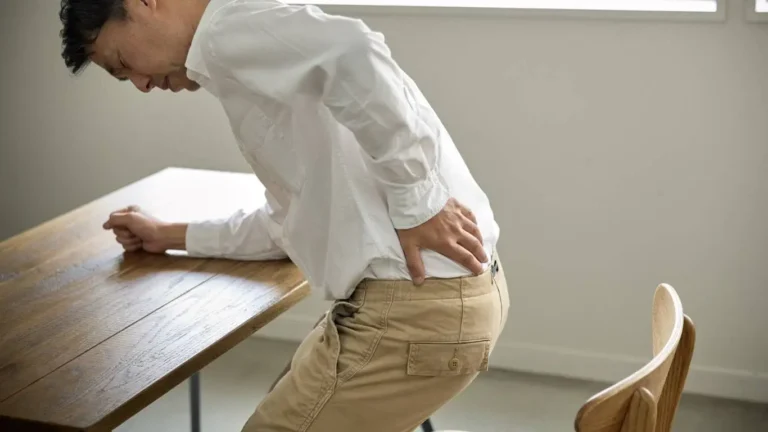
How Weight Gain Increases Your Risk of Persistent Back Pain
Let’s be real—most of us have gone through phases where the scale creeps up and the jeans get a little tighter. I’ve definitely had my share of “I’ll start on Monday” moments. But what surprised me the most wasn’t just how I felt in my clothes—it was the dull ache that started settling into my lower back. At first, I brushed it off as just a bad night’s sleep or maybe too much time at my desk. But then I started wondering… could a few extra pounds really mess with my spine?
How Extra Weight Disrupts Spinal Alignment

Your spine is built to support your body—but when you throw extra weight into the mix, especially around the midsection, it begins to shift the natural curve of the spine. This can cause disc issues, pinch nerves, and lead to muscle imbalances. Trust me, when your core isn’t pulling its weight (literally), your lower back gets cranky real fast.
What Happens to Posture
Weight gain often changes your center of gravity. When that shift happens, your posture compensates—typically in all the wrong ways. Shoulders roll forward, pelvis tilts, and before you know it, you’re slouching like a teenager in math class.
- Increased lordosis (exaggerated inward curve)
- Pelvic misalignment
- Strain on lower lumbar vertebrae
The Vicious Cycle of Inactivity and Pain

Here’s the trap: back pain makes you move less. Moving less leads to weight gain. Weight gain then amplifies the pain. It’s like being stuck in a cycle that keeps spinning until you actively break it. According to cdc.gov, sedentary lifestyles are one of the leading contributors to musculoskeletal issues, including chronic back pain. And I totally get it—who wants to hit the gym when just standing hurts?
Real Talk: Getting Moving Again
After dealing with persistent pain, I finally gave water-based workouts a try. Low-impact but still challenging, they helped me avoid flaring things up. Another surprisingly helpful trick? Yoga for back pain. The stretches improved mobility and actually made it easier to manage weight over time.
- Start with short walks—5 to 10 minutes daily
- Incorporate gentle stretching routines
- Use resistance bands for low-impact strength training
Why Belly Fat Hits Your Spine the Hardest

One of the lesser-known back pain villains? Abdominal fat. Unlike fat distributed more evenly across your body, belly fat shifts everything forward. It puts serious pressure on the lower vertebrae and throws off balance in a way that makes chronic pain much more likely. I found out the hard way that even a modest gain in that area made a huge difference in how my back felt at the end of the day.
If you’re seeing the connection between weight and pain, check out this guide on how posture contributes to chronic pain. It’s eye-opening and practical.
The Hormonal Connection You Might Not Expect

Weight gain often goes hand-in-hand with hormonal shifts—especially around menopause, thyroid issues, or even stress. What’s wild is how this messes with not just your metabolism but your muscle tone and joint stability. Back pain during menopause isn’t just a myth—it’s real, and weight plays a big role in how severe it gets.
Stress, Cortisol & Inflammation
Chronic stress leads to elevated cortisol, which encourages fat storage—mostly around the belly—and increases inflammation throughout the body. This inflammation can affect your joints, muscles, and even the small tissues that support spinal function. According to ncbi.nlm.nih.gov, this systemic inflammation may directly contribute to back pain severity.
How Weight Impacts Back Pain Differently Across Ages

Here’s where things get interesting—weight gain doesn’t affect everyone the same. In your 20s and 30s, extra pounds often result in soft tissue strain. But as we get older, that same weight triggers structural breakdowns in the spine. Think bulging discs, degenerative disc disease, and even spinal stenosis. If you’re older, check out the full breakdown of elderly-related back pain for more insights.
Don’t Ignore the Red Flags
Persistent pain paired with sudden weight gain could be signaling more than just strain. Herniated discs or kidney-related issues can present as back discomfort too. It’s always better to consult with a professional rather than self-diagnose.
For a deeper dive into spinal mechanics and causes behind back pain, visit the complete resource on back pain causes. It gives a full breakdown and links directly to related treatments, anatomy, and more.
Also, if you’re just starting to explore your back pain symptoms and how they may relate to lifestyle, posture, or diet, check out the comprehensive back pain main pillar article for a foundational understanding.
How Your Diet Fuels (or Fights) Inflammation and Back Pain

If I’m being honest, my eating habits were a mess during the worst of my back pain. Too much takeout, late-night snacking, and zero regard for anti-inflammatory foods. Turns out, your diet isn’t just about weight control—it directly impacts pain levels. Eating high-sugar, high-fat processed food fuels systemic inflammation, and that’s bad news for your back.
For anyone dealing with chronic back discomfort, cutting inflammatory foods is just as crucial as physical therapy. Start with basics—ditch soda, limit fried food, and up your intake of omega-3s. I started making small changes like switching to whole grains and adding turmeric to meals, and it really helped reduce stiffness in the mornings.
This guide on natural remedies and diet for back pain covers all the essentials, from anti-inflammatory recipes to supplements that actually make a difference.
What to Eat for a Happier Back
- Leafy greens like spinach and kale
- Fatty fish (salmon, sardines)
- Walnuts and chia seeds
- Colorful fruits (berries, cherries)
- Spices like turmeric and ginger
How Sleep and Weight Create a Back Pain Loop

Here’s something I didn’t expect—my weight and back pain were wrecking my sleep. And the worse I slept, the more my body held onto weight. Poor sleep posture, pressure on the lower back, and shallow sleep cycles made recovery harder. You really can’t out-supplement a bad mattress or late-night Netflix habits.
And if your back is screaming every time you roll over, there’s a high chance your sleep posture is off. A firmer mattress, proper pillow support, and even stretching before bed helped me get deeper sleep and lower inflammation. This article on why chronic back pain hits differently touches on how prolonged stress responses from poor sleep worsen everything.
Simple Sleep Adjustments That Helped Me
- Switched to a medium-firm mattress
- Used a pillow between knees when side-sleeping
- Did 5-minute back stretches before bed
- Stopped scrolling my phone in bed (hard but worth it)
Why Movement Matters More Than the Scale

This one’s important—losing weight doesn’t have to be your first goal. In fact, just moving more each day can significantly reduce pain, even before the scale changes. It’s not about being thin. It’s about making your body more stable, mobile, and less inflamed.
When I began focusing on how I moved—rather than how I looked—I finally felt like I was making progress. Adding 15 minutes of walking, standing more during work, and practicing Pilates for core and back health gave me way more relief than obsessing over calories.
Mini-Movements to Start With
- Marching in place during TV commercials
- Stretching the hamstrings every morning
- Desk stretches every hour
- Wall sits while brushing teeth
If your pain flares up after sitting too long, it’s worth reading how sitting affects your spine—there’s more going on than you think.
Hidden Conditions That Amplify the Weight-Pain Link

Here’s where things get tricky. If you’ve been gaining weight and your back pain keeps getting worse despite your best efforts, something deeper might be going on. Conditions like ankylosing spondylitis, arthritis, or even osteoporosis can be worsened by weight gain but are often overlooked.
Not all back pain is just about weight or posture. Sometimes it’s structural or autoimmune. If things don’t improve after consistent changes in lifestyle, don’t wait—get a scan, bloodwork, or referral to a specialist. You’ll save yourself months (or years) of pain by being proactive.
And don’t ignore the warning signs listed here: middle back pain warning signs.
Getting Help—When to See a Pro

If your back pain wakes you up at night, makes walking hard, or spreads to your legs—it’s time to get checked out. I held off seeing a specialist for months, convinced I could “stretch it out” on my own. Spoiler: I couldn’t. Physical therapy and a proper diagnosis made a world of difference.
Seeing someone who actually listened (not just rushed me out with a painkiller script) helped me understand where the root issue was. Sometimes it’s not about losing weight first—it’s about knowing how your spine is functioning and what it needs to heal properly.
You can also explore more detailed treatment options in this resource on conservative back pain treatments. It goes beyond pills and outlines real rehab options that work.
And if you’re looking for a reliable foundation to understand your back pain better, don’t miss the complete Back Pain Main Pillar Article—it ties everything together.

Camellia Wulansari is a dedicated Medical Assistant at a local clinic and a passionate health writer at Healthusias.com. With years of hands-on experience in patient care and a deep interest in preventive medicine, she bridges the gap between clinical knowledge and accessible health information. Camellia specializes in writing about digestive health, chronic conditions like GERD and hypertension, respiratory issues, and autoimmune diseases, aiming to empower readers with practical, easy-to-understand insights. When she’s not assisting patients or writing, you’ll find her enjoying quiet mornings with coffee and a medical journal in hand—or jamming to her favorite metal band, Lamb of God.