Why Floaters Are More Noticeable Against White Backgrounds
Ever stared at a white wall or checked your email on a blank screen and suddenly noticed those drifting, transparent specks or squiggles? You’re not alone—I remember the first time I noticed mine while staring up at a bright sky. I genuinely thought there was dust in my eye. Turns out, these things have a name: eye floaters. And if they’re only visible when you’re looking at white or bright backgrounds, there’s a pretty good reason why.
Why Do Floaters Show Up Against White Backgrounds?
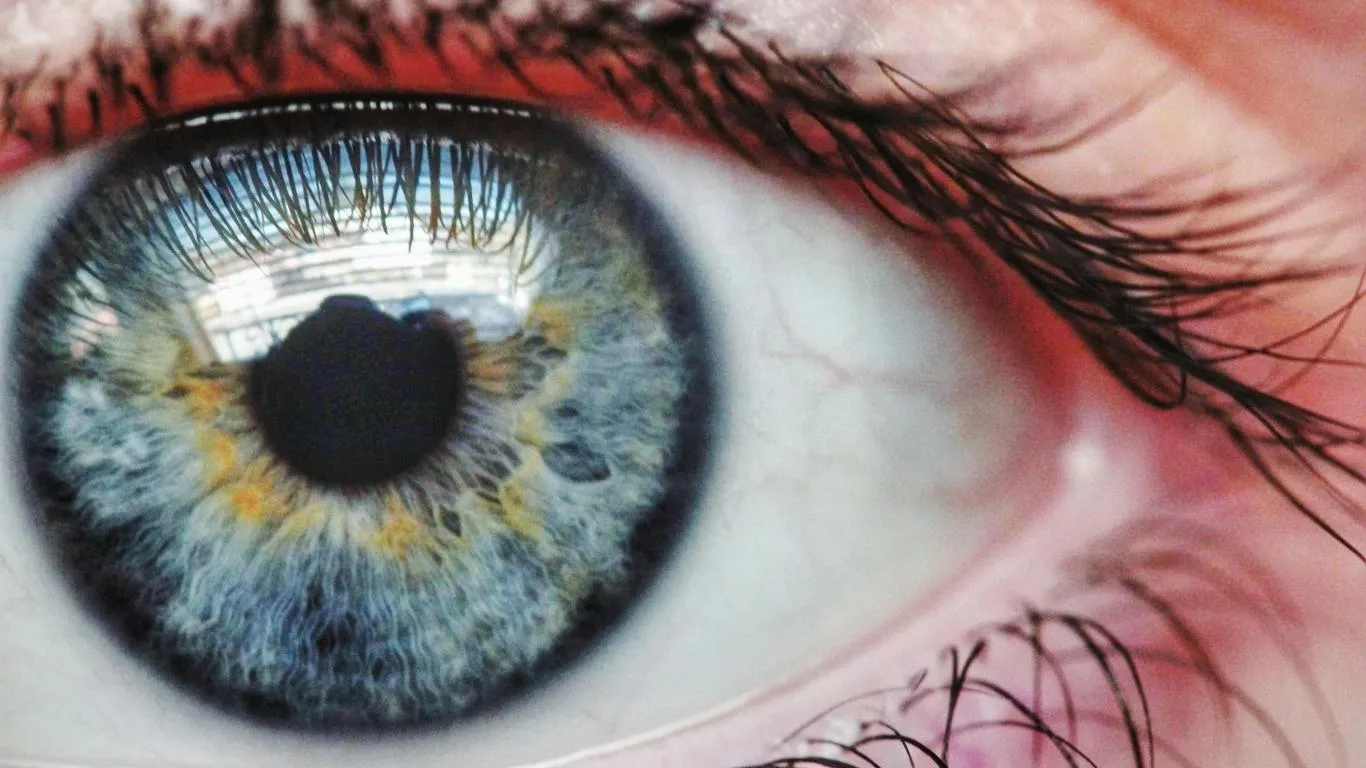
Most of us who deal with floaters aren’t seeing them all day long. They tend to pop up when our eyes are focused on something bright, like a white screen, a blank wall, or even snow. That’s because floaters are tiny clumps or strands in the vitreous humor—the gel-like substance in your eyeball—and they cast shadows on your retina. These shadows become noticeable when your surroundings are evenly lit and lack detail, like a white background.
What Floaters Really Are
In short, they’re microscopic bits of collagen breaking down in your eye’s vitreous. Sounds terrifying, but they’re usually harmless. Still, it’s a weird feeling when you’re just trying to read your inbox and a transparent squiggle floats by like it owns the place.
Personal Experience
I only started noticing mine after switching to a job where I stared at spreadsheets for hours. At first, I thought it was my monitor acting up—nope, it was my own eyes. And guess what? White Excel cells? Prime real estate for floaters to make an appearance.
What Makes White Surfaces the “Perfect Storm” for Floaters?
- Lack of Contrast: Floaters need contrast to be noticeable, and a blank white background provides the perfect one.
- Diffuse Lighting: Even lighting on a white background removes shadows and distractions, allowing the floater’s own shadow to take center stage.
- Eye Focus: When your eyes are fixed, like when reading or designing, floaters tend to drift into view more easily.
Some folks even confuse these for migraine auras or flashing lights, but floaters move as your eyes move—kind of like those old lava lamps, just less fun.
Could This Be a Sign of Something Serious?
If you’re seeing floaters *only* in bright conditions, that’s usually a good sign. But keep an eye out—literally—for certain red flags:
- A sudden increase in floaters
- Flashes of light
- Loss of peripheral vision
- A dark curtain effect
Those could point to something like a posterior vitreous detachment (PVD) or even a retinal tear. These aren’t common but they’re worth knowing about. Here’s a deep dive into floaters before a retinal tear you might want to check out.
Other Causes of Increased Visibility
While age is a major culprit, there are some other lesser-known but fascinating causes behind floaters that mostly appear on white backgrounds:
Trust me—I went through a stressful phase where mine felt like they were multiplying. A few nights of bad sleep and endless phone scrolling didn’t help either.
Can You Reduce How Often You See Them?
You can’t get rid of floaters just by willing them away, but some lifestyle shifts and habits can make them less noticeable or prevent more from showing up.
Simple Adjustments That Help
- Use darker themes on your apps or system interface
- Avoid staring at blank white screens for too long
- Reduce direct sunlight exposure when possible
- Invest in blue-light filtering or anti-glare glasses
Also, give your eyes a break. The American Academy of Ophthalmology recommends the 20-20-20 rule: every 20 minutes, look at something 20 feet away for 20 seconds. Helps with eye strain and keeps floaters from becoming the star of your vision show.
When Medical Help is Needed
Sometimes floaters can become so intrusive that they seriously affect daily life. In rare cases, people may consider procedures like a vitrectomy or laser therapy. But that’s usually after all conservative options have been exhausted. For a solid breakdown of eye floater treatments—from watchful waiting to surgery, this article does a great job.
If you’re just noticing these for the first time against white backgrounds and wondering what the heck is going on, don’t panic. But do stay informed. The main pillar article on causes, symptoms, and treatment gives a really helpful overview.
Why Bright Screens and Artificial Light Make Floaters Worse
If you’ve ever felt like your floaters get worse after a long Zoom call or an evening scrolling your phone, you’re not imagining it. Artificial lighting and bright digital screens are floaters’ best friends—at least when it comes to visibility. Our eyes get fatigued, our pupils contract in bright conditions, and that’s when those pesky floaters drift right into view.
Digital Eye Strain and Floaters
There’s a growing body of evidence linking extended screen time to visual fatigue. And while floaters aren’t caused by screens, they’re definitely more noticeable in that digital glow. Especially on white interfaces like spreadsheets, email apps, or websites with stark backgrounds. That’s one reason why I switched most of my apps to dark mode—it made a surprising difference.
Wondering whether screen time might be amplifying your floaters? Spoiler: it probably is. And if you also feel dry eyes creeping in, you’re not alone.
Are There Supplements That Help with Floaters?
This one’s tricky. There’s no miracle vitamin that zaps floaters away, but some nutrients can help protect the vitreous from further breakdown.
Top Supplements People Swear By
- Vitamin C – Helps with collagen synthesis and fights oxidative damage. Check this out: can it really help?
- Magnesium – May aid blood flow and nerve health. See this insight on magnesium and floaters.
- Collagen boosters – Some studies suggest they support vitreous integrity. Here’s a deeper look at collagen in eye floaters.
I’ve personally tried a few of these, and while floaters didn’t disappear, they’ve stopped getting worse. That in itself felt like a win.
Could Hormonal Changes Be Making It Worse?
If you’ve ever noticed floaters becoming more prominent around your 40s or during hormonal shifts like menopause or pregnancy, there might be a reason. Hormones affect collagen and fluid balance, both of which play a role in eye health.
Want proof? Here’s what floaters after menopause can tell you. And if you’re expecting, see this read on floaters during pregnancy.
How I Personally Manage Floaters When Working All Day on White Screens
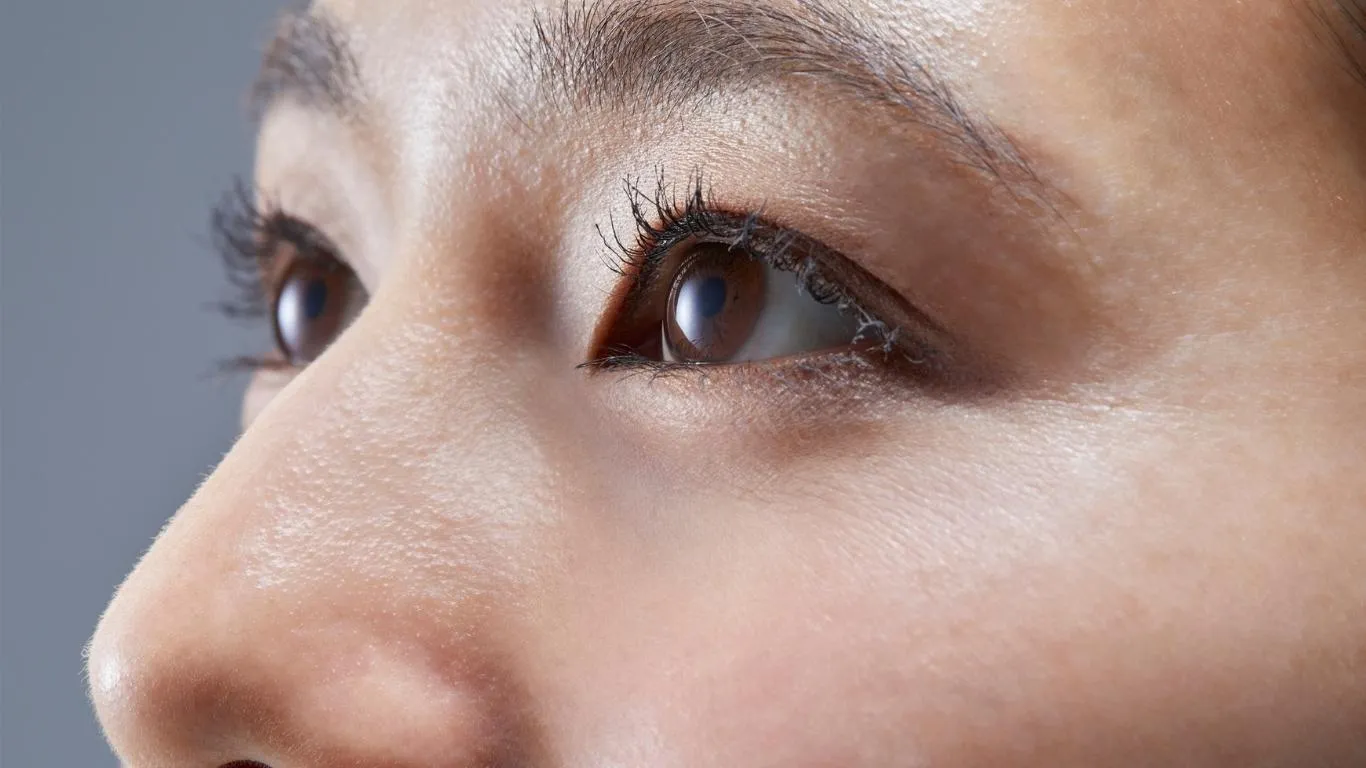
I work in front of a screen for 8+ hours most days, so I’ve had to get creative. Here’s what works for me and many others:
- Dark Mode Everything: Seriously. Not just your apps, but even browser extensions to flip webpages into dark themes.
- Lower Brightness: Floaters become invisible on dimmer screens.
- Proper Lighting: Keep ambient lighting balanced to reduce eye strain.
- Blue Light Glasses: I was skeptical at first, but they really helped.
- Hydration + Breaks: Dry eyes worsen floaters. Hydrate and take regular breaks.
I also stopped rubbing my eyes (guilty habit). Turns out, eye rubbing can cause more floaters. Who knew?
When to Get Help—And What Your Doctor Might Say
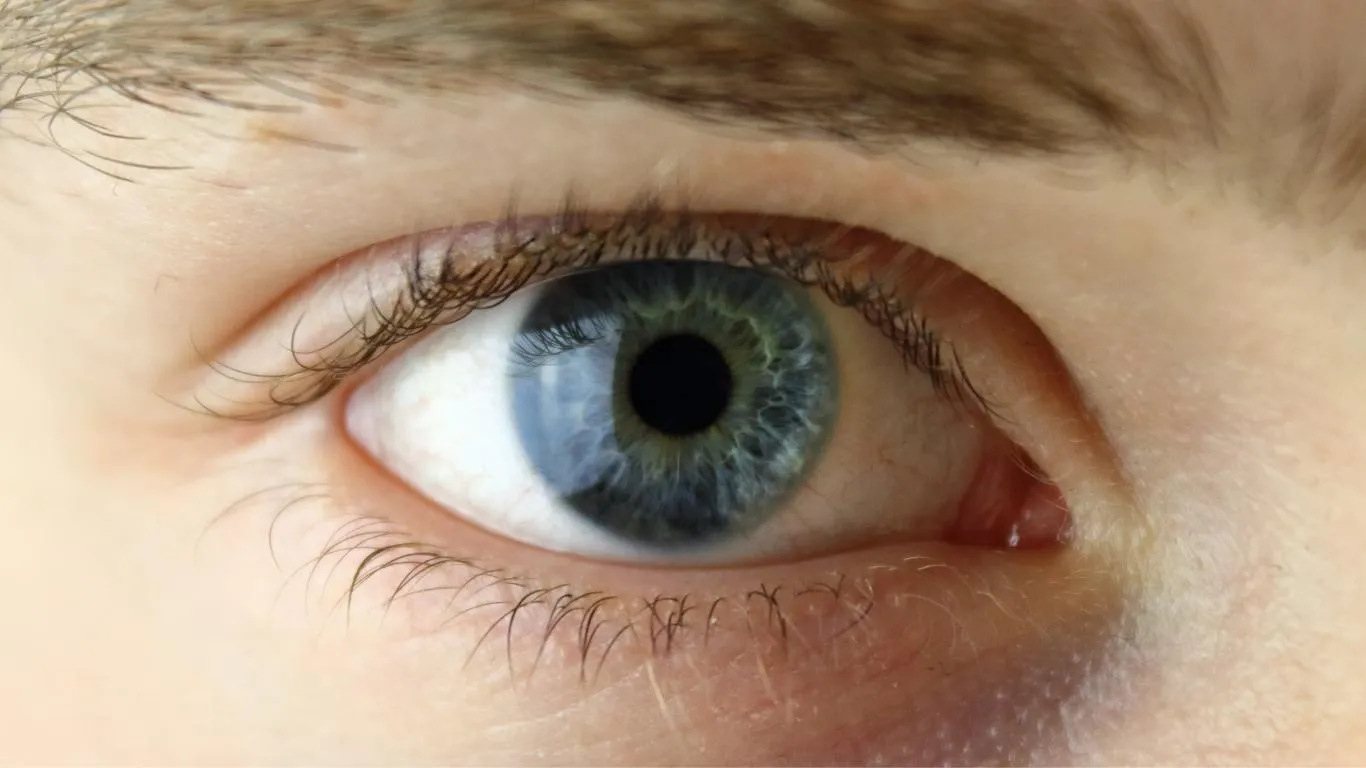
Most floaters are benign. But when in doubt, get checked out—especially if you notice:
- Sudden burst of floaters
- Flashes of light
- Vision dimming or narrowing
An eye doctor might run tests like a dilated eye exam to rule out retinal damage. If you’re worried, you can read more about when floaters are worth a second look.
Best Eye Exercises to Keep Floaters from Dominating Your View
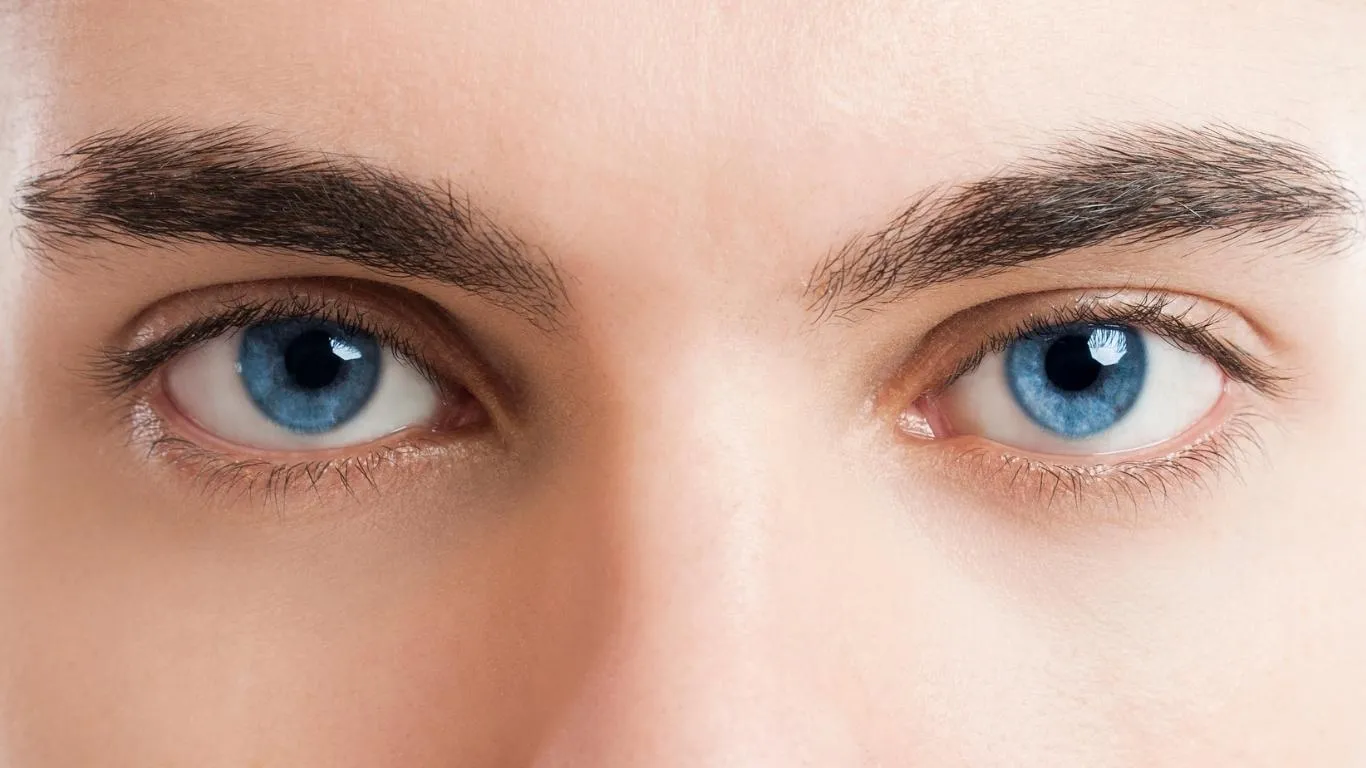
While exercises won’t make floaters disappear, they can help reduce eye fatigue, improve focus, and shift attention away from the floaters themselves.
Try These Simple Moves
- Focus shifting – switch focus between near and far objects
- Eye rolling – gently rotate your eyes clockwise and counterclockwise
- Palming – rub your palms together and cup over closed eyes for warmth
More ideas? Check this detailed list of effective eye exercises for floaters.
How to Track Floaters Before They Get Worse

If floaters are part of your life now, it helps to monitor them. I use a simple method—sketching what I see on paper or in a drawing app every month or so. This helps me notice any new patterns or increases.
Keeping tabs isn’t just good for peace of mind. It’s something you can show your doctor too. This piece on how to track floaters makes the process super easy.
Want to Learn More?
If you’re diving deeper into causes and treatment paths, I highly recommend this article covering floaters from aging to injuries. And for a foundational overview, bookmark the main article on floaters here.

Camellia Wulansari is a dedicated Medical Assistant at a local clinic and a passionate health writer at Healthusias.com. With years of hands-on experience in patient care and a deep interest in preventive medicine, she bridges the gap between clinical knowledge and accessible health information. Camellia specializes in writing about digestive health, chronic conditions like GERD and hypertension, respiratory issues, and autoimmune diseases, aiming to empower readers with practical, easy-to-understand insights. When she’s not assisting patients or writing, you’ll find her enjoying quiet mornings with coffee and a medical journal in hand—or jamming to her favorite metal band, Lamb of God.