Simple Home Remedies To Dissolve Floaters And Improve Vision
So there I was, sitting in my kitchen staring at a bright white wall, when I caught a tiny, worm-like squiggle drifting across my vision. I blinked. It didn’t go away. I shifted my gaze. Still there. If you’ve ever experienced something similar, chances are you’ve got yourself an eye floater. Not exactly a medical emergency, but let me tell you—it can mess with your peace of mind. I wasn’t about to rush into surgery or laser treatments, so I started looking into something more my speed: home remedies to dissolve floaters.
What Are Eye Floaters and Why Do They Appear?
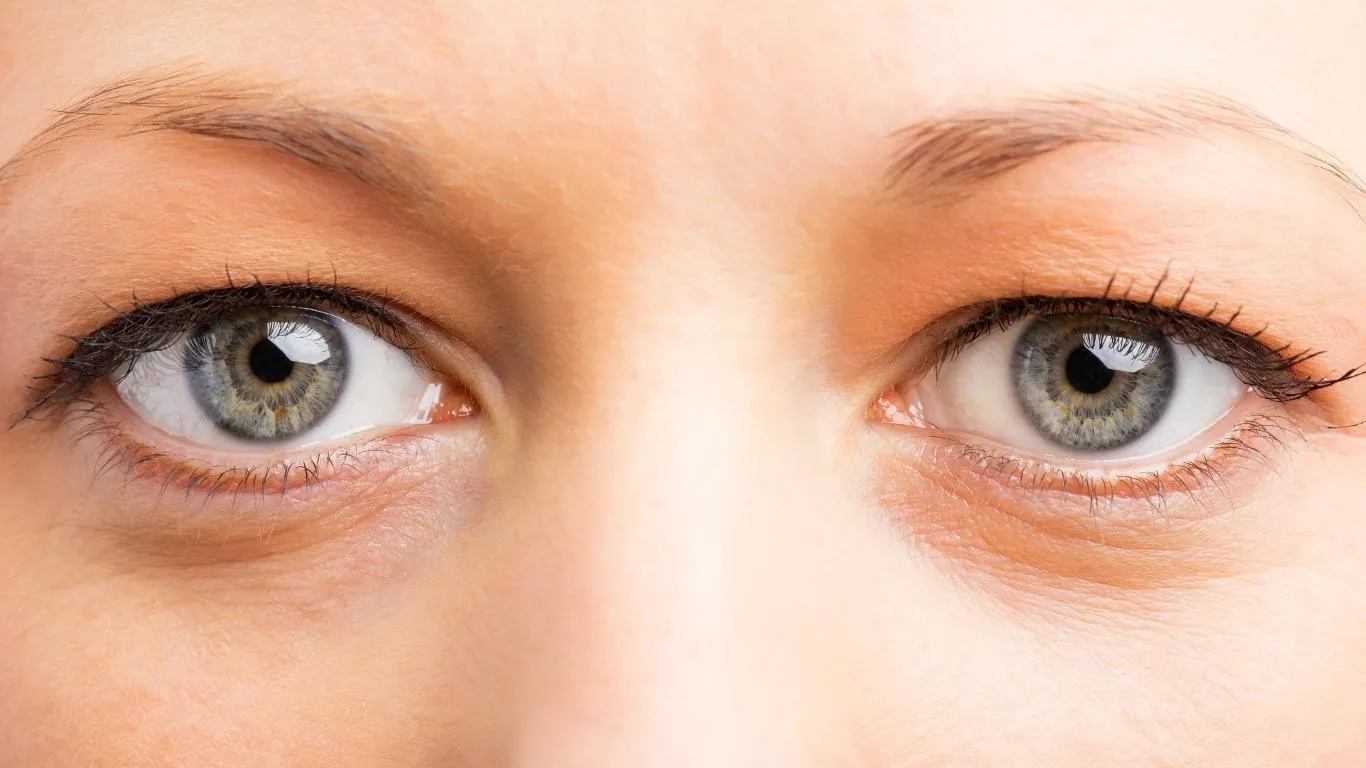
Floaters are these tiny shadowy shapes—dots, strands, or cobwebs—that drift around your field of vision. The technical term? Vitreous floaters. They’re caused by tiny clumps in the vitreous humor, the gel-like substance inside your eyeball. As you age (hello, mid-30s), this gel starts to shrink and liquefy, creating little pockets where collagen fibers clump together. These cast shadows on your retina, and that’s what you “see.”
While they’re generally harmless, they can be seriously annoying. In my case, they seemed to show up right when I was trying to relax outdoors or read under bright light. If you’re seeing floaters accompanied by flashes of light or sudden vision loss, that’s a different story—stop reading and see a doctor.
Can You Really Dissolve Eye Floaters at Home?
Let’s clear one thing up: you’re not literally “melting” floaters away. But some home remedies and lifestyle shifts may help them become less noticeable or even reduce their frequency. It worked for me—well, enough that I’m not obsessing over specks every time I look at the sky.
1. Hydration: Your First Line of Defense
Yeah, I know—drink more water. It sounds like generic health advice, but it matters. Dehydration thickens the vitreous gel, which can increase floaters. I keep a reusable bottle on my desk now, and it’s made a difference. See how dehydration worsens floaters.
2. Eye-Friendly Diet
Antioxidants and anti-inflammatory foods are huge. After adding more spinach, kale, wild-caught salmon, and blueberries to my meals, I noticed fewer “floaty moments.” Foods rich in:
- Vitamin C – think oranges, strawberries, and bell peppers
- Lutein and Zeaxanthin – kale, egg yolks, and corn
- Omega-3 fatty acids – flaxseeds, walnuts, and sardines
These nutrients support eye health and help keep the vitreous from breaking down too fast. This guide to lutein-rich foods is a solid starting point.
3. Eye Exercises (Yes, They’re a Thing)
Okay, they won’t make floaters vanish overnight, but eye movement exercises can improve fluid circulation in the eye, reducing stagnation. Here’s a basic one I’ve stuck with:
- Look up, then down—slowly
- Shift your gaze left to right
- Roll your eyes in a circular motion
- Repeat for 2–3 minutes daily
More routines are explained in this guide to floaters and eye exercises.
Supplements That Actually Made a Difference
I was skeptical, but a few weeks into a regimen of high-quality eye supplements, my floaters seemed less “aggressive.” The science is still emerging, but anecdotal evidence is growing, too. Here’s what’s been working for many (myself included):
- Vitamin C and E – antioxidants to protect against oxidative stress
- Zinc – supports the retina and eye tissue repair
- Lutein and Zeaxanthin – help protect the macula and may prevent worsening
- Magnesium – improves nerve and muscle function in the eyes
If you’re exploring this route, look into the best supplements for floaters article—it lays everything out clearly.
Eye Floaters and Lifestyle Habits: What to Watch Out For
1. Limit Screen Time
Spending 10 hours glued to screens every day? Been there. Blue light and eye strain can aggravate floaters. Use blue-light filters, take frequent breaks (20-20-20 rule), and consider glasses designed for screen time.
Related: How screen time makes floaters worse
2. Manage Your Stress
Not just woo-woo advice. Chronic stress affects your entire nervous system—including your eyes. After a stressful few weeks, my floaters doubled in visibility. That’s when I found this: how stress can spike floaters.
3. Improve Sleep Quality
Lack of rest means less time for your body—and your eyes—to repair. I stopped doomscrolling before bed, added blackout curtains, and started magnesium glycinate. The result? Fewer “floaters on wake-up.”
When to Seek Help and What You Shouldn’t Ignore
Home remedies are great, but if your floaters are increasing rapidly, are accompanied by light flashes, or start affecting your vision significantly—don’t brush it off. These could be signs of a retinal tear or detachment. Learn the signs in this in-depth piece.
For a complete overview of what causes floaters, how to identify danger signs, and the latest treatment options, check the full Eye Floaters Pillar article and the Main Eye Floaters Guide.
How Long Does It Take for Floaters to Settle or Fade?
Here’s the thing nobody tells you: floaters don’t always disappear. Some people notice them less within weeks, others take months. I’m in the latter camp. Over time, your brain learns to ignore them—a process called neuroadaptation. But if you’re like me and they really got in your way, you’ll want to know how to monitor their changes.
That said, certain floaters can shrink or dissolve if caused by temporary inflammation or trauma. If your floaters came out of nowhere after an intense workout or stressful day, they might settle faster than the age-related kind.
Alternative Therapies People Swear By (That Might Surprise You)
1. Ayurveda & Traditional Herbs
While I don’t follow any one traditional medicine system, I did explore a few Ayurvedic suggestions. Some herbs like Triphala and Ginkgo biloba have anti-inflammatory and antioxidant benefits. And while there’s limited clinical proof, many people (including me) feel they help reduce floater severity over time. This piece on herbal support for vitreous health goes deeper.
2. Acupressure & Eye Massage
There’s a pressure point between your thumb and index finger (LI4) and around the temples that supposedly relieves eye strain. I started doing a 5-minute self-massage each night—maybe it was placebo, but I swear my eyes felt more “fluid” after.
3. Yoga for Eye Health
I never imagined yoga helping my vision, but turns out there are poses that improve circulation to the eyes and relax ocular muscles. Palming, Tratak (focused gazing), and Child’s Pose became my go-to when my floaters flared up.
For guidance, try these eye-friendly yoga poses that can calm your vision.
Bad Habits That Might Be Making Your Floaters Worse
- Eye Rubbing – Huge no-no. Pressure from constant rubbing can cause vitreous detachment.
- Caffeine Overload – If you’re pounding coffee like I was, it could be worsening things. Here’s how caffeine messes with floaters.
- Ignoring Lighting Conditions – Floaters love bright white backgrounds. Use softer lighting and matte screens when possible.
Some of these changes seemed minor at first, but I really started noticing improvement when I addressed them consistently.
Natural Vision Support Techniques You Can Try Today
1. Adjusting Your Posture
This was a game-changer. Bad posture causes tension around the neck and eyes. I switched to an ergonomic chair and started doing daily neck stretches. Better circulation = fewer floaters in my case.
2. Use Warm Compresses
A warm compress over closed eyes improves fluid movement in the eye. I do this after long screen sessions or on dry days. It’s calming, too.
3. Antioxidant Smoothies
I know, it sounds like a trend, but I crafted a smoothie that I now swear by:
- Handful of spinach
- ½ banana
- Blueberries
- Chia seeds
- A splash of lemon juice
It’s packed with lutein, zeaxanthin, and Vitamin C—exactly what the vitreous needs to stay healthy.
Is There a Link Between Hormones and Floaters?
Hormonal shifts, especially during menopause or pregnancy, can absolutely stir up floaters. My partner dealt with this firsthand during postpartum recovery. The hormonal connection to floaters deserves more attention, honestly.
And don’t even get me started on how floaters behave around your cycle or after hormone therapy—it’s wild. If you’re in this boat, check this angle on how hormones impact eye floaters.
What to Expect After Making Natural Changes
Look, I’m not saying floaters will magically vanish. But with all the home remedies, supplements, and habits I integrated, my floaters went from “constant annoyance” to “occasional guest star.” I track flare-ups, avoid triggers, and stick to routines that actually feel sustainable.
And the more I understood what’s normal and what’s not, the easier it became to stop freaking out every time a little blob floated by. If you’re unsure whether what you’re seeing is actually a floater, here’s how to tell floaters from other eye issues.
For a complete view of every major cause, symptom, and treatment angle for floaters, check out the main pillar article on treatment options and the comprehensive guide to eye floaters.

Camellia Wulansari is a dedicated Medical Assistant at a local clinic and a passionate health writer at Healthusias.com. With years of hands-on experience in patient care and a deep interest in preventive medicine, she bridges the gap between clinical knowledge and accessible health information. Camellia specializes in writing about digestive health, chronic conditions like GERD and hypertension, respiratory issues, and autoimmune diseases, aiming to empower readers with practical, easy-to-understand insights. When she’s not assisting patients or writing, you’ll find her enjoying quiet mornings with coffee and a medical journal in hand—or jamming to her favorite metal band, Lamb of God.