Why Alcohol Slows Down Back Pain Recovery and Healing
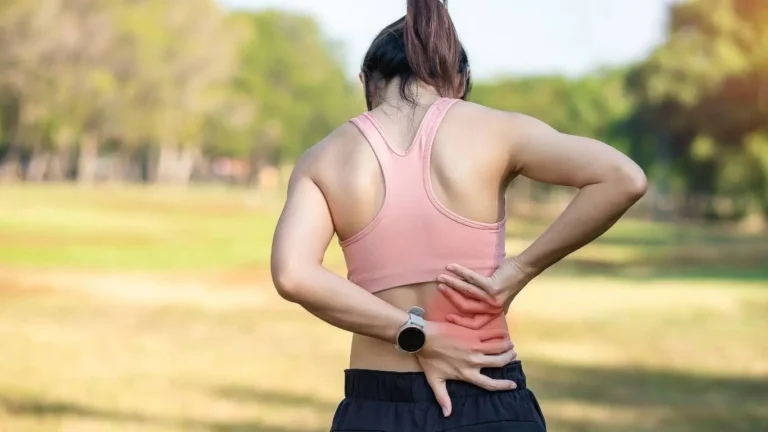
When I was dealing with a stubborn back injury a couple of years ago, one thing I didn’t expect to get grilled about by my physical therapist was my weekend wine habit. “Even just a couple of glasses can delay healing,” she said. That honestly blew my mind. I’d always known alcohol wasn’t exactly health food, but I hadn’t connected the dots between my slow recovery and the drinks I thought were harmless. So I dug in — and what I found changed the way I looked at alcohol completely, especially when it comes to back pain recovery.
How Alcohol Disrupts the Healing Process
1. Inflammation Gets Worse
Here’s the deal — alcohol is inflammatory. And if your back is already inflamed from injury, disc issues, or muscle strain, drinking is like tossing gasoline on a fire. Chronic alcohol consumption increases levels of pro-inflammatory markers in the body, especially cytokines and C-reactive protein (CRP). These are the same troublemakers that worsen pain and stiffness in the spine.
Even in low amounts, alcohol can counteract anti-inflammatory treatments like ibuprofen, turmeric, or physical therapy. That might explain why people who indulge frequently notice lingering discomfort after otherwise minor back strains.
2. Muscle Recovery Slows Down
One study I came across from NIH noted that alcohol interferes with muscle protein synthesis. Basically, your body becomes less effective at repairing damaged muscle tissue. That’s a big deal if you’re doing rehab exercises or physical therapy for lower or upper back pain — all that hard work gets undercut by a few drinks.
And trust me, I felt this firsthand. After nights out with friends, my morning stiffness and soreness seemed amplified, like I had skipped all my progress for the week.
Alcohol’s Impact on Spinal Health and Discs

1. Dehydration Affects Disc Integrity
Spinal discs are like jelly-filled cushions between vertebrae. They’re 80% water, and they need hydration to stay spongy and functional. Alcohol is a diuretic — it makes you pee more and dehydrates your whole body, including those precious spinal discs. Over time, this can worsen degenerative disc disease or bulging discs.
It’s probably not a coincidence that after a boozy evening, many folks feel tighter in their lower back the next day. I used to chalk that up to sleeping weird. Nope — my discs were thirsty.
If you’re dealing with a herniated disc, you really want every edge you can get for healing. Hydration and recovery go hand in hand.
2. Bone Health Takes a Hit
Chronic drinking messes with calcium absorption and bone density. For people already at risk of conditions like osteoporosis or spinal compression fractures, alcohol may quietly be weakening your structure from the inside out. That’s something I truly didn’t consider until reading a 2020 meta-analysis published by WHO that linked alcohol use to decreased bone mineral density.
Sleep and Nerve Recovery Suffer Too

1. Poor Sleep Undermines Healing
You may pass out quicker after drinking, but the quality of sleep you get is junk. Alcohol disrupts your REM sleep cycles, which are crucial for recovery and nerve regeneration. That’s especially bad news if you’re suffering from sciatic pain or nerve root irritation in the spine.
According to this Sleep Foundation breakdown, alcohol reduces melatonin, spikes cortisol, and leads to more nighttime wakeups — all things that sabotage healing. I know when I cut alcohol out during a flare-up, my sleep quality immediately improved, and so did my back.
2. Nerve Regeneration Slows
Nerves are finicky. They heal slowly and need proper blood flow, rest, and nutrition. Alcohol constricts blood vessels and increases oxidative stress — not a good combo for anyone hoping to bounce back from a pinched nerve or nerve damage in the spine.
If you’re already working through sciatic nerve pain exercises, drinking might set you back without you realizing it.
Rehab Setbacks and Motivation Drain

1. Missed Workouts and Lazy Days
Let’s be real. Even moderate alcohol intake often leads to skipped routines, especially the next day. If you’re doing a recovery program for your back, consistency is everything. Skipping mobility work, stretches, or ergonomic adjustments because you’re foggy or sluggish hurts more than just that day — it snowballs.
I remember missing a couple of my core stabilization sessions after a weekend wedding, and my physical therapist literally called me out: “If alcohol’s interfering with rehab, it’s interfering with your life.”
2. Increased Risk of Re-Injury
Coordination, balance, and pain perception all get dulled with alcohol. That’s a dangerous trifecta when you’re already dealing with a vulnerable spine. One wrong twist or lift, and you’re back to square one.
Plus, if you’re lifting weights or doing movements like deadlifts for back pain rehab, your body needs stability and sharp feedback loops — something alcohol messes with long after it’s out of your system.
Better Choices Lead to Quicker Healing
What to Do Instead
- Hydrate aggressively — water, electrolytes, herbal teas
- Load up on anti-inflammatory foods like berries, greens, and turmeric
- Make sleep a priority — blackout curtains, magnesium, a consistent routine
- Cut back or eliminate alcohol during flare-ups or recovery phases
There are tons of natural ways to support your recovery. I’ve personally had success combining ergonomic upgrades with lifestyle changes and gentle remedies. It’s incredible how much better your back feels when you give it the right tools to heal.
For a deeper dive into the holistic recovery approach, check out the main back pain guide and this focused section on natural lifestyle-based recovery strategies.
Long-Term Alcohol Use and Chronic Back Pain

When Pain Becomes Persistent
Here’s the kicker — while short-term alcohol use can delay healing, long-term drinking can lock you into chronic back pain. I’ve met folks in my recovery group who didn’t realize their casual habits were turning into a serious barrier. Over time, alcohol dulls the body’s ability to regulate inflammation, weakens core muscles, and disrupts nerve communication — all key pieces in managing spinal health.
When alcohol becomes a regular part of your routine, even in “social” doses, it slowly chips away at the systems your back relies on to feel stable, strong, and pain-free.
Hormonal Imbalances That Intensify Pain
Alcohol messes with your hormones — especially testosterone, estrogen, and cortisol. That might not sound like a back pain issue at first, but these hormones directly affect muscle tone, inflammation, and pain thresholds. One 2021 study from CDC reported that regular alcohol use can increase cortisol while decreasing natural endorphin production, making pain feel more intense and harder to tolerate.
That explains why your back may feel stiffer, sorer, or more reactive the day after drinking — your pain processing system is compromised.
The Mental Side of Back Pain Recovery

Alcohol and Mental Health Connection
There’s a pretty vicious loop I’ve seen over and over — pain causes stress, stress leads to drinking, drinking makes the pain worse. Alcohol can temporarily numb mental stress, but it heightens anxiety and depressive symptoms long term. And as anyone with chronic back issues knows, your mental state plays a huge role in recovery.
That’s why I love the growing emphasis on the mental and emotional side of back pain. Addressing anxiety, frustration, and fear around movement often does more good than any pill or stretch.
Loss of Motivation and Energy
Even moderate alcohol use zaps energy. I noticed it myself — I wasn’t lazy, I just never felt fully recharged. That meant skipped mobility work, canceled therapy sessions, and overall slower progress. The irony? I was drinking because I was frustrated with the pain, but the alcohol was draining the fuel I needed to push through it.
Alternative Ways to Unwind Without Alcohol

Healthier Coping Tools
Once I started cutting back, I had to replace the habit with something — and it honestly wasn’t that hard. I found myself leaning into:
- Chamomile and valerian root teas at night to relax without sleep disruption
- Stretching and light movement routines that actually eased tension, especially in my lower back
- Breathwork and simple meditation apps that lowered anxiety and helped me fall asleep easier
- Journaling and gratitude tracking — yeah, it sounds cheesy, but writing helped me shift focus off the pain
Even my social life adapted. Turns out, sparkling water with a lime in hand at a get-together gives the same vibe without the setbacks.
Alcohol-Linked Delays in Post-Surgical Recovery
Surgical Healing and Complications
If you’re preparing for or recovering from spinal fusion surgery or any invasive back procedure, alcohol use can seriously complicate your outcome. It weakens immune function, increases bleeding risk, and can interfere with pain medication effectiveness.
Several studies published by NIH point out that post-op infections, hardware failure, and delayed wound healing are all more common in patients who drink regularly pre- or post-surgery. That’s not a scare tactic — it’s reality.
Supporting Your System Instead
Better nutrition, rest, and inflammation control give you a massive edge in healing. That’s why understanding the root cause of your pain and customizing your post-op care — including reducing alcohol — is so critical.
Is It Time to Hit Pause on Alcohol?

Ask Yourself These Questions:
- Does alcohol help or hurt my pain levels long term?
- Am I using it to cope with stress, sleep, or frustration?
- Do I feel worse the day after drinking?
- Is it holding me back from committing to my recovery?
Answering these honestly gave me a surprising amount of clarity. And even though I didn’t go completely sober, making alcohol the exception — not the routine — helped my back pain become something I could finally manage.
If you’re exploring comprehensive healing tools beyond just physical fixes, don’t miss the full resource on back pain education and solutions. Every choice counts — and you might be surprised how much better you feel without that glass of wine in the mix.

Camellia Wulansari is a dedicated Medical Assistant at a local clinic and a passionate health writer at Healthusias.com. With years of hands-on experience in patient care and a deep interest in preventive medicine, she bridges the gap between clinical knowledge and accessible health information. Camellia specializes in writing about digestive health, chronic conditions like GERD and hypertension, respiratory issues, and autoimmune diseases, aiming to empower readers with practical, easy-to-understand insights. When she’s not assisting patients or writing, you’ll find her enjoying quiet mornings with coffee and a medical journal in hand—or jamming to her favorite metal band, Lamb of God.