
Clear Signs You’re Confusing Eye Floaters With Eye Floatation
I still remember the first time I noticed those weird squiggly shadows drifting across my vision. I thought I had something on my glasses, but nope — nothing there. A quick Google search bombarded me with terms like “eye floaters” and even “eye floatation,” which honestly left me scratching my head. Are they the same thing? A lot of people confuse these two, and I get why — the names sound oddly similar. But as someone who’s spent way too much time obsessively reading eye health forums and annoying my optometrist with questions, let me break it down in a way that actually makes sense.
What Are Eye Floaters, Really?
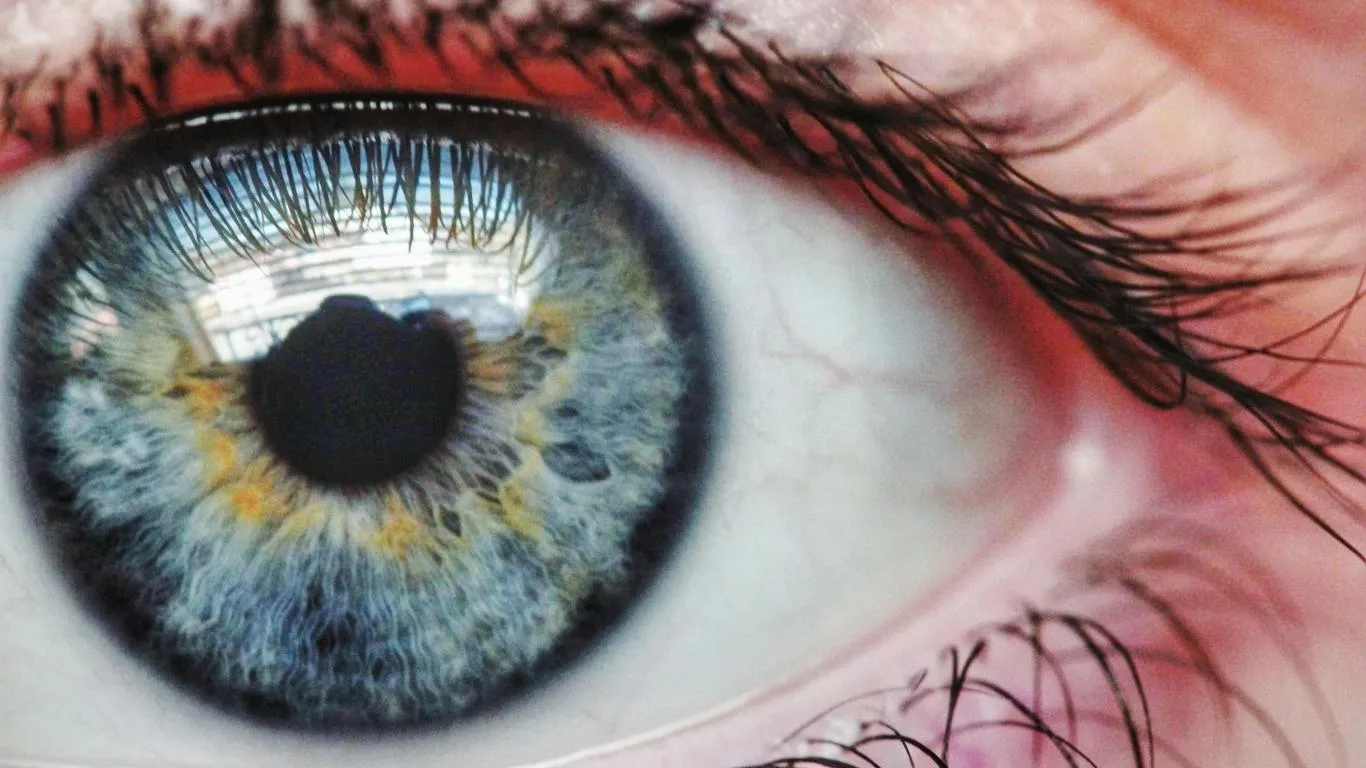
Eye floaters are like those annoying guests at a party who hover too close and never leave. You notice them the most when you’re staring at a bright sky or a white screen. Technically, they’re tiny pieces of protein or gel inside the vitreous humor (the jelly-like substance in your eye) that cast shadows on your retina.
Common Descriptions
- Squiggly lines or strings
- Spider web patterns
- Dots, specs, or cobwebs
They move when your eye moves, and they never seem to stay still — which makes sense because they’re literally floating in the jelly inside your eye. No wonder people describe them as floaters!
Why They Happen
Floaters are typically age-related, but they’re not limited to just older adults. I started seeing them in my early 30s. They can also be triggered by inflammation like uveitis, eye infections, and even head trauma. Basically, anything that messes with the vitreous can cause these ghosty floaters to appear.
Then What’s Eye Floatation?
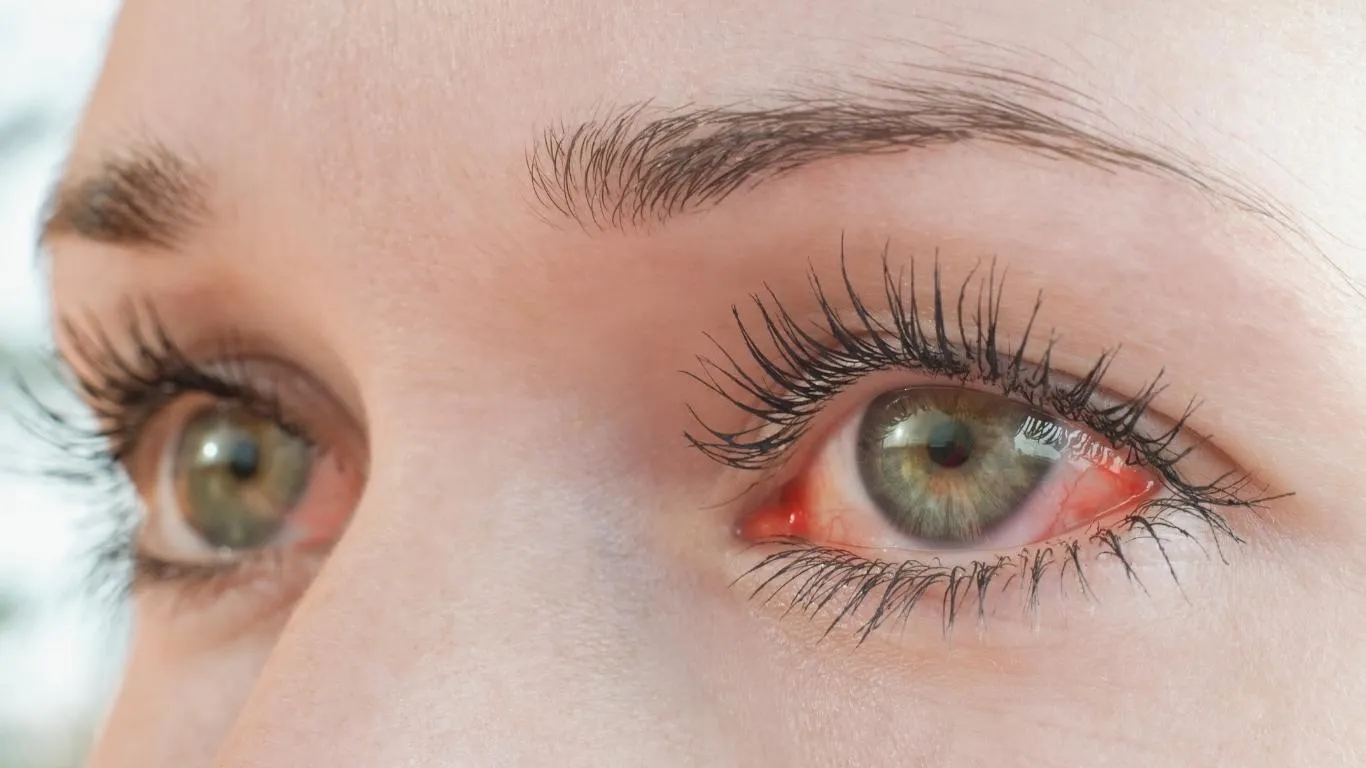
Now here’s where it gets tricky. The term “eye floatation” isn’t medical. In fact, most optometrists won’t even use that term unless they’re trying to clarify what someone means. What people often call “eye floatation” is more of a **sensation** rather than a visual disturbance. It’s that odd feeling that your eyes are floating or drifting, especially when you’re fatigued or dizzy.
Not a Visual Thing
Unlike floaters — which you can literally see — floatation is usually tied to balance issues, inner ear disturbances, or even neurological triggers. If you’ve ever stood up too fast and felt your eyes or head “float,” you’ve felt something closer to this.
Possible Causes
- Inner ear problems like vertigo
- Neurological imbalances
- Ocular migraines
- Medication side effects
Some even confuse this with lightheadedness or a mild form of disassociation. But here’s the kicker — you can experience both floaters and floatation at the same time. (Ask me how I know. Spoiler: It’s very unsettling.)
How to Tell the Difference (Based on Real Life)
If I had a dollar for every time someone posted on Reddit asking if they’re going blind from seeing “floaty” stuff, I’d probably have enough to pay for a retina scan. The confusion is real. So here’s how I personally separate the two:
- Can you see it? If yes, likely a floater. If no, but you *feel* something weird — possibly floatation.
- Does it change when you blink or move your eyes? Floaters tend to dart away and slowly come back. Floatation doesn’t care what you do with your eyes — it stays floaty.
- Triggers? Floaters love bright light. Floatation often gets worse with fatigue or stress.
Still unsure? You’re not alone. I ended up booking an eye exam and a neurological consult just to rule out anything major. Turns out I had a mild case of PVD (posterior vitreous detachment) and was also experiencing anxiety-induced floatation symptoms. Who knew eyes could multitask like that?
Why It Matters to Know the Difference
Understanding the difference is more than just peace of mind — though that’s definitely part of it. Mistaking a serious neurological symptom for a harmless floater could delay critical treatment. And the reverse is true too — stressing out over harmless floaters when they’re actually common and age-related just feeds unnecessary anxiety.
Some floaters can be signs of aging, but others might hint at early retinal tears. That’s why I always recommend reading a good comprehensive guide like this pillar article on common causes of eye floaters if you’re trying to self-diagnose (been there).
And if you’re just getting started learning about floaters in general, definitely check out this excellent overview from Healthusias’ main floater resource. It’s like a beginner’s bible for confused eyeballs.
When Floaters Turn into a Red Flag
So here’s something I learned the hard way: not all floaters are created equal. While most are harmless and simply part of getting older (yay…), some can be your retina screaming for help. If you start seeing a sudden burst of floaters, like confetti in your vision, or flashes of light like a camera going off in the corner of your eye — don’t mess around. That could be a retinal tear, or worse, a detachment.
In my case, I started seeing what looked like a “ring of floaters” after sneezing too hard (yes, seriously), and while it ended up being benign, it could have been bad. If that happens, drop what you’re doing and get it checked. Like, immediately. Better safe than explaining to friends why you’re wearing an eye patch.
Serious Signs You Should Never Ignore
- Floaters that suddenly multiply overnight
- Flashes of light with no actual light source
- A shadow or curtain creeping over your vision
- Floaters with pain, pressure, or vision loss
If you experience any of that, go. Your retina doesn’t wait for you to finish watching Netflix. You can learn more about the connection between these symptoms and retinal issues in this PVD explainer — it’s thorough and backed by solid research.
But What If It’s Eye Floatation and Not Floaters?
Here’s where it gets frustrating: if you’re dealing with floatation — that weird drifting or pressure sensation — there might not be a visible sign to confirm what’s going on. It’s more of a felt symptom. And honestly, that makes it even more unsettling sometimes. You feel like something’s off, but scans and exams show nothing wrong.
When I was struggling with chronic stress and poor sleep, my “eye floatation” episodes were worse. I’d get this sensation of my eyes floating away from my head — like my focus was disconnected. Turns out, it was a combo of poor sleep, posture issues, and way too much screen time. If that sounds familiar, this piece on screen time and visual comfort might be a good starting point.
Underlying Causes of Eye Floatation Sensation
- Vestibular disorders (inner ear imbalances)
- Visual misalignment or convergence issues
- Eye strain from digital screens or poor lighting
- Emotional trauma and anxiety
- Cervical spine tension or bad posture
It’s not all in your head, even if it feels like it is. A neuro-ophthalmologist once told me that sensory symptoms often fall through the cracks because they’re harder to test — but that doesn’t make them any less real.
So, Should You Worry About Either?
Let’s be real. Most floaters are just annoying. They’re not going to ruin your life or make you go blind (unless something else is going on). But dismissing every eye symptom as “just a floater” isn’t great either. The real trick is learning what’s normal for you — and when something changes. I track mine the same way some people track their migraines. When something new pops up, I notice.
If what you’re dealing with feels more like floatation — no visible squiggles, but an uncomfortable sense of drifting or eye disconnect — the approach is different. You might benefit more from a full lifestyle checkup than an eye exam.
What Helped Me (And Might Help You)
I won’t claim to have found the magical fix, but here’s what’s made my life less “floaty” over the years:
- Eye hydration is everything: Even mild dehydration made my floaters worse. I upped my water intake, and honestly? Helped more than I expected.
- Proper lighting and screen breaks: My floatation symptoms flared during long screen marathons. Now I follow the 20-20-20 rule religiously.
- Eye-friendly diet: I added more foods rich in lutein and omega-3. This diet guide gave me a good starting point.
- Chilling out: When I started managing stress better (hello, breathing exercises), my floatation symptoms calmed down too.
And just to be safe, I keep this reference article bookmarked to double-check new symptoms when they pop up. It’s helped me more than a few times to not spiral into panic-mode Googling.
Whether it’s a squiggly floater or a strange drifting feeling, your eyes are trying to tell you something. Listening early — and responding wisely — might just save your sight, or at least your sanity.

Camellia Wulansari is a dedicated Medical Assistant at a local clinic and a passionate health writer at Healthusias.com. With years of hands-on experience in patient care and a deep interest in preventive medicine, she bridges the gap between clinical knowledge and accessible health information. Camellia specializes in writing about digestive health, chronic conditions like GERD and hypertension, respiratory issues, and autoimmune diseases, aiming to empower readers with practical, easy-to-understand insights. When she’s not assisting patients or writing, you’ll find her enjoying quiet mornings with coffee and a medical journal in hand—or jamming to her favorite metal band, Lamb of God.