When Floaters With Peripheral Vision Loss Signal Eye Danger
I’ll never forget the first time it happened. I was out grocery shopping, and just as I reached for a box of cereal, these strange, squiggly lines appeared out of nowhere—like smoke drifting across the side of my eye. At first, I shrugged it off. But then came the dimming—an odd, curtain-like shadow creeping in from the edge of my vision. It didn’t go away. If you’ve noticed floaters accompanied by peripheral vision loss, trust me, it’s not something you want to ignore.
What Are Floaters and Why They Suddenly Get Paired With Peripheral Vision Loss
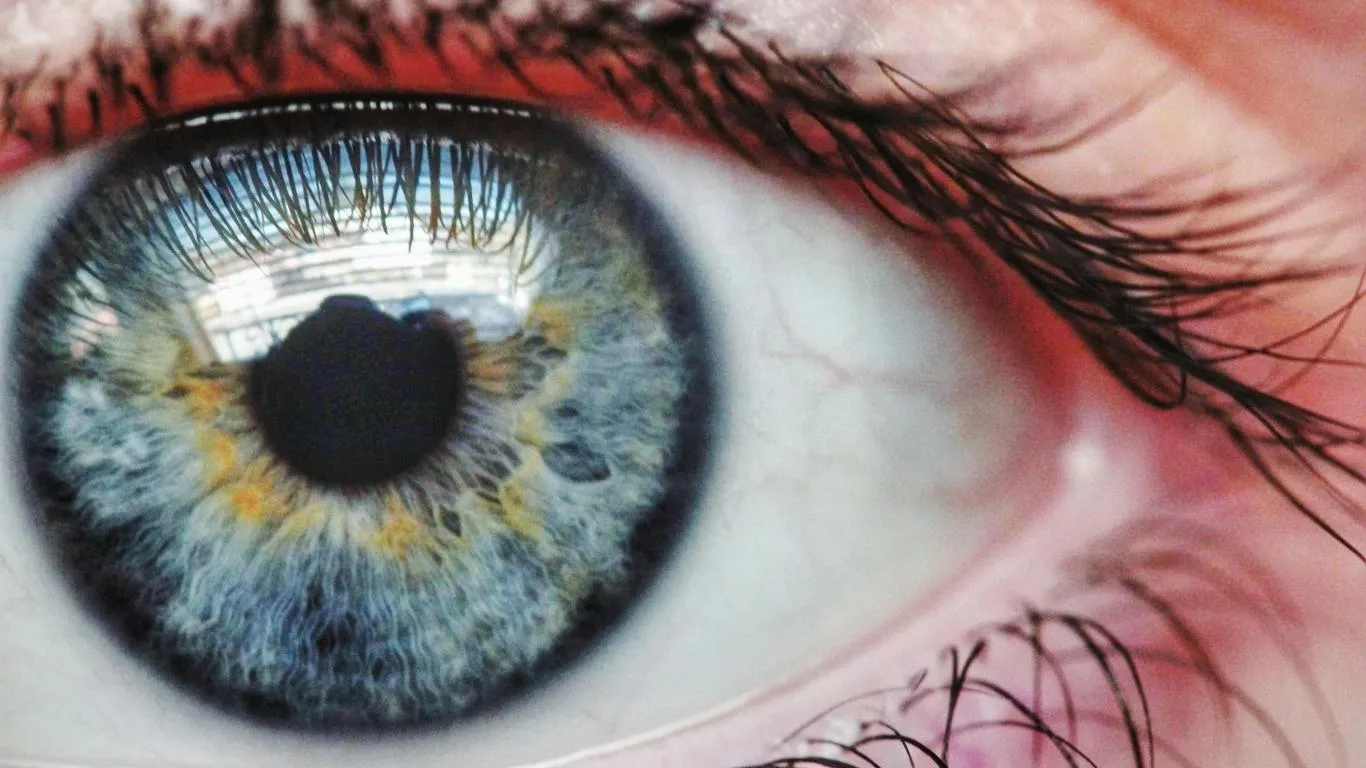
Eye floaters are those pesky little specks, threads, or cobweb-like shapes drifting around in your vision. Most of the time, they’re harmless—a natural result of aging as the vitreous gel inside the eye becomes more liquid. But when they tag along with peripheral vision loss? That’s where things get serious.
This isn’t just about being annoyed by shadowy floaters. When your side vision fades, especially if it’s sudden, it might be signaling a retinal issue. It can be easy to dismiss symptoms as “just floaters”—that’s what I did. But losing parts of your peripheral vision should never be brushed off.
Retinal Detachment: The Silent Vision Thief
One of the most urgent concerns when floaters are paired with side vision loss is retinal detachment. I didn’t know this at the time, but when the vitreous pulls away from the retina—either suddenly or over time—it can create a tear. Fluid seeps through and causes the retina to lift away from the back of the eye. That’s when the curtain effect begins, and time becomes critical.
- Sudden onset of numerous floaters
- Flashes of light in your peripheral vision
- Gray or black shadow covering part of your vision
If you’re experiencing any of the above, don’t Google for hours like I did—get to an ophthalmologist. There’s a narrow window to save your sight. You can learn more about what a retinal tear looks like before it escalates.
Other Underlying Conditions That Link Floaters and Peripheral Vision Loss
While retinal detachment is the big red flag, it’s not the only one. There are other conditions where floaters and peripheral vision loss can go hand in hand. Some aren’t as immediately dangerous, but they still deserve attention.
Posterior Vitreous Detachment (PVD)
Common as we age, PVD is when the vitreous pulls away from the retina. Most people over 50 will experience this at some point, and it can cause a temporary increase in floaters. But sometimes it causes traction strong enough to tear the retina. That’s why the curtain-like loss of peripheral vision must be watched carefully. Learn more about PVD and its warning signs.
Vitreous Hemorrhage
If tiny blood vessels in the retina are damaged—due to diabetes, high blood pressure, or trauma—they can bleed into the vitreous, causing a storm of floaters. In severe cases, the clouding of blood obstructs side vision. This condition is sneaky and sometimes misinterpreted as “just floaters” until the shadow creeps in.
There’s a good breakdown of how diabetes may play a role here.
Inflammation and Autoimmune Triggers
Conditions like uveitis or autoimmune diseases can trigger floaters due to inflammation inside the eye. But they can also swell or damage the retina itself, especially in the periphery. Autoimmune-linked floaters can be persistent and unpredictable, and sometimes your vision loss can appear overnight.
Why You Shouldn’t Wait It Out or Self-Diagnose
Let me be blunt—don’t do what I did. I waited a day. Then another. I told myself maybe I was tired, maybe it was the lighting. By the time I saw an eye specialist, my retina was already torn. I got lucky. A quick laser procedure sealed the tear, and my vision returned. But not everyone gets that outcome.
If you notice floaters changing—especially increasing rapidly—or they come with dark spots or tunnel vision, it’s time to act. Even just a sudden black floater could be more than it seems.
How to Monitor Floaters and Vision Changes at Home
Even after getting treatment, I’ve kept up with tracking changes in my floaters. You don’t need fancy tools—just a notepad or an app and a few key observations:
- Track number, shape, and location of floaters
- Note changes in peripheral vision or brightness
- Record any light flashes, especially in dim lighting
Staying aware helps you catch trouble early. You can also read about ways to track floaters more effectively.
And if you want a deep dive into the root causes of eye floaters and how they might signal more than just aging, the main guide on what causes eye floaters is incredibly helpful.
For a more specific breakdown of the dangerous signs to look out for, the dedicated pillar article on serious floaters gives insight into what to do when things don’t feel right.
Treatment Options for Floaters with Peripheral Vision Loss
So, you’ve been diagnosed—or maybe you’re just suspicious. What now? The good news is, there are treatment options for floaters, especially if they’re paired with peripheral vision loss. I’ve gone through a few of these myself, and while the decisions weren’t easy, the results made a world of difference.
Laser Retinopexy
This is what saved my sight. If a retinal tear is found early enough, a quick laser procedure can “spot weld” the retina back into place before fluid gets behind it. It’s fast, mostly painless, and literally stops a detachment in its tracks.
Vitrectomy
For more severe or persistent floaters, especially if they cloud vision or are accompanied by vision loss, doctors may recommend a vitrectomy. It’s a surgical procedure where the vitreous is removed and replaced with a clear solution. It’s not risk-free, but it can dramatically improve quality of life if floaters are impacting vision or safety.
More details are explained in this article about eye floater treatment options.
Medication and Anti-inflammatory Drops
If your floaters and side vision loss stem from inflammation (like uveitis), corticosteroid drops or oral medications might help. These won’t remove floaters entirely but can reduce their severity by calming inflammation.
Observation (Sometimes)
In less severe cases—especially where there’s no retinal damage—doctors may suggest monitoring. That was the advice I got early on. But you’ve got to be proactive. If floaters increase or shadows reappear, that’s your cue to get re-checked. You might also be surprised how many triggers worsen floaters, from lack of sleep to screen strain—check out how sleep habits affect floaters.
Can You Prevent Floaters and Vision Loss Altogether?
Here’s the thing—some floaters are just part of life, especially with age. But peripheral vision loss is different. If you’re prone to eye issues, you don’t have to just accept it. There are several steps I now take daily to protect my eyes and preserve peripheral vision.
- Regular Eye Exams: Sounds obvious, but catching changes early is crucial.
- Manage Blood Sugar & Pressure: Uncontrolled diabetes or hypertension? Recipe for vision loss. I learned that the hard way.
- Wear Protective Eyewear: Eye trauma is a common cause of floaters + side vision loss. Sports and DIY projects? Goggles on.
- Hydrate and Rest: Yes, really. Dehydration can worsen floaters, and so can chronic fatigue.
Supplements and Nutrition: Do They Actually Help?
I used to roll my eyes at supplements—pun intended—but now I swear by a few. While they won’t “cure” floaters or peripheral vision loss, they may support overall eye health, especially if you’re dealing with inflammation or oxidative stress.
Based on my research and experience, here’s what made a difference:
- Lutein + Zeaxanthin: Found in leafy greens, these help filter blue light and support the retina. They’re in most eye-specific multivitamins.
- Omega-3 Fatty Acids: I started adding flaxseed oil to my smoothies, and while it took time, my eyes feel less strained—especially after screen-heavy days.
- Vitamin C: Not just for colds. There’s evidence it supports collagen and vitreous health. This piece on Vitamin C’s effect on floaters was eye-opening—literally.
You can read about more supplements that support floater reduction and retina integrity in this guide.
Daily Habits to Keep Floaters From Taking Over Your Life
I won’t lie—living with floaters can mess with your mind. But there are ways to make peace with them. A few tricks that helped me:
- Switch to dimmer screen backgrounds or dark mode—floaters are brutal against white screens
- Use blue light blocking glasses during screen time—mine cut glare and eye strain drastically
- Yoga and deep breathing—not just for zen, but stress reduction helps with eye pressure and inflammation
If you’re looking for an actionable routine, check out these exercises designed to reduce floater symptoms. Simple, effective, and easy to work into your morning.
When to Seek Urgent Care (And What to Expect)
Let’s be real: not all floaters mean something terrible. But if they’re paired with peripheral vision loss, flashes, or sudden changes, don’t second-guess. Get in. A full eye exam with dilation is typically the first step, followed by an ultrasound or OCT scan if needed.
I walked into my ophthalmologist thinking it was nothing. Walked out scheduled for a procedure. I’m grateful I didn’t wait another day.
Here’s a look at what you might expect if floaters follow trauma or high-impact activity, which is more common than you’d think.
Don’t Let Floaters and Side Vision Loss Control You
If there’s one thing I’ve learned, it’s this—eye floaters alone are manageable. But when you add in peripheral vision loss, you’re dealing with something far more serious. It’s not about panicking; it’s about being smart, staying informed, and taking action quickly when things feel off.
You can also explore more in this dedicated guide on how floaters differ from other vision issues.

Camellia Wulansari is a dedicated Medical Assistant at a local clinic and a passionate health writer at Healthusias.com. With years of hands-on experience in patient care and a deep interest in preventive medicine, she bridges the gap between clinical knowledge and accessible health information. Camellia specializes in writing about digestive health, chronic conditions like GERD and hypertension, respiratory issues, and autoimmune diseases, aiming to empower readers with practical, easy-to-understand insights. When she’s not assisting patients or writing, you’ll find her enjoying quiet mornings with coffee and a medical journal in hand—or jamming to her favorite metal band, Lamb of God.