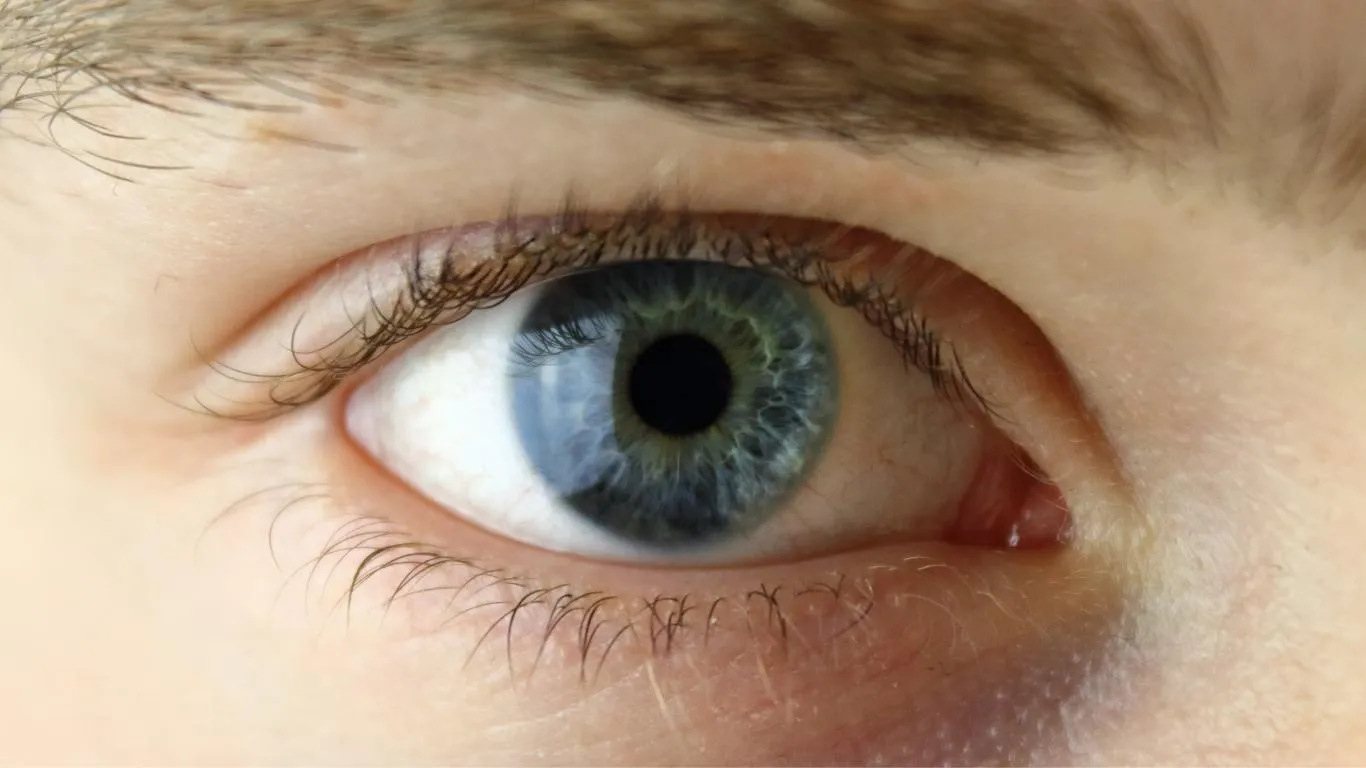
Why Floaters Feel Worse During Allergy Season and How to Fix It
It started for me one spring afternoon — that familiar, itchy-eye kind of allergy day, but with a twist. Floating specs, squiggles, and blurry specks suddenly danced across my vision. I blinked, rubbed, looked around… they stayed. That’s when I realized my floaters weren’t just randomly showing up — they were reacting to my seasonal allergies. If you’ve ever noticed your eye floaters becoming worse when allergy season rolls in, you’re not alone. And no, it’s not your imagination.
Why Do Floaters Feel Worse When Allergies Hit?
For many of us who deal with ocular allergies, the sensation of dry, itchy eyes is just the beginning. When allergens like pollen or dust storm our immune systems, our eyes become a battleground. The inflammation and eye rubbing that follow? That’s when floaters tend to make a stronger appearance. If your eyes are red, dry, and constantly irritated, it’s no wonder those vitreous floaters start to feel more dramatic.
Understanding What’s Happening Inside the Eye
Floaters are those tiny clumps of collagen or cells floating inside the vitreous — the gel-like substance in your eye. Now during allergy season, your body releases histamines, which can increase inflammation and irritation across your whole ocular surface. Add frequent eye rubbing, and now you’ve got a perfect storm:
- Aggravated inflammation in the eye tissues
- Disturbance of vitreous gel through constant pressure or strain
- Dehydration due to antihistamines or allergy meds — which affects vitreous clarity
It’s not that allergies directly “cause” floaters — they amplify your awareness of them. And they can make subtle ones more visible, especially in bright light or against white backgrounds.
Common Triggers That Make Floaters Worse in Allergy Season
I used to think I just needed better eye drops. But turns out, certain allergy-related factors actually made my floaters much more intense. Based on my experience and chats with my eye doctor, here’s what typically fuels the problem:
- Eye Rubbing: Probably the biggest one. Rubbing can shift the vitreous slightly, making floaters more noticeable or even dislodge debris into the gel.
- Dry Eyes: Antihistamines help with allergies but often cause dryness, making existing floaters stand out more starkly.
- Exposure to Bright Light: Eyes already sensitive from allergies can’t filter floaters effectively under harsh sun or digital screens.
- Increased Eye Pressure: Allergic reactions might mildly increase intraocular pressure, which could make floaters more obvious, though not directly dangerous.
Interestingly, studies published on American Academy of Ophthalmology suggest that inflammation plays a bigger role in floater perception than most people realize. And if you’ve been struggling with floaters since your last allergy outbreak, you’re likely experiencing the same phenomenon.
When to Worry: Are These Just Annoying, or Something More?
Now here’s the serious side. Sometimes, worsening floaters during allergy season can mask more urgent eye issues. If you suddenly see a burst of new floaters, especially accompanied by flashes of light, eye pain, or peripheral vision loss — that’s your cue to get medical help fast.
In particular, you should pay attention to floaters that appear before a potential retinal tear. Allergy season shouldn’t make your vision feel dramatically worse — just a bit more annoying. If it feels scary, trust your gut and call your ophthalmologist.
Other Conditions That Can Confuse the Picture
Many people mistake allergy-induced floater intensity with other conditions. That’s why it’s crucial to rule out deeper issues like:
What might seem like a seasonal irritation could be a red flag for something deeper, especially if symptoms persist long after allergy season passes.
Natural Ways I Reduce My Allergy-Season Floaters
I’ve tried a lot. Some worked. Some were nonsense. But a few things have genuinely helped me reduce the intensity of floaters during allergy-heavy weeks:
- Cold Compresses: These help soothe eye inflammation fast and prevent that unconscious eye rubbing reflex.
- Hydrating Eye Drops: Preservative-free is key here. Keeps the eye surface lubricated, minimizing floater clarity.
- Omega-3 Supplements: While anecdotal, they’ve helped improve my overall eye comfort. There’s growing research in their anti-inflammatory benefits too, like this review on NCBI.
- Indoor Air Purifiers: Big help during pollen season — keeps allergens down so your eyes aren’t constantly irritated.
And for those wondering if floaters during allergy flare-ups are a sign of deeper issues, it’s worth diving into the most relevant pillar article on floater treatment options. It offers a professional breakdown of what’s serious and what’s just a seasonal nuisance. For a full overview of causes, symptoms, and treatment options, check the main floater guide here.
How to Prevent Floaters From Getting Worse During Allergy Season
Look — you can’t control the wind or the pollen count. But you can definitely stack the deck in your favor. After a couple miserable allergy seasons, I’ve learned to play defense better than I ever thought possible. These are simple, science-backed (and tested-by-me) strategies that can actually make floaters less of a seasonal drama.
- Allergy-Proof Your Home: HEPA filters, sealed windows, and regular bedding washes reduce allergen exposure and keep inflammation down — big win for your eyes.
- Practice Allergy-Aware Hygiene: No more rubbing eyes with pollen-covered fingers. Use a clean, damp cloth if your eyes are itchy. Rubbing = floater visibility.
- Antihistamine Strategy: If you take allergy meds, go for ones that are less drying to the eyes — your pharmacist can recommend better options.
- Stay Hydrated: Not just for your skin. Hydration supports vitreous health too. Dehydrated eyes = more floaters, more discomfort, more distractions.
It’s also worth noting that some allergy-specific symptoms can confuse things. According to WebMD, allergic conjunctivitis can produce mucus strands that float across your field of vision. They’re not real floaters, but they sure feel like them — and might make you panic if you’re not sure what’s going on.
When Medical Help Is More Than a Good Idea
If your floaters seem to be sticking around after allergy season fades — or if they’ve suddenly changed in size, shape, or frequency — don’t wait it out. Eye floaters can sometimes mask serious eye conditions. I’ve had friends who shrugged off major floaters, only to discover a retinal issue that needed fast attention.
Here’s when I personally draw the line and book an appointment, no questions asked:
- Sudden burst of new floaters or increase in existing ones
- Light flashes, curtain-like shadows, or visual distortions
- Floaters in just one eye accompanied by sharp pain
Your optometrist or ophthalmologist can run a dilated eye exam to check your vitreous and retina — it’s quick, painless, and seriously reassuring. Sometimes, allergy-season floaters just need observation. Other times? They’re red flags waving at full speed.
When Floaters Interfere With Daily Life
If your floaters are affecting your ability to work, read, or drive — even outside allergy season — there are more advanced treatment options. These may include:
- YAG Laser Vitreolysis: A minimally invasive laser treatment that targets and breaks down floaters. Not suitable for everyone but can be a game-changer.
- Vitrectomy: A surgical option that removes the vitreous gel entirely. It’s reserved for severe cases due to the risks but can offer dramatic improvement.
Curious about how these work? Check out this clear breakdown on modern eye floater treatments — it’s detailed, easy to digest, and trustworthy.
Eye-Friendly Habits That Help Beyond Allergy Season
I didn’t want to overhaul my life — and I didn’t have to. But I did tweak a few daily habits, and they’ve honestly made a difference in both my floater frequency and my general eye comfort.
- Reduce Screen Glare: Especially during allergy season when your eyes are extra sensitive. Use matte screens or anti-glare glasses.
- Follow the 20-20-20 Rule: Every 20 minutes, look 20 feet away for 20 seconds. This reduces eye strain and dryness.
- Eat Eye-Healthy Foods: Think leafy greens, citrus fruits, carrots, and omega-3s. A healthy retina means fewer floaters over time.
- Gentle Eye Exercises: Believe it or not, soft focus shifts and light massage around the eyes can help with fluid movement in the vitreous. Here are some exercises that worked well for me.
And don’t underestimate rest. Sleep is when your eyes recover from the day’s inflammation and stress. Poor sleep can exacerbate floaters — especially if you’re already rubbing your eyes half-asleep from allergies. I also found helpful insights on floaters and rest habits right here.
Addressing the Mental Toll of Persistent Floaters
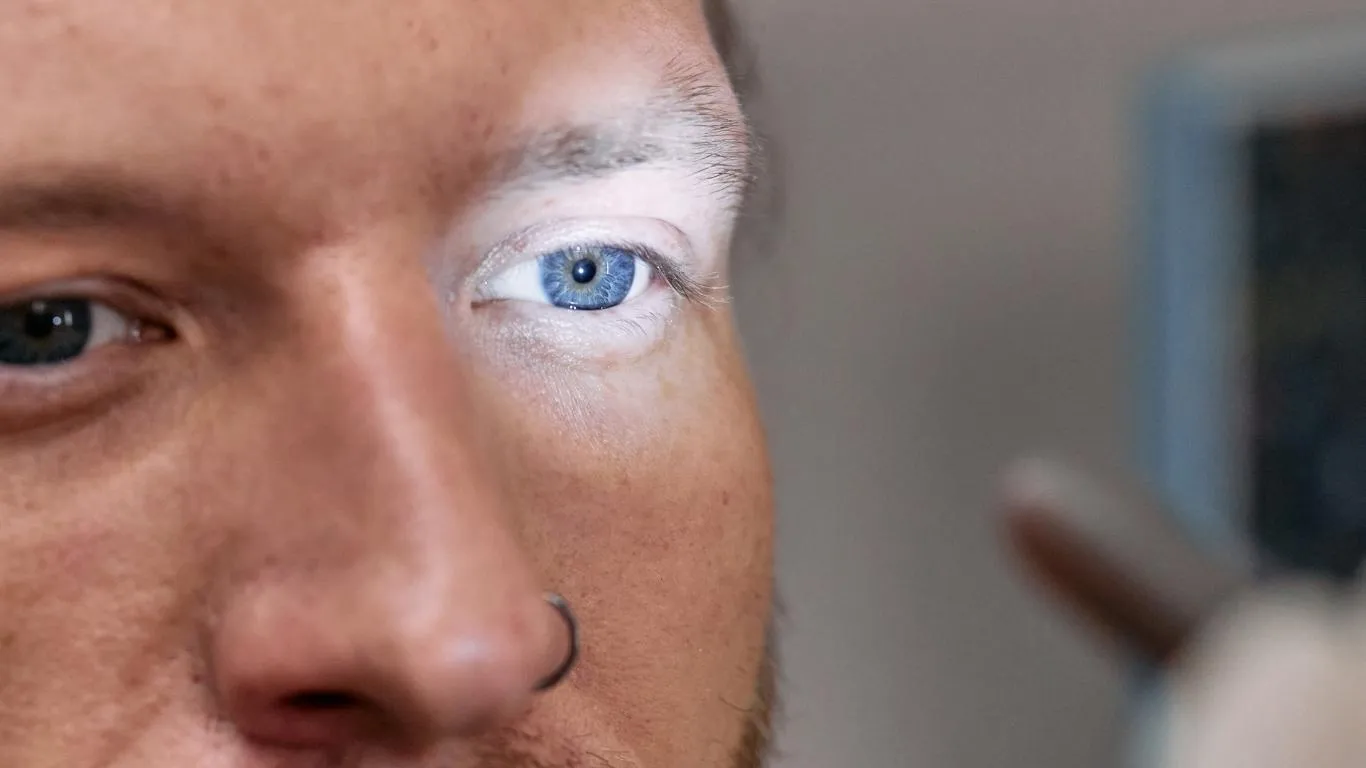
No one really talks about it, but constant floaters — especially when they flare up every spring — can wear you down emotionally. I went through phases of obsessively checking them, trying to “blink them away,” and even getting anxious they were a sign of something worse (been there?).
You’re not being dramatic. Floaters can affect your mental focus, comfort, and even confidence. For many people, they come with real anxiety and distraction — especially when allergies already make you feel off. It’s one of the reasons I’m a fan of this piece on how floaters affect mental health. It validates the struggle and offers grounding, practical advice that helped me feel less alone.
When You Need Relief Fast
If allergies hit hard and your floaters follow, here’s what I keep on-hand for a fast fix:
- Preservative-Free Eye Lubricants — Easy to carry, instant relief from dry irritation
- Cold Gel Eye Masks — Pop them on for 10 minutes and feel the difference
- Indoor Sunglasses — Filters bright light during pollen-heavy days
And if you’re looking to get proactive about managing floaters year-round, especially when environmental triggers like allergies play a role, I recommend starting with this main floater guide. It’s one of the most comprehensive breakdowns I’ve read — and trust me, I’ve been down the rabbit hole.

Camellia Wulansari is a dedicated Medical Assistant at a local clinic and a passionate health writer at Healthusias.com. With years of hands-on experience in patient care and a deep interest in preventive medicine, she bridges the gap between clinical knowledge and accessible health information. Camellia specializes in writing about digestive health, chronic conditions like GERD and hypertension, respiratory issues, and autoimmune diseases, aiming to empower readers with practical, easy-to-understand insights. When she’s not assisting patients or writing, you’ll find her enjoying quiet mornings with coffee and a medical journal in hand—or jamming to her favorite metal band, Lamb of God.