Why Floaters That Flicker In And Out Of Vision Deserve Attention
It started one morning while I was reading emails. A quick flicker in the corner of my eye—almost like a tiny speck dancing in and out of focus. I blinked, thinking it was dust or maybe eye fatigue. But it came back. A strange, unpredictable flutter. That’s how I first noticed the floaters that flicker in and out of vision. If you’ve experienced something similar, you’re definitely not alone—and no, it’s not always just “getting older.”
What Are Flickering Eye Floaters, Really?
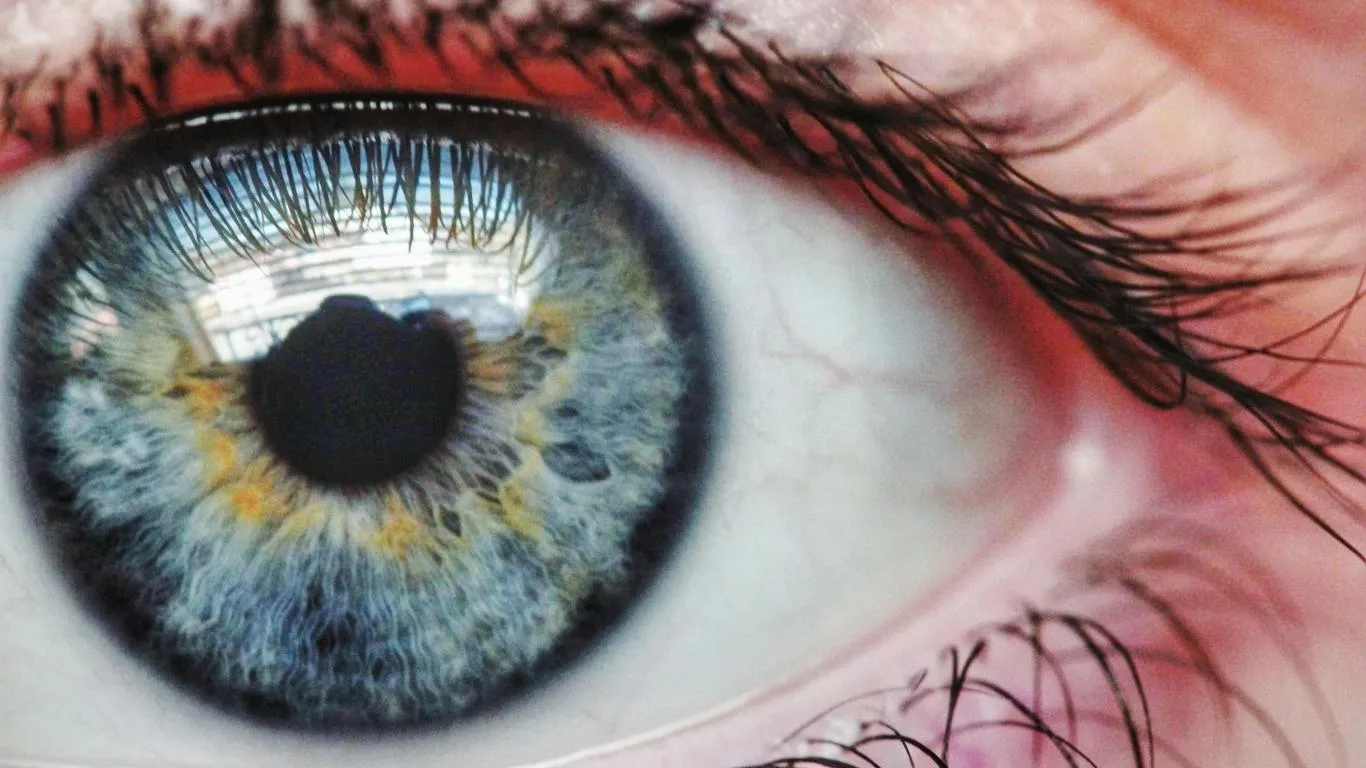
Let’s be clear—not all floaters behave the same. Some drift slowly like transparent cobwebs, others zip past like gnats, and then there are the ones that flicker—almost like they’re playing hide and seek with your vision. These flickering floaters can be a little more unsettling because of their sudden appearance and inconsistent movement.
Floaters are tiny fragments or clumps within the vitreous gel inside your eye. What makes flickering floaters different is how light interacts with them. They may drift into your field of vision then vanish in an instant, only to reappear at the most inconvenient times—like during night driving or when staring at a bright screen.
But Why Flicker Instead of Float?
One possible explanation? Light refraction. These floaters might hover closer to the retina and disrupt light in brief bursts rather than long trails. I personally notice them most when transitioning from dark to bright rooms. There’s also a theory some ophthalmologists believe: eye shape and tension in myopic eyes may cause floaters to behave erratically.
When Are Flickering Floaters a Warning Sign?

Here’s the deal—most floaters are harmless, but flickering floaters sometimes point to bigger issues. When I first noticed mine, I brushed it off. I thought it was just screen fatigue. A few weeks later, I saw flashes too—like lightning bolts on the side of my vision. That’s when I knew it was time to check in with a professional.
- Sudden increase in floaters
- Light flashes accompanying floaters
- Peripheral vision loss
- Dark curtain-like shadows
These symptoms may indicate a retinal tear or detachment. According to American Academy of Ophthalmology, such signs should never be ignored. And if floaters flicker rapidly alongside light sensitivity or pain, that could point to inflammation or even infection.
In fact, I came across this helpful breakdown while reading this article on posterior vitreous detachment, which is one of the leading causes of sudden-onset floaters in people over 40.
Common Causes of Flickering Floaters
- Vitreous Syneresis: Age-related changes that liquefy the gel inside the eye. It’s a natural part of aging but can cause inconsistent floater behavior.
- Myopia (Nearsightedness): High myopia stretches the eye, making it more vulnerable to floaters—and yes, they often flicker more here. Check out how high myopia and floaters go hand-in-hand.
- Eye Trauma: I once got poked in the eye during a basketball game, and guess what? Floaters started a few days later. Blunt trauma can loosen the vitreous gel or disturb retinal tissues.
- Vitreous Detachment: It sounds scary, but it’s surprisingly common in adults over 50. The floaters often flicker in and out as the gel pulls slightly from the retina.
- Light Conditions: This might sound weird, but flickering floaters can show up more often when you’re tired, or in bright natural light. It’s one of the reasons they often go unnoticed until you’re outdoors.
When I Knew It Was More Than “Just Floaters”
I used to think floaters were just a mild annoyance, until I had one that didn’t just drift—it bounced in and out like a glitch in my vision. Over time, it affected my depth perception. Reading became annoying. Driving felt unsafe. And it wasn’t until I read this post about eye floaters during pregnancy that I realized hormonal changes may have been worsening the issue.
The turning point was when I stumbled on this guide about telling eye floaters apart from other eye conditions. That clarity helped me ask the right questions at my next optometrist visit. What I thought was screen fatigue turned out to be mild posterior vitreous detachment.
Natural & Practical Management Tips That Actually Help
Let’s face it—if you’ve got floaters that flicker, you want relief, not just an explanation. While medical options exist, many of us just want to reduce how noticeable they are. Here’s what’s personally helped me:
- Hydration: Dehydration seems to make mine worse. I now start my day with a full glass of water before coffee.
- Reduce Screen Glare: I use a matte screen filter and avoid white backgrounds at max brightness. Trust me, it makes a difference.
- Eye-friendly supplements: After reading up on this breakdown of floaters supplements, I started lutein and omega-3. Took a few weeks, but things got calmer.
- Look, Then Look Away: This odd trick helps temporarily. When one appears, I track it for a second, then shift my focus. Sometimes, it “resets” the floater’s visibility.
- Proper Sleep: Poor sleep increases floaters visibility. I made better sleep hygiene a priority, and not just for eye health.
It’s not about making them disappear entirely. It’s about learning how to manage them so they don’t manage you.
If you’re starting your research, this eye floaters guide breaks it all down beautifully. I also recommend this core article on floaters causes to help you understand where yours might be coming from.
When Should You See a Specialist About Flickering Floaters?
For a while, I hesitated. I thought, “It’s probably nothing.” But as the flickering became more frequent—and started interfering with reading and driving—I finally booked that appointment. Turns out, that was the right move. Flickering floaters can sometimes be subtle warnings of deeper retinal issues.
If you experience any of the following, don’t wait:
- Floaters increasing in size or number suddenly
- Floaters paired with light flashes or blurry vision
- A shadow or curtain effect across your peripheral vision
- Pain or pressure around the eye
It’s scary to think about, but it might be a precursor to something like a retinal tear. Early detection makes all the difference. My ophthalmologist was able to monitor mine closely before things got worse.
Medical Treatments: What Actually Works (and What’s Overkill)
Let’s get one thing straight—not every flickering floater needs laser surgery. In fact, many floaters become less noticeable over time without intervention. But if they’re affecting your quality of life, here are the most common options eye specialists might suggest:
1. Vitrectomy
This is the big one. It’s a surgical procedure that removes the vitreous gel entirely, replacing it with a clear solution. It’s usually reserved for severe cases because it comes with risks like cataracts or retinal detachment.
2. Laser Vitreolysis
A laser targets and breaks up floaters, making them less visible. It’s less invasive than vitrectomy, but not always effective for flickering floaters—especially if they’re near the retina. Still, this article on post-laser floaters gave me a clearer idea of what to expect if I ever go that route.
3. Observation and Lifestyle Tweaks
What worked best for me? Honestly, just understanding my triggers. Things like eye strain, screen brightness, hydration, and even posture changes (yes, posture!) played a role in how frequently I noticed the flickers.
And according to research from National Eye Institute, many floaters dissolve or settle with time. That gave me a lot of peace of mind—sometimes the best thing is simply to track and not panic.
Floaters and Fatigue: Why It’s Not Just in Your Head
You know that feeling when you’re mentally drained, your eyes are dry, and suddenly the flickers seem ten times worse? Been there. Multiple times. Floaters that flicker in and out of vision tend to become more noticeable under eye fatigue or poor lighting. The reason? Your pupils dilate more in low light, increasing contrast and spotlighting those floaters.
What helped me a lot was setting up my workspace with softer ambient lighting and using blue light filters in the evening. It’s a small shift, but you’d be amazed how it impacts visibility.
Supplements, Diet, and Daily Habits That Actually Make a Difference

Look, I was skeptical at first. But after speaking with an eye specialist and doing my own research, I learned that certain nutrients really do support eye clarity and reduce floater intensity. I started a regimen that included:
- Lutein & Zeaxanthin: Found in kale, spinach, and egg yolks. I now add greens to at least one meal a day.
- Omega-3 Fatty Acids: Not just for heart health—studies from NCBI show they help with overall eye comfort and vitreous support.
- Magnesium: I learned from this breakdown on magnesium and floaters that deficiency can heighten symptoms.
- Hydration & Electrolyte Balance: Floaters often flare up when I’m even slightly dehydrated, especially after caffeine.
I also changed how I view supplements—not magic pills, but part of a broader vision health strategy. I give it a few months before judging any results, and I keep a floater journal to notice patterns.
Everyday Adjustments That Reduce Flicker Frustration
Truthfully, I don’t even notice my floaters most of the day anymore. I’ve made a few low-effort but high-impact tweaks to my routine:
- Break the white screen cycle: I switched most of my apps to dark mode. White backgrounds make floaters pop like crazy.
- Gentle eye exercises: Every couple of hours, I practice soft eye rolls and distant focusing. Not woo-woo—this actually helps relax the eye muscles.
- Consistent eye checkups: Floaters aren’t always a problem, but some changes can only be detected by a pro. I get checked every 6-12 months now.
There’s even evidence in this guide to tracking floaters that watching their patterns can help detect deeper eye issues early.
Don’t Let Flickering Floaters Own You

At first, I was obsessively noticing every flicker. I’d Google for hours and second-guess every little light speck. But now? I’ve found a balance. Understanding what’s normal, when to worry, and how to manage them has been life-changing.
These aren’t just visual annoyances—they’re signs, tools even. They help you tune into your health. And when managed right, they fade into the background of daily life.
If you’re navigating floaters that flicker in and out of vision, I highly recommend reading the foundational guide on eye floaters causes, symptoms, and treatment options, along with this resource on dangerous floater signs for peace of mind.

Camellia Wulansari is a dedicated Medical Assistant at a local clinic and a passionate health writer at Healthusias.com. With years of hands-on experience in patient care and a deep interest in preventive medicine, she bridges the gap between clinical knowledge and accessible health information. Camellia specializes in writing about digestive health, chronic conditions like GERD and hypertension, respiratory issues, and autoimmune diseases, aiming to empower readers with practical, easy-to-understand insights. When she’s not assisting patients or writing, you’ll find her enjoying quiet mornings with coffee and a medical journal in hand—or jamming to her favorite metal band, Lamb of God.