Why Post Covid Eye Floaters Increase Is Hard To Ignore
If you’ve noticed those weird squiggly lines or dots in your vision after recovering from COVID, trust me—you’re not alone. I first spotted mine while reading emails on a bright screen a few weeks post-infection. At first, I thought it was just eye strain. But as days passed, those floaters stuck around like uninvited guests, making me wonder: is this normal? Is there really a link between COVID recovery and eye floaters getting worse?
What Are Eye Floaters and Why They Matter Post-COVID
Eye floaters are those little spots, strings, or cobweb-like shapes drifting across your field of vision. They’re caused by tiny clumps of gel or cells inside the vitreous—the clear jelly-like fluid that fills the inside of your eye. Floaters become more common with age, but now, more people are reporting a noticeable post COVID eye floaters increase. Coincidence? Probably not.
The sudden visibility of floaters after COVID isn’t just anecdotal. Ophthalmologists are starting to take note. While some floaters are harmless, others could be early signs of complications like posterior vitreous detachment or even retinal tears, especially in people who had moderate to severe COVID symptoms.
How COVID-19 May Be Contributing to the Rise in Eye Floaters
So what’s the deal? Why would COVID-19 mess with your eyes like that?
Well, researchers believe several factors might be at play:
- Systemic inflammation: COVID causes a spike in inflammatory markers, which can impact the eye’s vascular system.
- Oxidative stress: Increased oxidative stress might damage the vitreous or surrounding tissues.
- Viral load affecting ocular tissue: Yes, SARS-CoV-2 has been found in ocular fluids in some cases.
Honestly, I didn’t expect my mild COVID case to affect my eyes at all. But it seems even people with mild symptoms can experience delayed side effects—especially visual disturbances.
Who’s Most at Risk for Post COVID Eye Floaters?
Although anyone can develop floaters post-COVID, some people seem to be more susceptible:
- People over 40 (because the vitreous naturally degenerates with age)
- Those with pre-existing eye conditions or diabetes
- Patients who experienced neurological or vascular complications during their COVID infection
- Anyone who had a delayed recovery or persistent long-COVID symptoms
What’s scary is how easy it is to dismiss these floaters as “just aging.” But in reality, there’s more going on beneath the surface for many of us.
What It’s Like Living With Increased Floaters After COVID
I’ll be real with you—it’s annoying. I catch myself rubbing my eyes constantly or blinking more than usual. Screens are the worst, especially with bright backgrounds. According to American Academy of Ophthalmology, screen fatigue can make floaters more noticeable, which is pretty much my daily life as someone who works on a laptop all day.
And for those of you wondering if you’re just imagining it, I promise you’re not. Studies are starting to support what patients have been saying for months now. The increase in floaters is real, and the connection to COVID recovery is gaining clinical interest.
Can Other Factors Be Making It Worse?
Absolutely. While COVID might set the stage, other lifestyle factors could be pouring gasoline on the fire:
- Dehydration – Post-COVID fatigue often leads to poor hydration habits
- Smoking – If you picked up the habit during lockdown stress, it’s not helping your eyes
- Sleep issues – Long COVID often affects sleep, and yes, it matters for your eyes too
We also can’t ignore medications. If you were on steroids, antivirals, or antibiotics, some of those can increase your risk of visual side effects. According to NIH, certain systemic drugs may cause ocular side effects, including floaters and vision changes.
What You Should and Shouldn’t Worry About
Here’s a tip I wish I’d known sooner: not all floaters are created equal. Some are just annoying. Others? They can be a warning.
If your floaters are accompanied by flashes of light, sudden loss of peripheral vision, or a dark curtain over part of your sight, you could be dealing with something more serious—like retinal detachment. Learn more about how to recognize those signs here.
For me, tracking when and where they appear (bright rooms, after exercise, etc.) helped me stay aware and not spiral into anxiety. Still, a professional checkup gave me peace of mind—and thankfully, no serious damage.
Want to dig deeper into what eye floaters really are? Check out the full guide on what causes, symptoms, and treatments are available for floaters. Or explore broader causes from aging to trauma here.
How Long Do Post-COVID Eye Floaters Last?
Here’s the million-dollar question I asked my eye doctor: “Do these floaters ever go away?” His answer wasn’t super reassuring—“It depends.” But that’s the truth. For some, especially those with mild floaters, they become less noticeable over time. Your brain adapts and starts ignoring them. Others (like me, unfortunately) aren’t that lucky.
In cases where floaters are tied to post-COVID inflammation, recovery may stretch over weeks—or months. One study cited on ncbi.nlm.nih.gov highlighted ocular issues lingering in some patients for up to a year post-infection. That doesn’t mean you’re stuck with them forever, but patience (and follow-ups) are key.
Ways to Manage Eye Floaters Naturally
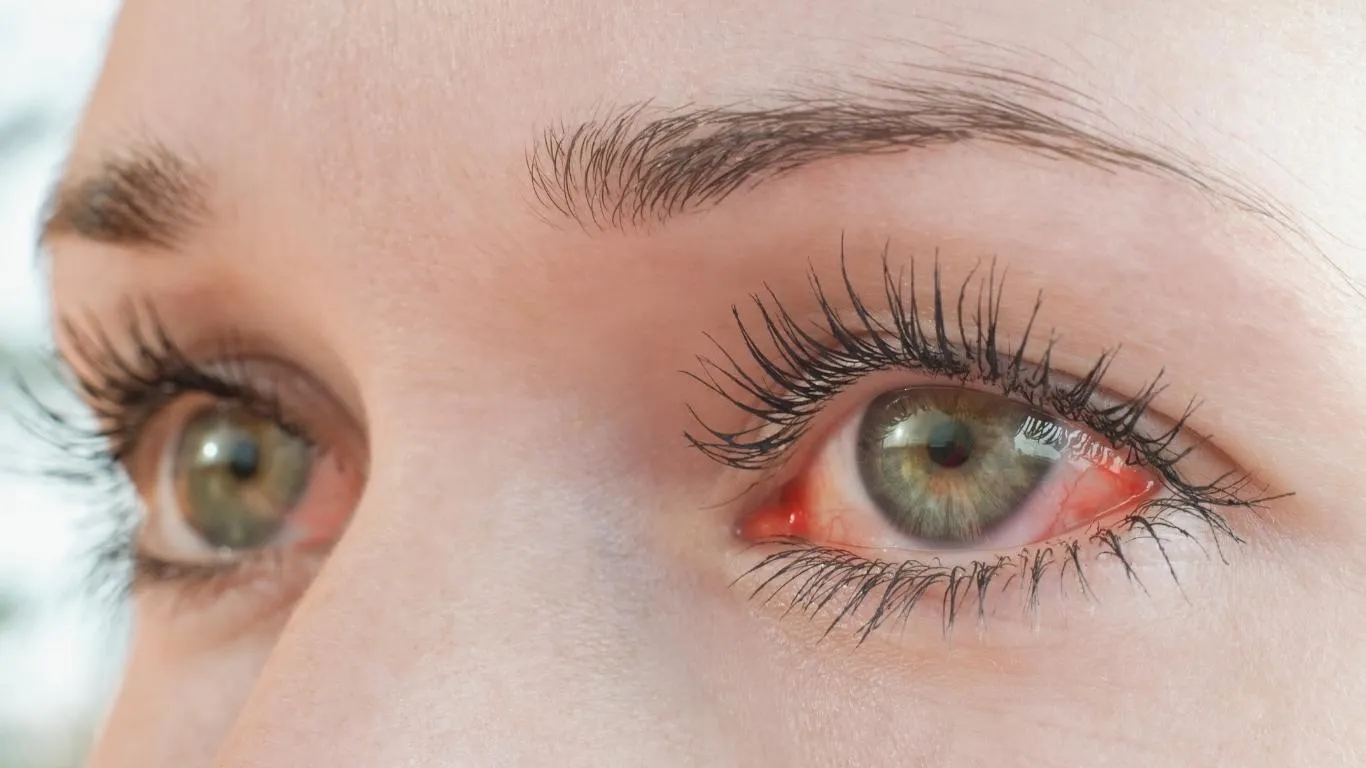
If you’re hoping for some magical eye drops that erase floaters—well, they don’t really exist (yet). But don’t lose hope. There are several practical, low-risk ways to improve how you cope:
- Hydration: Drinking enough water helps maintain vitreous structure
- Supplements: Omega-3s, lutein, and vitamin C are often recommended to support eye health. See this roundup of vision-supporting supplements
- Stress reduction: Chronic stress and eye strain make floaters more noticeable—try breathwork, yoga, or a walk in nature
- Lighting adjustments: Bright or direct lighting can amplify floaters; softer lighting may help
I also started using computer glasses with blue light filters, which surprisingly made a difference. The floaters didn’t vanish, but they were way less intrusive during long workdays.
When Should You See a Specialist?
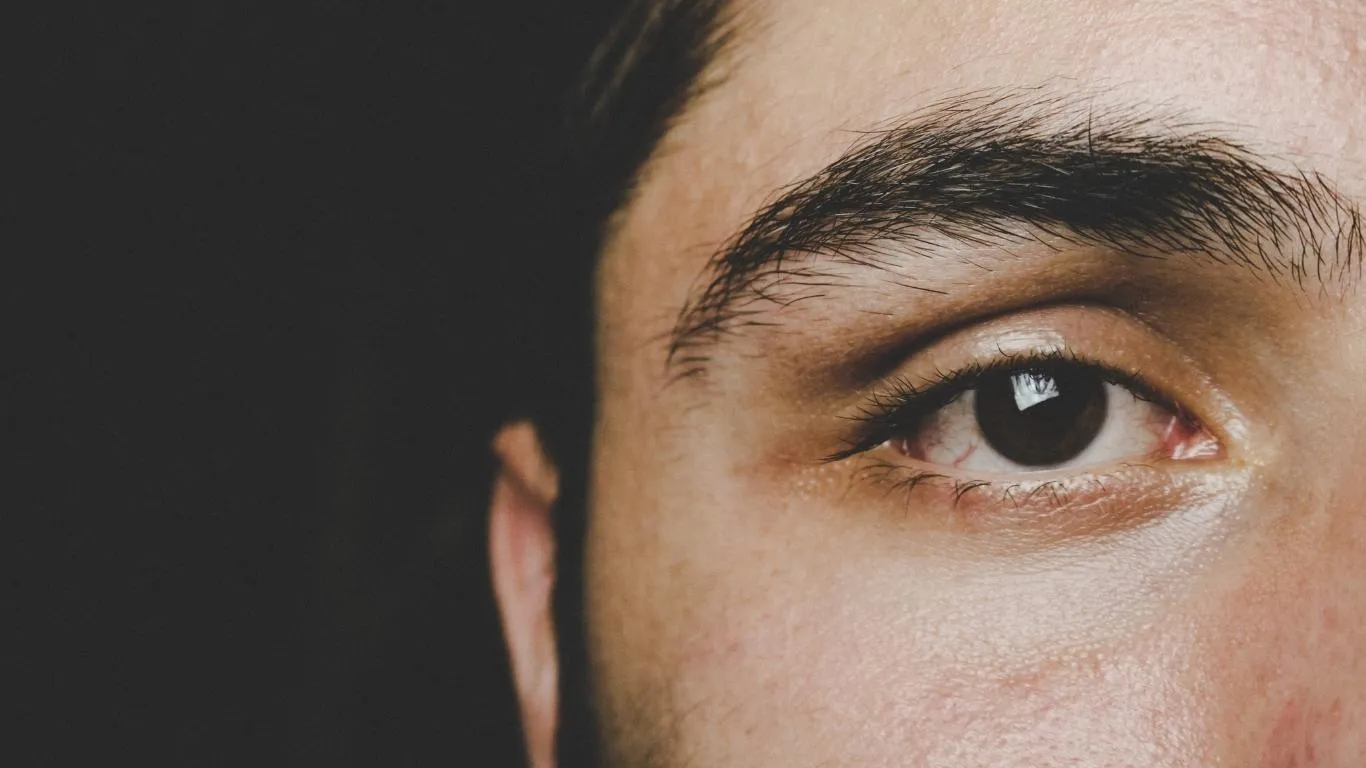
If you’re seeing floaters for the first time post-COVID—or noticing a sudden spike—don’t gamble with your sight. Schedule an eye exam. It’s that simple. You need a dilated retinal exam to rule out tears or detachment. Especially if you’re experiencing any of these:
- Flashes of light (like lightning bolts at the edge of your vision)
- Sudden drop in vision or blurry patches
- Dark shadows or curtains moving across your field of view
Sometimes, floaters are just floaters. But when they’re not—early detection can save your vision. Learn how floaters can warn you of bigger eye issues before it’s too late.
Can COVID Trigger Long-Term Eye Damage?
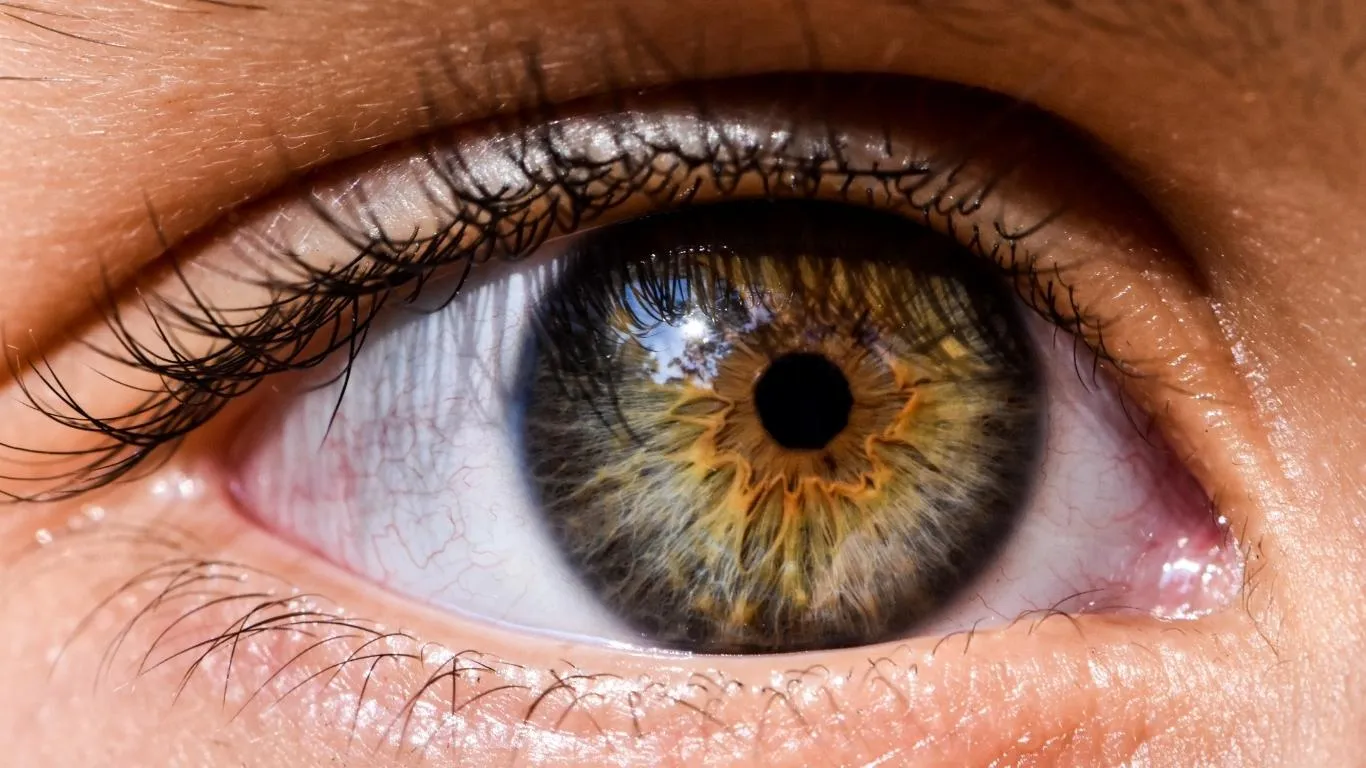
This is where things get a little murky. Some ophthalmologists believe that COVID may not cause damage directly, but rather accelerates underlying issues—especially in older adults or those with vascular or autoimmune risk factors. If your retina was already fragile, inflammation from COVID might be the tipping point.
There are also rare cases of autoimmune-related eye conditions emerging after infection. COVID is known to mess with immune function, which can unmask or trigger dormant issues. If you’ve had persistent floaters accompanied by joint pain, fatigue, or skin issues, you might want to ask your doctor about systemic autoimmune screening.
What Treatments Exist for Persistent or Severe Floaters?
Most floaters don’t require treatment, but if yours are affecting your daily life, there are options—though not without risks.
- Laser vitreolysis: This non-invasive laser treatment breaks up floaters to make them less visible. It works for some but isn’t widely offered.
- Vitrectomy: A surgical procedure that removes the vitreous gel altogether. It’s effective but usually a last resort due to risks like cataracts or retinal detachment.
Before considering anything invasive, make sure to explore conservative options and learn how treatments compare in real-world outcomes. In my case, I stuck with lifestyle changes and regular check-ins. It’s not perfect, but it’s manageable—and that’s good enough for now.
How to Track and Document Eye Floaters at Home
Something that really helped me reduce anxiety was keeping a floater journal. Every morning, I’d note:
- How many floaters I noticed
- What they looked like (dots, strings, flashes)
- When they appeared (morning, after screen time, outdoors, etc.)
- Lighting conditions
There are also mobile apps designed to help you track vision changes. If you’re seeing rapid shifts, bring your logs to your next eye appointment. It’s a powerful way to give your eye doctor context beyond a single visit.
You’re Not Alone—And You’re Not Imagining It
It’s easy to feel dismissed—especially if your vision looks “fine” during a quick eye exam. But what you see matters. The increase in eye floaters after COVID is real. You’re not overreacting. You’re not being dramatic. And you definitely deserve answers.
Stay curious. Stay proactive. And if you’re ready to explore everything from symptoms to surgical options, this full guide on what causes eye floaters and how to treat them is a great place to go deeper.
Or, if you’re concerned your floaters might be a warning sign of something more serious—like retinal detachment or neurological issues—review these red flag floater symptoms to know what’s worth getting checked out right away.

Camellia Wulansari is a dedicated Medical Assistant at a local clinic and a passionate health writer at Healthusias.com. With years of hands-on experience in patient care and a deep interest in preventive medicine, she bridges the gap between clinical knowledge and accessible health information. Camellia specializes in writing about digestive health, chronic conditions like GERD and hypertension, respiratory issues, and autoimmune diseases, aiming to empower readers with practical, easy-to-understand insights. When she’s not assisting patients or writing, you’ll find her enjoying quiet mornings with coffee and a medical journal in hand—or jamming to her favorite metal band, Lamb of God.