Why Eye Floaters That Change in Shape May Be a Warning
Ever caught yourself staring at the sky or a white wall, suddenly noticing odd shapes drifting in your vision—almost like cobwebs or jellyfish? I remember the first time I noticed mine. I thought it was dust on my glasses, but nope—they moved when my eyes moved. And then some days, they looked different. More squiggly, less dotty. It got me thinking: why do eye floaters change in shape? Is that normal—or is it a red flag?
What Are Eye Floaters That Change in Shape?
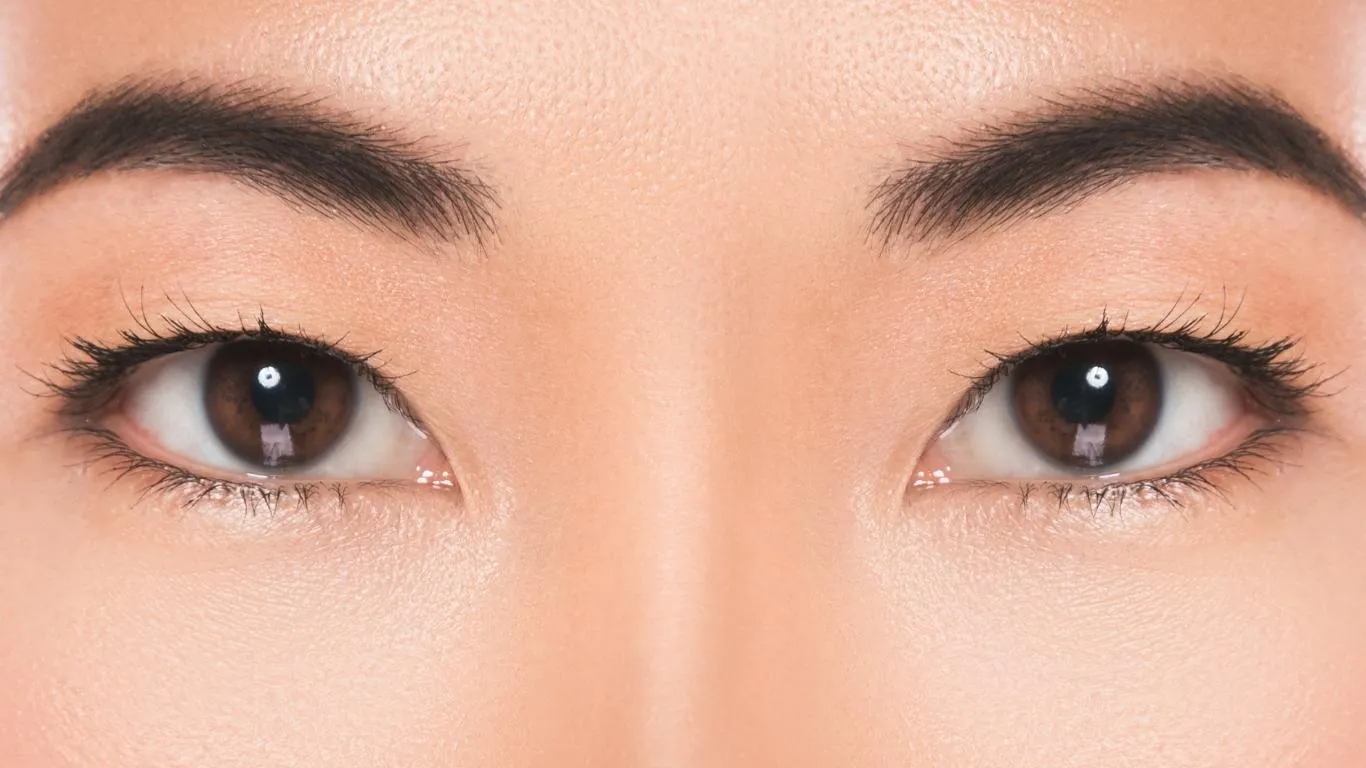
Floaters are those tiny specks, squiggles, or thread-like shapes that drift through your field of vision. Most people describe them as translucent or shadowy. But when they change in shape—say from stringy to blobby, or from a dot to a ring—it can feel unsettling.
From my own experience, some floaters seem to morph over days, especially when I’m tired or have been staring at screens too long. But what’s really going on in the eye when this happens?
Understanding the Vitreous Humor
Inside your eye is a gel-like substance called the vitreous humor. It’s mostly water but has just enough collagen and proteins to give it structure. As we age, that gel can start to shrink or liquefy. Bits of it clump together, casting shadows on the retina—voilà, floaters.
But here’s the kicker: as the vitreous continues to shift and collapse, the floaters shift, too. That’s why you might see a tiny thread one week and a sprawling web the next.
Sometimes the shape change is subtle. Other times, it’s dramatic. If you’ve had floaters that suddenly seem more pronounced or start forming ring-like or elongated patterns, it could be due to a deeper change in the vitreous structure. Vitreous syneresis is one such culprit.
When Shape-Changing Floaters Could Be a Warning Sign
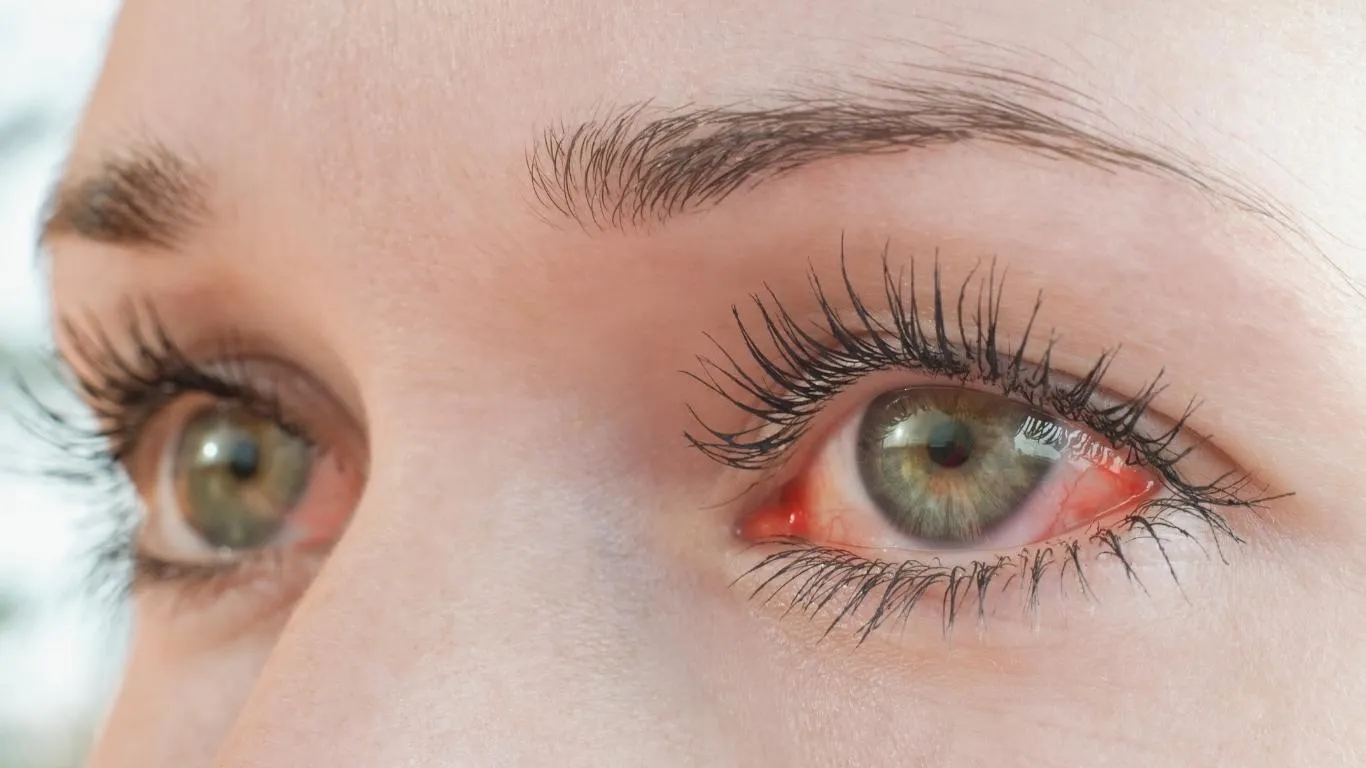
Most of the time, changing floaters are benign. I’ve lived with mine for years. But if they’re suddenly accompanied by flashes of light or a curtain-like shadow, you need to see an eye doctor immediately.
- New floaters appearing rapidly
- Floaters that grow quickly in size or density
- Accompanied by visual disturbances or pain
These may signal something like a retinal tear or even retinal bleeding. Both are serious and could affect vision permanently if left untreated.
Are These Shape Changes Linked to Lifestyle?
Let’s get honest—our habits play a role here. I know mine did. Too much screen time, dehydration, poor lighting… all made my floaters seem more noticeable and sometimes even exaggerated the way they appeared.
Common Lifestyle Triggers:
- Screen Exposure: Blue light doesn’t cause floaters, but it sure makes them more noticeable.
- Hydration Levels: Dehydration can impact the vitreous consistency, exaggerating floaters.
- Sleep Quality: Lack of rest may alter visual processing and floater perception.
- Nutrition: Low collagen and antioxidant intake might accelerate vitreous aging.
Even posture and head position can alter how floaters appear. Tilting my head a certain way during long reading sessions would make a single squiggle look like a tangled thread. Turns out, that’s a real thing: head position can influence floater visibility.
What Causes Floaters to Morph Over Time?
Here’s what my ophthalmologist explained: it’s all about collagen fiber movement. When the gel in your eye starts to break down, those little strands float more freely. They may clump, stretch, dissolve, or reorganize, which changes their shape—and how they’re perceived.
If you’ve ever seen one shape turn into another and then back again, that’s likely just one floater shifting within the eye’s fluid. The brain also plays a trick here. Our perception can vary based on focus, lighting, and angle.
Medical Conditions That May Accelerate Floater Shape Changes:
In these cases, floaters may not only change shape but multiply rapidly or become denser. It’s not just annoying—it’s often a sign of a bigger issue.
Should You Be Concerned About These Changes?
Let me be real—most of us who deal with floaters that change shape just learn to live with them. But it’s wise to monitor them. If they change shape frequently and especially if they do so rapidly, it’s worth getting checked. I now track mine monthly using a simple grid drawing, just to make sure nothing’s evolving too quickly.
For a deeper understanding of what eye floaters are and how they behave, the main guide to eye floaters is incredibly helpful. Also check out the warning signs article if you’re unsure whether to worry.
According to American Academy of Ophthalmology and NIH, regular eye exams can detect early retinal problems long before symptoms become obvious. Don’t sleep on that advice.
Can Eye Floaters That Change in Shape Go Away?
This is probably the question I Googled the most when I first noticed mine changing shapes. Short answer? Sometimes. But not always.
The body can reabsorb or “settle” floaters over time, especially the smaller, more diffuse ones. Others? They stick around like uninvited guests at a dinner party. The shifting shapes usually settle as the vitreous stabilizes. Still, some people—me included—find that even after years, some floaters still dance around during bright days.
If your floaters are new or behaving oddly, a visit to the eye doc is worth it. And yes, I’ve been told more than once: “It’s just part of aging.” But getting that peace of mind? Worth every second in the waiting room.
Are There Treatments for Shape-Changing Floaters?
Most ophthalmologists will tell you the same thing mine did: if the floaters aren’t affecting your vision severely, you probably don’t need treatment. But if they’re interfering with daily life, there are options.
Common Treatment Options:
- Observation: Simply keeping track and monitoring for any drastic changes. Ideal for non-intrusive floaters.
- Laser Vitreolysis: This uses lasers to break up larger floaters. It’s not always available and isn’t suitable for every case. Here’s a breakdown.
- Vitrectomy: A surgical procedure that removes the vitreous and replaces it with a saline solution. It’s more aggressive and carries higher risk, but can be effective in severe cases.
There are also some natural remedies people swear by—hydration, collagen-rich diets, eye exercises—but while I’ve found them helpful in keeping things from getting worse, they didn’t exactly make my floaters vanish. Just keeping expectations real here.
How to Manage Them Day-to-Day
Living with floaters that shift and morph isn’t easy, but it is manageable. Over the years, I’ve built a kind of routine around them. You can’t always control their appearance, but you can control how you react to them.
Practical Tips I Use Daily:
- Avoid bright white backgrounds: I changed my desktop theme to darker tones and it helps a lot.
- Wear polarized sunglasses: Less glare means floaters are less noticeable.
- Use ambient lighting indoors: Harsh fluorescent lights? No thanks.
- Hydrate often: Dehydration made mine worse. Upping water intake helped reduce how visible they were.
- Take breaks from screens: The 20-20-20 rule (every 20 minutes, look at something 20 feet away for 20 seconds) is a game changer.
Here’s another thing I didn’t expect: stress makes them worse. Not just in volume, but in how much I notice them. I once went through a really tense work month, and those floaters felt like they were dancing right across every document I opened. Coincidence? I don’t think so. There’s even a piece on stress-induced floaters.
Are There Any Supplements That Help?
This is one area where people get very divided. I tried a few eye health supplements with Lutein, Zeaxanthin, and Omega-3s. Did they erase the floaters? No. But I felt like my eyes were less tired and my night vision improved, which helped how often I noticed the floaters.
Here’s a handy guide to supplements that target eye floaters, based on actual ingredients that promote vitreous and retinal health. Again—results vary.
When Should You See a Specialist?
My rule of thumb? If something feels off, get it checked. If your floaters change in shape, frequency, or behavior and you’re getting symptoms like light flashes, eye pain, or a shadow creeping into your vision—don’t wait.
Sometimes, floaters are a sign of something more. Posterior vitreous detachment is common, but it needs monitoring. Other times, it could be linked to more serious issues like infection-related floaters or inflammation.
And just because floaters feel minor doesn’t mean they are. Vision is precious. Floaters might be your eye’s way of telling you something’s up. Respect that signal.
More You Should Know
Learning how to track your floaters—yes, literally sketching their shapes over time—can give you insights you can share with your eye doctor. It helped mine spot that one of mine had stopped moving, which prompted more imaging. Thankfully, it was nothing serious. But you never know.
If you’re starting to notice floaters change in appearance or become more intrusive, take a deeper dive into treatment options or explore the main pillar guide to eye floaters to understand where your symptoms fit in.
At the end of the day, floaters are part of many people’s visual lives—but they don’t have to be a mystery. Knowing what’s normal and what’s not makes all the difference.

Camellia Wulansari is a dedicated Medical Assistant at a local clinic and a passionate health writer at Healthusias.com. With years of hands-on experience in patient care and a deep interest in preventive medicine, she bridges the gap between clinical knowledge and accessible health information. Camellia specializes in writing about digestive health, chronic conditions like GERD and hypertension, respiratory issues, and autoimmune diseases, aiming to empower readers with practical, easy-to-understand insights. When she’s not assisting patients or writing, you’ll find her enjoying quiet mornings with coffee and a medical journal in hand—or jamming to her favorite metal band, Lamb of God.