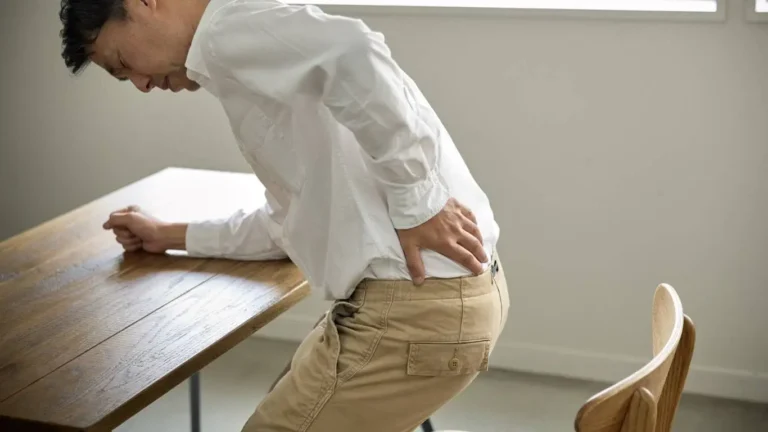
Why Cervicogenic Migraine Pain Location Matters Most
Cervicogenic migraine pain isn’t just a fancy term doctors toss around—it’s a very real, very frustrating kind of pain I’ve personally wrestled with more than a few times. You know that tight, stabbing ache that starts at the base of your skull, maybe wraps around one side of your head, and refuses to let go for hours, even days? That’s the beast we’re talking about. It’s like your neck is throwing a tantrum, and your brain is the unfortunate bystander. What makes it especially tricky is how often it gets misdiagnosed or lumped in with tension headaches or classic migraines. But this is its own brand of misery—and it deserves its own spotlight.
What Exactly Is Cervicogenic Migraine Pain?

Unlike typical migraines that stem from neurological changes, cervicogenic migraines are secondary headaches. That means they’re triggered by another issue—usually in your neck. Think pinched nerves, worn-out cervical joints, or stiff muscles from sitting too long in front of a screen (guilty as charged). The nerves at the top of the spine (C1, C2, and C3) are closely tied to your head and face pain pathways. So, when those nerves are inflamed or irritated, it’s like someone set off a fire alarm in your head—but the source is your neck.
Common Signs You Might Be Dealing With Cervicogenic Migraine Pain
- Persistent pain on one side of your head
- Neck stiffness that doesn’t go away with stretching
- Headache that worsens with neck movement
- Shoulder or arm discomfort on the same side
- Blurred vision or light sensitivity
One red flag? The pain often starts in your neck and creeps upward, unlike a typical migraine that begins in your temples or behind your eyes. If this sounds familiar, you’re not imagining it—and you’re not alone. Millions silently battle this form of migraine without even knowing its name.
What Causes Cervicogenic Migraine Pain?

Now, let’s break this down without sounding like a medical textbook. In my case, it started with poor posture. Years hunched over laptops and phones—classic tech neck. But beyond that, there are several culprits:
- Whiplash or Neck Injuries: Old car accidents can come back to haunt you.
- Degenerative Disc Disease: As we age, our cervical discs naturally wear out.
- Herniated Discs: These can press on nerves and mimic migraine symptoms.
- Muscle Imbalances: Desk jobs and sedentary lifestyles are a breeding ground for these.
Even hormonal shifts and chronic stress can aggravate the cycle. Trust me, once you enter that loop, it feels endless. One wrong move and bam—the familiar throb starts behind your ear, slowly strangling your focus for the day.
Where Does It Hurt? Understanding the Pain Location

Here’s the kicker about cervicogenic migraines—they’re great at playing hide and seek. The pain isn’t always in your neck, even though that’s where it begins. Mine often starts as a dull ache just above my shoulder blade, then migrates up the neck and parks itself above my right eye.
Typical Pain Areas Include:
- Back of the head (occipital region)
- Neck (upper cervical spine area)
- One side of the head or face
- Behind the eyes or around the temples
- Shoulder and upper back (often mistaken for muscle pain)
This scattershot nature of the pain is why many people end up Googling “headache on one side of head” or even thinking they have sinus issues (you’d be surprised how many people confuse the two). The pain radiates unpredictably, making it tricky to diagnose without some digging.
How Cervicogenic Migraines Differ from Other Migraine Types

This isn’t your run-of-the-mill migraine. I’ve had both—the kind that comes with auras and nausea, and the cervicogenic type—and they’re night and day. Here’s a quick breakdown of what sets cervicogenic migraines apart:
- They always originate from neck issues
- Pain is usually one-sided and doesn’t shift
- They often don’t come with classic migraine symptoms like throbbing or aura
- Neck movement usually worsens the pain
To make things trickier, many people with cervicogenic migraines also suffer from chronic migraine patterns, making the diagnosis a bit murky. But understanding the neck’s role in all this is the first real step toward proper relief.
Treatment Options That Actually Work (No Magic Fixes, Just Honest Relief)

Here’s the truth: there’s no one-pill solution. But a combination of treatments, especially targeting the neck, can work wonders. For me, it took trial and error. What finally helped?
- Physical therapy: Focused exercises to strengthen and realign the neck.
- Massage therapy: Especially for tight suboccipital muscles.
- Chiropractic adjustments: With a certified, migraine-experienced practitioner.
- Medication: OTC or prescribed options that target nerve inflammation (like NSAIDs).
I also use a supportive cervical pillow and religiously avoid awkward neck positions during sleep. You can dive deeper into this approach via the migraine treatment guide and the main migraine resource for other integrative options. Sites like mayoclinic.org and nih.gov also have excellent breakdowns on this type of pain.
Lifestyle Shifts That Help Reduce Cervicogenic Migraine Frequency

If there’s one thing I’ve learned on this rollercoaster of cervicogenic migraines, it’s that managing them isn’t just about reacting to pain—it’s about prevention. Lifestyle changes might sound like the typical doctor talk, but when I committed to even small tweaks, I saw big results. Especially since my job involves sitting and typing for hours, neck tension was inevitable until I made some serious ergonomic upgrades.
Posture and Ergonomics: The Everyday Game-Changer
Slouching doesn’t just mess up your back—it’s a migraine trigger magnet. Once I invested in a proper ergonomic chair and adjusted my screen to eye level, the frequency of my migraines dropped. Try setting phone reminders to check your posture or use a standing desk if possible. This might seem basic, but neck strain often begins with posture, and it adds up fast over weeks and months.
Targeted Exercise and Mobility Work
- Neck retraction exercises: These help reduce forward-head posture.
- Chin tucks: Simple, discreet, and great for desk breaks.
- Thoracic mobility drills: Loosen up the upper back to support the neck.
These moves were part of the plan my physical therapist gave me—and they work. I now do a short routine every morning and before bed. For deeper insight on using movement as therapy, this article on exercise and migraine outlines it pretty clearly.
Alternative Therapies: Do They Really Work?
After I’d exhausted traditional treatment, I dipped into the world of alternative therapy. I’ll be honest—I was skeptical. But the results surprised me. Not every method worked, but some were absolute game-changers.
- Acupuncture: Specifically around the neck and shoulder area. After 3–4 sessions, my pain episodes were shorter and less intense. You can read more about this in this breakdown on acupuncture for migraine.
- Chiropractic care: Only with certified providers who specialize in migraines.
- CBD oil: I use a topical balm on my neck on flare-up days. It doesn’t knock the migraine out cold, but it soothes the tension noticeably. If you’re curious about THC or CBD applications, this resource covers it well.
Therapies Worth Considering:
I personally found hot compresses more helpful than cold, but it really depends on the day and your body’s response. Everyone’s a little different.
Sleep and Cervicogenic Migraines: An Underrated Connection

This one hit me hard. I didn’t realize just how much poor sleep was feeding the migraine monster until I changed up my pillow game. If your neck isn’t aligned while you sleep, you’re setting the stage for cervicogenic migraines before the day even starts.
What Helped Me Sleep Better:
- Switching to a pillow made for migraine-prone sleepers
- Establishing a nighttime routine—no screens an hour before bed
- Neck stretches and breathing exercises before sleep
I noticed that if I wake up with tightness at the base of my skull, the rest of my day is already in trouble. Addressing sleep posture is one of the most low-effort, high-impact habits you can form.
When to See a Specialist

There’s a point where self-treatment isn’t enough. I hit that wall when the pain started interfering with work, driving, and my overall mental health. Seeing a neurologist made all the difference, especially one who understood cervicogenic-specific symptoms. You can start with a referral to a headache specialist who deals with this subtype regularly.
They may recommend more advanced diagnostics or introduce targeted therapies like nerve blocks or CGRP inhibitors. Speaking of which, if you’re not familiar with how those work, this guide explains them clearly.
Tracking Your Pain Patterns for Better Outcomes

If you haven’t started a migraine diary yet, now’s the time. I fought the idea at first—one more thing to manage. But wow, it’s helped me connect the dots. After a few months of tracking, I found a strong pattern between poor sleep and neck stiffness followed by headaches. I use a simple app, but you can also create your own system.
What to Track:
- Time of onset
- Location and severity of pain
- Activity prior to migraine
- Weather, sleep, stress, or diet notes
Patterns are everything. Once I realized I was consistently triggering migraines after weightlifting with poor form, I adjusted and saw improvement within weeks.
Eating and Supplementing Smart for Cervicogenic Relief

Food isn’t just fuel—it can either help or hurt your migraine frequency. I found that cutting back on processed foods and adding more anti-inflammatory options really helped. Magnesium supplements have been a lifesaver on high-stress weeks.
Worth Exploring:
These aren’t miracle cures, but paired with physical therapy and smart sleep habits, they’ve given me more “good days” than I used to think were possible. For a full guide, the migraine diet planning article is incredibly helpful.
To go deeper into how migraines work and how they interact with other systems in your body, you might want to check out the full resource on migraine comorbidities. You can also explore the broader breakdown on migraine and headache types to see where yours fits in.
And honestly, the more you learn about your specific triggers, routines, and pain patterns, the more control you can regain. That’s been the biggest takeaway for me—and I hope it helps you, too.

Bianca Nala is a compassionate Nurse Practitioner with a strong background in primary and respiratory care. As a health writer for Healthusias.com, she combines her clinical expertise with a talent for clear, relatable storytelling to help readers better understand their health. Bianca focuses on topics like asthma, COPD, chronic cough, and overall lung health, aiming to simplify complex medical topics without losing accuracy. Whether she’s treating patients or writing articles, Bianca is driven by a single goal: making quality healthcare knowledge accessible to everyone.