Why Floaters That Come and Go Weekly Could Be a Warning Sign
If you’ve ever stared up at the sky or a blank white wall and noticed squiggly lines or transparent blobs drifting across your vision, you’re not alone. I used to think something was wrong with my eyes—or that maybe I wasn’t getting enough sleep—until I finally asked my optometrist. Turns out, those floaters that come and go weekly? Totally real, common, and surprisingly complex.
What Are These “Floaters” That Keep Showing Up?
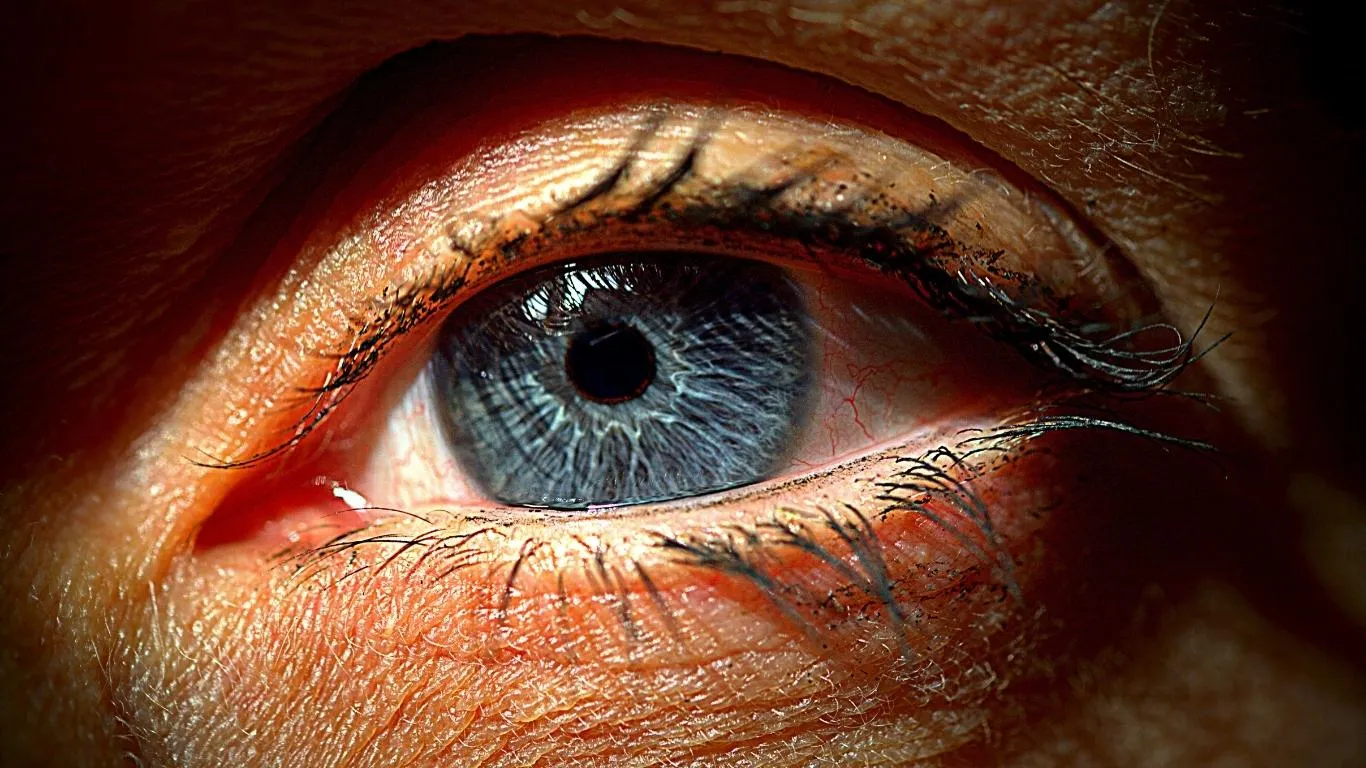
Floaters are small clumps of collagen or other substances that float in the vitreous, the gel-like substance that fills your eye. These tiny shadows cast on your retina can look like cobwebs, strings, spots, or tiny insects fluttering across your field of vision. The weird part? They’re often harmless—but their frequency, appearance, or behavior could signal something bigger.
Why Do Floaters Come and Go?
One of the most frustrating aspects of eye floaters is how inconsistent they can be. One day, they’re barely noticeable. The next, they’re dancing in your line of sight during your morning Zoom call. The phenomenon of floaters that come and go weekly is often related to light conditions, hydration levels, stress, or even your head position.
- Lighting: Bright light, especially from screens or sunlight, makes floaters much more noticeable.
- Eye movement: When your eyes move quickly, so do the floaters, which is why they can feel more intense at certain times.
- Fatigue: I’ve personally noticed that on days when I’m exhausted, my floaters tend to show up more aggressively.
And then they vanish—for a few days or even a week—only to return like an uninvited guest when you least expect them. Sound familiar?
Common Triggers That Make Them Worse

Dehydration
If you’re not drinking enough water, your vitreous humor can become less gel-like and more liquid, which may make floaters move around more or appear more frequently. I found this article helpful when I realized my floaters acted up during long workdays without enough hydration.
Screen Time & Digital Eye Strain
Extended exposure to screens—especially without blue light protection—can make floaters more noticeable. Your eye muscles strain, your blinking rate drops, and bam, floaters everywhere. Check out this breakdown of how screen use may worsen the issue.
Stress & Hormonal Shifts
It might sound strange, but elevated stress levels (which I absolutely dealt with during deadlines) have been shown to increase the perception of floaters. This is likely tied to cortisol levels and vascular changes in the eye. Hormonal fluctuations, like those during pregnancy or menopause, are also common culprits. If that’s your situation, you’re not alone.
When Floaters Aren’t So Harmless
Sudden Burst or Accompanied by Flashes
If you suddenly notice a dramatic increase in floaters—especially paired with light flashes or peripheral vision loss—it could be a retinal tear or detachment. I read this story on floaters before retinal tears, and it changed the way I viewed my eye health forever.
Eye Injuries & Trauma
Whether it’s a hit to the head or sports-related impact, floaters can be one of the first indicators of internal eye trauma. Read more on eye injuries and floaters here. I once caught a basketball to the face, and yes—the floaters showed up the next day like clockwork.
Medical Conditions
From diabetes to high blood pressure, and even autoimmune disorders, floaters can hint at underlying issues. This article on diabetes and floaters offers valuable insight into the connection.
What You Can Do When They Disrupt Daily Life
Eye-Friendly Habits That Help
I started using blue light filtering glasses, adjusted my screen height, and took regular 20-20-20 breaks (every 20 minutes, look at something 20 feet away for 20 seconds). Small adjustments, but they made a noticeable difference in how often I see those squiggly guys.
- Hydrate consistently – Aim for at least 8 cups daily.
- Improve posture – Poor neck position may affect eye circulation.
- Use natural light wisely – Avoid staring into the sun, obviously, but also know that well-lit rooms help minimize the contrast that makes floaters visible.
Supplements and Nutrients
There’s still debate, but some people report improvements with antioxidant-rich diets or supplements like lutein, zeaxanthin, and omega-3s. The supplement guide on Healthusias covers the basics without hype.
For a full overview of floater symptoms, causes, and treatments, I’d recommend checking out this solid foundational piece: What Are Eye Floaters? It pairs well with the more in-depth article on common causes of floaters, especially if you want to explore the bigger picture of your eye health.
Also, external medical sources like American Academy of Ophthalmology and Mayo Clinic provide trusted information if you’re diving deep.
Professional Treatments When Floaters Won’t Quit
If your floaters that come and go weekly start overstaying their welcome—or worse, affecting your ability to read, drive, or work—it might be time to look beyond hydration and screen breaks. I got to that point last year. I’d be mid-sentence at work and have to blink through a dark strand drifting right through my sight. After ignoring it for months, I finally saw a specialist. Best decision ever.
When Observation Isn’t Enough
In many cases, your eye doctor will recommend just keeping an eye (pun intended) on the floaters unless they change in intensity or are accompanied by more serious symptoms. But if they interfere with your daily life, like mine did, here are a few medical routes people often consider:
- Vitrectomy: A surgical procedure where the vitreous is removed and replaced with a saline solution. It’s effective—but invasive and comes with risks like retinal detachment. Definitely a last-resort option.
- Laser vitreolysis: A less invasive treatment that uses a laser to break apart larger floaters. Some patients swear by it; others don’t notice much difference. My eye doc was on the fence about it for me since my floaters weren’t dense enough to be good candidates.
For a clear rundown of current treatments, this guide lays it out without sugarcoating anything.
Natural Approaches: Helpful or Hype?
Do They Actually Work?
I’m not a huge supplement person, but I gave a couple natural options a try. Turmeric, magnesium, and even bilberry extract came up frequently in my research. Did they remove the floaters? No. But my eyes did feel less irritated overall. You can explore the pros and cons of various methods in this article.
Eye Exercises and Yoga
Some people report that specific eye movements or yoga poses help them manage floaters better. Personally, I didn’t see dramatic improvement, but the routine of doing them helped me feel more in control. It’s a low-risk, low-cost place to start, especially if you’re not ready for clinical options. See this helpful list of yoga poses and try them out on a consistent basis.
Long-Term Eye Care Strategies
Floaters may be a minor nuisance for some and a serious distraction for others. I’m somewhere in between, but I’ve learned a few daily habits that genuinely help:
- Get regular eye exams – Even if you think it’s “just floaters,” rule out anything deeper. That reassurance is worth it.
- Manage blood pressure and blood sugar – It’s not just good for your heart, it’s critical for your eye health. If this resonates, check this out.
- Use anti-glare screens and glasses – These cut down the contrast that often highlights floaters in harsh light.
And let’s not forget nutrition. Adding more greens, carrots, omega-3-rich foods, and antioxidant-packed fruits helped not just my eyes but my energy overall. There’s some strong evidence around the impact of nutrition, and the diet tips here are worth bookmarking.
Is It Just Floaters—or Something Else?
Here’s a twist: Not everything that looks like a floater is actually a floater. During one of my checkups, my ophthalmologist explained how conditions like retinal detachment or even migraine auras can mimic floater symptoms. Don’t assume—get checked.
There’s also this strange overlap with fatigue. Ever noticed that your floaters are worse after a bad night’s sleep? Turns out, you’re not crazy. Sleep deprivation might actually amplify how visible floaters appear against bright surfaces.
Important Resources for Deeper Learning
If you’re interested in understanding the broader spectrum of what causes floaters, or you want to explore their link to conditions like vitreous detachment or autoimmune inflammation, I’d recommend diving into this guide. It breaks down the warning signs to watch for, especially when floaters shift in shape or behavior suddenly.
And if you’re just starting your journey or finally asking the right questions like I did, you’ll want to circle back to the foundational overview here: Main Eye Floaters Guide.

Camellia Wulansari is a dedicated Medical Assistant at a local clinic and a passionate health writer at Healthusias.com. With years of hands-on experience in patient care and a deep interest in preventive medicine, she bridges the gap between clinical knowledge and accessible health information. Camellia specializes in writing about digestive health, chronic conditions like GERD and hypertension, respiratory issues, and autoimmune diseases, aiming to empower readers with practical, easy-to-understand insights. When she’s not assisting patients or writing, you’ll find her enjoying quiet mornings with coffee and a medical journal in hand—or jamming to her favorite metal band, Lamb of God.