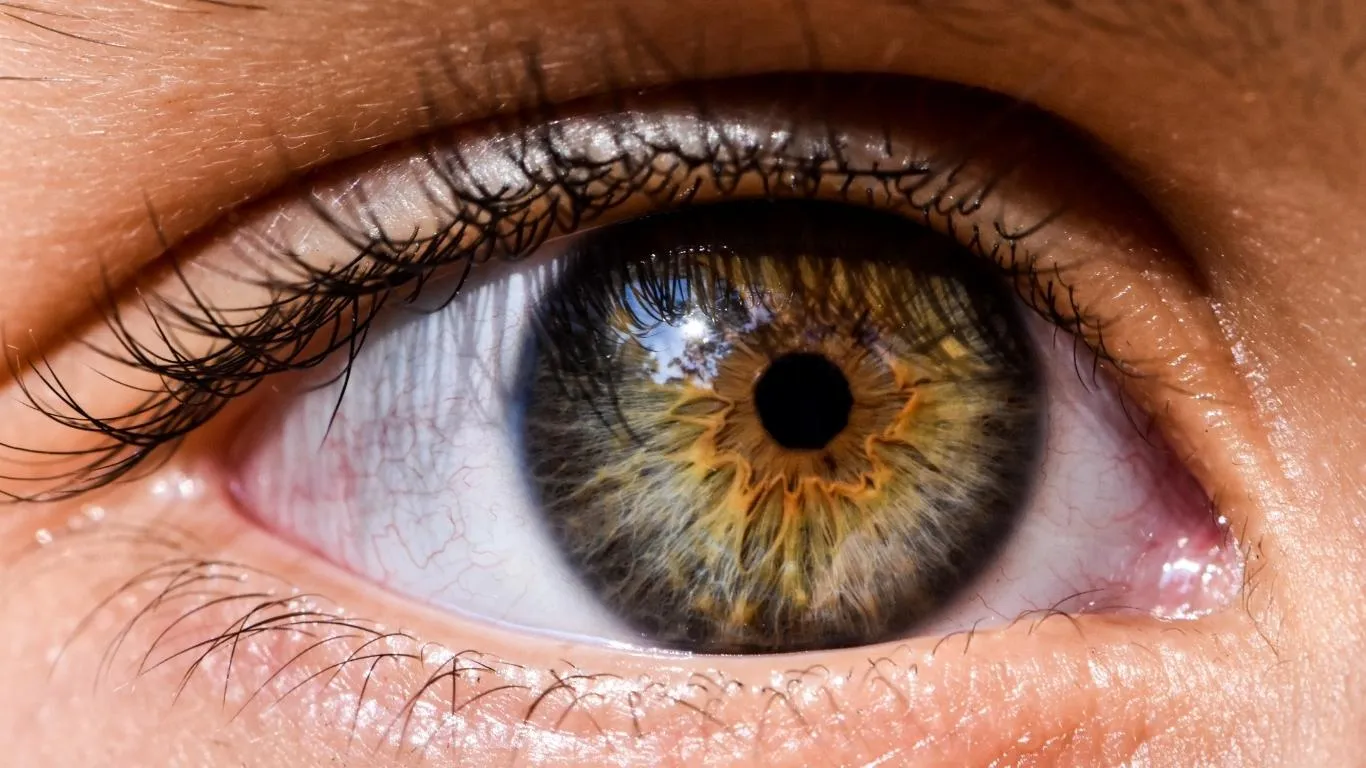
Why Floaters Are Worse Under Artificial Lighting Conditions
Ever noticed tiny specks, cobwebs, or thread-like shapes floating across your vision when you’re under certain lights? Yeah, me too. It’s not just in your head — or mine. It’s a weirdly specific thing, but those floaters that seem to *only* show up when you’re in artificial lighting can drive anyone crazy. I first realized it during long nights under LED desk lamps — the floaters would be nearly invisible during the day, but then bam, right there in the spotlight when night hits. Turns out, I’m not alone, and there’s a real explanation behind this surprisingly common yet under-discussed visual quirk.
Why Are Floaters More Visible Under Artificial Lighting?
Floaters themselves aren’t new. They’re basically little bits of protein or collagen drifting through the vitreous — the gel-like substance in your eye. But why do they seem to stand out more when you’re surrounded by fluorescent bulbs or LED lights? Here’s where things get interesting.
It’s All About Contrast
Artificial lighting tends to have higher contrast and is more directional than natural light. That creates a perfect backdrop to highlight those floaters drifting in your vision. When you’re sitting at your desk under a bright overhead LED, for example, the light hits your eye at an angle that makes floaters cast shadows on the retina. You don’t get the same sharp contrast when you’re out in diffused daylight.
Blue Light and the Visibility Factor
Many artificial lights — especially LED screens and bulbs — emit high levels of blue light. Blue light penetrates deeper into the eye and makes the vitreous more ‘transparent’ in a way that allows floaters to become much more noticeable. It’s like putting a spotlight on particles in a dusty room.
- LED desk lamps
- Computer monitors
- Smartphones
- Fluorescent office lights
All of these are blue light-heavy sources. If you’ve ever asked yourself why floaters pop up more after a few hours staring at your laptop, well, now you know.
Are These Artificial-Light Floaters a Cause for Concern?
Generally speaking, most floaters are harmless — annoying, yes, but not dangerous. However, a sudden burst of floaters or changes in how they appear can sometimes be a sign of something more serious.
If your floaters under artificial light suddenly multiply, become darker, or are accompanied by flashes of light or loss of peripheral vision, that could signal a retinal issue. In fact, floaters are often the earliest warning signs of conditions like posterior vitreous detachment or even retinal tears in some cases.
I had a friend who ignored a sudden increase in floaters after installing new ceiling lights. A week later, he ended up needing emergency laser treatment for a small retinal tear. That experience alone made me stop brushing them off as “just annoying shadows.”
When It’s Definitely Time to See a Doctor
- Floaters appear suddenly, especially in clusters
- You see flashes of light (like a camera flash) in your side vision
- There’s a curtain-like shadow creeping over your visual field
If any of that sounds familiar, it’s best to schedule an eye exam with a retinal specialist — not just your usual optometrist.
What You Can Do About Floaters That Appear Under Artificial Light
Change Your Light Sources
Since floaters tend to be more visible under certain types of lighting, the easiest fix is to tweak your light environment. I personally swapped my old bluish-white desk lamp with a warmer, full-spectrum LED — made a big difference.
- Use warmer light temperatures (2700K to 3000K)
- Adjust brightness — dim when possible
- Try indirect lighting rather than overhead glare
You might also want to look into computer glasses that filter out blue light. I was skeptical at first, but after using a pair for a few weeks, I noticed I wasn’t hyper-fixated on floaters every time I opened my laptop.
There’s also a whole conversation about how screen time may be making things worse — especially when paired with dry eye syndrome. You can dig deeper into that in this article about screen time and floaters.
Boost Your Eye Health from the Inside
It’s not just about external tweaks. Supporting your eye health from within can make a subtle but real difference. Try incorporating foods high in antioxidants and collagen-friendly nutrients. I’ve made it a habit to add more carrots, leafy greens, and omega-3s into my daily meals — not just for floaters, but for my overall eye comfort.
Also, a quick word on hydration — I found this piece on dehydration and floaters super insightful. Keeping hydrated alone didn’t make my floaters vanish, but it did seem to reduce their intensity under harsh lighting conditions.
Digging Deeper: How Lighting Conditions Trick the Eye
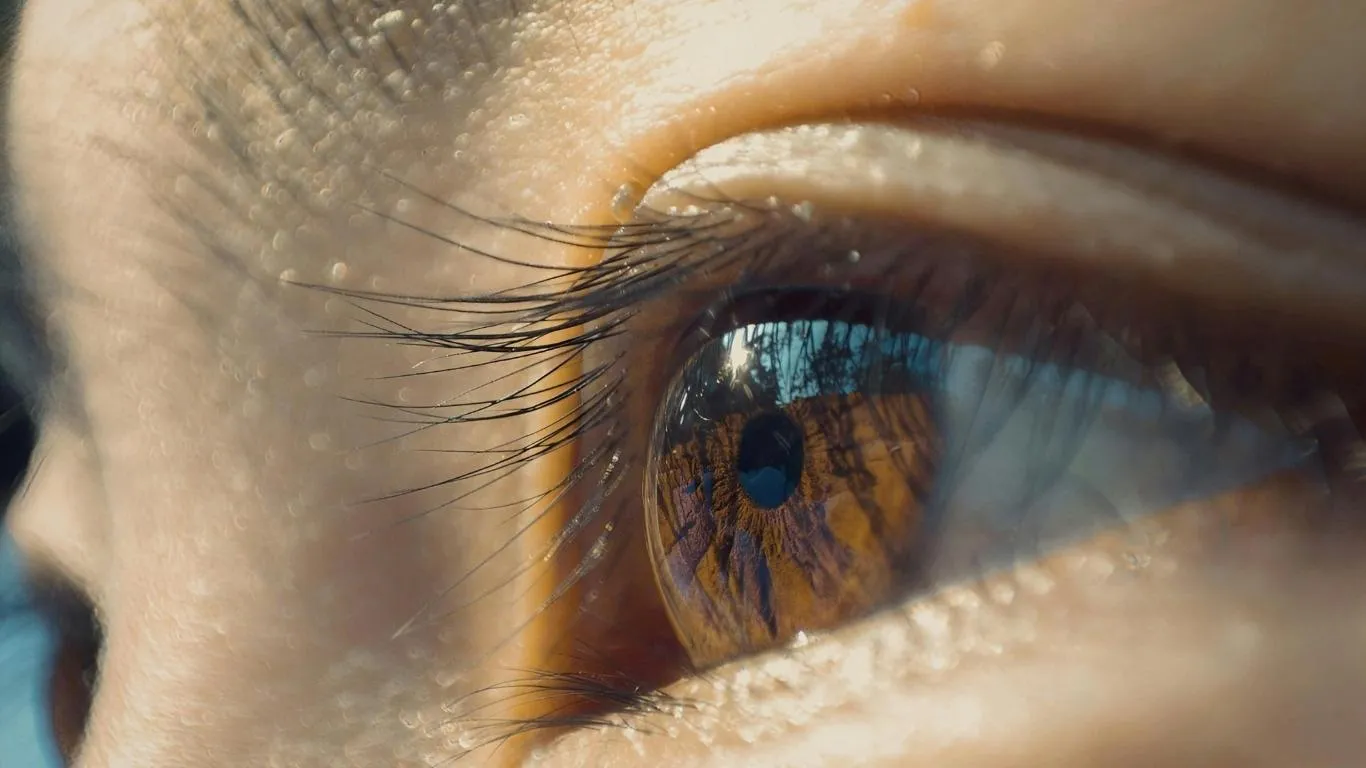
One thing I didn’t realize until I went on a deep dive: the eye’s pupil changes size depending on lighting. Under artificial light, especially indoors, the pupil contracts — making it easier to notice floaters because the incoming light is more focused. Think of it like narrowing a camera lens — everything inside gets a little sharper, including that gunk floating around in the vitreous.
Combine that with the fact that artificial lights tend to lack the depth and complexity of natural sunlight, and you’ve got a perfect storm for floater-visibility frustration.
More curious minds can check out the full breakdown in the main eye floaters guide or dig into treatment options for persistent floaters if they start interfering with daily life.
Living with Floaters That Show Up Only in Artificial Lighting
Once you realize your floaters only show up under artificial lighting, it’s easy to become hyper-aware of them. I’ve been there — moving my head just slightly to “test” if they’re still floating around, or glancing at the ceiling light just to catch that speck again. It’s exhausting. But the truth is, floaters usually aren’t something that go away entirely. They’re manageable, though — and understanding your triggers is half the battle.
Don’t Obsess Over Them (Seriously)
Sounds simple, but the more you chase floaters with your eyes or check for them in every light source, the worse it feels. Trust me, I’ve done the whole mental spiral. Over time, I found that acceptance and mental distraction made more difference than any eye drop or supplement.
There’s even some fascinating discussion in the medical space about how attention and visual focus can make floaters appear more intense. In short: the more you think about them, the more your brain amplifies them.
Know When They’re a Symptom, Not Just a Nuisance
We’ve talked about contrast and lighting, but floaters under artificial light can sometimes indicate underlying issues. There’s a surprising connection between high blood pressure and increased floater activity. You can read more on that in this guide about floaters and blood pressure.
Stress is another culprit. Yep, really. Chronic stress can impact eye circulation and increase floater perception. I’ve personally noticed more floaters on days when I’m juggling deadlines and glued to my screens.
Home and Office Hacks to Make Floaters Less Noticeable
Strategic Lighting Adjustments
If your floaters flare up under your kitchen LEDs or that one harsh desk light — change it. Switch to bulbs with a warmer hue (2700K is my sweet spot), or opt for diffused lighting setups. You can even add light-dimming smart plugs or lampshades that redirect the glare away from your direct line of sight.
It’s a small tweak, but it can make a big difference. Floaters love bright-white, direct overhead lighting. Take that away, and they retreat into the background.
Use Background Textures and Matte Surfaces
This one’s underrated. Smooth, flat, light-colored walls make floaters jump out. That’s why you probably notice them more when staring at a white ceiling or computer screen. Try to add subtle patterns or avoid working against pure white backgrounds. Even textured wallpapers or off-white tones reduce floater contrast noticeably.
Supplements, Hydration, and Nutrition: Worth the Hype?
I’ve tried a handful of supplements after reading how some nutrients may support vitreous clarity. Do they work like magic? No. But a combo of Vitamin C, lutein, collagen peptides, and hydration seems to make my floaters less dramatic under indoor lights.
- Stay hydrated — aim for 8+ glasses a day
- Try lutein-rich foods like spinach and kale
- Omega-3s help with eye lubrication
- Collagen support supplements may benefit vitreous health
If you’re curious about lifestyle-linked floaters, check out this breakdown on how stress contributes to floater visibility.
Vision Therapy and Clinical Options
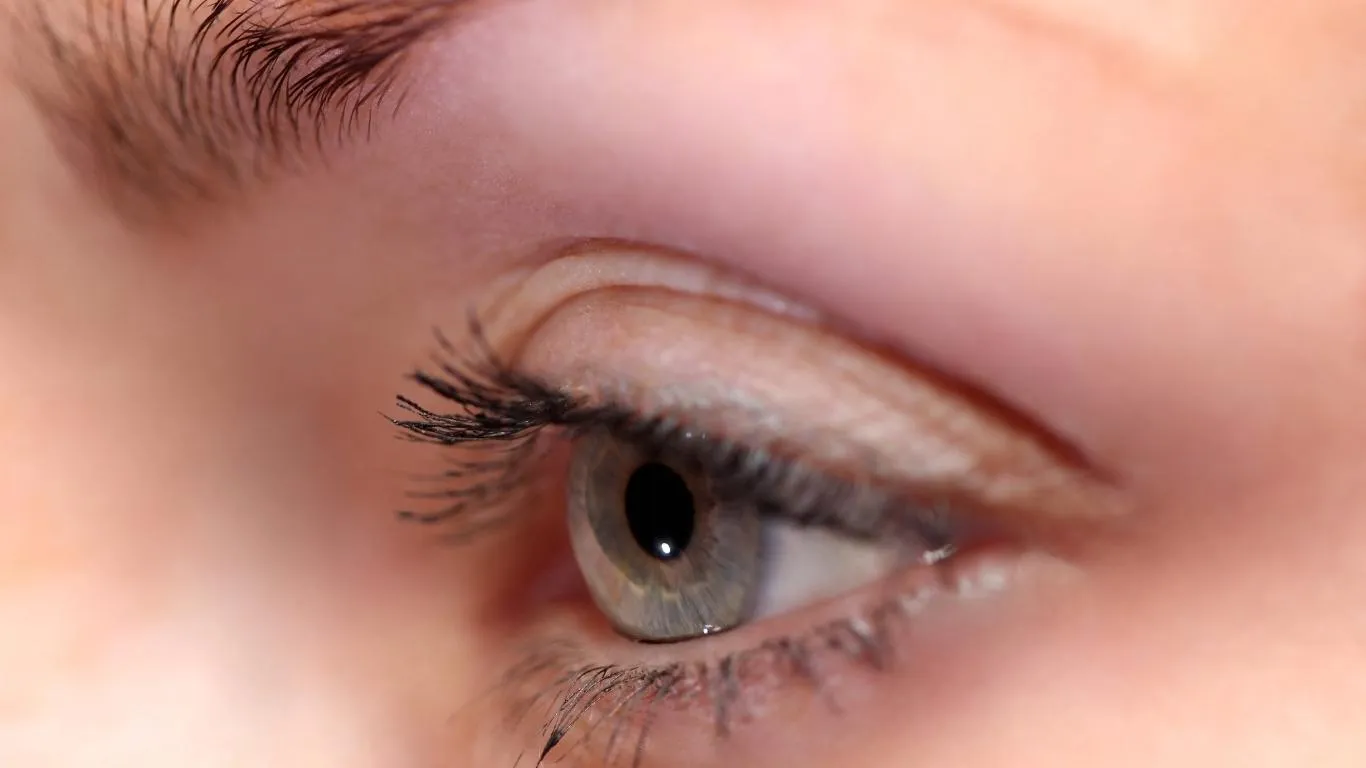
If your floaters are more than just annoying specks and are disrupting your concentration or comfort indoors, talk to your eye care provider. For serious cases, options like laser vitreolysis or vitrectomy exist — though they’re typically reserved for extreme or vision-threatening floaters.
Some clinics also offer non-invasive solutions like vision therapy or targeted eye exercises. While results vary, there’s growing evidence they may help train your brain to “tune out” floaters more efficiently. It’s like building mental resistance to those annoying visual distractions.
Tracking Changes Matters
I started keeping a simple floater journal after noticing they worsened on certain days. That actually helped me connect the dots — screen time, sleep, and even salty food made a difference. There’s an excellent resource on how to monitor your floaters in this self-tracking guide.
Artificial Lighting vs. Other Triggers: What Sets It Apart?
Here’s the thing — many people have floaters all the time, but they just don’t notice them. Artificial light creates the perfect storm: high contrast, consistent intensity, and often a limited color spectrum. It’s the combination that makes floaters almost “pop” out at you.
Compare that with cloudy daylight or indirect sunlight — the lighting is far more balanced and soft. That’s why I barely see mine during the day, but they haunt me every time I walk under the hallway light at night.
On the bright side (pun intended), understanding this pattern gives you the power to adjust your surroundings. Whether that means changing your lighting, screen setup, or just the way you mentally handle floaters — you’re not stuck with them dominating your vision forever.
For a complete understanding of the science behind floaters and what might help long term, dive into the main eye floaters overview and the dedicated guide on common floater causes.

Camellia Wulansari is a dedicated Medical Assistant at a local clinic and a passionate health writer at Healthusias.com. With years of hands-on experience in patient care and a deep interest in preventive medicine, she bridges the gap between clinical knowledge and accessible health information. Camellia specializes in writing about digestive health, chronic conditions like GERD and hypertension, respiratory issues, and autoimmune diseases, aiming to empower readers with practical, easy-to-understand insights. When she’s not assisting patients or writing, you’ll find her enjoying quiet mornings with coffee and a medical journal in hand—or jamming to her favorite metal band, Lamb of God.