
Visual Floaters After Eye Fatigue Can Disrupt Your Daily Vision
Ever noticed those annoying specks or squiggly lines drifting across your vision after spending hours staring at your screen? Yep, me too. I remember one particular day—tight deadline, two monitors lit for hours, and suddenly, there they were: faint, translucent floaters zigzagging around like they had a purpose. At first, I thought it was just sleep deprivation or a trick of the light. But it kept happening, especially after those long days of visual strain. Turns out, *visual floaters after eye fatigue* is a real thing, and if you’re anything like me—spending long hours in front of screens—you’ve probably dealt with them too.
What Are Visual Floaters and Why They Seem to Appear After Eye Fatigue
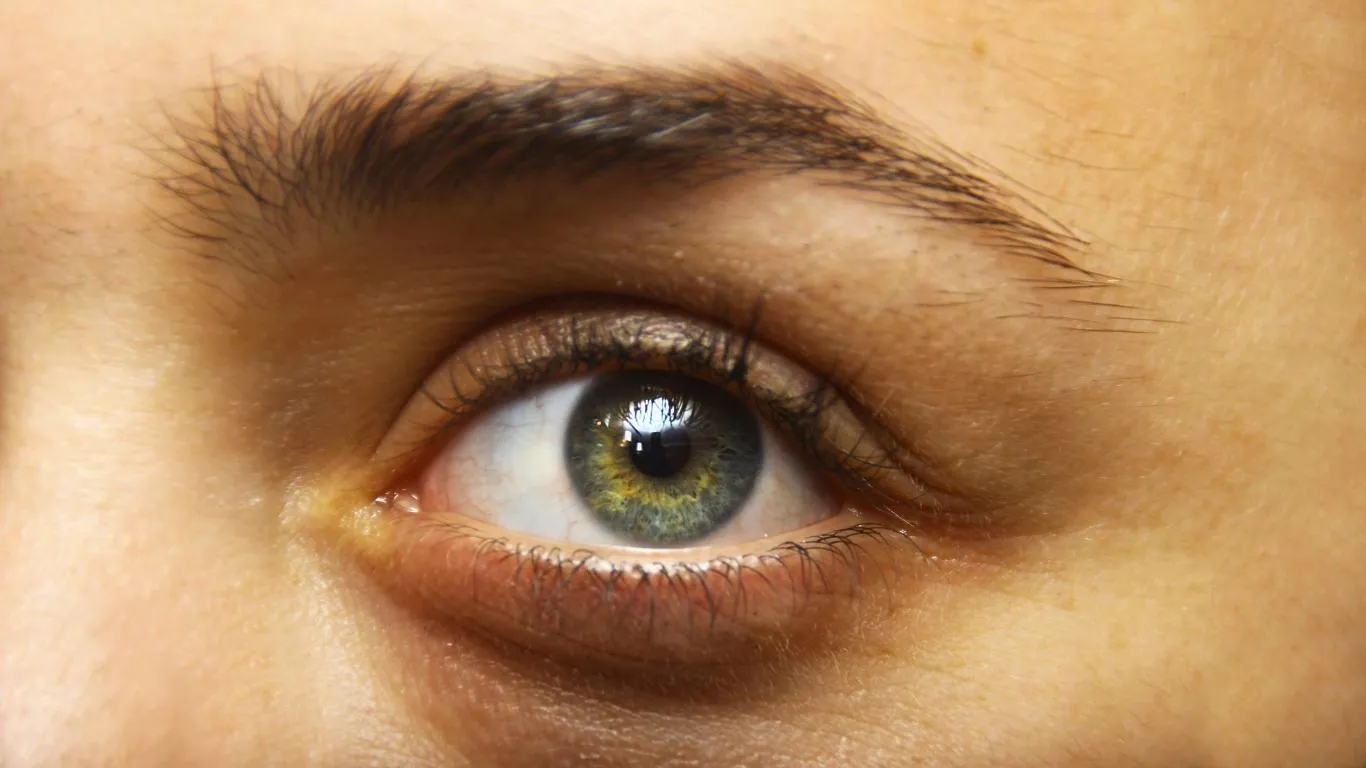
Visual floaters are those tiny shapes—dots, lines, cobwebs—that seem to drift in your field of vision. They’re technically shadows cast on the retina by clumps of collagen or other material inside the vitreous humor, the gel-like substance in your eye. Sounds harmless, right? Usually, they are. But the timing of their appearance—like after long periods of reading, computer work, or scrolling TikTok—can freak people out.
The connection between *eye fatigue* and floaters isn’t exactly cut-and-dry in the textbooks. But in practice? It’s something optometrists are hearing more and more. One article on screen time and eye floaters from Healthusias digs into this very issue. The TL;DR: sustained visual focus may increase awareness of existing floaters and in some cases, contribute to subtle vitreous changes.
Why They Appear More Often After Long Screen Time
Our eyes weren’t designed to stare at a screen all day. Staring at pixels reduces our blink rate, strains our ciliary muscles, and can mess with the natural hydration of the eye. Combine that with poor lighting and dry office air, and boom—you’ve got the perfect storm for *visual overload*.
Now, this strain doesn’t create floaters out of nowhere. What it does is make us more likely to notice them. When your eyes are tired, your visual processing becomes hypersensitive, and floaters that normally float under the radar suddenly feel front and center.
The Science Behind Eye Fatigue and Vitreous Changes
Vitreous degeneration—now that’s a term that sounds scarier than it is. As we age, the gel in our eye becomes more liquified and less uniform. But here’s the kicker: it can start subtly in our 30s, especially for those of us with nearsightedness, dry eyes, or, yes, long hours of screen use.
According to this deep dive into vitreous changes, there are several triggers that can speed up this process. And while screen use isn’t the sole villain, it definitely doesn’t help. What’s more, the cumulative stress on the eye might even accelerate underlying issues you didn’t know were there.
My Experience With Floaters After Late-Night Work
I vividly remember pulling an all-nighter finishing a report. Around 2:00 AM, I looked away from the screen, and suddenly I saw these thread-like shadows hovering and dancing across my field of vision. The worst part? They didn’t go away after blinking or rubbing my eyes.
The next morning I did what any rational person would do: Googled it obsessively. That’s how I stumbled across this foundational guide on floaters. It helped me realize I wasn’t alone and, more importantly, not dying.
When Are Floaters a Real Concern?
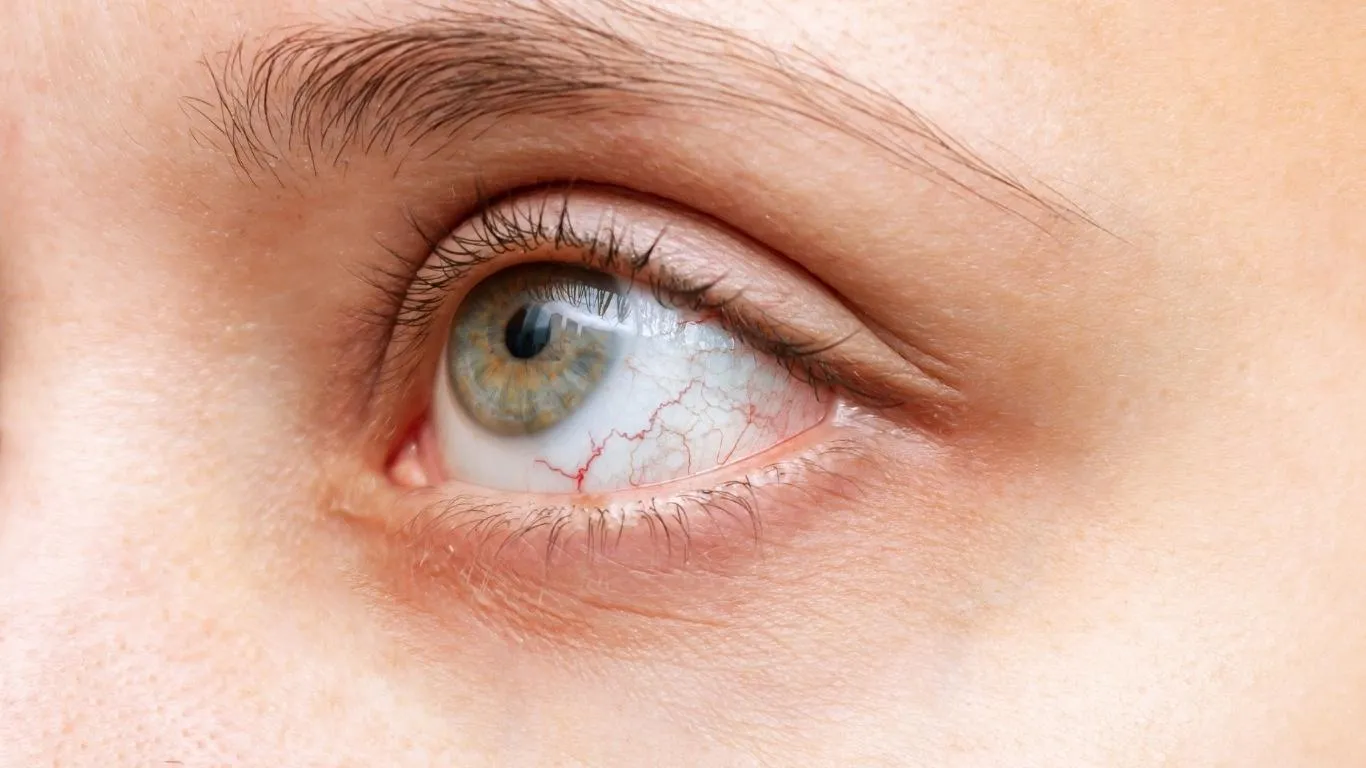
Let’s not sugarcoat it—sometimes floaters are a warning sign. If you suddenly see a *shower* of floaters, flashes of light, or a curtain falling over part of your vision, it could mean a retinal tear or detachment. This isn’t just annoying; it’s an emergency.
There’s an eye-opening article titled “Floaters Before Retinal Tear” that lays this out clearly. It’s the kind of thing you should read *before* you need it.
Visual Fatigue vs. Real Damage: Know the Difference
- Gradual Increase + No Flashing Lights: Usually benign, especially if they happen after long screen sessions.
- Sudden Burst + Flashes or Vision Loss: See an ophthalmologist ASAP.
- Unchanging for Months: Often just a normal part of aging, but worth tracking.
Tips That Helped Me Reduce Floaters After Eye Fatigue
While there’s no magic fix to dissolve floaters overnight, I’ve learned a few tricks that make them less annoying—especially during those long Zoom marathons or late editing nights:
- Follow the 20-20-20 rule: Every 20 minutes, look at something 20 feet away for 20 seconds. It works.
- Adjust your lighting: Harsh lighting = eye strain. Use soft, ambient light around screens.
- Stay hydrated: Dehydration might make floaters more noticeable. A tip from this article that stuck with me.
- Screen filters and blue light glasses: Might be overhyped, but they made a real difference for me at night.
Also, check out this essential read on knowing when floaters signal something serious. It gave me peace of mind after many anxious Google spirals.
For the full scope of what causes floaters, natural treatments, and when to worry, this comprehensive article covers it all. It’s also linked from the main floaters treatment pillar for a reason—because it’s a goldmine of practical info.
As always, if floaters feel sudden, aggressive, or just plain weird, get your eyes checked. And if you’re in the same club of night owls and screen warriors like me, being proactive could make all the difference.
Can Lifestyle Tweaks Actually Lessen Visual Floaters After Eye Fatigue?
Honestly, I used to roll my eyes at people who said lifestyle changes could improve floaters. I mean, how does yoga or cutting back on coffee fix those shadowy squiggles in your vision? But the truth is, once I started tweaking a few daily habits—mostly out of desperation—I noticed a difference. Not in making floaters vanish completely, but in how often I noticed them *after long screen-heavy days*.
This isn’t about miracle cures. It’s more about reducing the triggers that make them worse or more noticeable. Turns out, *visual floaters after eye fatigue* are highly sensitive to things we often overlook—like hydration, sleep, and even posture. Go figure.
Simple Habits That Helped Me (That You Can Start Today)
- Getting outside more: Natural light (in moderation) helps balance the eyes. I try to step outside at least twice a day—no sunglasses, no screens—just letting my eyes recalibrate.
- Improving my workstation: Raising my monitor to eye level and investing in an anti-glare screen filter made more of a difference than expected.
- Reducing caffeine intake: I know, sacrilege. But there’s a great article that explains how caffeine can dehydrate the vitreous gel.
- Regular eye movement breaks: I now roll my eyes (literally) every few hours. It sounds silly but stimulates fluid circulation inside the eye.
Eye-Friendly Supplements and Natural Remedies—Do They Work?
Alright, let’s talk supplements. The market is overflowing with products claiming to fix floaters, but most of it? Hype. Still, I gave a few a shot—mostly lutein, vitamin C, and omega-3s—and while they didn’t erase the floaters, my eyes felt *less strained* by the end of the day.
This guide on supplements that actually help separates the fluff from the facts. Spoiler: collagen support and antioxidants are the big players. There’s also a solid rundown on vitamin C and floaters that helped me fine-tune my stack.
Worth-Considering Nutrients
- Lutein & Zeaxanthin: Found in leafy greens, they support macular health and reduce eye fatigue sensitivity.
- Omega-3 Fatty Acids: Great for eye hydration and inflammation control. I noticed less dryness after a few weeks.
- Collagen Builders: Floaters often come from vitreous deterioration. Collagen-focused support (like vitamin C + glycine) helps maintain its integrity.
If you’re curious about herbs, this breakdown on natural herbs for vitreous health actually explains what’s legit and what’s nonsense.
When Should You See an Eye Specialist?
This part is super important. If your floaters suddenly multiply, or if they’re joined by light flashes, vision dimming, or pain—don’t wait. It might be more than just fatigue. I’ve heard too many stories of people delaying visits, only to find out they were dealing with something like a retinal tear.
This article on rapid new floaters and pain gives a checklist of warning signs to look out for. Trust me, it’s worth bookmarking.
Warning Signs to Never Ignore
- Flashes of light in your peripheral vision
- A sudden increase in floaters (like a “shower”)
- Dark curtain or shadow drifting over your vision
- Floaters accompanied by eye pain or redness
While fatigue-related floaters are common and usually benign, you still want peace of mind. If something feels off, make that appointment. Better to hear “it’s nothing” than risk something serious going undetected.
How I Now Manage My Eyes After Long Workdays
I’ve turned this into a little daily ritual now. After work, I dim the lights, close my laptop, and spend at least 10 minutes just resting my eyes. Sometimes it’s lying back with a warm compress, sometimes it’s listening to a podcast while looking out the window. Giving your eyes a break isn’t just about reducing fatigue—it’s about mental decompression too.
I’ve also found helpful routines in this stress-relief guide for floaters. It even includes exercises and relaxation tips specifically for those of us glued to digital devices all day.
Tools, Glasses, and Screen Settings That Actually Help
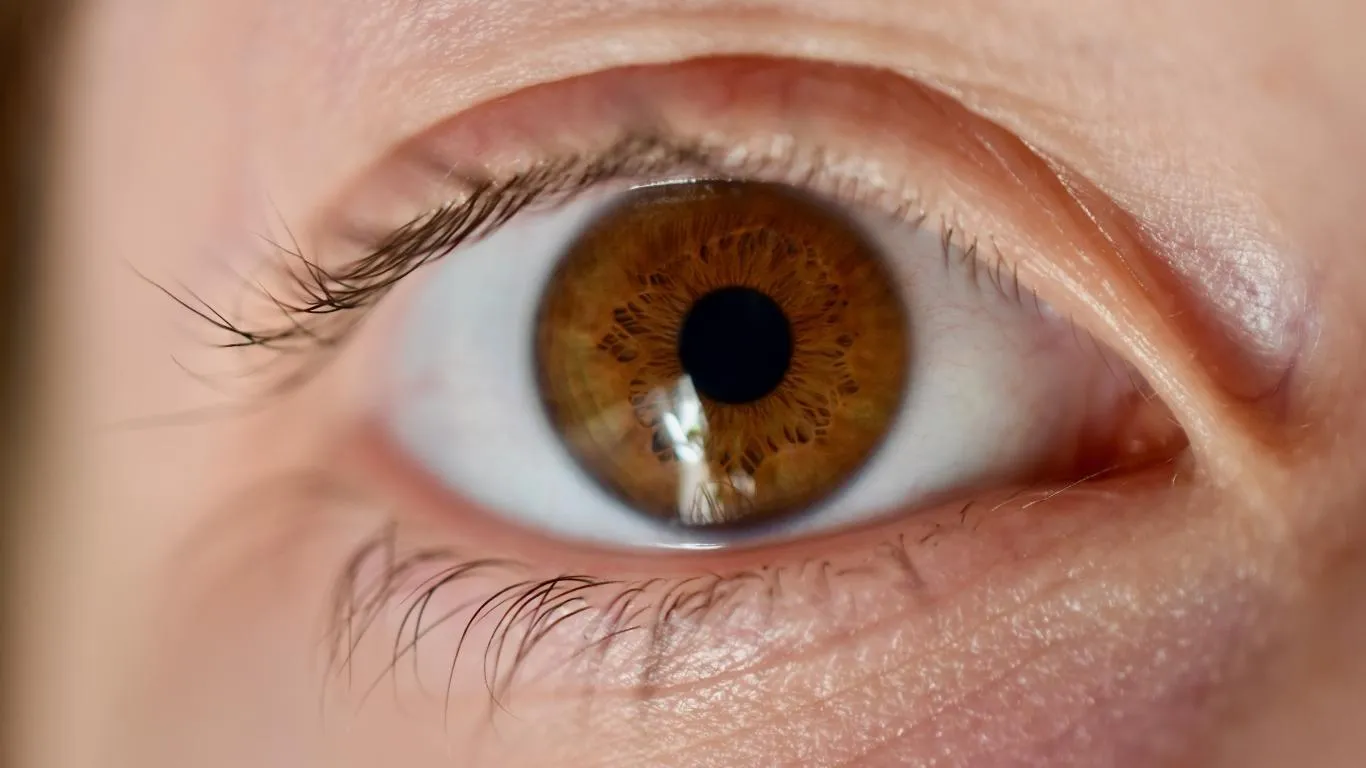
Not all blue light glasses are created equal, but the right pair made my evenings way more comfortable. It’s not just about blocking blue light—it’s about reducing glare, especially when working under LED office lights or editing spreadsheets with white backgrounds.
Also worth checking: this article breaks down how lens tint and contrast affect floater visibility. You’ll be surprised how much those tiny changes matter.
For screen settings, I’ve found lowering brightness and increasing text contrast helps floaters blend into the background. Oh, and using dark mode? Absolute game changer.
How Eye Floaters Changed the Way I Work and See My Health
Here’s the thing—dealing with floaters after eye fatigue made me more aware of how little attention I was giving my eyes. They work hard for us, all day, every day. And in the age of screens, they’re under more pressure than ever.
For a deep dive on this exact topic, including what treatments are available, the main floaters treatment guide is a solid resource. It covers everything from laser procedures to when observation is enough. And if you’re just getting started understanding floaters, you’ll want to read this comprehensive introduction as well.
Bottom line? If you’re seeing more floaters after a long day of screen time, you’re not imagining things. And while it’s usually nothing to panic over, your eyes are asking for a bit more love. Start small, stay consistent, and listen to what they’re telling you.

Camellia Wulansari is a dedicated Medical Assistant at a local clinic and a passionate health writer at Healthusias.com. With years of hands-on experience in patient care and a deep interest in preventive medicine, she bridges the gap between clinical knowledge and accessible health information. Camellia specializes in writing about digestive health, chronic conditions like GERD and hypertension, respiratory issues, and autoimmune diseases, aiming to empower readers with practical, easy-to-understand insights. When she’s not assisting patients or writing, you’ll find her enjoying quiet mornings with coffee and a medical journal in hand—or jamming to her favorite metal band, Lamb of God.