Why Eye Floaters Are Common After Eye Dilation Exams
It was a few years ago when I first had my eyes dilated during a routine exam. I remember stepping out of the clinic, squinting under the sun with those oversized plastic shades they give you, and seeing odd specks floating in my vision. At first, I thought it was just a trick of the light or maybe the eye drops. But the floaters stuck around — those translucent threads, little spots, or shadowy blobs drifting lazily across my sight. If you’ve noticed these strange visual nuisances right after eye dilation, you’re definitely not alone. Let’s dig into what might be going on.
What Are Eye Floaters, Really?
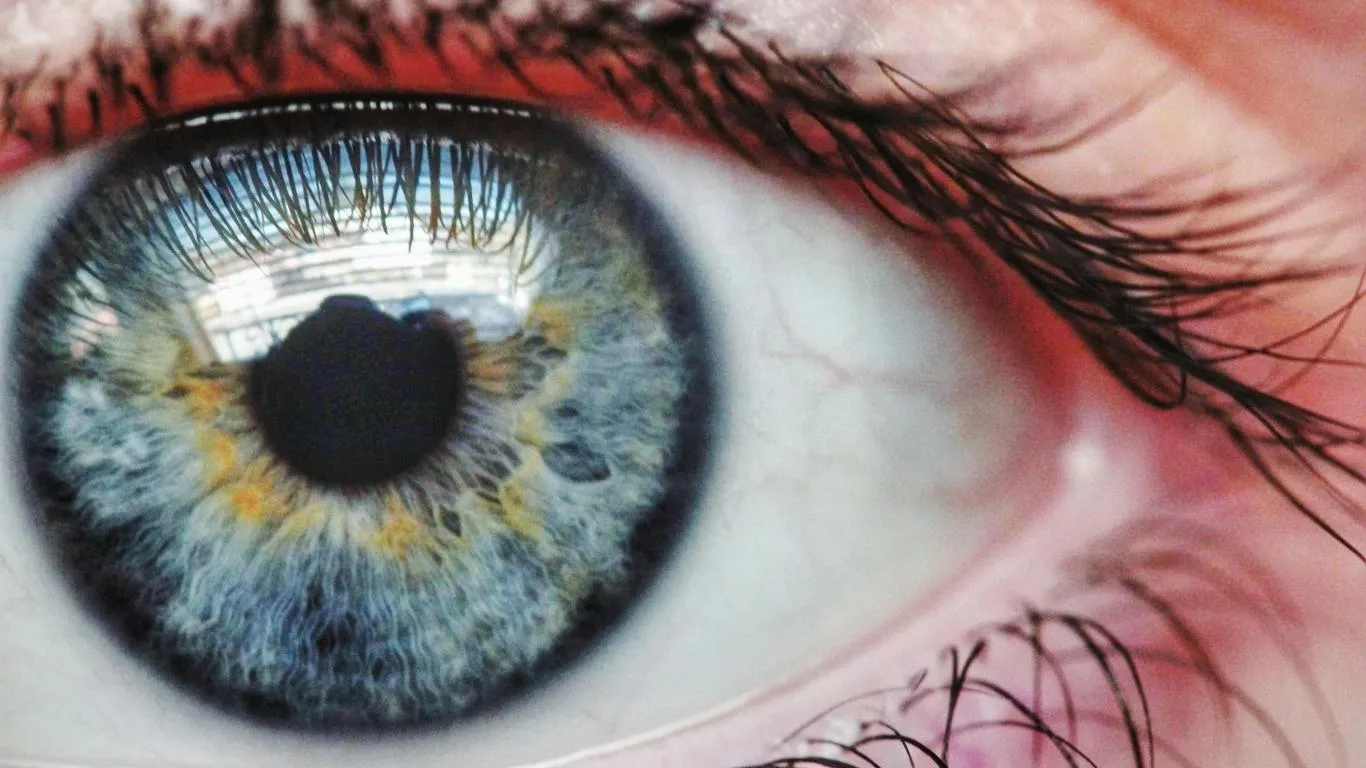
Floaters are those tiny shapes or specks you see drifting across your field of vision, especially when looking at a bright, plain background like a blue sky or white wall. They’re not on the surface of your eye; they’re actually inside, in the vitreous — the jelly-like substance that fills most of your eyeball.
Most of the time, floaters are harmless and part of the natural aging process. But when they suddenly appear right after eye dilation, things can feel a little off. So why do they show up after dilation?
Does Eye Dilation Really Make Floaters More Noticeable?
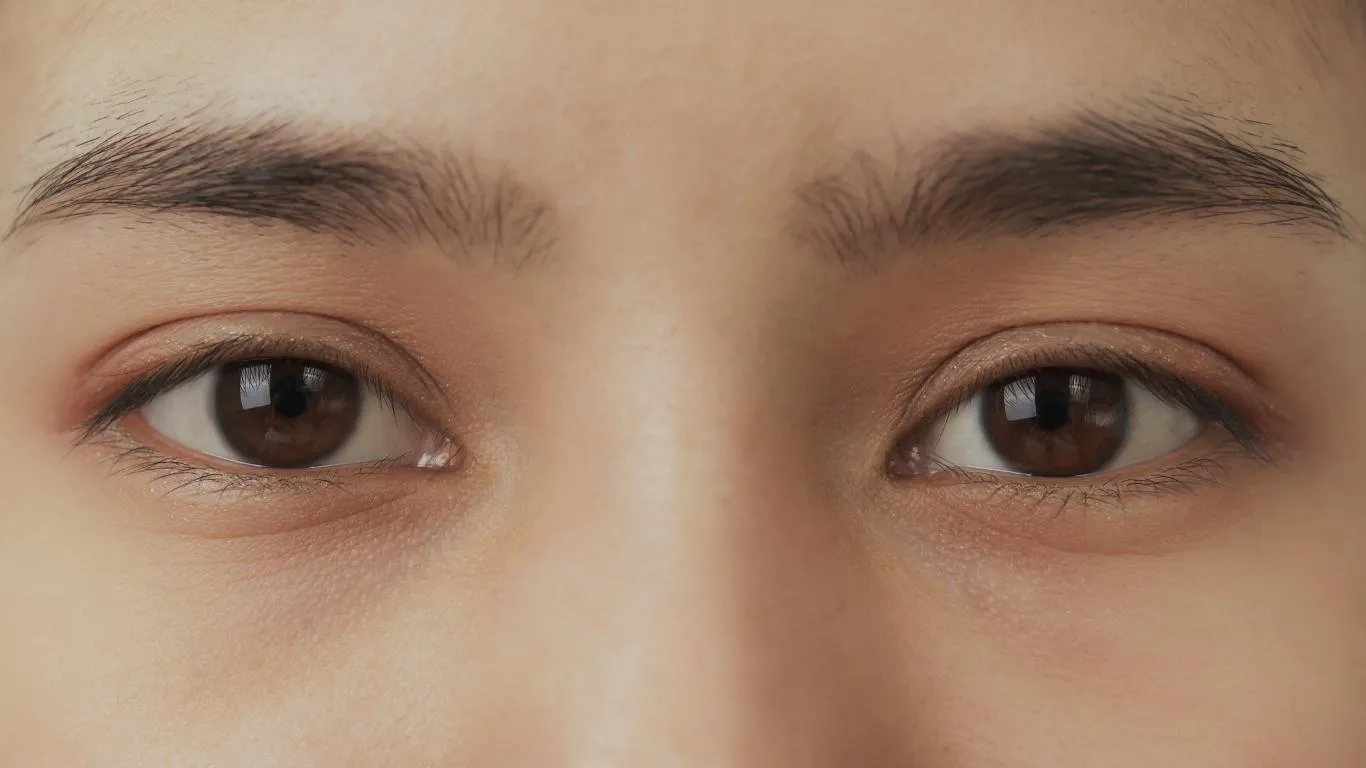
In short: yes. After dilation, your pupils widen to let in more light — and that means you’re getting a clearer, deeper view into the internal parts of your eye. Unfortunately, that includes floaters. They don’t suddenly appear out of nowhere after dilation, but they become more visible because of the way light floods into your eye and enhances contrast.
Many optometrists explain this as a temporary side effect. In fact, posterior vitreous detachment (PVD) is one of the most common reasons people notice new floaters — especially in adults over 40. It often coincides with regular eye checkups, where dilation is routine. Is it a coincidence? Not really. The floaters were probably there before, you just didn’t notice them.
My Experience After Dilation
Every time I get my eyes dilated now, I anticipate seeing more floaters for a few hours — almost like an annoying visual parade. Some are subtle. Others, not so much. It turns out I’m not the only one. When chatting with others in my age group, most report the same post-dilation floater “surprise.” It’s unsettling but, for most of us, temporary.
Are New Floaters After Dilation Something to Worry About?
If you’re suddenly noticing a ton of floaters — especially if they’re accompanied by flashes of light, a shadow in your peripheral vision, or any kind of vision loss — it’s time to call your eye doctor. Dilation might not cause floaters directly, but it can reveal signs of underlying issues like:
- Retinal detachment
- Vitreous hemorrhage
- Posterior vitreous detachment (PVD)
Some floaters are completely benign, but others may indicate more serious eye problems. If your floaters come with any alarming symptoms, don’t wait. Floaters can be a red flag for retinal tears, and early treatment can prevent permanent vision loss.
Why You Might See More Floaters with Age
Getting older means more than just gray hairs and creaky joints. The gel-like vitreous in our eyes starts to liquefy and shrink, pulling away from the retina — a process that creates clumps and strands that we perceive as floaters. This happens naturally in people over 50, and for some, it kicks in earlier.
The process is called vitreous syneresis, and yes, it’s as annoying as it sounds. Age-related vitreous changes can make floaters much more prominent after any sort of exam involving dilation.
While dilation doesn’t cause those changes, it does act like a flashlight into your eye’s inner workings — revealing what’s been happening all along behind the scenes.
Can Eye Dilation Trigger or Cause Floaters?
This is a big misconception. Eye dilation itself doesn’t create floaters. What it can do is reveal them — especially if you already have some vitreous degeneration, mild trauma, or systemic conditions like high myopia. People often confuse correlation with causation.
In rare cases, if you have an eye condition that’s already weakening the vitreous or retina, the pressure changes during dilation (or even the exam tools) could make floaters more prominent. But that’s not the norm.
Some of the possible underlying causes worth exploring include:
- Age-related degeneration of the vitreous
- Minor vitreous detachments
- High blood pressure
- Trauma or past eye surgeries
- Cataract surgery
What Should You Do If Floaters Bother You After Dilation?

Here’s what worked for me — and others in my circle who regularly deal with post-dilation floaters:
- Give it a day or two. Most floaters become less noticeable as your pupils return to normal.
- Use sunglasses when outside — bright light makes floaters pop.
- Limit screen time for a few hours post-exam if you’re sensitive.
- Stay hydrated. Some people swear it helps the vitreous stay more fluid.
Still, if the floaters don’t fade or new symptoms appear, it’s best to follow up. According to American Academy of Ophthalmology, sudden floaters should never be ignored, especially if they come with vision changes.
For a deeper understanding of what eye floaters are and how to tell them apart from other issues, check out this comprehensive breakdown. Also, here’s the full scope article on what causes eye floaters and how to manage them — definitely worth reading.
When Are Eye Floaters a Sign of Something More Serious?
So, when should you actually worry? From personal experience, if I see one or two floaters after dilation and they fade or settle within a few hours or days, I let it go. But if I ever notice:
- A sudden burst of new floaters
- Flashing lights in my peripheral vision
- A shadow or curtain-like effect creeping in from the sides
— I don’t wait. I call my ophthalmologist. These can be signs of retinal tears or detachment, which require immediate attention. In fact, one of my close friends had this exact experience after noticing floaters post-dilation, and it turned out to be a retinal tear caused by mild trauma.
Can Certain Health Conditions Make Floaters Worse After Dilation?
Absolutely. While dilation itself doesn’t directly trigger floaters, some underlying conditions can make them appear more noticeable after your pupils have been dilated. Here are a few to keep in mind:
- Diabetes – Diabetic retinopathy can lead to floaters from bleeding in the eye. Learn more about floaters and diabetic vision issues.
- Autoimmune disorders – Conditions like lupus or rheumatoid arthritis have ocular manifestations. Autoimmune-related floaters are a real concern.
- Eye trauma or past surgeries – If you’ve had any surgery, especially cataract procedures, your eyes are already more vulnerable to floaters.
- High blood pressure or cholesterol – Both can affect blood vessels in the eye and contribute to floater development.
If any of these apply to you, it’s worth mentioning to your eye doctor during your next checkup. Sometimes a quick dilated exam can reveal issues early enough to prevent serious damage.
What Are the Options If Floaters Persist?
Most floaters fade into the background and become less noticeable over time. But if you’re one of the unlucky ones — like me a few years back — who have persistent or large floaters that just won’t go away, there are options.
Observation & Adaptation
This is the first recommendation from most eye specialists. The brain usually adjusts to ignore floaters — a process called neuroadaptation. Honestly, I didn’t think it would work, but over time I noticed the floaters less and less, even though they were technically still there.
Supplements
There’s no magic pill, but some eye-specific supplements help support vitreous health. Nutrients like lutein, zeaxanthin, vitamin C, and omega-3s show promise. I started taking a formula that included these, and while it didn’t erase the floaters, I swear it helped make them less bothersome. Check out the list of proven supplements worth exploring.
Laser Vitreolysis
This is a laser-based procedure that can break up larger floaters. It’s not for everyone, and not every floater is a good candidate. But for the right type, it can be life-changing.
Vitrectomy
A last-resort option, this surgery removes the vitreous gel entirely — and with it, the floaters. It’s invasive and comes with risks, but for severe cases, it’s effective. That said, I personally wouldn’t go there unless my quality of life was seriously affected.
Is There Any Way to Prevent Floaters from Getting Worse?

You can’t stop aging, but you can support eye health to reduce the chances of floaters becoming a regular problem. Here’s what’s worked for me and what most eye doctors recommend:
- Stay hydrated – The vitreous is mostly water, and dehydration can affect its consistency.
- Protect your eyes from UV – I wear polarized sunglasses even on overcast days. UV damage adds up.
- Manage chronic conditions – High blood pressure, diabetes, and inflammation can accelerate vitreous changes.
- Watch your diet – Antioxidant-rich foods, leafy greens, and healthy fats support long-term vision.
- Cut smoking – I gave up smoking years ago, and my eye health improved significantly after.
Some people also swear by eye exercises, though results vary. You can explore simple exercises that might help relieve eye strain or promote circulation.
Key Takeaways on Post-Dilation Floaters

It’s completely normal to notice floaters after eye dilation — and in most cases, they’re harmless. For me, it was just a wake-up call that my eyes were changing, and it led to better self-care and regular checkups. But being informed is what matters most.
If you’re just learning about floaters, I highly recommend checking out this detailed article on what causes floaters and why they happen. And for a complete overview, don’t miss our pillar guide on floaters that walks you through symptoms, risks, and every treatment option available.
Also, if you’ve recently had your eyes dilated and are now seeing floaters, take a deep breath. Chances are it’s totally normal — just your newly widened pupils revealing what’s been floating around unnoticed for years.

Camellia Wulansari is a dedicated Medical Assistant at a local clinic and a passionate health writer at Healthusias.com. With years of hands-on experience in patient care and a deep interest in preventive medicine, she bridges the gap between clinical knowledge and accessible health information. Camellia specializes in writing about digestive health, chronic conditions like GERD and hypertension, respiratory issues, and autoimmune diseases, aiming to empower readers with practical, easy-to-understand insights. When she’s not assisting patients or writing, you’ll find her enjoying quiet mornings with coffee and a medical journal in hand—or jamming to her favorite metal band, Lamb of God.