Why Floaters After Extreme Focus Could Signal Eye Fatigue
Ever noticed those strange specks drifting across your vision after a long day of working at your desk, reading intensely, or concentrating on something for hours? You’re not alone. I remember the first time I spotted them—right after pulling a few late nights preparing for a project deadline. I blinked, rubbed my eyes, and there they were, floating around like ghostly cobwebs. These aren’t your imagination—they’re called eye floaters, and if you’ve seen them after intense focus or mental strain, there’s a very real reason for it.
Why Do Floaters Appear After Long Periods of Focus?
Our eyes are a lot like cameras. When we focus on something intently—say, coding for hours, reading a dense book, or tracking data on a spreadsheet—we force our visual system to lock in. That sustained concentration reduces blinking rate, dries out the eyes, and increases strain. But what’s more interesting is how it affects the vitreous humor—the gel-like substance inside the eye.
Over time, especially with age or lack of hydration, the vitreous can start to clump or shrink, creating tiny bits of debris that cast shadows on the retina. That’s what we see as floaters. And yes, extreme focus or concentration can accelerate how noticeable they become.
How Focus-Related Stress Impacts Your Eyes
There’s a surprisingly strong link between mental effort and physical strain on your visual system. Here’s what usually happens:
- Reduced blinking dries out the eye surface, affecting clarity.
- Eye muscles fatigue, especially if you’re not taking breaks.
- Neck and shoulder tension can restrict blood flow near the optic nerve area.
All of these can make floaters more obvious, and in some cases, they might seem to appear out of nowhere—especially in well-lit backgrounds or against a computer screen.
Interestingly, I found that after long meetings on Zoom or heavy editing sessions, the moment I looked away from the screen, it felt like something was swimming across my vision. That wasn’t stress—it was my eye’s way of telling me it needed a break.
Could It Be Something More Than Just Strain?
While most floaters that appear after intense concentration are benign, it’s smart to consider whether they’re becoming more frequent or severe. In some cases, floaters are a sign of deeper issues, such as:
- Posterior Vitreous Detachment (PVD) – Often age-related but can occur sooner if you’re under chronic stress or highly myopic.
- Retinal Tears or Holes – Not as common, but they can present with sudden floaters and flashes. Learn the early signs here.
- Diabetic Retinopathy – Blood sugar issues may trigger floaters through bleeding in the eye. Find out more here.
For those of us who rely heavily on our eyes every day—developers, writers, designers, analysts—it’s important to know when to seek help. If floaters come on suddenly, are accompanied by flashes of light, or you notice a shadow or curtain over part of your vision, it’s time to call your eye doctor.
Daily Habits That Make Floaters Worse Without You Realizing
Let’s be honest—many of us don’t give our eyes the break they deserve. I’m guilty of pushing through long writing sessions, barely blinking, and only remembering to hydrate when a headache kicks in. Unfortunately, those habits can sneakily make floaters worse. Some common culprits include:
- Skipping water (dehydration worsens vitreous thinning)
- Forgetting the 20-20-20 rule (every 20 minutes, look 20 feet away for 20 seconds)
- Using screens in dark rooms—hello, contrast overload!
- Not wearing proper glasses or using outdated prescriptions
Some floaters fade, some settle, and others hang around. But if you’re constantly in focus-mode—especially under bright lighting or eye-straining environments—they might never seem to go away.
Should You Be Concerned If They Keep Coming Back?
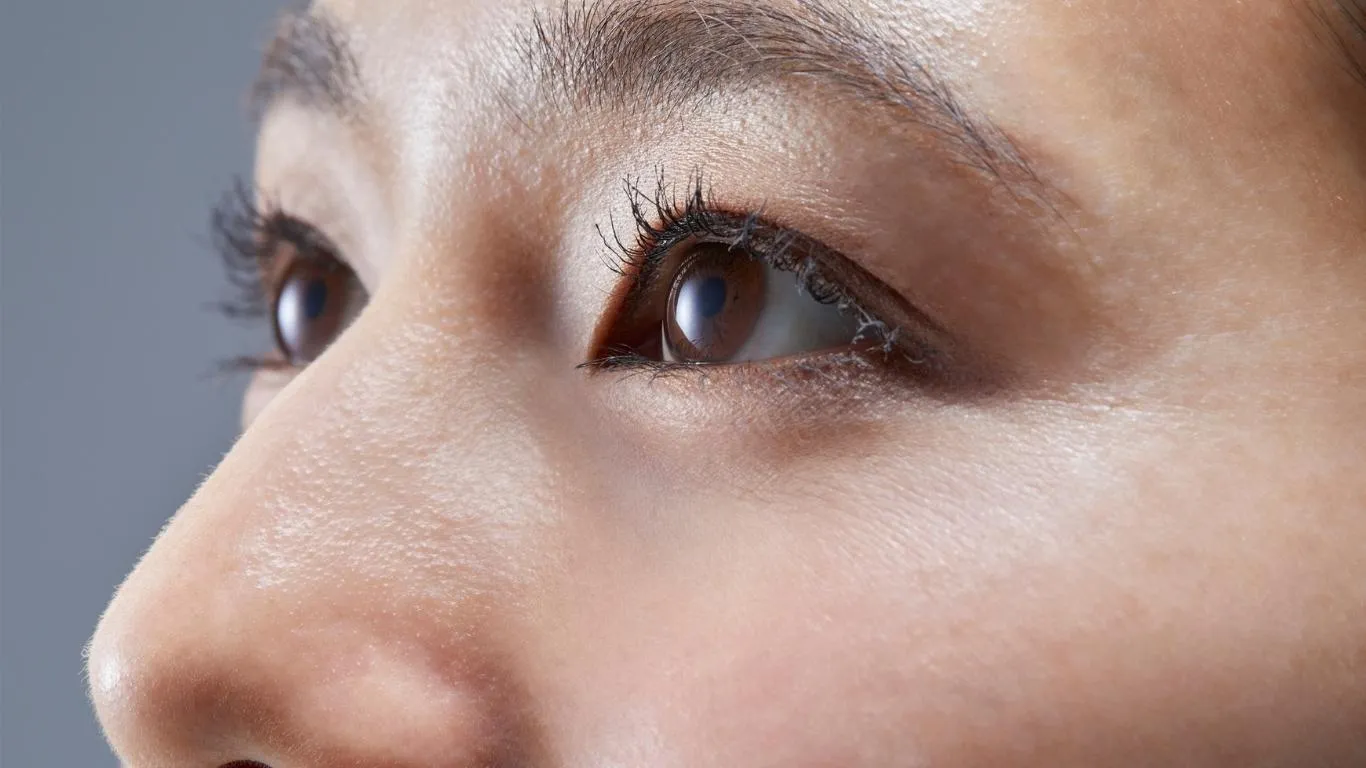
If you’ve noticed that floaters are more common after intense work days, or if they seem to return during periods of mental fatigue, you’re probably seeing the signs of sleep-deprived eyes or stress-induced episodes.
But here’s the catch: they’re not always benign. Repeated eye strain can wear down your visual resilience. And while floaters themselves aren’t dangerous most of the time, what causes them can be. That’s why it’s essential to understand the broader picture of what’s going on inside your eyes.
Take a deeper dive into this comprehensive overview of floaters to understand what might be driving yours. For an even closer look at when they become dangerous, this guide helps spot red flags early.
Health professionals, including the American Academy of Ophthalmology and National Institutes of Health, advise paying attention to patterns. If your floaters are tied to extreme focus, it’s not something to panic about—but it is something to manage carefully.
Smart Ways to Reduce Floaters After Intense Mental Work
So what can you do? Aside from checking in with your optometrist, here are a few practical things that have worked for me:
- Hydrate early, not just when thirsty
- Use artificial tears if your eyes feel dry or gritty
- Adjust monitor height to eye level to reduce downward eye strain
- Try blue light filters—not a gimmick, they actually help
- Incorporate omega-3s into your diet—research supports this!
Want more natural tips that work? Here’s a breakdown of what actually helps and what’s just hype.
Are There Long-Term Consequences of Repeated Floaters from Focus?
Here’s something I didn’t expect when I first started noticing floaters during long days of intense concentration: they didn’t just go away. For a while, I chalked it up to screen time and figured they’d fade. But weeks turned into months, and they were still around. Turns out, consistent appearance of floaters—especially after extreme focus—is a red flag that your eye health may be slowly degrading.
Every time you strain your eyes without letting them rest, it’s like bending a paperclip back and forth. Eventually, something gives. In the case of your eyes, it’s the gel in the vitreous body that starts to degrade. Chronic visual stress can accelerate age-related vitreous changes—that’s not just theory, it’s backed by studies from trusted sources like NCBI.
Watch for These Signs Your Floaters Aren’t Just From Tired Eyes
- You see new floaters daily, or a sudden storm of them
- You’ve experienced headaches or pressure behind the eyes
- You start seeing flashes or light streaks—especially in dark rooms
- A shadow or curtain-like effect appears in your peripheral vision
These could be signs of retinal damage or a vitreous detachment issue. If any of those apply, make it a priority to see a specialist—not later, but soon. Here’s what PVD might look like if floaters are sticking around too long.
How to Protect Your Vision During High-Focus Tasks

Eye floaters may seem harmless, but they’re often symptoms of underlying strain. After battling with them for months, I picked up a few techniques that genuinely helped me—and no, they didn’t involve supplements with wild claims or shady laser treatments. Just smart, science-backed eye habits.
- Stick to the 20-20-20 rule like it’s a religion. I even have a phone timer for it.
- Limit concentration sprints to 45 minutes, followed by a full-body stretch and some eye movement exercises.
- Use proper lighting. Avoid backlit screens in the dark. Soft, diffused lighting is your friend.
- Invest in blue-light-filter glasses with anti-reflective coating. It’s not hype—it works.
- Stay hydrated. Your eyes are 98% water. If you’re dehydrated, your vitreous pays the price.
If your job or lifestyle keeps you staring at screens or papers all day, protecting your eye health should be as routine as brushing your teeth. And trust me, floaters from fatigue aren’t something you want to live with long-term.
Can You Actually Reverse the Effects or Get Rid of Floaters?
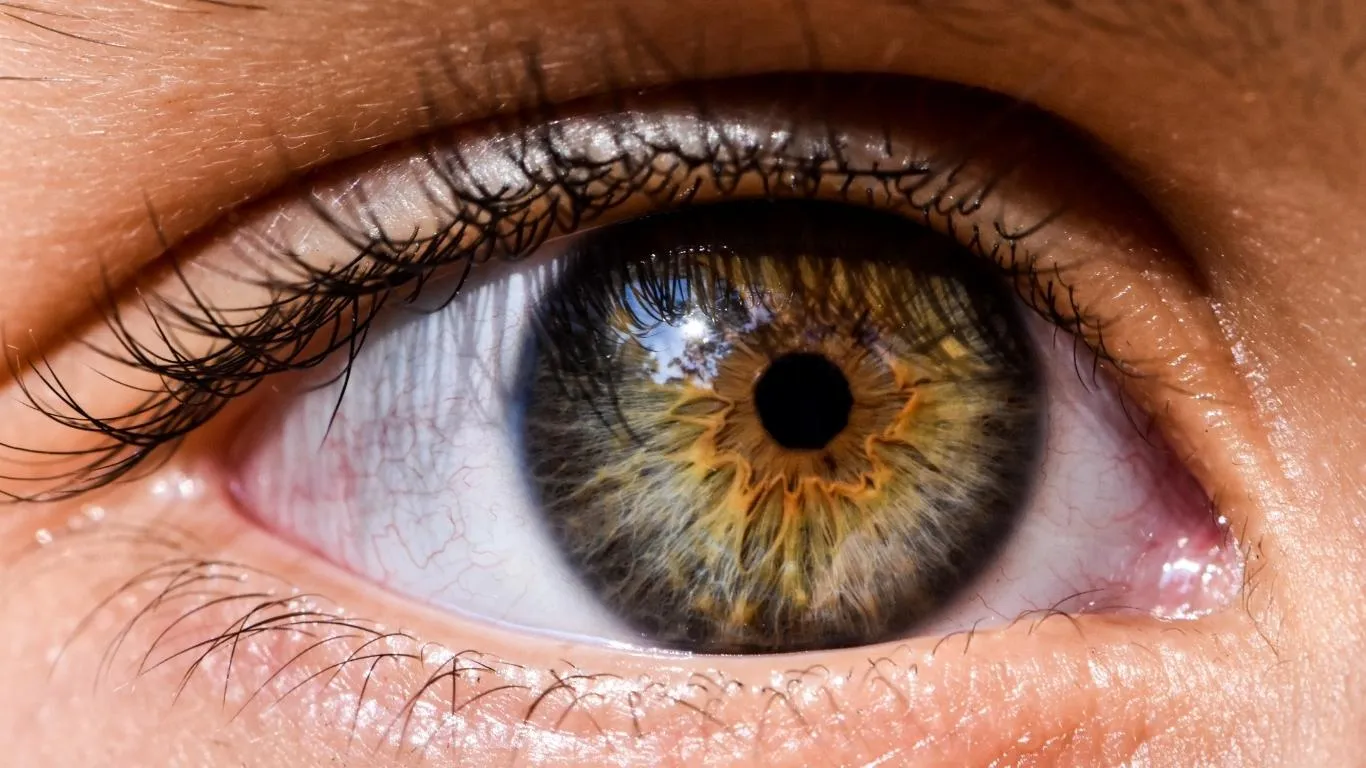
Short answer: not always. But that doesn’t mean you’re helpless. Some floaters dissolve or shift out of your field of view over time. Others persist. Here’s what helped me tone them down naturally:
- Daily omega-3 intake—either through fatty fish or supplements
- Lutein-rich foods like spinach, kale, and eggs
- Eye yoga—yes, it’s a thing. And yes, it helps circulation
- Reducing caffeine surprisingly made a difference
If you’re curious about the effectiveness of natural remedies versus myths, this guide clears the air.
There are also treatment options for more severe floaters, including laser therapy or vitrectomy. These aren’t usually necessary for floaters after focus, but they exist if your quality of life is being affected.
When Eye Floaters Affect Your Work, Sleep, or Mood
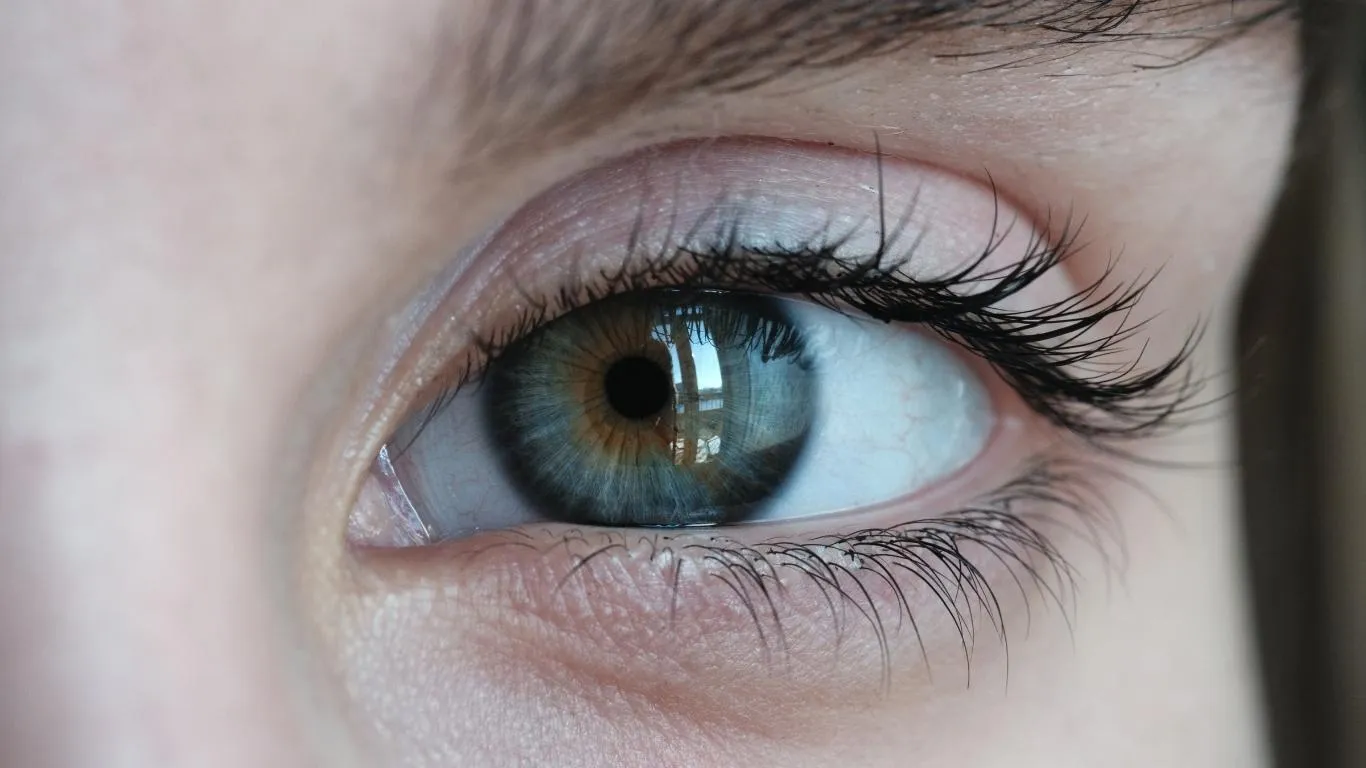
Let’s be real—floaters can mess with your head. I started noticing that they weren’t just annoying during work; they’d haunt my downtime, even while trying to fall asleep. There’s a strong connection between chronic floaters and mood disturbance, especially if you’re dealing with perfectionism, high output demands, or visual sensitivity.
Here’s what helped me cope:
- Guided meditations specifically for eye relaxation (search YouTube or Spotify)
- Ambient lighting in workspaces and bedrooms—no harsh white lights
- Screen filters and night mode to reduce visual overexertion
- Talking to my eye doctor about what’s temporary vs. what’s not
It’s Not All in Your Head—It’s in Your Eyes
If floaters start showing up after mental marathons, it’s not a coincidence. Our visual system wasn’t designed for 10-hour screen sessions, back-to-back meetings, or endless deep-focus sprints. Recognizing when your floaters are just a fatigue signal versus when they hint at deeper issues is key.
If this sounds familiar, it might be time to reevaluate how you structure your workday and how you care for your eyes. Think of it as eye hygiene. Just like brushing your teeth or stretching your back, you owe it to your eyes to keep them in shape.
For a full breakdown of the causes, symptoms, and deeper eye-health strategies for floaters, check out this foundational resource. And if you’re wondering when to worry and when to chill, this guide will help you spot the difference.

Camellia Wulansari is a dedicated Medical Assistant at a local clinic and a passionate health writer at Healthusias.com. With years of hands-on experience in patient care and a deep interest in preventive medicine, she bridges the gap between clinical knowledge and accessible health information. Camellia specializes in writing about digestive health, chronic conditions like GERD and hypertension, respiratory issues, and autoimmune diseases, aiming to empower readers with practical, easy-to-understand insights. When she’s not assisting patients or writing, you’ll find her enjoying quiet mornings with coffee and a medical journal in hand—or jamming to her favorite metal band, Lamb of God.