How Hormonal Imbalances Can Make Eye Floaters Worse
If you’ve ever noticed tiny specks or cobweb-like shadows drifting across your vision, you’re not alone. I remember the first time I spotted them—it was right after a stressful week, and I genuinely thought there was dust in my eye. Turns out, those pesky floaters had more to do with my body than I realized. Lately, I’ve been digging into something that often gets overlooked: the surprising connection between eye floaters and hormonal imbalances. It’s not just aging or screen time messing with our eyes—your hormones could be playing a starring role too.
How Hormonal Changes Can Disrupt Your Eye Health
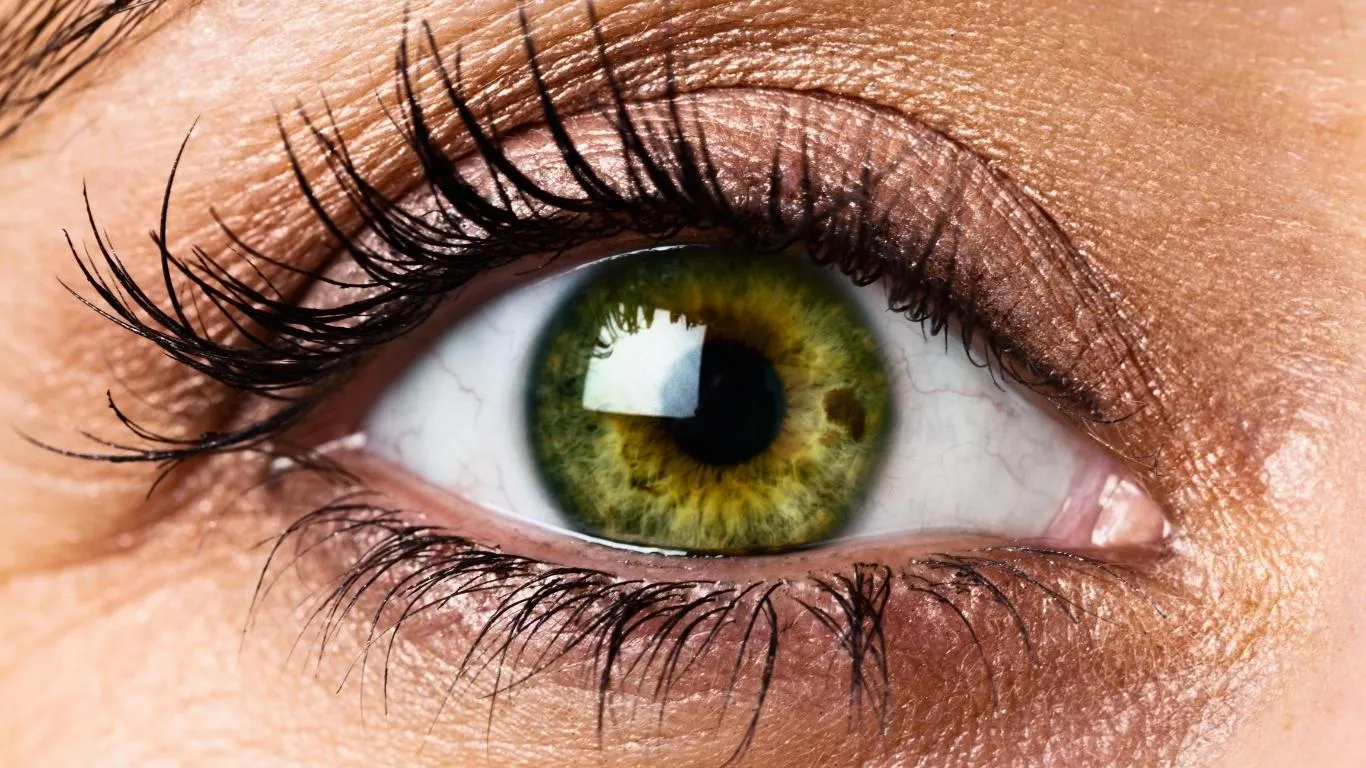
Hormones are responsible for much more than we give them credit for. They’re the body’s messengers, constantly telling different organs what to do. When these messengers fall out of sync, the results show up everywhere—including in our vision.
Estrogen and the Vitreous Body
Estrogen levels fluctuate during menstruation, pregnancy, menopause, and even due to birth control use. These changes can affect collagen and water retention in the eyes. Since the vitreous body—the gel-like substance inside your eye—is mostly water and collagen, even slight hormonal shifts can alter its consistency.
And when that gel starts to shrink or become stringy? Hello, floaters.
- Menopause: One of the biggest culprits. Many women report a sudden increase in floaters post-menopause.
- Pregnancy: Hormonal surges can lead to temporary visual disturbances, including floaters.
- Birth Control Pills: These can alter estrogen and progesterone levels, sometimes affecting vision clarity.
I had no idea my eyes could be so sensitive to what was going on internally until I read this detailed article on menopause-related floaters. It opened my eyes—literally and figuratively.
Progesterone’s Role in Eye Pressure
Another key hormone, progesterone, influences eye pressure. High or low intraocular pressure can distort the shape of the vitreous, leading to those squiggly floaters we all wish we could erase with a blink. You might even experience increased sensitivity to light or blurry patches—two symptoms I started tracking once I understood the hormonal link.
For those curious, this guide on hormonal shifts and eye floaters goes deeper into what’s happening behind the scenes.
When Hormones Go Rogue: Common Triggers for Floaters
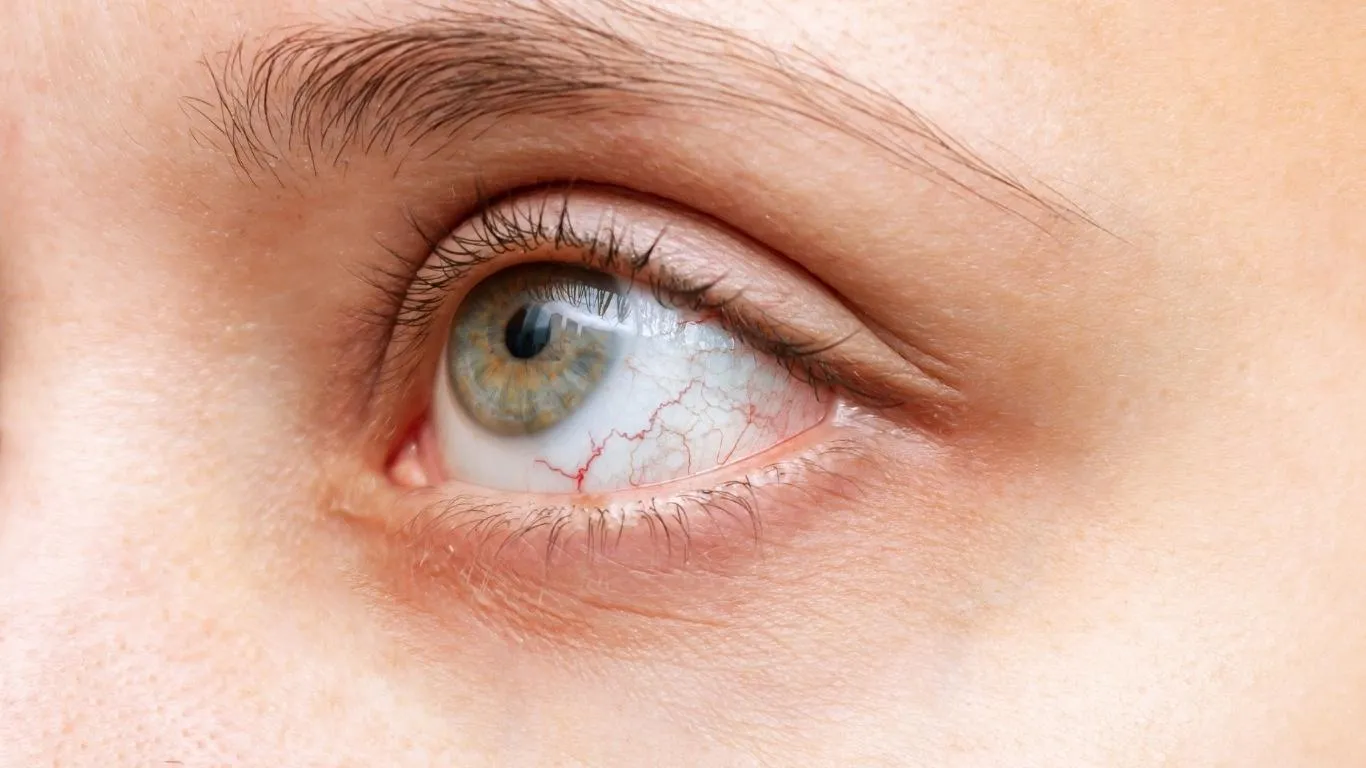
Not every hormonal change is dramatic. Sometimes it’s the everyday stuff that slowly builds up. Here are a few triggers I’ve noticed either in my own life or from talking to others who’ve dealt with similar issues.
- Perimenopause and Menopause: Vision changes are so common here that they often get dismissed as just another symptom. But the drop in estrogen and progesterone is a real game-changer.
- Stress: Cortisol spikes mess with your other hormones, which can indirectly affect the eyes. It’s one of the reasons I started meditating—my floaters literally calmed down after I did.
- Thyroid Disorders: These are notorious for disrupting hormonal harmony. Thyroid-related floaters are actually more common than most people think.
- Hormonal Birth Control: Some people (myself included) experienced floaters after switching to a new pill. Not everyone connects the dots right away, but the link is there.
The Cortisol Connection
Let’s talk stress hormones. When cortisol floods your system—thanks to work deadlines, lack of sleep, or even intense workouts—it throws your other hormones off balance. That imbalance can affect eye blood flow, hydration, and yes, even the stability of the vitreous gel.
This piece on stress-induced floaters offers great tips on how to chill out your eyes (and brain). It’s been bookmarked on my phone for months.
Is There a Way to Protect Your Eyes When Hormones Fluctuate?
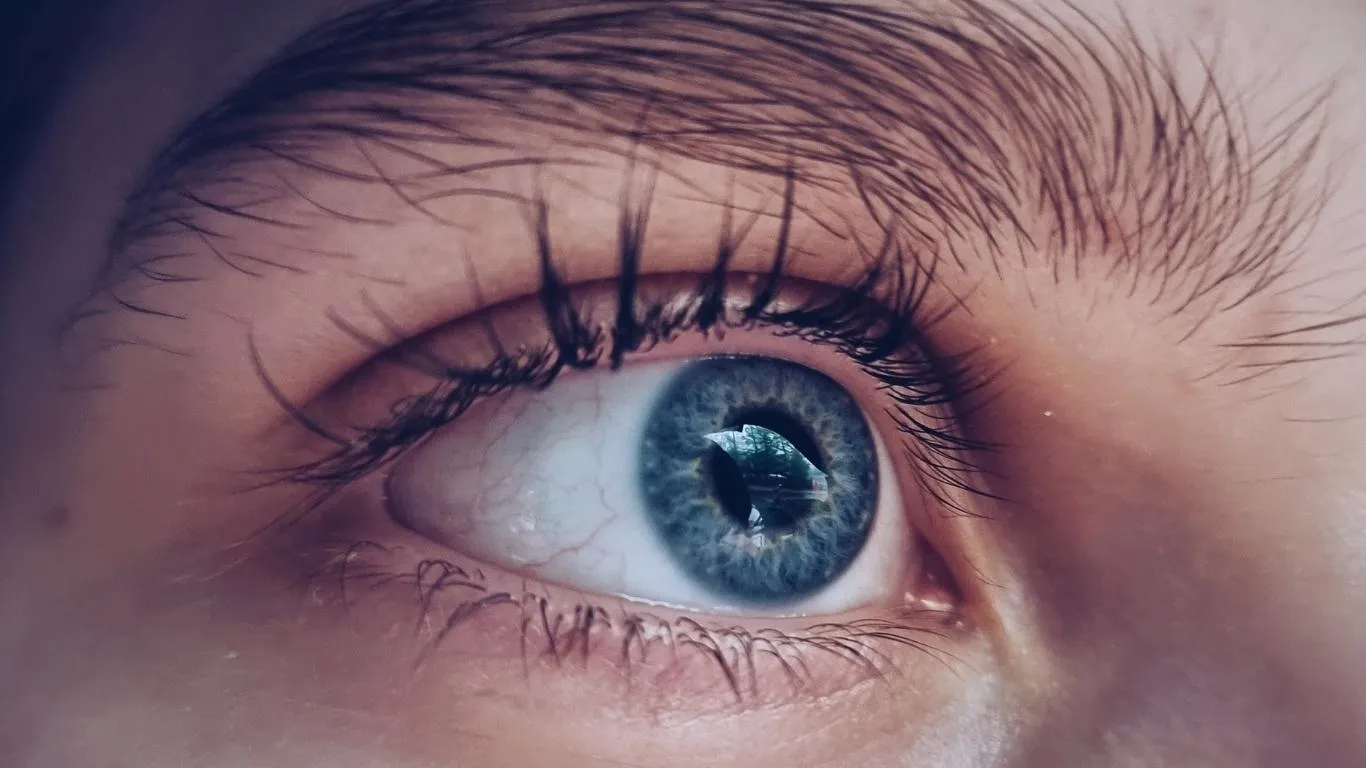
The good news is that you’re not powerless. While we can’t always control what our hormones are doing, we can make lifestyle choices that support both hormonal balance and eye health.
What Helped Me (And Might Help You)
- Adding omega-3s to my diet (wild-caught salmon and flaxseed are my go-tos)
- Reducing screen time in the evenings to calm down cortisol spikes
- Swapping caffeine for herbal teas when my floaters felt intense
- Practicing eye yoga—yes, it’s a thing! Start with this gentle yoga routine for floaters
If you’re also looking into dietary options, check out the dietary tweaks that actually help floaters. It helped me plan my meals with my eyes in mind.
Internal Care Shows in Your Vision
One of the most fascinating things I’ve realized is how directly our eyes reflect internal imbalances. Vision isn’t just about what’s in front of you—it’s what’s going on inside you, too.
To understand floaters at a deeper level—whether they’re from hormones, age, or anything else—this foundational guide is a must-read. It covers every angle in a way that’s both helpful and easy to digest.
And for a broader overview of causes—from infections to trauma—don’t skip this key article. I refer to it often when talking to others about what could be triggering their floaters.
Eye Floaters Deserve More Attention—Especially When Hormones Are Involved
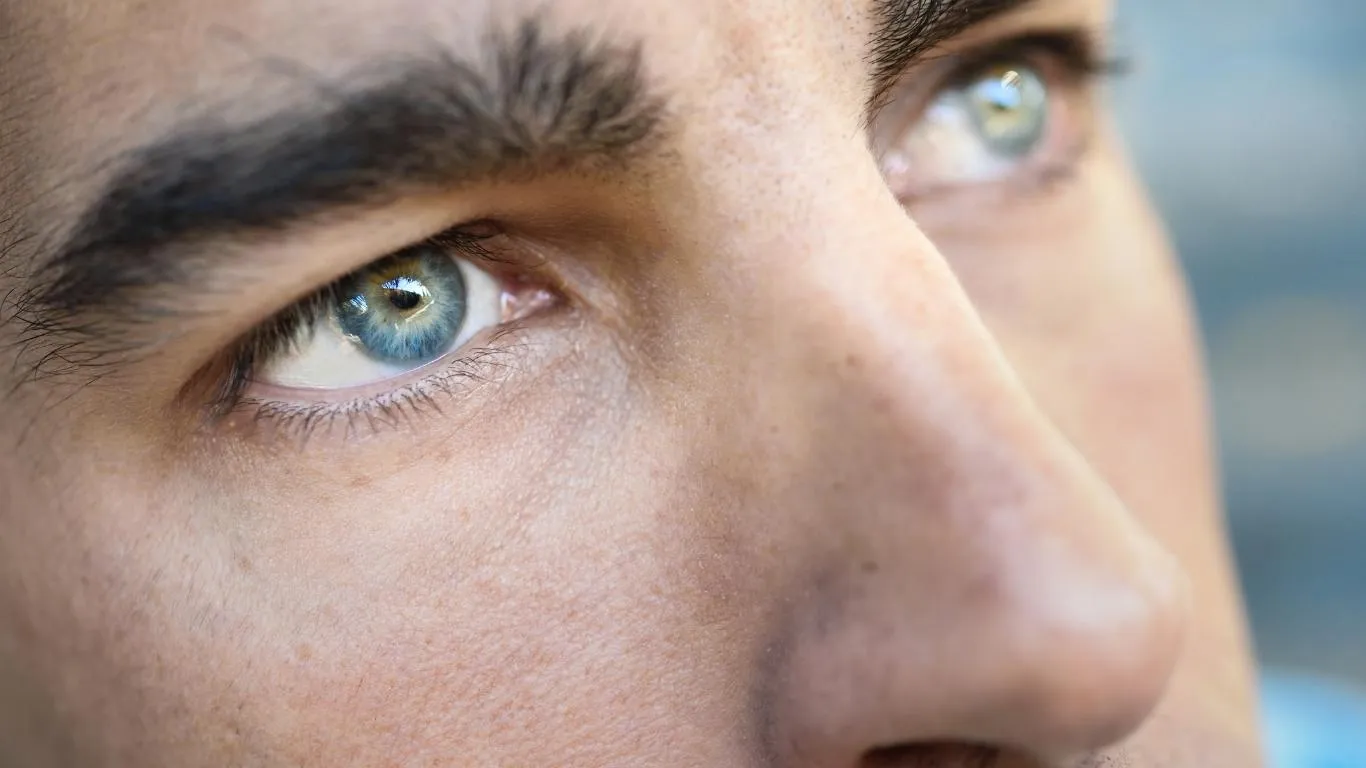
Most people brush off floaters as harmless or just a result of aging. But when your hormones are going haywire, these little specks and squiggles can be a sign of something deeper. Knowing that—and listening to my body—has helped me spot patterns and take better care of myself overall.
So if you’ve been noticing floaters more often, or they’ve suddenly worsened during pregnancy, menopause, or after starting a new medication, don’t just write it off. Your hormones might be talking to you—through your eyes.
When Eye Floaters Signal More Than Just Hormonal Changes
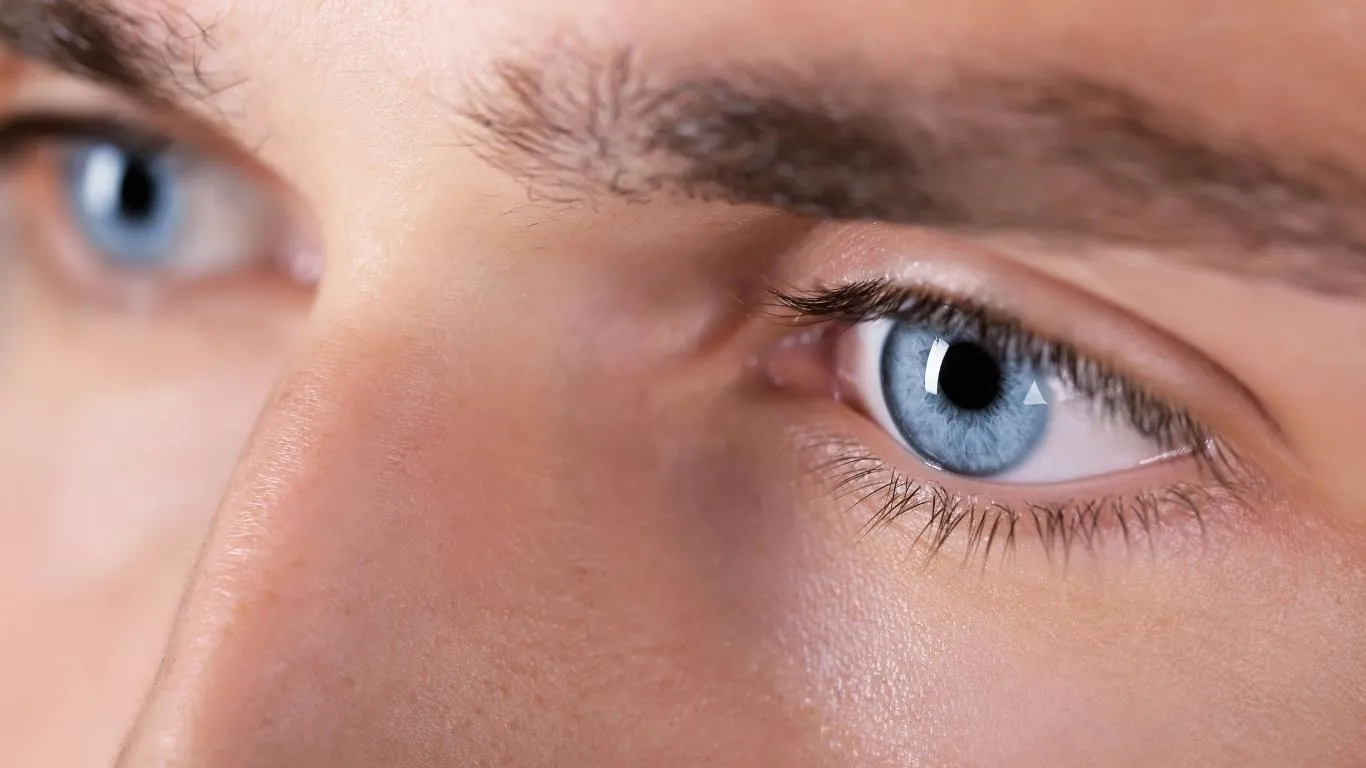
Sometimes, floaters aren’t just floaters. I learned this the hard way after assuming mine were due to a new birth control pill—turned out I was also dealing with a vitamin deficiency that was messing with my hormone balance. The point is: if your floaters change rapidly, appear with flashes, or come with other symptoms, it’s time to dig deeper.
Symptoms You Shouldn’t Ignore
- Sudden burst of floaters, especially in one eye
- Flashes of light or “lightning streaks”
- Vision loss, dark curtain-like shadows
- Eye pain or discomfort
Floaters tied to hormonal issues usually develop gradually. If they show up out of nowhere or seem aggressive, they could be a warning sign of something more serious like posterior vitreous detachment or even retinal tears.
How Hormonal Imbalances Interact with Other Conditions
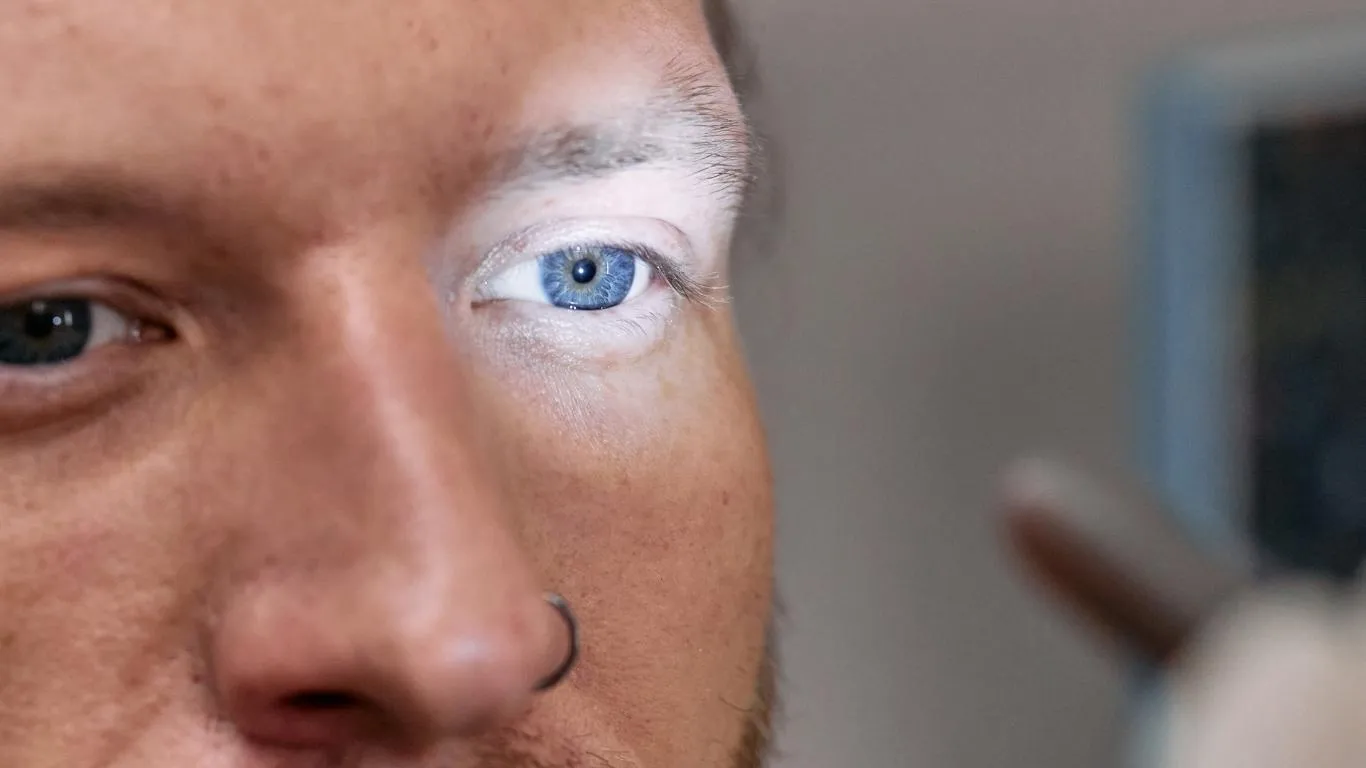
Eye floaters from hormonal imbalances often don’t show up alone. In my case, I also noticed dry eyes and light sensitivity—two lesser-known signs that your hormones are out of sync.
Common Conditions That Pair with Hormonal Floaters
- Dry Eye Syndrome: Hormonal changes can reduce tear production, especially in women during menopause.
- Migraine Aura: Floaters are sometimes confused with the visual disturbances of migraines. More on that here.
- Blurred Vision: Can be triggered by changes in estrogen affecting the eye’s corneal curvature.
- Headaches with Floaters: A double symptom worth watching—see this guide.
What You Can Do About It (Without Losing Your Mind)
There’s no magic pill to make floaters vanish overnight—believe me, I’ve searched. But there are ways to improve hormonal balance, support eye health, and reduce how noticeable floaters are. These worked for me, and they might help you too.
Support Your Hormones Naturally
- Prioritize sleep: Lack of sleep throws off cortisol and melatonin.
- Limit processed sugar: Sugar spikes insulin, which affects sex hormones.
- Focus on magnesium and B vitamins: Both are essential for hormone metabolism.
- Eat more leafy greens: Spinach and kale support hormonal detox pathways.
Curious how your diet might be impacting your floaters? I found some answers here.
Supplements That Actually Helped
- Omega-3s: Anti-inflammatory and supportive for tear film stability.
- Lutein + Zeaxanthin: Antioxidants that protect the retina.
- Magnesium: Regulates cortisol and supports eye muscle relaxation.
- Collagen Boosters: Help stabilize the vitreous. A deep dive on that here.
I’m not saying supplements are a cure-all. But when I added lutein and cut caffeine, my floaters became less prominent. That’s not coincidence—it’s physiology in action.
Everyday Habits That Can Make Things Worse
We all have habits that might be sabotaging our eyes without realizing it. I noticed mine got worse after long hours at my computer, especially when I was already hormonally off balance.
Common Lifestyle Triggers
- Excessive screen time: Eye strain, dry eyes, and disrupted melatonin
- Skipping meals: Can affect insulin, which messes with estrogen
- Dehydration: Leads to changes in eye pressure and vitreous gel shrinkage (why this matters)
- Too much caffeine: Not great for cortisol or hydration
Reducing blue light exposure at night made a difference for me. I also ditched energy drinks for coconut water—and no regrets there.
Hormone-Related Floaters Need to Be Taken Seriously
Too often, floaters are dismissed as a minor annoyance. But if you’ve noticed yours come and go with your cycle, worsen during menopause, or started after hormonal meds—you’re not imagining things. The link is real, and understanding it is the first step to doing something about it.
I’ve found that staying informed has been my best defense. Whether it’s talking to a hormone specialist or adjusting my lifestyle, I’m no longer passively watching those floaters drift by. I’m doing something about them.
To dive even deeper into the root causes and medical treatments available, I highly recommend checking out this resource on treatment options. And if you want a broader understanding, the full breakdown over at this main eye floaters guide is a must-read.

Camellia Wulansari is a dedicated Medical Assistant at a local clinic and a passionate health writer at Healthusias.com. With years of hands-on experience in patient care and a deep interest in preventive medicine, she bridges the gap between clinical knowledge and accessible health information. Camellia specializes in writing about digestive health, chronic conditions like GERD and hypertension, respiratory issues, and autoimmune diseases, aiming to empower readers with practical, easy-to-understand insights. When she’s not assisting patients or writing, you’ll find her enjoying quiet mornings with coffee and a medical journal in hand—or jamming to her favorite metal band, Lamb of God.