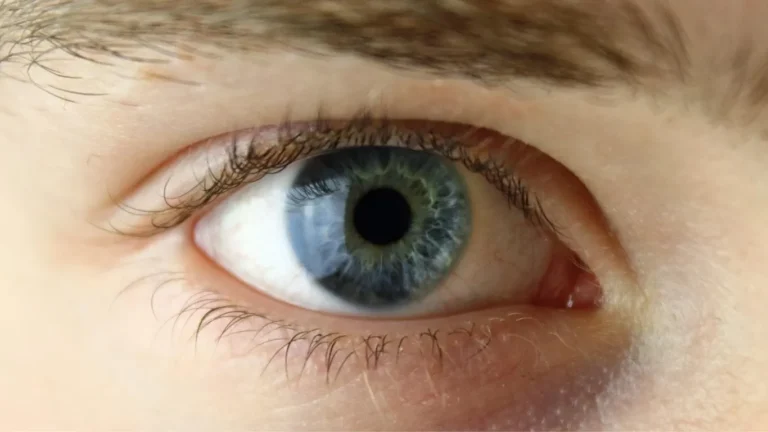
Why Migraines Caused by Eye Strain Are More Common Than You Think
If you’ve ever ended a long day staring at screens with a pounding headache behind your eyes, you’re not alone. I used to brush it off as “just another headache,” until I started noticing a pattern — these throbbing episodes often came after marathon workdays in front of my laptop. That’s when I began wondering: *could migraines really be caused by eye strain?* Turns out, the connection is stronger than most people realize.
How Eye Strain Triggers Migraines

Let’s be clear: eye strain on its own doesn’t always cause migraines, but for those of us prone to migraines, it can be a serious trigger. The tension builds up gradually—dry eyes, blurry vision, tightness around your temples—and before you know it, a full-blown migraine settles in.
Digital Eye Strain in a Screen-Dominant World
We spend hours scrolling, streaming, typing. Blue light from digital devices not only strains the eyes but also messes with our circadian rhythm. That combination can disrupt sleep and trigger neurological responses in sensitive individuals.
- Excessive screen time reduces blink rate, leading to dryness
- Improper monitor positioning increases neck and eye tension
- Blue light exposure stimulates the brain and disturbs natural rest cycles
According to American Academy of Ophthalmology, prolonged use of screens can lead to a condition called computer vision syndrome—a perfect storm for migraine sufferers.
The Hidden Link: Muscular and Neural Overload
When you squint at a screen or read for long periods, the muscles around your eyes and forehead work overtime. That stress travels upward, often tightening the scalp, neck, and upper back—regions intricately linked with the migraine pathway.
- Eye muscles tense up to focus on text or images
- Neck muscles compensate for poor posture or awkward angles
- Trigger points form and stimulate nerves that activate migraine responses
This isn’t just theoretical—researchers at ncbi.nlm.nih.gov have mapped out the neural pathways connecting ocular strain to migraine centers in the brain.
What It Feels Like: Recognizing Eye-Strain-Induced Migraines

In my experience, these migraines start behind the eyes, then spread outward in waves. Unlike sinus headaches or tension headaches, eye-strain migraines often feel more *internal*, almost like your brain is pushing out from inside your skull.
Common Symptoms That Might Surprise You
- Light sensitivity, especially to LED or fluorescent lighting
- Blurred or double vision after prolonged reading or scrolling
- Sharp, stabbing pain concentrated near the temples or brow bone
- Nausea or dizziness that gets worse when looking at moving visuals
Sometimes, I even notice *floaters* or flashing lights before the headache hits—classic signs of visual aura, which are detailed in this visual aura breakdown.
Tracking these symptoms has helped me understand my own triggers better. I now keep a migraine diary, and if that interests you, here’s a solid guide that walks through how to start one.
Who’s Most at Risk?

Not all migraine sufferers experience them the same way. But if you:
- Work in tech or office settings
- Have uncorrected vision problems
- Use screens more than 5 hours a day (let’s be honest—most of us do)
- Have a history of migraine with aura
…then you’re definitely more vulnerable. Kids and teens are increasingly affected too, especially during school seasons where screen use and reading load ramps up. If you’re curious about how migraines show up differently in younger people, check out this teen-focused resource.
Don’t Forget About Lighting Conditions
Flashing lights, dim rooms, even poor contrast in text can all act like mini stress tests for your brain. I learned this the hard way after trying to work under a warm lamp with yellowed paper—bad idea. My eyes squinted for hours, and the migraine that followed was brutal. More info on these visual triggers is well covered right here.
Effective Ways to Reduce Eye-Strain-Induced Migraines

I’m not going to pretend I have a magic fix, but these small adjustments have seriously changed the game for me. The goal isn’t to eliminate screens (impossible!) but to reduce the strain they cause:
Simple, Actionable Tips
- Follow the 20-20-20 Rule: Every 20 minutes, look at something 20 feet away for 20 seconds.
- Use blue light filters or glasses: I didn’t think they’d work, but they’ve helped more than I expected. Here’s why they’re worth considering.
- Adjust screen height and distance: Keep it slightly below eye level and at least 20 inches away.
- Use artificial tears: Dryness contributes massively to fatigue and visual blur.
- Consider anti-glare screens: Especially useful if you’re using older monitors.
If posture plays a role in your migraines, which it often does, be sure to look at the link between neck strain and headaches. These muscle connections matter more than we give them credit for.
And for a broader understanding of how all of these migraine triggers connect, I highly recommend browsing this migraine trigger guide—it’s one of the most comprehensive breakdowns I’ve seen.
Curious about how migraines tie into other lifestyle factors? Don’t miss the general resource page at healthusias.com’s migraine hub.
Long-Term Strategies to Break the Cycle

Once I realized how often my migraines were linked to eye strain, I knew I had to stop treating them like random occurrences. The key wasn’t just reacting to pain but building a lifestyle that prevents it in the first place. That meant more than screen breaks—it meant rethinking how I use my eyes, posture, and energy throughout the day.
Routine Eye Care Makes a Huge Difference
One of the smartest things I did was visit an optometrist. Turns out, my old prescription glasses weren’t cutting it anymore. After updating my lenses and adding an anti-reflective coating, my daily headaches dropped dramatically.
- Get annual eye exams—even minor vision changes can affect focus and fatigue
- Ask about computer-specific glasses if you’re in front of screens all day
- Don’t skip treatment for dry eye—it quietly amplifies screen discomfort
There’s a deeper neurological component too, and this is something I didn’t fully appreciate until I dove into this neurological overview of migraine causes. Eye strain is just one of many interconnected stressors on your brain and nerves.
Posture, Muscle Tension & Their Sneaky Role
If you’re like me and work from a laptop 8+ hours a day, chances are your posture’s not doing you any favors. Hunched shoulders, forward head tilt—these subtle habits build up tension that feeds directly into migraine pathways.
One change that helped me? Elevating my monitor to eye level using a stack of books. It sounds trivial, but that neck alignment made a noticeable difference.
- Use ergonomic chairs and desk setups whenever possible
- Stretch your neck and shoulders regularly—every hour if you can
- Incorporate posture-correcting movements like wall angels or yoga
For a deeper look into how muscle strain connects to migraines, this piece explains the relationship well.
Supplements and Nutrients That Might Help

I’m cautious about supplements—I’d rather not rely on a cabinet full of pills. But there are a few that have solid science and worked noticeably for me. One is magnesium. I started taking it in the evenings and noticed better sleep and fewer morning migraines.
Evidence-Backed Options to Explore
- Magnesium: Especially helpful for those with visual aura or sleep-related migraines (read more)
- Vitamin B2: May reduce migraine frequency with daily use
- CoQ10: Supports energy production in brain cells under stress
You can explore more on this in the article about Vitamin B2 & B6 for migraine and their combined benefits.
If you’re wondering whether these are worth adding to your migraine routine, it helps to speak with a neurologist familiar with holistic and integrative approaches. This guide to finding the right specialist is a good starting point.
Wearables and Devices: High-Tech Help

We’re lucky to live in an age where migraine relief tech is getting smarter. I’ve tried a few wearables and devices—and while they don’t replace prevention, they’re game changers when a migraine hits or is about to.
Popular Tools People Are Using
- Cefaly: A headband-style device that stimulates the trigeminal nerve
- Nerivio: Smartphone-controlled wearable for acute attacks
- Smart glasses and earplugs: Help filter migraine-triggering stimuli
I first came across these when searching for screen-friendly migraine tools, and the best devices list helped me decide which one to try.
Don’t overlook software either—migraine tracking apps are excellent for pattern recognition, especially if eye strain isn’t your only trigger. Check out the curated list of migraine apps that can sync with your schedule, mood, and even weather changes.
Daily Habits That Make a Real Difference

These aren’t life-changing overnight fixes, but they’ve helped me stretch more migraine-free days together—and that’s a win. Here’s what’s been working consistently:
- Establish a wind-down screen routine: No screens 1 hour before bed
- Use warm compresses over eyes: Especially after long digital sessions
- Hydrate aggressively: Especially if you’re prone to dehydration headaches (here’s why it matters)
- Follow consistent sleep-wake times: Your brain likes rhythm
I’ve also become more selective about what I eat during work hours—high-sugar snacks or skipping meals absolutely wreck my focus and tension levels. If food is something you suspect plays a role, this guide on food triggers is extremely helpful.
Exploring Broader Migraine Triggers

Not all migraines stem from eye strain, but when that’s your dominant trigger, it’s easy to overlook others. I’ve been surprised by how much sleep posture, stress, and hormonal fluctuations also contribute. A comprehensive look into general migraine triggers helps build a more holistic prevention strategy.
At the core, the relationship between our modern habits—especially screen exposure—and migraines is undeniable. The more awareness we bring to how our body reacts, the easier it becomes to build routines that support, rather than sabotage, our health.
To learn more about the many causes and preventive measures of migraines in daily life, take a look at the complete resource on migraine prevention.
And don’t forget to explore healthusias.com’s main migraine hub for expert-level guidance on everything from symptom tracking to treatment plans.

Bianca Nala is a compassionate Nurse Practitioner with a strong background in primary and respiratory care. As a health writer for Healthusias.com, she combines her clinical expertise with a talent for clear, relatable storytelling to help readers better understand their health. Bianca focuses on topics like asthma, COPD, chronic cough, and overall lung health, aiming to simplify complex medical topics without losing accuracy. Whether she’s treating patients or writing articles, Bianca is driven by a single goal: making quality healthcare knowledge accessible to everyone.