Best Pelvic Tilt Back Pain Correction That Actually Works
If you’ve ever felt like your lower back has its own secret vendetta against you—tight in the morning, sore after sitting, or angry after a light jog—you’re definitely not alone. I went through months of discomfort, bouncing from stretches to foam rollers, wondering why nothing seemed to stick. Turns out, my problem wasn’t just “bad posture” or a weak core—it was something sneaky and far more common: pelvic tilt. And correcting it? Way more doable than I imagined.
Understanding Pelvic Tilt and Its Sneaky Role in Back Pain
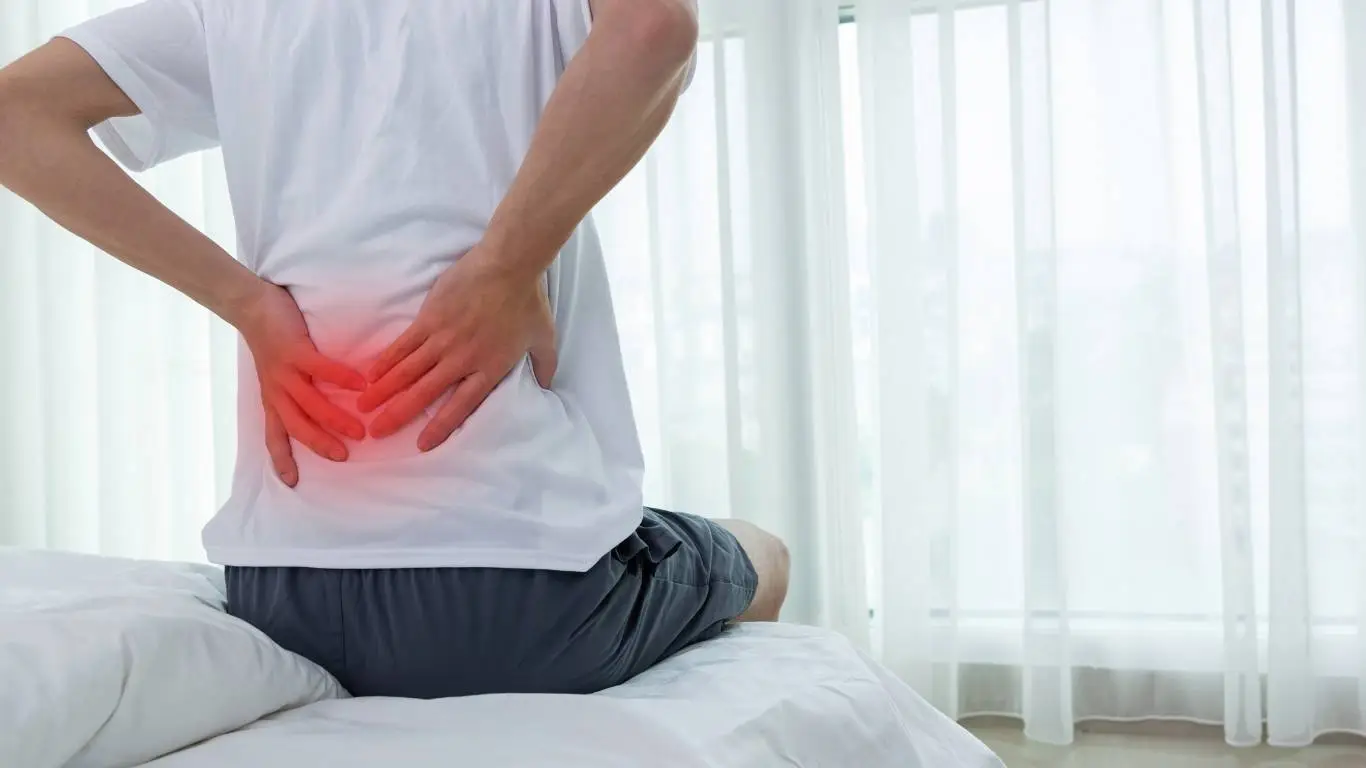
Your pelvis is kind of like the steering wheel of your spine. When it’s tilted too far forward (anterior tilt) or backward (posterior tilt), it throws everything off—especially your lower back. It’s not always dramatic. In fact, for most people, the signs are subtle: tight hip flexors, recurring back soreness, poor glute engagement, and hamstrings that feel like they’ve been shortened with a rubber band.
I didn’t realize it either until I caught my reflection mid-run and noticed my lower back arching like a rainbow. A visit to a physical therapist confirmed what I had started to suspect: my pelvis was tilted, and my lumbar spine was doing all the work it shouldn’t be doing.
Why Your Pelvis Might Be Tilting
- Sedentary lifestyle – Too much sitting weakens the glutes and core.
- Muscle imbalances – Overactive hip flexors and underactive hamstrings are a recipe for disaster.
- Poor posture habits – Standing with locked knees or arching your back adds up over time.
- Lack of movement variety – Repetitive motion workouts (like cycling or running) without balance training.
How Pelvic Tilt Causes Back Pain

What hit me hardest was understanding how such a small pelvic rotation could cause so much chaos. With an anterior tilt, your lower back muscles are constantly shortened, compressing the lumbar discs. It’s not just tightness—it’s nerve irritation, poor blood flow, and eventual structural strain. Over time, that simple “ache” becomes something more intense, even radiating.
Posterior tilt? That’s no better. You lose the natural curve of the spine, your hamstrings work overtime, and your lower back feels like it’s perpetually under load. According to NIH research, misaligned pelvic positioning is one of the lesser-known contributors to chronic lower back pain—yet few people talk about it until it’s already a problem.
Not All Pain Is Equal
One thing I learned the hard way: if your pain gets worse at night or after prolonged sitting, you’re not just stiff—you may be dealing with deeper alignment issues. This helpful guide on why back pain worsens at night explains this beautifully. If you notice recurring discomfort after light physical activity, this resource on activity-induced back pain is worth exploring too.
Correcting Pelvic Tilt: What Actually Works

Here’s where things get interesting. You don’t need a complicated gym program or fancy gadgets. You need consistency, awareness, and the right movement patterns. Here’s what helped me personally after months of frustration:
1. Activate the Glutes
This was huge. I had basically forgotten how to use my glutes properly, and every lunge felt like a quad-dominant disaster. Simple glute bridges, clamshells, and banded walks brought them back to life. Trust me, you don’t need 50 reps. Start small. This article breaks down the glute-back pain connection perfectly.
2. Stretch Hip Flexors and Quads
If you sit for a living (hello, remote work), your hip flexors are probably shorter than ever. Lunge stretches, couch stretches, and deep quad releases can work wonders. I did mine daily while watching Netflix.
3. Strengthen the Core (Not Just Crunches)
Planks, dead bugs, and bird dogs made a bigger difference than any sit-up ever did. It’s about spinal stability, not six-packs. You want those deep abdominal muscles (like the transverse abdominis) supporting your lumbar spine.
4. Re-Educate Your Posture
I used mirrors, videos, and even a post-it on my monitor to remind myself to tuck my ribs and engage my core. Posture awareness is key, especially during daily activities like walking or standing in line. These posture mistakes are sneakier than they look.
Ergonomics Matter More Than You Think

You don’t need to blow your budget on an ultra-fancy chair, but paying attention to your work setup makes a real difference. I went from a stiff kitchen chair to a supportive seat with lumbar support, and it felt like night and day. If you’re looking for ideas, these ergonomic chair options are a great starting point.
Also, consider switching to a standing desk part of the day—it’s been a lifesaver for me. According to Mayo Clinic, even just alternating between sitting and standing every 30 minutes can significantly reduce spinal compression.
Real Progress Takes Time—But It’s Worth It
I won’t lie—there were weeks where I thought, “Is this even working?” But over time, those small exercises turned into big improvements. I started running pain-free again. Sitting didn’t make me dread standing. And most importantly, I understood how my body worked—and how to work with it.
Want a deep dive into how movement, ergonomics, and muscle rehab work together for lasting relief? Check out this full guide on exercise, rehab, and ergonomics for back pain. For a wider understanding of everything related to back pain, the main overview at Back Pain Main Pillar gives a full roadmap.
Advanced Pelvic Tilt Correction Techniques That Actually Work

Once the basics became second nature—glute activation, stretching, better posture—I hit a plateau. My lower back wasn’t flaring up like before, but something still felt… off. That’s when I started looking into deeper alignment work and a few lesser-known tools that turned out to be total game changers.
1. Posterior Chain Strengthening
If your hamstrings and glutes are weak, your pelvis won’t hold a neutral position for long. Adding in Romanian deadlifts (lightweight, high reps), kettlebell swings, and eccentric hamstring work helped reinforce proper pelvic positioning throughout the day—not just during workouts.
For those dealing with tight hamstrings pulling on their pelvis, this guide on hamstring tightness and back pain was especially helpful for me in figuring out how to train smarter.
2. Psoas and Iliacus Release Work
The psoas is a tricky muscle—it’s buried deep and contributes massively to anterior pelvic tilt. I used a lacrosse ball and specific breathing drills to release tension in the psoas and iliacus. It was uncomfortable at first, but it made walking and standing feel completely different.
I also added gentle somatic exercises and lying-down hip resets. Sounds basic, but wow—what a difference in core engagement afterward.
3. Daily Movement Re-Education
The real magic happened when I stopped treating correction like a workout and started folding it into everyday life. Squatting to pick things up the right way. Tucking my pelvis slightly while brushing my teeth. Engaging my core while walking. These micro-adjustments stacked up faster than I expected.
These early movement habit cues and symptom patterns helped me self-correct before flare-ups ever returned.
What About Sleeping and Sitting?

Don’t underestimate how much your sleeping setup can reinforce poor pelvic positioning. I switched to a medium-firm mattress and started placing a pillow under my knees (when on my back) or between my knees (on my side). The change was instant.
This breakdown of optimal sleeping positions for back pain really helped me figure out my best posture during rest.
During the day, I invested in lumbar support cushions and started adjusting my car seat tilt. Before that, long drives made my back scream. If you’re driving often, these car seat ergonomics tips are spot on.
When Pain Persists: Other Factors to Consider

If you’ve been doing “everything right” and your back pain still hangs around, it’s worth looking beyond muscles and posture. Pelvic misalignment can be influenced by:
- Sacroiliac joint dysfunction – This SI joint relief guide breaks down the link with pelvic positioning and back pain.
- Core-lumbar coordination issues – Sometimes the brain just forgets how to sequence movement efficiently.
- Myofascial restrictions – If you’re dealing with tension that won’t go away, consider this read on myofascial pain treatment.
Diet and Inflammation: The Silent Saboteurs

This one surprised me the most. I always thought of back pain as a purely structural issue. But inflammation plays a massive role, especially when you’re trying to heal. I started incorporating turmeric, omega-3s, and leafy greens regularly—and honestly, I noticed I recovered faster and stayed looser between sessions.
If you’re curious, this anti-inflammatory diet guide lays it all out with examples that are actually doable. Bonus: I slept better too.
Mental and Emotional Triggers of Chronic Back Tension

Here’s the part I didn’t want to admit: some of my tension was stress-related. I was holding emotional tension in my hips and lower back. And once I layered in simple mindfulness work—breathing techniques, meditation, journaling—it created space for my body to heal.
These stress-reduction practices aren’t just fluff. They can change the way your nervous system processes physical tension. And this piece on mindfulness for pain relief was a huge eye-opener for me.
When to Seek Extra Help

I’ll say this with confidence—if you’re doing the work and the pain isn’t letting up, don’t push through it. I consulted a chiropractor and got evaluated for alignment and muscle imbalances. One session uncovered an overlooked leg length discrepancy and weak deep core stabilizers.
I also looked into chiropractic care and osteopathic manipulation—both helped realign my pelvis over time without relying solely on adjustments.
For persistent cases, especially where nerve involvement is suspected, minimally invasive options might be worth reviewing with a specialist.
You’re Not Broken—Just Misaligned

Correcting pelvic tilt isn’t about chasing perfection—it’s about teaching your body to move the way it was meant to. I still do my mini-routine every morning. I still check my posture when sitting or walking. And I still keep learning more, because that’s what keeps the pain away.
If you’re serious about creating a long-term change, I’d highly recommend reading through this lifestyle and natural remedy guide that supports everything we’ve talked about here. And of course, keep exploring more through the core guide at Back Pain Main Pillar—it’s loaded with resources that’ll keep your progress moving forward.

Camellia Wulansari is a dedicated Medical Assistant at a local clinic and a passionate health writer at Healthusias.com. With years of hands-on experience in patient care and a deep interest in preventive medicine, she bridges the gap between clinical knowledge and accessible health information. Camellia specializes in writing about digestive health, chronic conditions like GERD and hypertension, respiratory issues, and autoimmune diseases, aiming to empower readers with practical, easy-to-understand insights. When she’s not assisting patients or writing, you’ll find her enjoying quiet mornings with coffee and a medical journal in hand—or jamming to her favorite metal band, Lamb of God.