
Eye Floaters When Squinting Hard Might Signal Eye Trouble
Ever squinted hard—maybe while staring at a screen or trying to read tiny print—and noticed tiny specs or squiggly shadows dancing across your vision? You blink, they move. You look away, they follow. As odd (and slightly annoying) as that sounds, you’re not alone. I’ve caught myself squinting in bright light or focusing too intently on something small, only to be greeted by those pesky little floaters. It’s like having a swarm of ghostly gnats in your eye, except there’s nothing you can swat away. Let’s unpack what’s really going on when eye floaters become more noticeable during intense squinting.
Why Eye Floaters Pop Up When You Squint
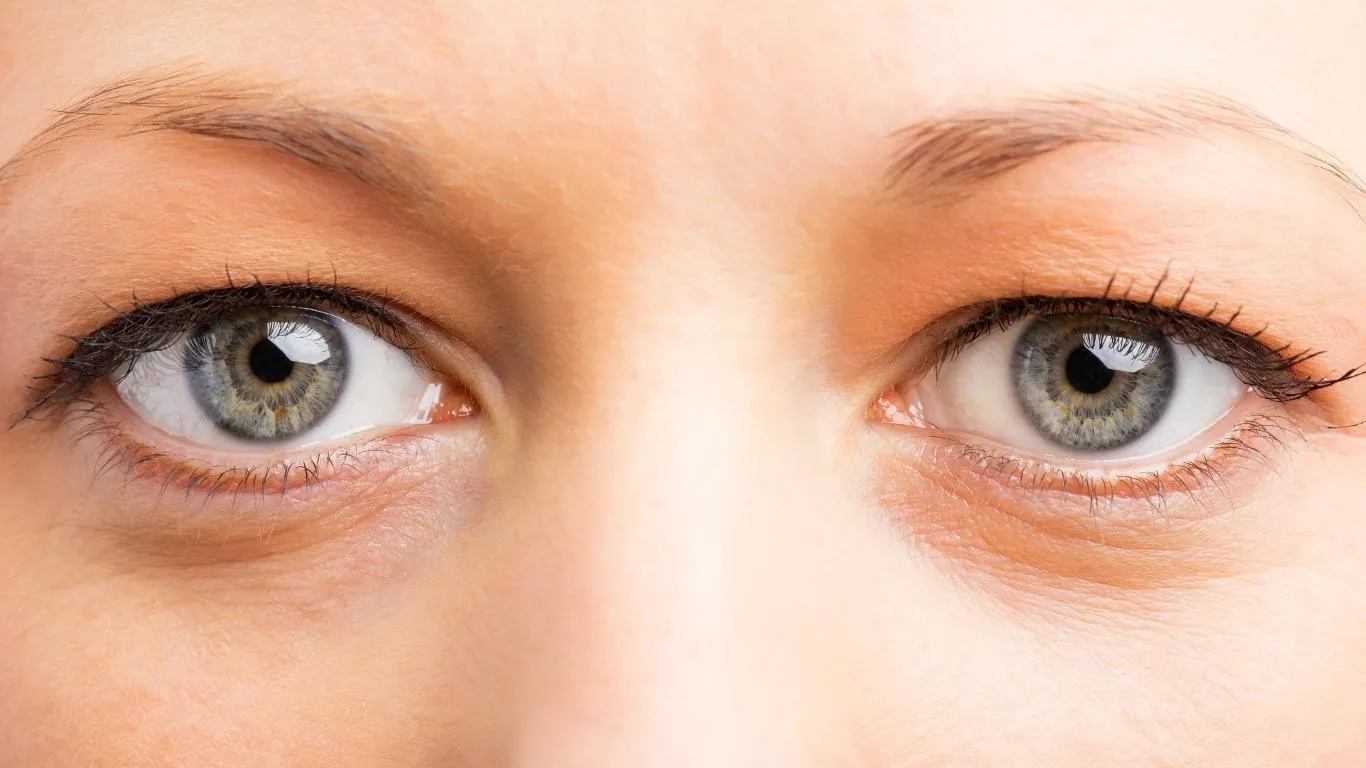
Squinting isn’t just about narrowing your eyes—it changes how light enters your eye and how your eye muscles flex. When you squint hard, especially in bright lighting or during visual strain, you naturally make those floaters more visible. Here’s the breakdown:
- Concentration of Light: Squinting reduces peripheral light, enhancing the contrast between floaters and your retina.
- Change in Focus: Your lens and vitreous shift slightly, making debris in the vitreous more apparent.
- Increased Awareness: When you’re focusing harder, your brain pays more attention to visual disruptions.
Floaters themselves don’t just appear because you squint. They’re always there—it’s just that squinting shines a spotlight on them. Distinguishing them from aging symptoms is important too, especially as we get older and the vitreous gel inside our eyes becomes more liquified.
What Are Eye Floaters, Really?
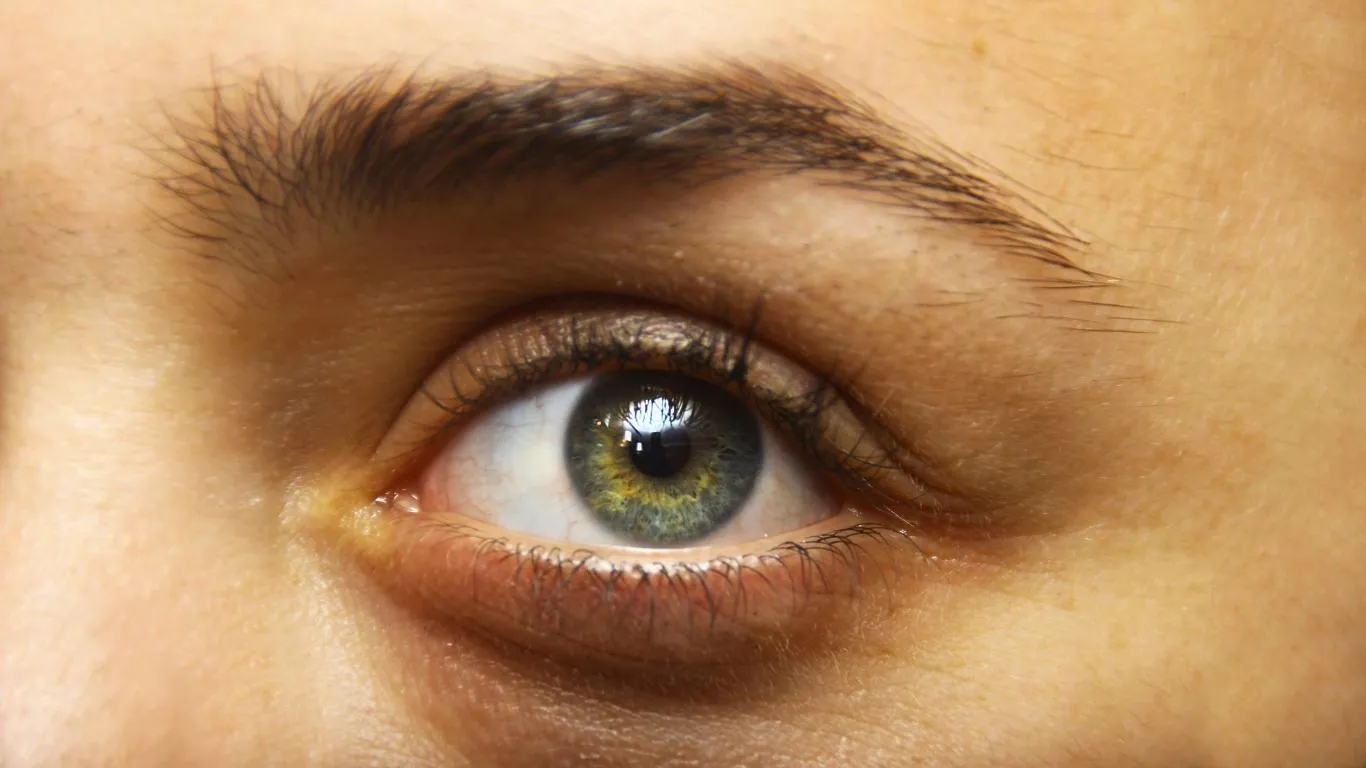
They might seem like hallucinations, but floaters are real—tiny clumps of collagen or cells inside the vitreous humor, the gel-like substance that fills most of your eyeball. As you age, or if you’re nearsighted (like I am), that gel starts to shrink and become more stringy. This causes little fragments to cast shadows on your retina.
Common Characteristics of Floaters:
- They drift with eye movement, but lag slightly
- They often appear like threads, rings, dots, or cobwebs
- They’re most visible against bright, plain backgrounds (white walls or blue skies)
While they’re common, noticing floaters only when squinting could mean you’re otherwise not paying attention to them—or your floaters are still in early formation. You can learn more about what floaters are and why they form in our in-depth guide.
Why They Get Worse in Bright Environments
Bright light makes everything more intense—including your floaters. When you squint in bright light, you’re naturally narrowing your pupil, which increases depth of field and reduces light scatter. This makes the shadows from floaters sharper and more defined.
That explains why floaters can suddenly feel more intrusive during summer hikes or while driving midday. According to American Academy of Ophthalmology, age-related vitreous changes often begin quietly, and people only become aware once floaters appear under specific conditions—like bright light + hard squinting.
Worried it might be more than just harmless floaters? Be alert for floaters that come with flashes of light or a sudden curtain over your vision. These may be signs of a more serious issue like retinal tears or detachment.
Could Squinting Be a Symptom of Something Else?
Yes—relying on squinting to see better might suggest an underlying visual problem. If you’re constantly squinting and also noticing new floaters, it may not be coincidence. These could signal:
- Early onset of presbyopia or other refractive issues
- Eye strain from digital overuse
- Or just the natural consequence of aging eyes
I remember thinking my floaters were dirt on my glasses until I realized they floated even with perfect lenses. For many of us over 30, squinting isn’t just a reaction to light—it’s a quiet sign of our changing vision health.
How to Reduce the Impact of Floaters When Squinting
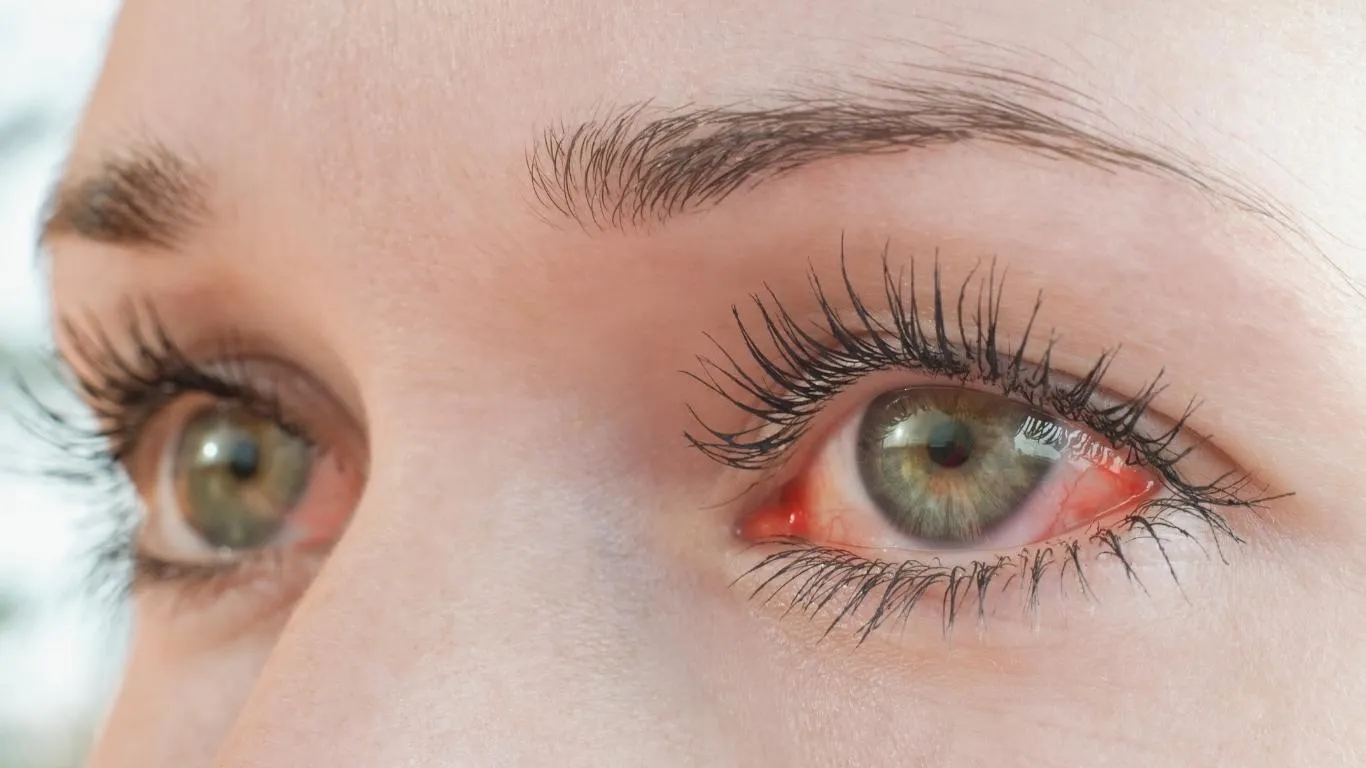
While you can’t always stop floaters from forming, you can reduce how bothersome they feel:
- Keep hydrated: Dehydration can worsen symptoms. Here’s why.
- Adjust lighting: Use softer, indirect lighting indoors to reduce squinting.
- Wear sunglasses: Polarized lenses help reduce glare and floater visibility outdoors.
- Limit screen time: Blue light strain can make things worse. Breaks are essential.
- Strengthen eye health: Nutritional support may help protect against worsening floaters.
It’s also worth checking out this guide on floater treatments to explore more advanced options, especially if they begin interfering with your daily routine.
When Squinting Triggers a Sudden Wave of Floaters
One moment you’re just narrowing your eyes at your phone, and the next—bam!—a burst of floaters floods your vision. That happened to me last year while reading a menu in glaring sunlight. I thought I was going blind for a second. Dramatic? Maybe. But it turns out sudden floater bursts, especially during squinting, aren’t uncommon and can hint at deeper issues.
What’s really happening is your vitreous—the gel inside your eye—is shifting more rapidly than usual. Squinting can sometimes amplify that shift, particularly if your vitreous is already loosening with age or trauma. If you’ve ever had eye surgery, trauma, or inflammation, that gel may be more unstable than you think. Floaters after surgery or trauma are especially worth tracking closely.
Warning Signs You Shouldn’t Brush Off
While most floaters are benign, certain red flags should always lead you to an eye specialist—no delay. Here’s what to watch out for:
- Floaters accompanied by flashes of light
- A sudden curtain-like shadow in your field of vision
- New floaters after a head or eye injury
- Noticing floaters in only one eye consistently
If any of those symptoms sound familiar, your floaters might not be harmless. A condition like posterior vitreous detachment (PVD) is a common cause, but it can also lead to retinal tears in more serious cases.
How Long Do Floaters Last Once They Appear?
If you’re like me, you’ve probably Googled this in frustration: “Do floaters go away?” And I wish the answer was simple. For some people, they fade into the background in weeks. For others, they stick around for years. The good news? Your brain often adapts—what eye doctors call “neuro-adaptation.”
Still, if the floaters are new or increasing after every squinting episode, it’s smart to check in with an eye care professional. Especially since some floaters are linked to systemic health issues like high blood pressure or diabetes.
When Lifestyle and Habits Make Things Worse
So what else makes floaters flare up during squinting? Honestly, more than you’d think. Our modern lives—hello, endless screen time—don’t help. Constant digital strain, dry eyes, and poor lighting can lead to more squinting, and thus more floater visibility.
Here’s what to reconsider:
- Screen brightness and blue light: Overexposure may intensify floater visibility. Try adjusting your eyewear or lighting.
- Poor hydration and sleep: Both impact vitreous stability. Seriously, drink water!
- Smoking and caffeine: Both have been linked to worsened floater perception. Learn more at ncbi.nlm.nih.gov.
If squinting becomes your default vision mode, it might be time to assess whether it’s a vision correction issue—or something more.
What Actually Helps? Natural Relief and Clinical Treatments
Let’s get real—there’s no “miracle cure” for floaters. But a few things can definitely help. Personally, I found some relief with dietary changes and hydration. Still, if floaters are dominating your vision, especially when squinting, there are a few proven paths forward:
Natural & Supportive Options
- Supplements with antioxidants and collagen support
- Eye yoga or exercises to increase fluid circulation
- Herbal support like bilberry or lutein-rich foods
Medical Options (If Needed)
- YAG laser vitreolysis: A laser that breaks up floaters—effective in some cases
- Vitrectomy: A surgical option, usually a last resort, but highly effective
If you’re leaning toward any treatment, I highly recommend reading up on the full spectrum of treatment options available today.
Should You Worry About Floaters When Squinting Hard?
In most cases, probably not—but only after you’ve ruled out the more serious stuff. Floaters when squinting tend to be more about light dynamics and visual contrast than danger. Still, as someone who once ignored a new batch of floaters thinking they were “normal,” only to later find out I had early vitreous detachment, I’m a big believer in getting checked—just in case.
As we’ve explored, floaters become more noticeable during squinting not because they suddenly appear, but because your eyes are forcing them into focus. That doesn’t mean they’re always harmless. If you’re experiencing frequent or new floaters during squinting, especially alongside light flashes or pain, your eyes might be trying to tell you something.
For a deeper dive into what floaters are and how they impact your vision, check out our main guide on eye floaters: causes, symptoms, and treatments. It’s also helpful to review when floaters are a sign of danger if you’re unsure whether to worry or wait it out.

Camellia Wulansari is a dedicated Medical Assistant at a local clinic and a passionate health writer at Healthusias.com. With years of hands-on experience in patient care and a deep interest in preventive medicine, she bridges the gap between clinical knowledge and accessible health information. Camellia specializes in writing about digestive health, chronic conditions like GERD and hypertension, respiratory issues, and autoimmune diseases, aiming to empower readers with practical, easy-to-understand insights. When she’s not assisting patients or writing, you’ll find her enjoying quiet mornings with coffee and a medical journal in hand—or jamming to her favorite metal band, Lamb of God.