
How Leg Length Discrepancy Can Secretly Cause Back Pain
Back when I was dealing with mysterious back pain that wouldn’t go away, I kept blaming my mattress, bad posture, and hours at my desk. Turns out, the real culprit was something I never would’ve guessed—my legs weren’t the same length. It was a surprise, but it’s more common than you might think. A leg length discrepancy, even a small one, can throw off your entire alignment and cause some serious back issues over time. I wish I had known this earlier, because once I figured it out, everything about how I approached my pain changed.
How Leg Length Discrepancy Impacts Your Spine

When your legs aren’t the same length—whether from birth, injury, or muscle imbalance—it creates a chain reaction. One hip gets tilted, your pelvis rotates, and your spine compensates. Over time, this leads to uneven wear and tear, muscle strain, and yes—chronic back pain.
This misalignment doesn’t just stay in your legs. It climbs up your body, causing:
- Lower back pain from compensatory posture
- Hip discomfort due to uneven pressure distribution
- Mid and upper back tension as your muscles try to stabilize
And no, you don’t need a dramatic leg difference to feel it—just a few millimeters is enough for some people.
Types of Leg Length Discrepancy: Structural vs. Functional

Before you start adjusting your footwear or seeing a specialist, it helps to understand which type of leg length discrepancy you’re dealing with:
Structural Leg Length Discrepancy
This one’s pretty straightforward: the bones in one leg are physically shorter than the other. It could stem from congenital conditions, fractures, or surgery. The imbalance is measurable and doesn’t change with movement.
Functional Leg Length Discrepancy
This one’s trickier. Here, your legs are technically the same length, but one appears shorter due to muscle tightness, joint misalignment, or pelvic tilt. That’s what I had—tight hip flexors and glute imbalance made one leg act shorter than the other.
Both types can cause chronic back issues, but the treatment path can differ wildly.
Common Symptoms That Go Beyond Back Pain

Most people don’t realize they have a leg length discrepancy until the pain gets weird or persistent. Some of the unexpected signs I experienced—and later confirmed with others—include:
- Uneven shoe wear (one sole wears out faster)
- One hip feeling tighter or higher than the other
- A subtle limp or off-balance walk, especially after exercise
- Pain in one-sided areas like sciatic nerve irritation or hip pain
- Recurring tightness in hamstrings or calves on one side
It’s not uncommon for these symptoms to escalate into more serious biomechanical issues like scoliosis or degenerative disc disease if left untreated.
How to Tell if You Have It

When I suspected my leg length might be part of the issue, my physical therapist did a simple check using a tape measure from my hip to my ankle on both sides. It wasn’t super high-tech, but it opened the door to more in-depth assessments like:
- Standing X-rays to measure structural differences
- Gait analysis (they watched me walk and noted movement asymmetries)
- Pelvic tilt checks with specific mobility tests
If you’re unsure, working with a chiropractor, physical therapist, or sports physician can help get a proper diagnosis.
Why Back Pain Won’t Go Away Without Fixing the Root

Too many people keep treating the symptoms—ice packs, massage, painkillers—but the relief is temporary. Until the actual imbalance is addressed, the cycle repeats. I learned that firsthand. I did yoga, improved posture, even changed my mattress, but it didn’t stick.
What finally made a difference:
- Custom orthotic insoles to balance out the difference
- Targeted core and glute training to fix imbalances
- Manual therapy for pelvic alignment
Eventually, I discovered how this condition connected deeply with the root causes of back pain, especially when paired with prolonged sitting and poor ergonomics.
When to Worry and Seek Help

If you’ve tried standard remedies for your back pain and nothing’s helping, don’t brush it off. Persistent pain on one side, uneven hips, or strange posture shifts are worth getting checked. If your symptoms include numbness, weakness, or radiating pain, it might also involve nerve compression—which is a whole different ball game.
Read more about nerve-related back pain studies and how nerve pathways react to spinal changes caused by misalignment. I found those insights super helpful when my symptoms started shifting from dull aches to sharp jolts.
For a more in-depth breakdown of how leg structure, daily habits, and posture collide to cause chronic discomfort, explore the main article on types and anatomy of back pain as well as the core back pain pillar article that ties it all together.
And trust me—this rabbit hole is worth diving into.
Fixing Leg Length Discrepancy and Easing Back Pain Naturally

Once I confirmed I had a leg length discrepancy, I honestly didn’t expect fixing it to be so hands-on. I thought I’d just toss in a shoe insert and call it a day. But nope. It turned out that healing my back and correcting the root cause took more strategy than that. Here’s what helped me and what might help you, too.
1. Orthotic Shoe Lifts and Insoles
This was the first step my physical therapist recommended. And it really made a difference—especially with a structural leg length difference. A small heel lift on the shorter side helped level my hips and instantly eased the constant pressure on my lower back.
The trick is to get a properly measured lift. Overcorrecting is just as bad as doing nothing. I ended up with custom orthotics after trying a few over-the-counter options.
2. Targeted Strength Training
It’s not just about fixing the imbalance with a lift. You’ve got to retrain your muscles to support your new alignment.
I focused heavily on:
- Core stability – especially transverse abdominis activation
- Glute strengthening – bridges, clamshells, single-leg deadlifts
- Hip flexor mobility – because mine were ridiculously tight
Within a few weeks, my posture noticeably improved, and I wasn’t limping after long walks anymore.
3. Manual Therapy and Adjustments
I was skeptical about chiropractic care until I found someone who actually looked at the whole picture. My spine had been compensating for years, and manual adjustments helped reset things bit by bit.
If that’s not your thing, even a deep tissue massage or a good osteopath can work wonders for soft tissue tension caused by misalignment.
Posture, Gait, and Ergonomics: The Unseen Fixers
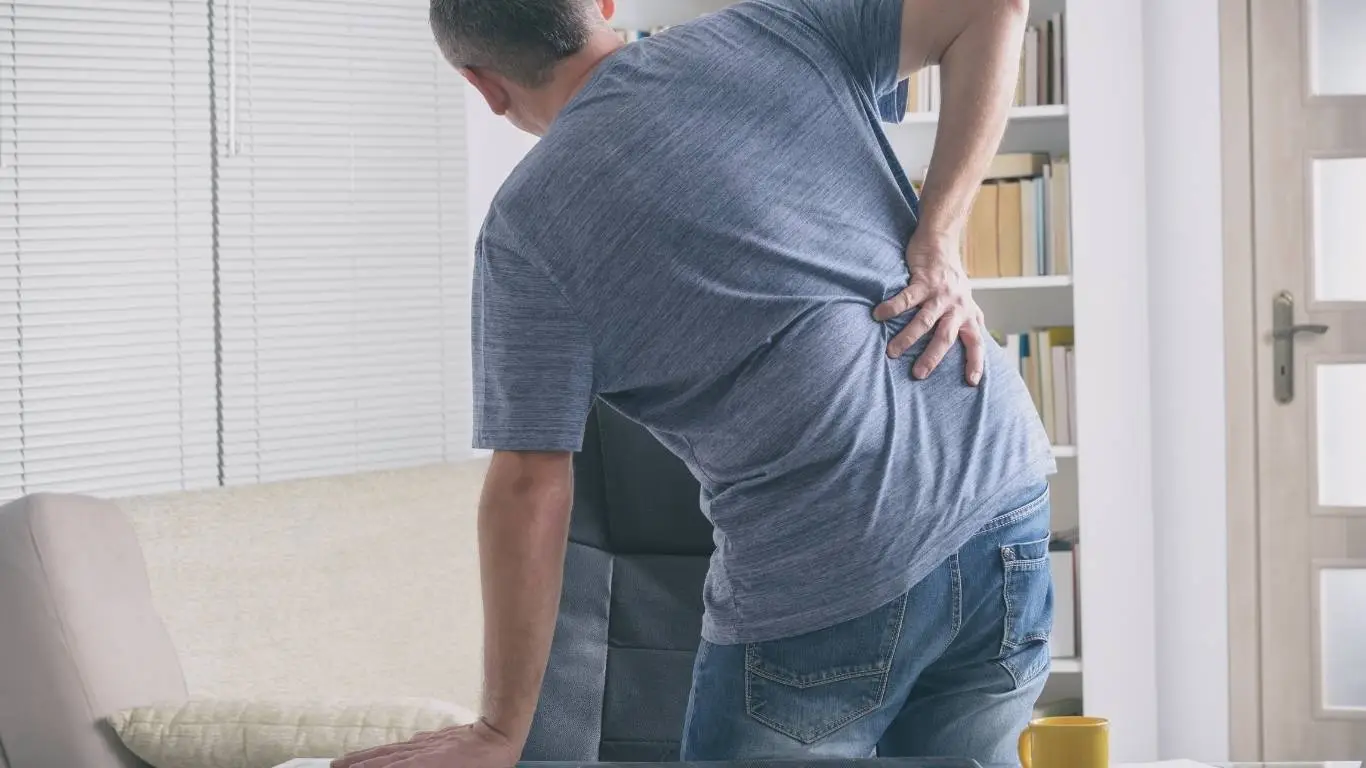
One of the sneakiest effects of leg length issues is the slow breakdown of your walking mechanics. I didn’t even notice I had a limp until someone pointed it out in a video. That uneven gait throws everything off over time—especially your spine and hips.
Improving Gait Awareness
Once my alignment started balancing out, I had to re-learn how to walk without compensating. That meant:
- Walking slower and more consciously
- Using mirrors or gait feedback apps
- Practicing heel-to-toe strides evenly
I even had to modify how I stood at my desk and how I slept. Small tweaks, but they made a big difference.
Workstation and Sitting Habits
Spending hours sitting unevenly with one leg tucked under me was a silent back destroyer. I made the switch to a standing desk, added lumbar support, and became very intentional about switching positions throughout the day.
If you’re someone who sits a lot or drives long distances, even your car seat could be throwing off your alignment. I used this guide on back-friendly car ergonomics and it genuinely changed my commute experience.
When a Shoe Lift Isn’t Enough: Exploring Advanced Solutions

In more severe cases, especially with a structural difference over 2 cm, doctors might consider more invasive options. Luckily, most people never need them, but it’s worth knowing:
- Epiphysiodesis (for growing teens with leg length discrepancy)
- Limb lengthening surgery for traumatic injuries or severe imbalances
- Spinal fusion in cases where misalignment leads to extreme disc issues – here’s a helpful spinal fusion recovery guide
These aren’t common for most mild to moderate discrepancies, but if conservative options don’t work, your provider might recommend imaging like MRI or CT scans—see how MRI can change everything.
Everyday Things That Make LLD-Related Back Pain Worse

Some small habits I didn’t realize were making my back pain worse until I became hyper-aware:
- Wearing unsupportive shoes or sandals without orthotic inserts
- Sitting cross-legged all day (this tilted my pelvis)
- Sleeping with my hips twisted or one leg curled under
- Lifting unevenly – always leading with one leg or side
Even bad footwear choices were secretly setting me back. Fixing those helped reinforce the improvements I got from treatment.
The Mental and Emotional Side of the Journey
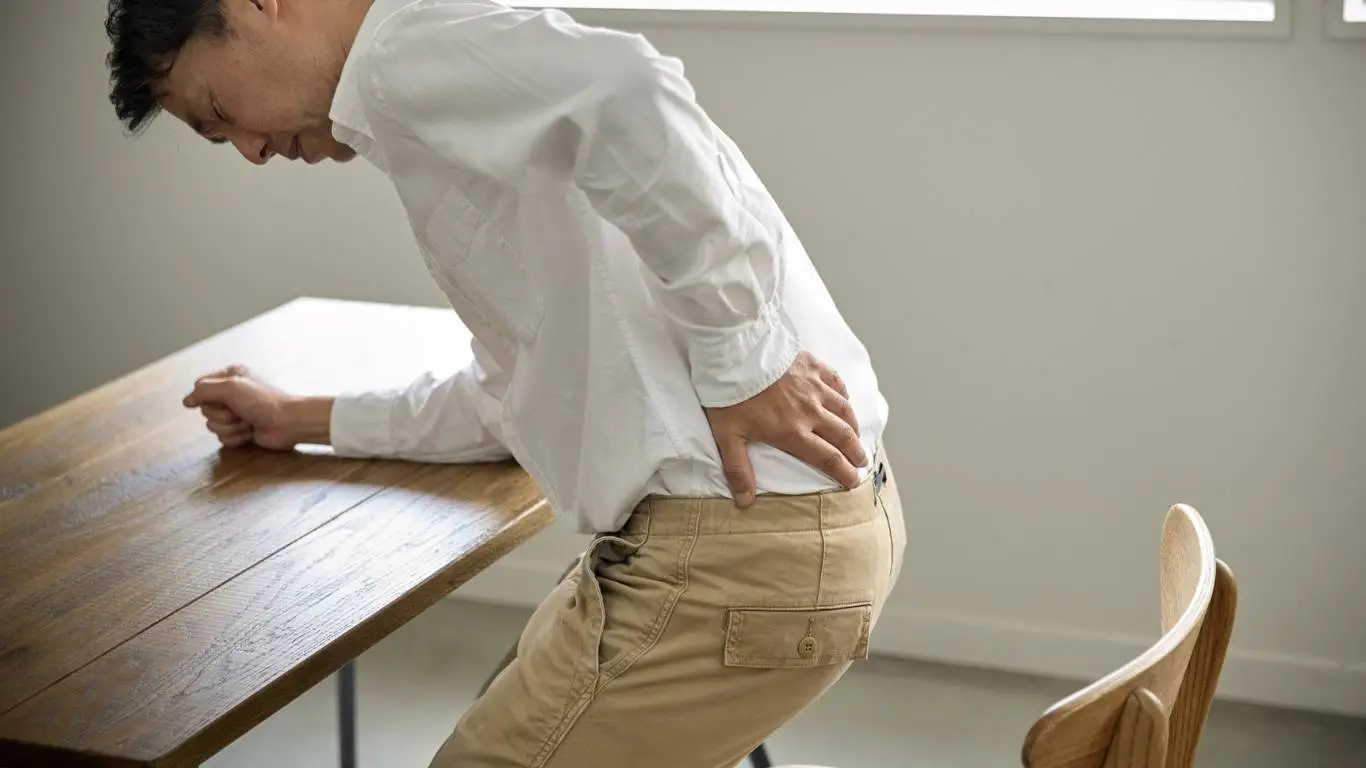
Living with long-term, confusing back pain takes a toll mentally. I felt frustrated and a little hopeless when nothing seemed to work. The most powerful shift? Realizing the pain wasn’t “in my head”—but it was being amplified by stress and tension.
Practices like mindfulness and meditation helped me quiet the overactive pain signals. I also leaned into cognitive behavioral therapy to retrain my brain’s response to pain.
Honestly, that combo of physical rehab and mental tools is what gave me the biggest breakthrough. I could move better, sleep better, and just enjoy my life again—without constantly thinking about my back.
Where to Go From Here

If you’re reading this and something resonates—maybe you’ve had mystery back pain for years, or one pant leg always feels longer—don’t brush it off. Get it checked. You might be surprised at how simple the fix can be once you know what’s really going on.
To better understand how postural shifts, spinal anatomy, and daily life all contribute to pain, check out this in-depth guide on exercise, rehab, and ergonomic strategies. And don’t miss the central article on back pain causes and recovery for a full-body view of what’s going on under the surface.

Camellia Wulansari is a dedicated Medical Assistant at a local clinic and a passionate health writer at Healthusias.com. With years of hands-on experience in patient care and a deep interest in preventive medicine, she bridges the gap between clinical knowledge and accessible health information. Camellia specializes in writing about digestive health, chronic conditions like GERD and hypertension, respiratory issues, and autoimmune diseases, aiming to empower readers with practical, easy-to-understand insights. When she’s not assisting patients or writing, you’ll find her enjoying quiet mornings with coffee and a medical journal in hand—or jamming to her favorite metal band, Lamb of God.