Best Lordosis Back Pain Relief That Actually Works
If you’ve ever caught your reflection and noticed that exaggerated inward curve in your lower back—yep, that’s lordosis. For years, I thought it was just part of my posture quirks. Turns out, it was the silent culprit behind my nagging lower back pain that flared up after long drives or hours behind a desk. If this sounds like your everyday reality, you’re not alone—and more importantly, you’re not stuck with it. Let’s talk about how to actually find relief from lordosis-related back pain without feeling like you’re just managing it forever.
What Is Lordosis and Why It Hurts
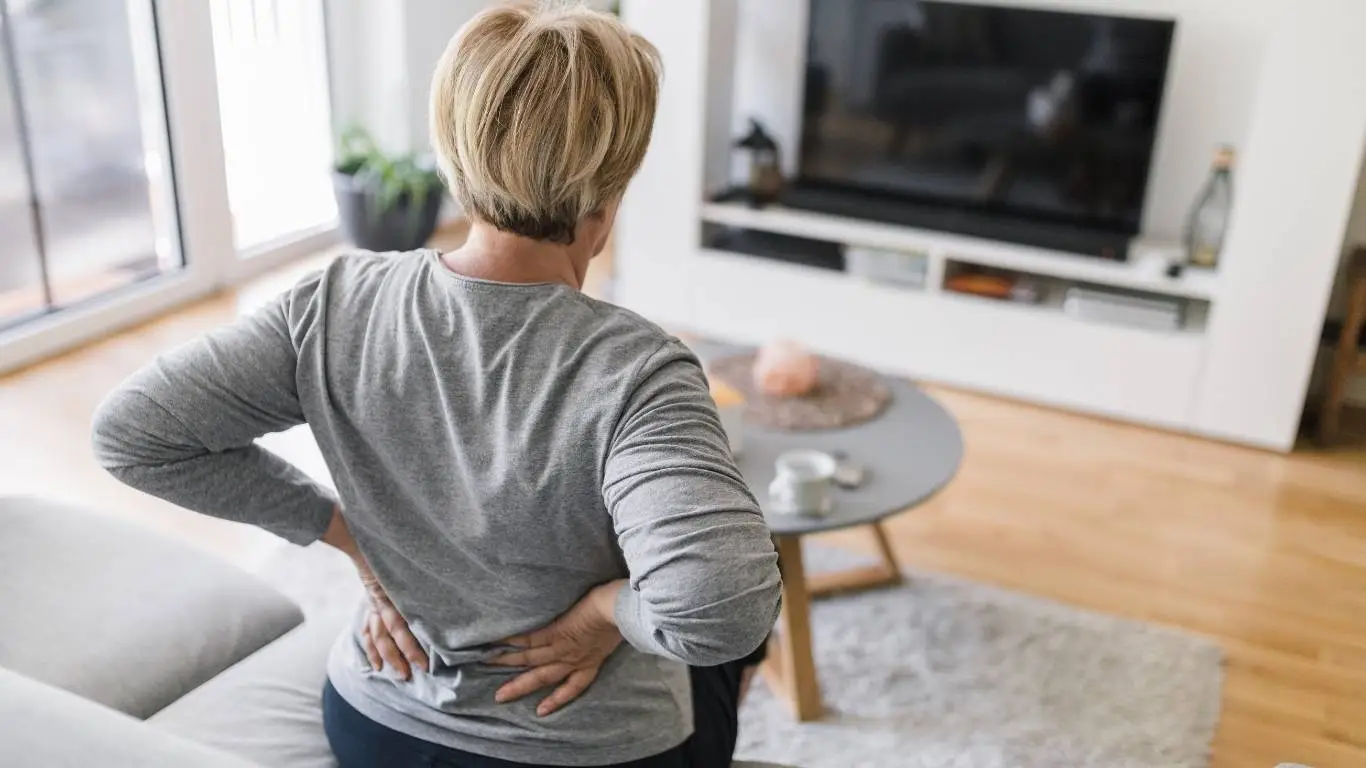
Lordosis, sometimes casually referred to as “swayback,” is the medical term for an excessive inward curve of the lumbar spine. While some degree of curvature is normal, an exaggerated arc can put intense pressure on the spine, muscles, and even your hips. I used to dismiss it as “bad posture,” until my physical therapist explained that imbalances in my core strength and pelvic alignment were adding years of strain to my back.
Here’s what’s happening beneath the surface:
- Muscle Imbalances – Weak glutes and tight hip flexors often go hand-in-hand with lordosis.
- Pelvic Tilt – An anterior pelvic tilt increases spinal curvature and compresses the lower back.
- Spinal Stress – The curve places more force on the vertebrae and discs over time.
One overlooked issue? Muscle imbalances causing back pain aren’t just about soreness—they shift your entire posture. And that shift can trigger or worsen lordosis.
How to Tell If Lordosis Is Behind Your Back Pain
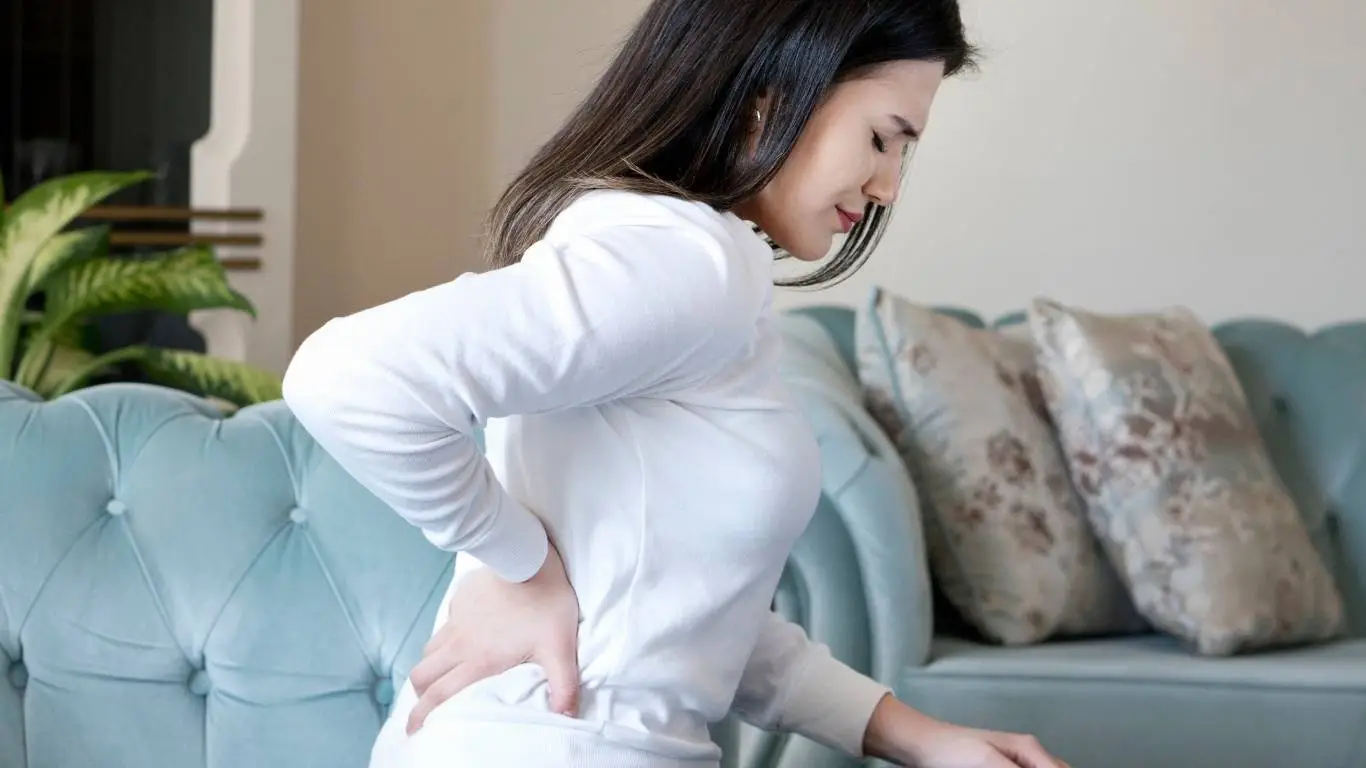
I always assumed my discomfort was just stress or a stiff mattress. But after years of trial and error, some dead giveaways pointed directly at lordosis:
- Persistent lower back tightness, especially after standing long periods
- Pelvis that tilts forward noticeably
- Feeling like your stomach sticks out, even with a flat core
- Lower back pain that worsens with prolonged sitting or arching
If you’ve ticked off a couple of those, your spine might be doing more arching than it should. It’s worth checking out this guide on why acute vs chronic back pain distinctions matter.
Effective Stretches That Actually Work

I used to think stretching was optional. Big mistake. If you’ve got lordosis, targeted stretches can literally change how your spine aligns. Here are some of the most effective ones I’ve incorporated into my daily routine:
- Hip Flexor Stretch – These muscles get painfully tight with lordosis. Stretch them daily to ease the curve.
- Child’s Pose – Relieves lower back tension and promotes spinal elongation.
- Hamstring Stretch – Tight hamstrings pull the pelvis down, increasing the spinal curve.
Full routine tips? Check out the expert guide on stretches for back pain that are designed to relieve tension and actually stick.
Strengthening Exercises for Long-Term Relief
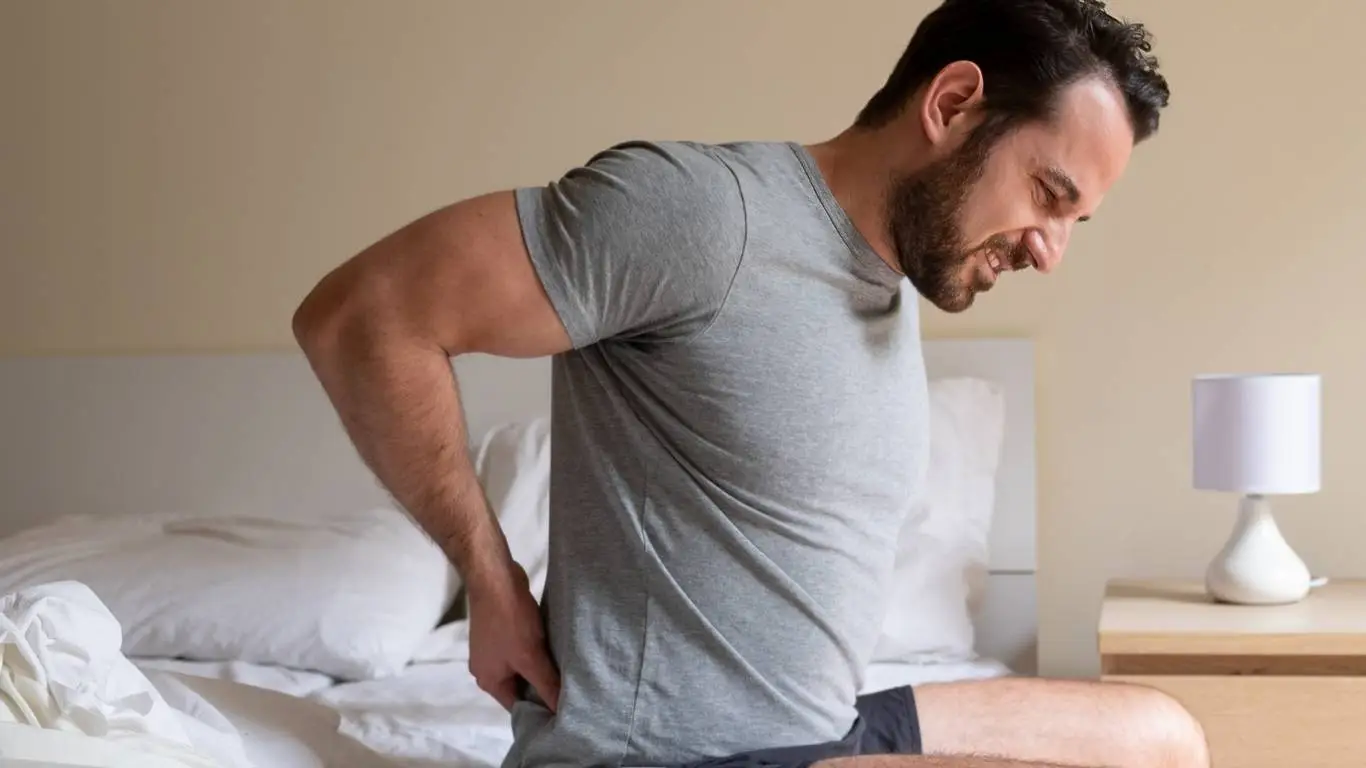
Let me be real: I used to skip strength training for fear of making things worse. Turns out, strengthening the right areas is exactly what helps stabilize the spine and bring that exaggerated curve under control. The key is activating:
- Glutes – Glute bridges are your best friend. I do them almost daily.
- Abdominals – Not crunches—think planks and dead bugs for deep core activation.
- Hamstrings – Romanian deadlifts helped me develop posterior chain balance.
If you’re hesitant about exercises due to pain, I highly recommend reviewing safe strength options that are gentle on the back.
Everyday Adjustments That Make a Big Difference
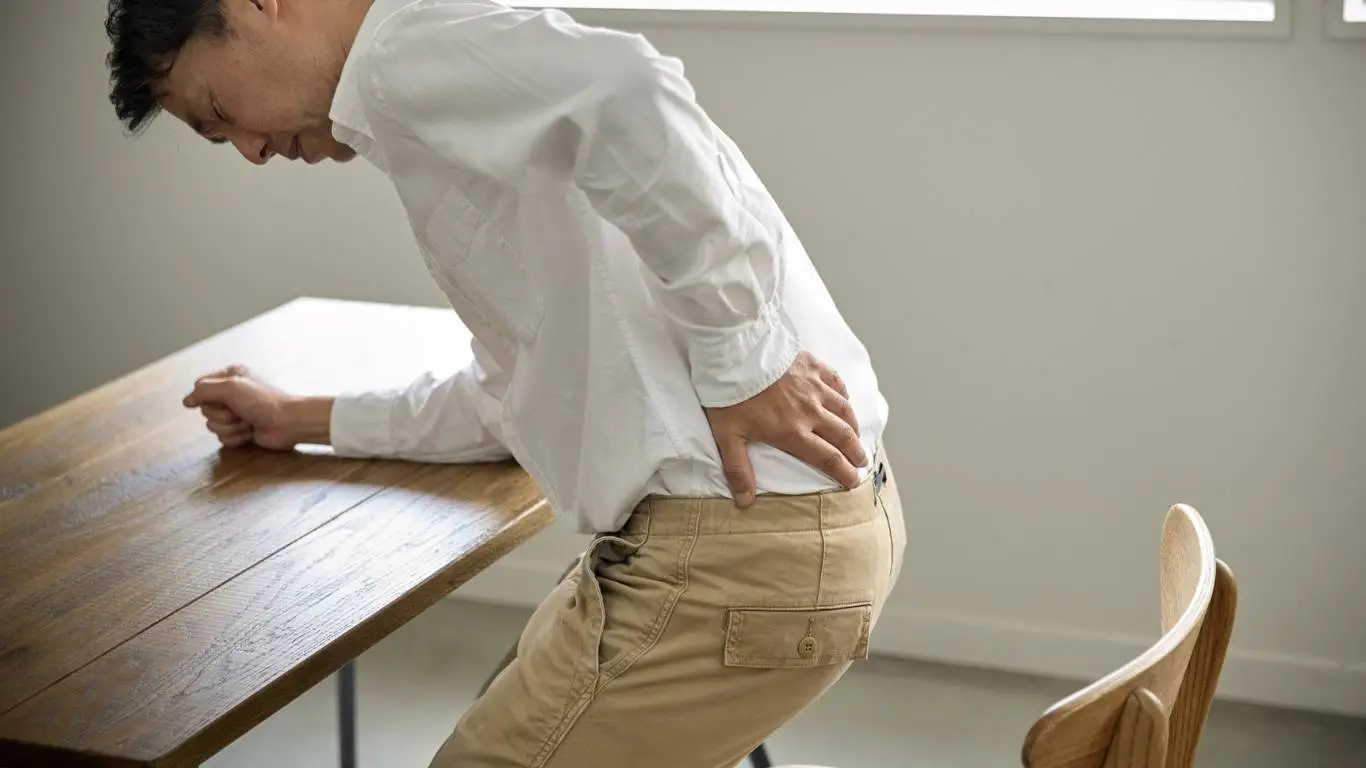
Little changes saved me from big pain. Once I realized how much my daily habits were reinforcing my bad posture, I made some strategic swaps:
- Switched to a standing desk to reduce lower back compression
- Used lumbar support cushions while driving and working
- Stopped wearing flat shoes with zero arch support
Those tweaks may seem minor, but they add up. Curious how to optimize your setup? I leaned a lot from this breakdown of ergonomic office chairs that made sitting feel less like a punishment.
When to Seek Professional Help
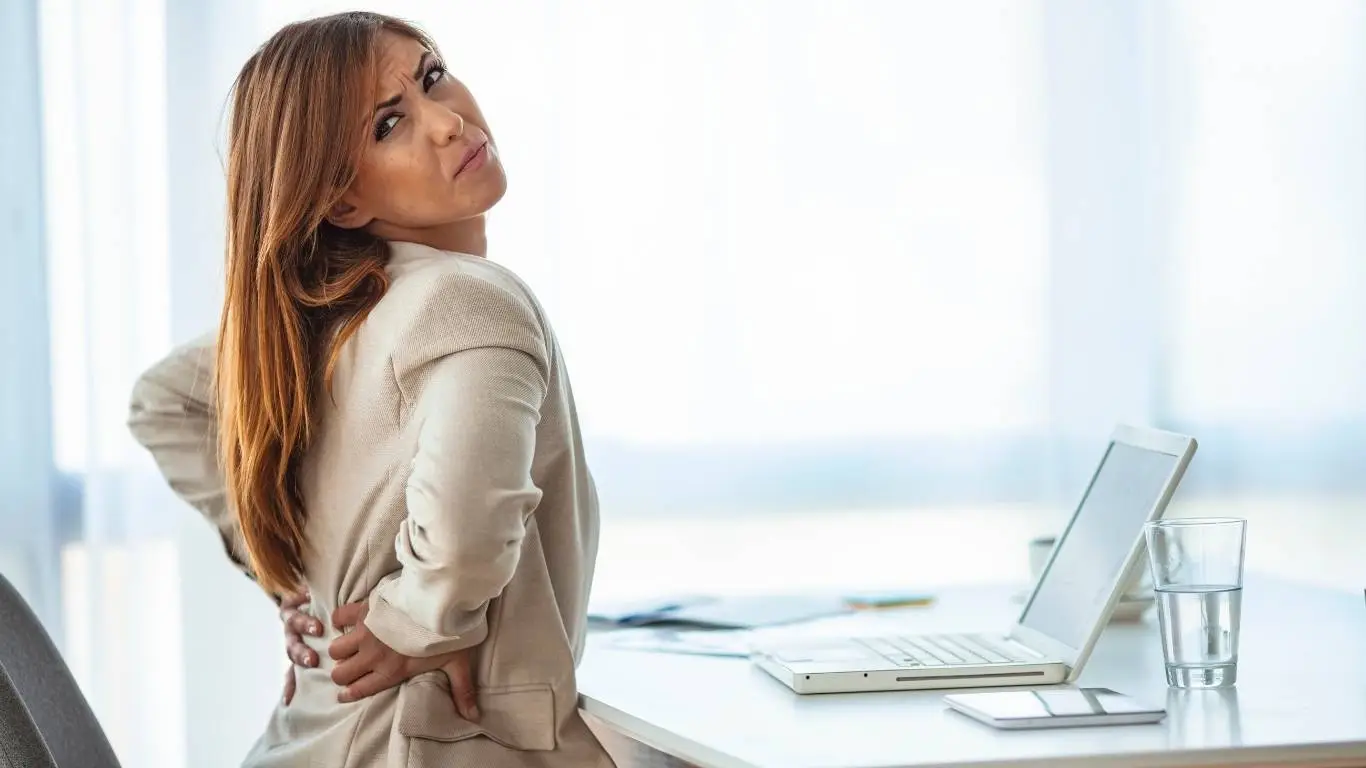
Look, I’m all for doing what you can at home, but there came a point when stretching and posture hacks just weren’t cutting it. That’s when I consulted a physical therapist who identified weaknesses I didn’t even realize I had. Here’s when to stop DIY’ing and get help:
- Consistent pain for more than 6 weeks
- Difficulty walking, standing, or sleeping
- Sharp or shooting pain down the legs
Early intervention can save you from years of discomfort. And if you’re wondering why some pains seem stubborn, the Back Pain Special Populations guide dives into complex cases like scoliosis, obesity, or pregnancy, which often overlap with lordosis.
Also, the main guide on back pain management breaks down different relief strategies based on cause and severity. It’s a must-read if you’re looking to understand your options fully.
And for a solid overview on how lordosis connects to your back’s anatomy, I found this types and anatomy page incredibly eye-opening.
Alternative Therapies That Surprised Me

Honestly, I was skeptical about anything outside the usual PT and gym routine. But after plateauing for months, I gave some alternative approaches a shot—and I was blown away. Not everything worked, but some things really shifted the needle.
- Acupuncture – Helped reduce muscle tightness and pain flares, especially after long workweeks. Full breakdown on its effectiveness here.
- Osteopathic manipulation – Not the same as chiropractic. It focused more on muscle release and functional movement. Worked wonders for stubborn pelvic tilt.
- Cupping therapy – Weird looking, yes. But it broke up fascial tension like nothing else.
I didn’t toss out my stretching or core routine—these just became powerful add-ons. And it turns out, nccih.nih.gov has plenty of research backing some of these treatments.
Fixing Posture Without Becoming a Robot

If you’ve ever tried to “stand up straight” all day, you know how miserable that gets. Fixing posture isn’t about rigidity—it’s about training your body to naturally realign over time. That was a game-changer for me. Here’s what helped most:
- Wall angels – Great for building back strength and awareness.
- Posture reminders – I set hourly alerts to check my stance. Subtle but powerful.
- Dynamic sitting – Swapping chairs for stability balls occasionally kept my core engaged without extra effort.
Curious how bad posture can lead to chronic issues like lordosis? The article on posture’s impact on pain explains the science really clearly.
The Foot-Spine Connection Most People Miss

One of the most unexpected fixes? My shoes. I had no idea my collapsed arches were throwing my entire body alignment off. The foot-spine connection isn’t just a theory—it’s biomechanics. I switched to structured shoes with arch support and saw major improvements in just weeks.
Read up on how flat feet can trigger back pain. That article completely reframed how I look at footwear—and my back pain finally started letting up.
For anyone curious about orthotics or supportive gear, the deep dive into back braces and when to use them is incredibly helpful. It’s not about gimmicks—it’s about function.
The Role of Inflammation (And What You Can Eat About It)

I was hesitant to believe that diet could influence back pain. But once I started cutting back processed foods and adding anti-inflammatory staples, my flare-ups became far less intense. It’s not magic—it’s just chemistry. Chronic inflammation can worsen sensitivity and prolong recovery.
Here’s what helped me most:
- Omega-3-rich foods (like salmon and flaxseeds)
- Turmeric with black pepper (daily in smoothies)
- Plenty of leafy greens and berries
There’s a lot of buzz out there, but this guide on anti-inflammatory diets breaks it down in a realistic, science-based way. Also worth checking: arthritis.org for credible insights on inflammation and spinal health.
Mind Over Spine: The Mental Side of Back Pain

There was a period where I did all the right things—exercised, stretched, ate clean—and still had pain. That’s when I learned that chronic pain changes your brain. And if you’re not dealing with the emotional and mental component, your nervous system stays on high alert. Mindfulness and cognitive work helped me more than I expected.
- Mindfulness meditation – Calmed my nervous system and improved pain tolerance.
- Cognitive Behavioral Therapy (CBT) – Helped me stop catastrophizing flare-ups.
- Breathing exercises – Grounded me when pain spiked unexpectedly.
Read more about why mindfulness changes everything for chronic pain, especially when it comes to something long-term like lordosis-related discomfort.
Sleep Smarter for Spinal Health
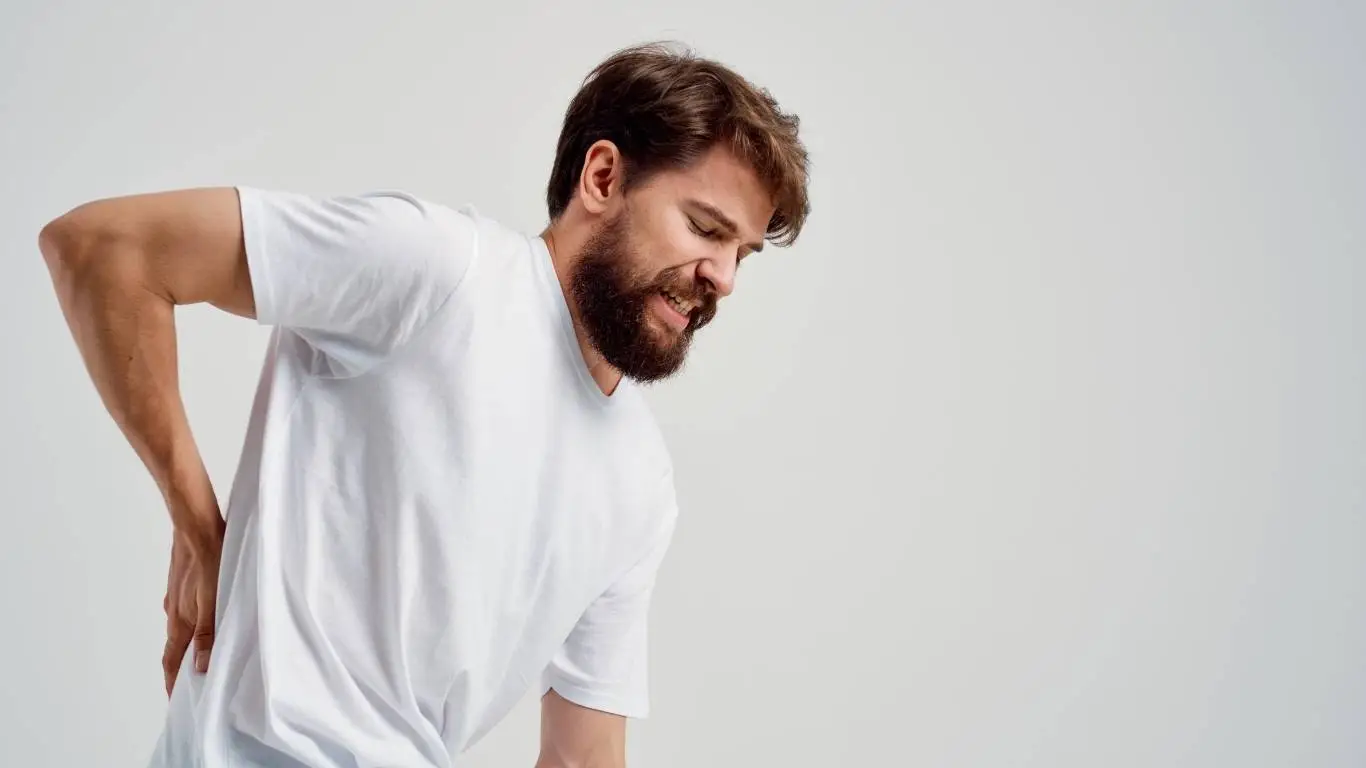
Getting good sleep with a hyper-curved spine is tough. I used to wake up stiff and sore, wondering what I did wrong. Turns out, your mattress and sleep position could be undoing all your daytime progress.
- Back sleepers: Place a pillow under knees to flatten lumbar curve.
- Side sleepers: Use a pillow between knees to keep hips aligned.
- Avoid stomach sleeping – It hyperextends the spine even further.
If you’re not sure where to start, this list of the best sleeping positions is gold. I also invested in one of the top-rated mattresses for back pain and immediately noticed better mornings.
Staying Pain-Free: Building Long-Term Habits
The biggest lesson I’ve learned? Lordosis-related back pain doesn’t go away overnight—but you can absolutely build a life where it doesn’t control you. Once I got consistent with stretching, strengthening, good sleep, and posture habits, my pain went from daily to rare. I even started hiking again, which I never thought I’d do comfortably.
Want to prevent relapses? Start here: Back pain prevention tips that work. They’re practical, realistic, and easy to fit into daily routines.
For a broader view of how movement, rehab, and ergonomics all play into long-term recovery, the exercise and ergonomics guide ties it all together beautifully. And don’t miss the main back pain hub for comprehensive strategies backed by medical insight and real-world experience.

Camellia Wulansari is a dedicated Medical Assistant at a local clinic and a passionate health writer at Healthusias.com. With years of hands-on experience in patient care and a deep interest in preventive medicine, she bridges the gap between clinical knowledge and accessible health information. Camellia specializes in writing about digestive health, chronic conditions like GERD and hypertension, respiratory issues, and autoimmune diseases, aiming to empower readers with practical, easy-to-understand insights. When she’s not assisting patients or writing, you’ll find her enjoying quiet mornings with coffee and a medical journal in hand—or jamming to her favorite metal band, Lamb of God.