How Scoliosis Can Worsen Lower Back Pain and Limit Your Life
Lower back pain can hit you out of nowhere. I remember waking up one morning after a long week of desk work and feeling like someone had twisted a wrench in my spine. After months of stretching, heating pads, and even switching chairs three times, nothing seemed to help. It wasn’t until I finally visited a spine specialist that the word “scoliosis” even entered the conversation. That twist in the spine? It wasn’t just poor posture — it was a curvature that had been quietly wrecking my lower back for years.
Understanding the Connection Between Scoliosis and Lower Back Pain

Let’s break it down simply: scoliosis is when your spine curves sideways. But that doesn’t quite do justice to what it does to your body. That curve changes how your muscles, joints, and discs work together. It shifts your center of gravity, throws off your balance, and forces the lower back to carry weight in ways it was never designed for.
For adults, especially those with degenerative or adult-onset scoliosis, that lower back pain is often a direct result of spinal imbalance. The stress builds slowly until one day you find yourself unable to stand or sit without discomfort.
Why the Lower Back Suffers Most
The lumbar spine is built to absorb shock and support the weight of your upper body. But when scoliosis curves the spine, the pressure shifts unevenly. One side of your lower back may end up working overtime, leading to:
- Muscle fatigue and spasms
- Inflammation around the joints
- Disc degeneration from unbalanced load
- Pinched nerves that shoot pain down your leg (hello, sciatica!)
It’s not just the pain — it’s the posture. Scoliosis messes with your natural curve, flattening or exaggerating it. Over time, that distortion leads to chronic strain, especially if you’re already dealing with a herniated disc or lumbar radiculopathy.
Living with Scoliosis and Lower Back Pain

If you’ve got scoliosis, your lower back doesn’t get a break — literally. Daily tasks like standing at the stove, doing laundry, or even brushing your teeth can trigger pain. I’ve had days where bending forward to tie my shoes felt like someone jammed a screwdriver into my spine.
Signs You Shouldn’t Ignore
Don’t wait for the pain to get unbearable. Watch out for these red flags that your scoliosis is flaring up your lower back:
- Pain that worsens when standing or walking
- Uneven hips or shoulders causing a visible lean
- One side of your lower back feeling tighter than the other
- Stiffness in the morning that takes hours to fade
If you’re also noticing morning stiffness or recurring discomfort after activity, scoliosis might be making things worse than they need to be.
Everyday Triggers That Amplify Pain
From my experience, these are the culprits that sneakily worsen pain when you have scoliosis:
- Poor posture – especially if you work long hours at a desk
- Lifting heavy objects – even groceries can trigger a flare-up
- Standing on one leg while doing chores (guilty!)
- Soft mattresses that don’t support spinal alignment
And let’s not even start on what prolonged sitting does. It compresses discs and further strains an already imbalanced structure.
Managing Scoliosis-Related Lower Back Pain Naturally
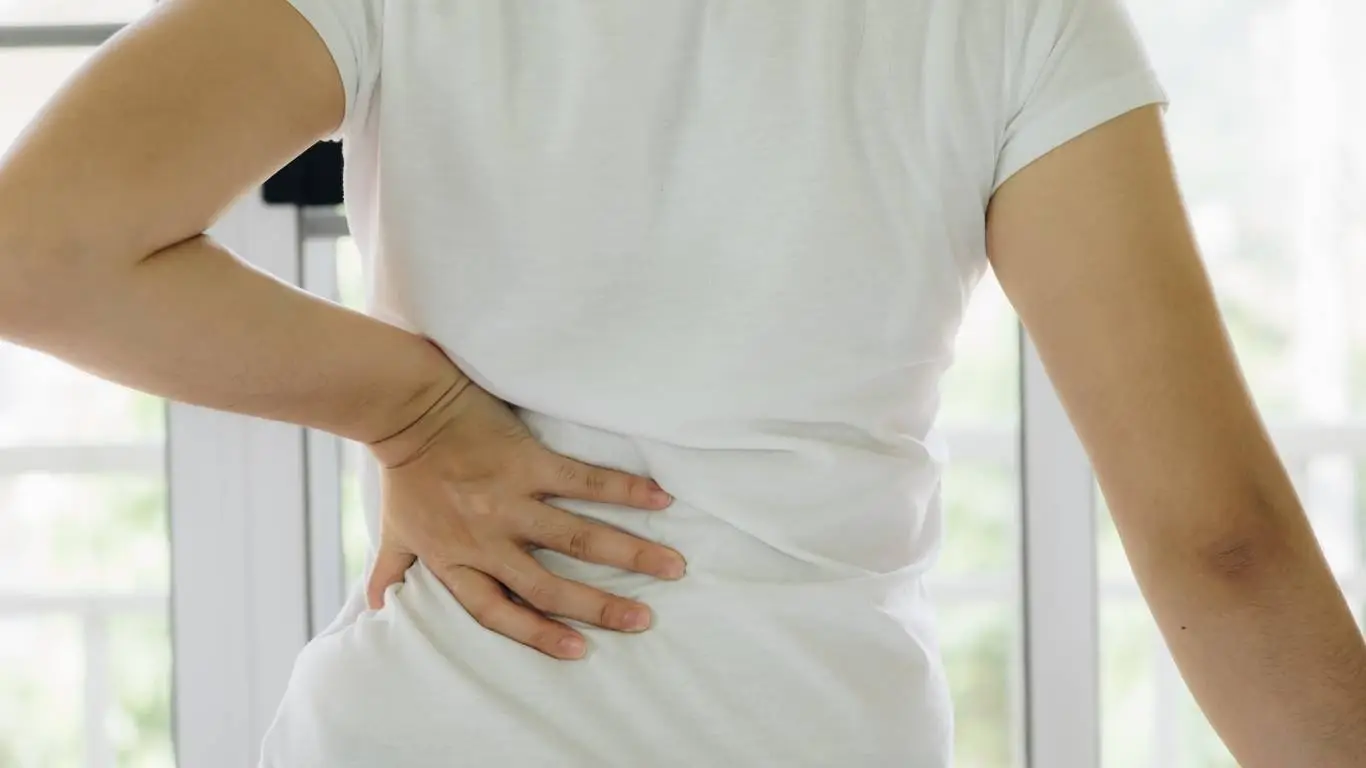
Managing the pain isn’t just about pills or injections. It’s about understanding how scoliosis affects your entire spine and making adjustments that actually support your body.
Stretching and Strengthening — Your Daily Allies
A few simple routines made a huge difference for me. Gentle stretches, core work, and improving hip mobility were game-changers. Specifically:
- Child’s Pose and Cat-Cow stretches to release lumbar tension
- Pelvic tilts to stabilize the base of the spine
- Core strengthening to reduce uneven load on the lower back
If you’re looking for a natural approach, start with targeted yoga for scoliosis and back-friendly stretching routines.
Don’t Overlook Ergonomics
I used to brush this off — until I realized my home office setup was basically a torture chamber. I now swear by:
- An ergonomic chair with solid lumbar support
- A firm mattress and better sleep posture
- Regular movement breaks — even if it’s just walking around the room
These aren’t just minor tweaks — they’ve helped keep my pain from spiraling. And the evidence backs it up: even clinical studies emphasize the role of posture and activity in scoliosis management.
When to Seek Specialized Care
If lifestyle changes and stretches aren’t enough, don’t wait. Visit a spine specialist or physiotherapist. They can determine whether you need imaging or if scoliosis has progressed to a point where other interventions — like injections or minimally invasive surgery — are needed.
Also, be sure to check out this detailed guide on spinal types and anatomy to better understand how structural issues like scoliosis evolve — and how they’re treated over time. And if you’re looking for a full breakdown of back pain from every angle, the main back pain hub pulls everything together in one place.
Therapies and Treatments That Truly Make a Difference
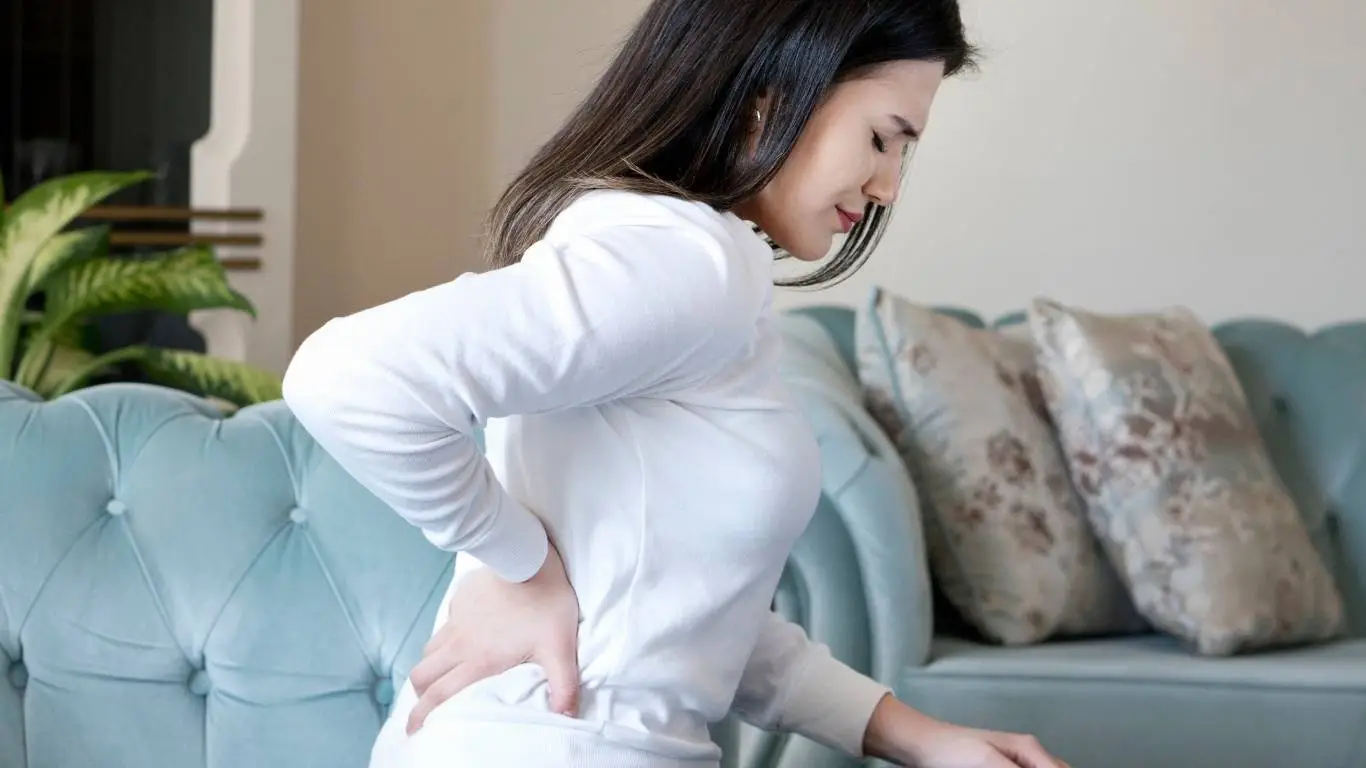
Here’s the thing about managing scoliosis-related lower back pain — it’s not about one miracle fix. It’s about layering approaches that work with your body, not against it. From my own trial and error (and there were many), I’ve learned that combining conservative and complementary therapies gives the best long-term relief.
Physical Therapy: The Frontline Solution
Working with a physical therapist trained in scoliosis was one of the best moves I made. They didn’t just toss a few stretches my way — they evaluated my spine’s curve, gait, and muscle imbalances. My sessions focused on:
- Strengthening weak muscles around the curve
- Releasing tension in overcompensating areas
- Improving core endurance to better stabilize the lumbar spine
They also taught me how to move smarter during daily tasks — whether lifting a box or unloading the dishwasher. That alone made a huge difference in flare-ups.
Chiropractic & Manual Therapies: Relief When You Need It
While scoliosis is structural, manual therapy can ease the functional strain it causes. Some swear by chiropractic adjustments — and when done properly by someone experienced with scoliosis cases, it can feel like someone hit the reset button on your lower back.
I personally found relief through a mix of:
- Osteopathic manipulation for muscle and joint balance
- Therapeutic massage to reduce tension and pain triggers
- Acupuncture to calm nerve irritation and inflammation
None of these were standalone cures — but together, they supported my spine in a way that finally allowed me to get through the day without relying on pain meds.
Advanced Interventions for Severe Pain
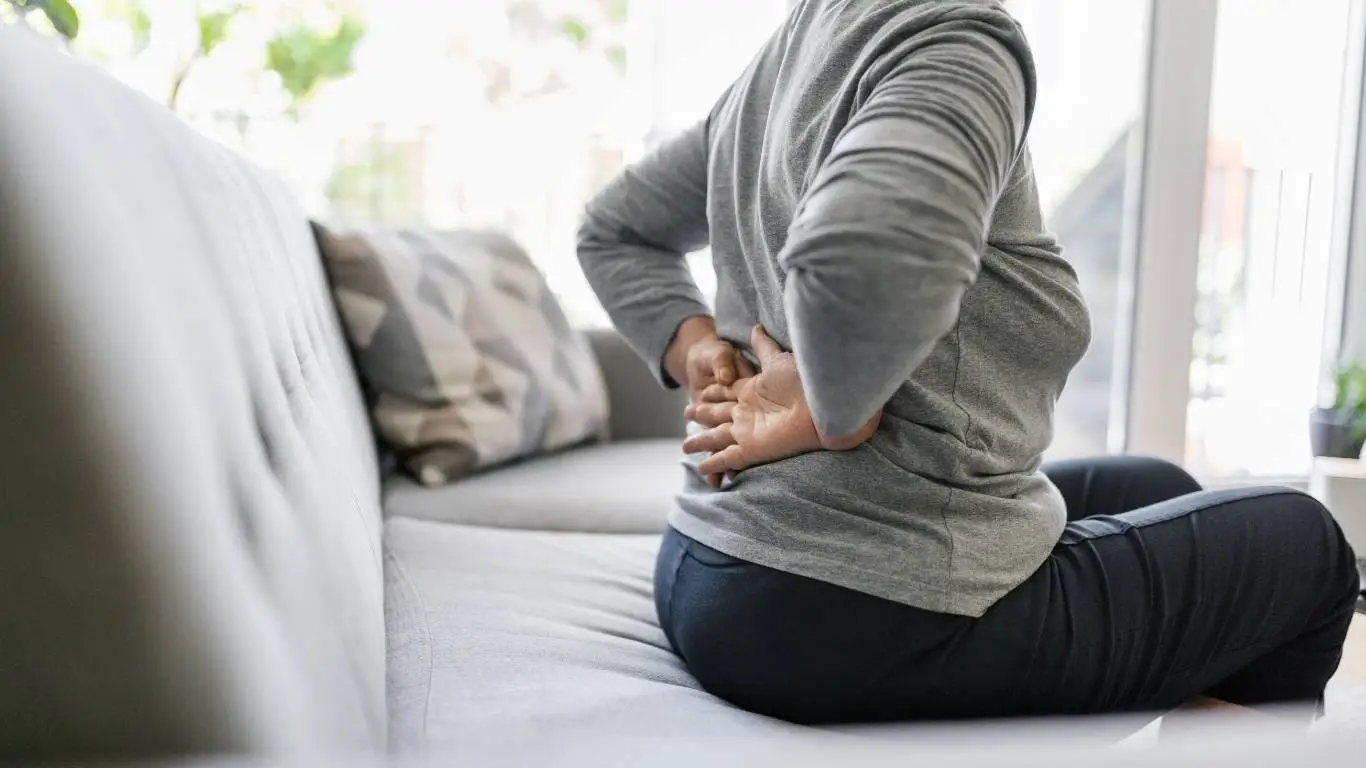
For some people, conservative treatments just don’t cut it. If your scoliosis has caused progressive disc degeneration, nerve impingement, or spinal instability, more targeted medical options may be necessary.
When Injections Make Sense
Epidural steroid injections can provide relief by reducing inflammation near the nerves. I resisted them for a long time, but when I hit a wall and couldn’t walk without pain, one injection gave me a solid three months of improved mobility.
Other injection options include:
- Radiofrequency ablation for nerve pain
- Spinal cord stimulators for chronic nerve-based pain
But these are usually last-resort tools — not first steps.
Surgical Considerations
If scoliosis is severe enough to compromise nerve function or cause structural instability, surgery might be on the table. Options like microdiscectomy or spinal fusion are often recommended in extreme cases.
It’s a big decision — one that should involve detailed imaging, second opinions, and a thorough understanding of what recovery looks like. The upside? For some, it’s the difference between surviving pain and actually living again.
Mind-Body Connection: The Often Ignored Key
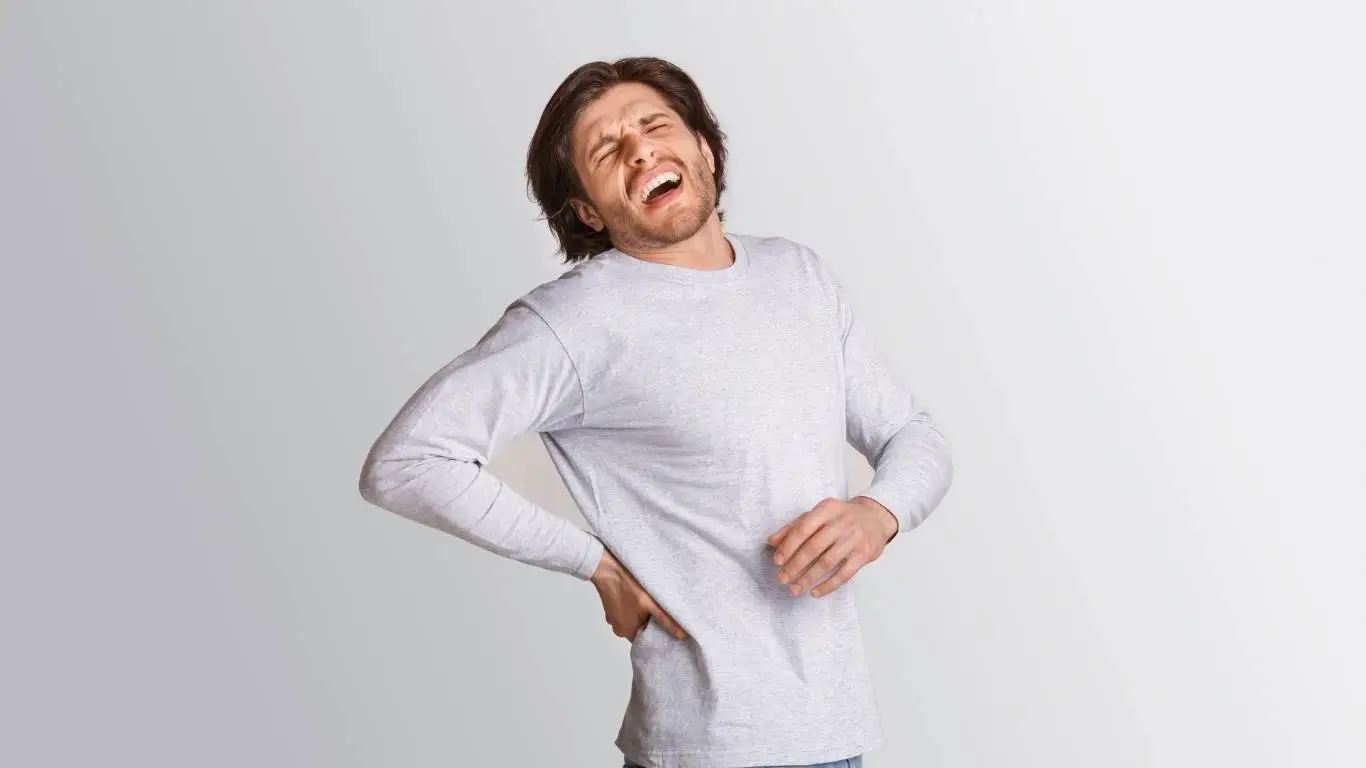
One of the most overlooked pieces in the scoliosis-pain puzzle is the emotional toll. Chronic lower back pain wears on you. It’s frustrating, isolating, and — if left unchecked — it can snowball into stress, anxiety, and even depression.
That’s why I started incorporating mindfulness and meditation. It didn’t erase the curve in my spine, but it did change how I handled the pain. I also leaned into cognitive behavioral therapy, which helped me break the cycle of pain-fear-avoidance that kept making things worse.
And no, it’s not just “woo-woo” — leading institutions like Mayo Clinic and Cleveland Clinic back these techniques for chronic pain management.
The Lifestyle Habits That Make (or Break) Your Back
Lower back pain from scoliosis is about more than your spine — it’s also about the daily choices that either support or sabotage your body. Here’s what’s helped me stay on track:
- Staying active with low-impact exercises like swimming
- Eating an anti-inflammatory diet (turmeric and omega-3s actually help!)
- Maintaining a healthy weight to reduce spinal pressure
- Using lumbar support braces only when needed (too much can weaken muscles)
It’s about being consistent, not perfect. You won’t always get it right — and that’s okay. What matters is that you stay curious, keep learning, and keep adjusting.
You’re Not Alone in This Journey

One thing I wish someone had told me earlier? You’re not broken — your spine just has a different story to tell. And that story doesn’t have to end in chronic pain.
With the right mix of care, movement, and mindset, living well with scoliosis is 100% possible. You might still have good and bad days (I do), but those days no longer define your life.
If you’re still exploring your options or just starting to understand your scoliosis, take a deeper dive into the symptoms and diagnosis of back pain section to help you spot patterns early. For a full-circle view, don’t miss the comprehensive main back pain guide — it’s packed with resources to guide your journey forward.

Camellia Wulansari is a dedicated Medical Assistant at a local clinic and a passionate health writer at Healthusias.com. With years of hands-on experience in patient care and a deep interest in preventive medicine, she bridges the gap between clinical knowledge and accessible health information. Camellia specializes in writing about digestive health, chronic conditions like GERD and hypertension, respiratory issues, and autoimmune diseases, aiming to empower readers with practical, easy-to-understand insights. When she’s not assisting patients or writing, you’ll find her enjoying quiet mornings with coffee and a medical journal in hand—or jamming to her favorite metal band, Lamb of God.