Why Floaters Become Visible After Meditation or Silence
It started during one of my morning meditations. The house was quiet, the sunlight streamed gently through the curtains, and just as I settled into stillness—there they were. Little floaty specs dancing across my vision like ghostly wisps of dust. If you’ve ever experienced floaters suddenly becoming visible after meditation or silence, trust me, you’re not alone. It’s unsettling, especially when your goal is clarity and calm—but your eyes seem to throw in a distraction. So, what’s really going on?
Why Floaters Seem More Noticeable in Silence or Meditation
Let’s get one thing out of the way—those squiggly shadows or transparent threads are usually nothing dangerous. They’re medically known as vitreous floaters, and they’re pretty common. But during meditation or moments of silence, they seem to come out in full force. Why?
Your Brain Is Hyper-Aware in Stillness
When everything is quiet, your senses dial up their awareness. The brain isn’t distracted by sounds or movement, so subtle visual phenomena like floaters get VIP attention. In everyday hustle, your eyes and brain are too busy processing everything else. But in silence? Your floaters take center stage.
Lighting Plays a Huge Role
Ever notice how floaters seem to pop more in bright settings—especially with white walls or when facing a sunlit window? During meditation, especially if you’re sitting in front of light or under soft natural brightness, your floaters contrast more against the background. That optical trick makes them far more visible than usual.
The Vitreous Humor Is Just Doing Its Thing
Inside your eye is a gel-like substance called the vitreous humor. With age or eye strain, it starts to liquefy and pull away from the retina, causing floaters. If you’re over 30, chances are the process has already begun. It’s completely normal but more pronounced as we get older.
Is It a Problem? When to Pay Attention
Okay, so seeing floaters during meditation isn’t necessarily dangerous. But let’s not ignore them completely either. Certain symptoms can be warning signs of something more serious.
- Sudden shower of new floaters
- Floaters accompanied by light flashes
- Loss of peripheral vision
These could indicate retinal issues like a tear or detachment. In those cases, you’ll want to check out this resource on floaters before retinal tears.
If Meditation Is Causing Anxiety Because of Floaters
I’ve been there. The calm is disrupted by tiny shapes swimming through your vision, and suddenly you’re more stressed than before you sat down. But rest assured, most of the time, it’s just your brain adjusting to silence. Still, if floaters are affecting your peace of mind, it’s totally valid to address the stress behind them.
Could Meditation Actually Cause Floaters?
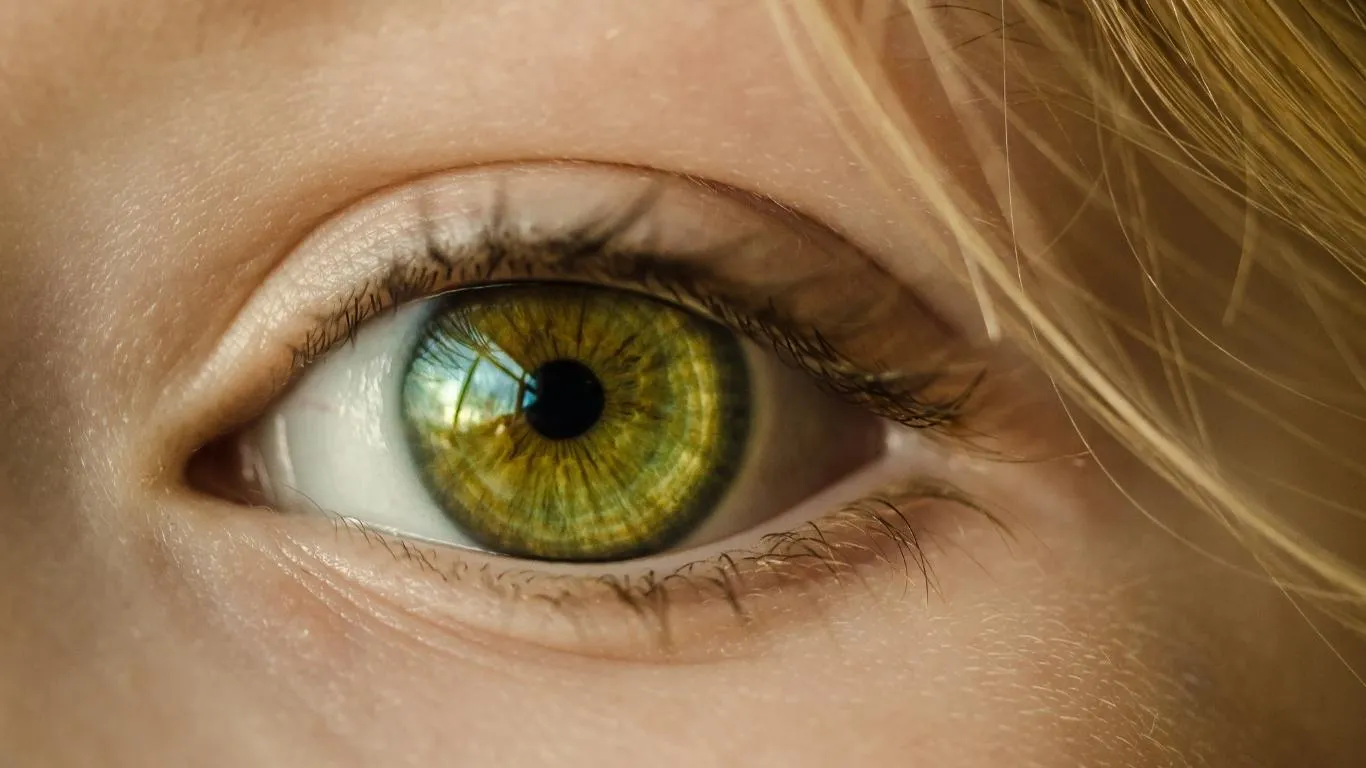
Short answer: not likely. But it might reveal them. Floaters that were always there just weren’t as noticeable before. Meditation, especially when practiced in brightly lit rooms with eyes open or semi-closed, allows them to show up more prominently. It’s not the practice creating them, it’s the environment revealing them.
Interestingly, there’s some discussion around whether long periods of eye fixation during deep focus (common in meditation) might contribute to vitreous strain over time. Though there’s no solid evidence yet, some researchers are exploring it. If you’re curious, you might want to peek at what National Eye Institute says about eye floaters and visual perception during rest.
Eye Floaters and the Mind-Body Connection
Here’s where it gets interesting. Our visual health can mirror our overall wellbeing. High stress, poor sleep, and tension can exacerbate floater visibility. If you’re using meditation as a stress-relief tool (and you should—it’s great), and suddenly notice floaters more often, it’s worth asking if your body’s trying to nudge you toward deeper rest or more hydration.
Floaters also tend to appear more when we’re sleep-deprived, dehydrated, or under pressure. All of which could be inadvertently amplified by a lifestyle that looks calm on the outside but is juggling too much underneath.
It’s not woo-woo. The body talks. Eyes just happen to be chatty in weird ways.
Should You Adjust Your Meditation Practice?
Absolutely—if it helps. Meditation is supposed to bring peace, not anxiety. Here are a few small adjustments that can reduce floater visibility without derailing your flow:
- Change your lighting – Try softer, indirect lighting instead of sitting directly in sunlight.
- Use a darker backdrop – Avoid white ceilings or walls in your visual field.
- Close your eyes – Floating shadows are less visible when your eyes are shut.
- Incorporate gentle movement – Yoga or walking meditation may offer relief.
Some floaters fade with time or become less intrusive. Others just become background noise. If yours feel persistent or worsen, check out this helpful article on eye floater treatment options that actually work without jumping straight into surgery.
For a deeper dive into the core causes and full overview of floaters, the main floaters guide is a solid place to start. It’s also worth reading this breakdown of causes to get familiar with the underlying triggers.
When It’s Not Just Meditation—Other Triggers That Reveal Floaters
Here’s the twist—not every floater sighting after silence is meditation-related. I started noticing them during reading sessions, lying in bed after waking up, and even during long walks in nature. Turns out, any calm moment where you’re visually fixated or mentally still can cause floaters to rise up like ghosts in the fog.
This is why some people notice them during activities like:
- Sunbathing with closed eyes
- Staring at computer screens (especially on bright backgrounds)
- Looking up at a cloudy sky
- Daydreaming or mentally checking out
When there’s less visual chaos, floaters become easier to spot. One expert from American Academy of Ophthalmology even notes that “floaters are less a symptom of disease, and more a side-effect of visual stillness.” Fascinating, right?
How I Learned to Meditate With Floaters (Instead of Fighting Them)
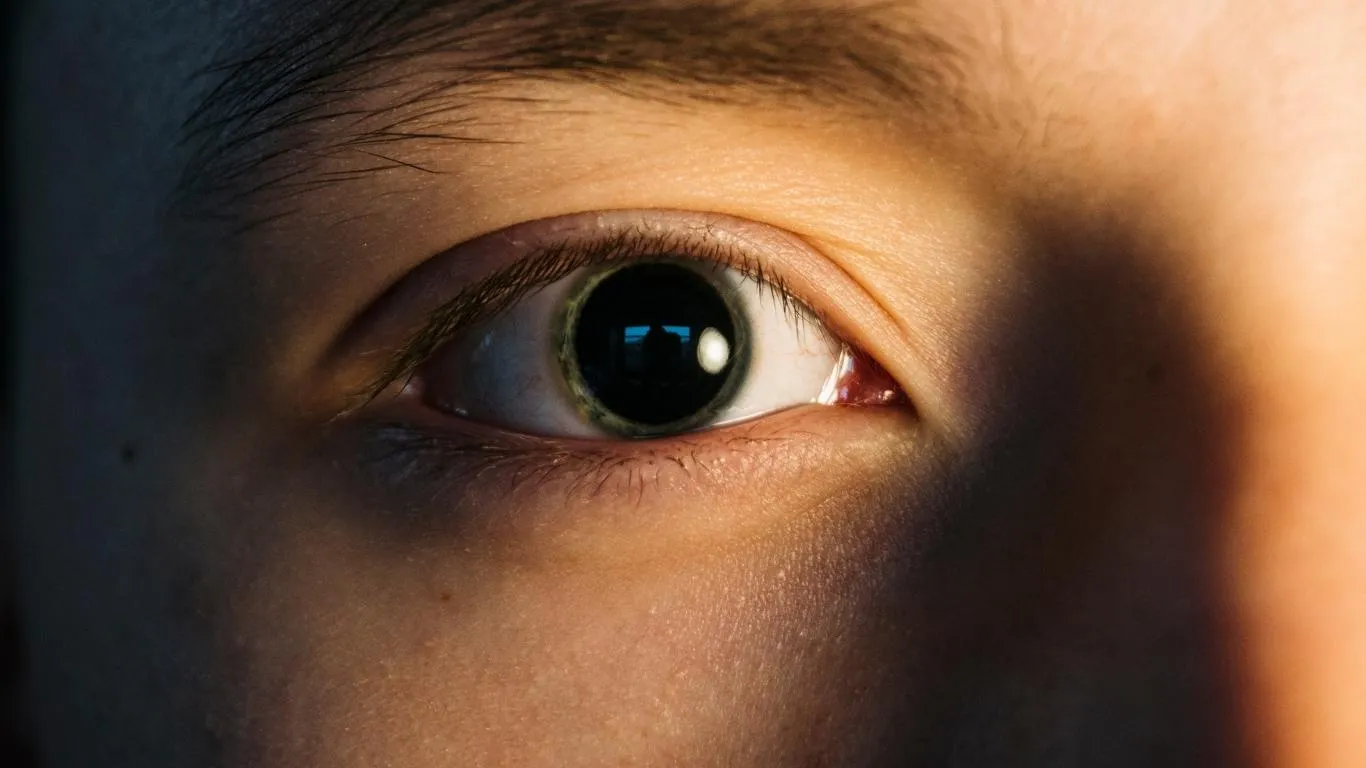
I won’t lie—there was a stretch where the floaters were all I could focus on. It felt like every quiet session became a distraction session. But here’s what shifted it for me: acceptance. Instead of pushing them away, I let them come.
Think of floaters like clouds during a walk. They’re there, you see them, but you don’t stare at them the whole time. You just keep walking.
If you want to meditate without being pulled into the swirl of visual static, try these tweaks:
- Guided meditations: Adding a soft voice or subtle music helps redirect focus.
- Eyes-closed visualization: Picture a calming scene with your inner eye—it replaces the floaters.
- Focus on breath, not visuals: Bring attention to your inhale-exhale rhythm.
Need backup? This guide on eye exercises shows how small daily habits can reduce visual tension and make floaters less intrusive overall.
Can You Prevent Floaters From Getting Worse Over Time?
Short answer? Not completely. But slowing down their progression and making them less of a nuisance? That’s absolutely within your control.
Hydration, Nutrition & Vision Support
Floaters tend to worsen with dehydration and oxidative stress. That means plenty of water and antioxidant-rich foods are your allies. Check out this piece on dietary changes that naturally support eye clarity.
Some of the best nutrients for eye health include:
- Lutein and zeaxanthin – found in spinach, kale, and eggs
- Omega-3s – fatty fish, chia seeds, flax oil
- Vitamin C & E – citrus fruits, almonds, sunflower seeds
If you suspect stress plays a part, it might help to also read about how stress amplifies floaters and what you can do about it.
When Should You Actually See a Doctor?
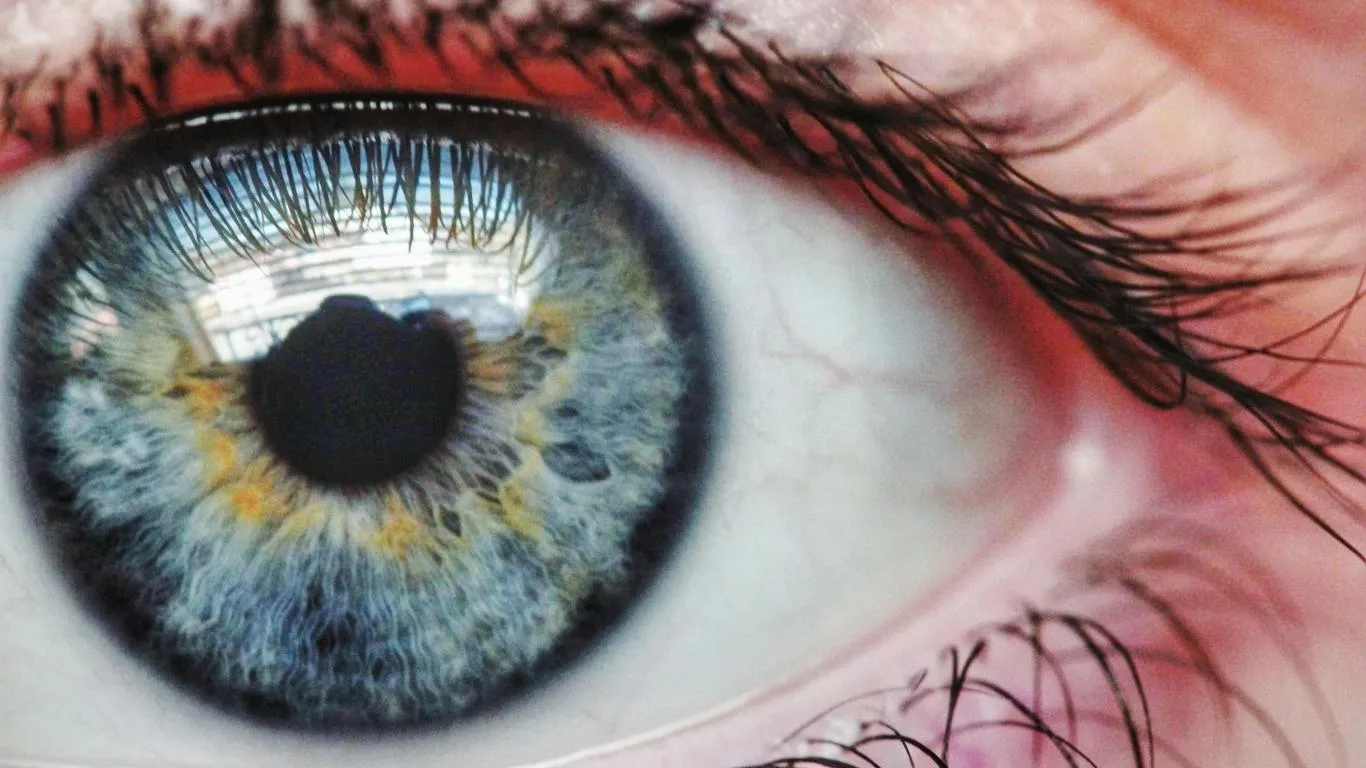
I’m not quick to run to the clinic, but in some situations, floaters are more than just annoying. If you notice a sudden burst of floaters, or if they’re accompanied by flashes of light or curtain-like shadows in your vision, it’s smart to get your eyes checked—fast. These signs may point to retinal bleeding or detachment.
Also, if you have underlying conditions like diabetes or autoimmune issues, floaters might indicate complications that need medical attention. In those cases, catching it early makes all the difference.
Do Floaters Ever Go Away Completely?
Some do. Some don’t. And some hang out for a while, then suddenly fade. What’s happening is your brain actually learns to ignore them through a process called neuroadaptation. It’s like how you stop noticing your nose in your visual field—your brain just tunes floaters out over time.
Of course, for chronic or worsening cases, procedures like laser vitreolysis or vitrectomy are on the table. But unless they’re severely impacting your vision, observation is usually the first approach. Learn more from this guide on treatment options and what’s worth considering.
Floaters and Vision Awareness: A Blessing in Disguise?
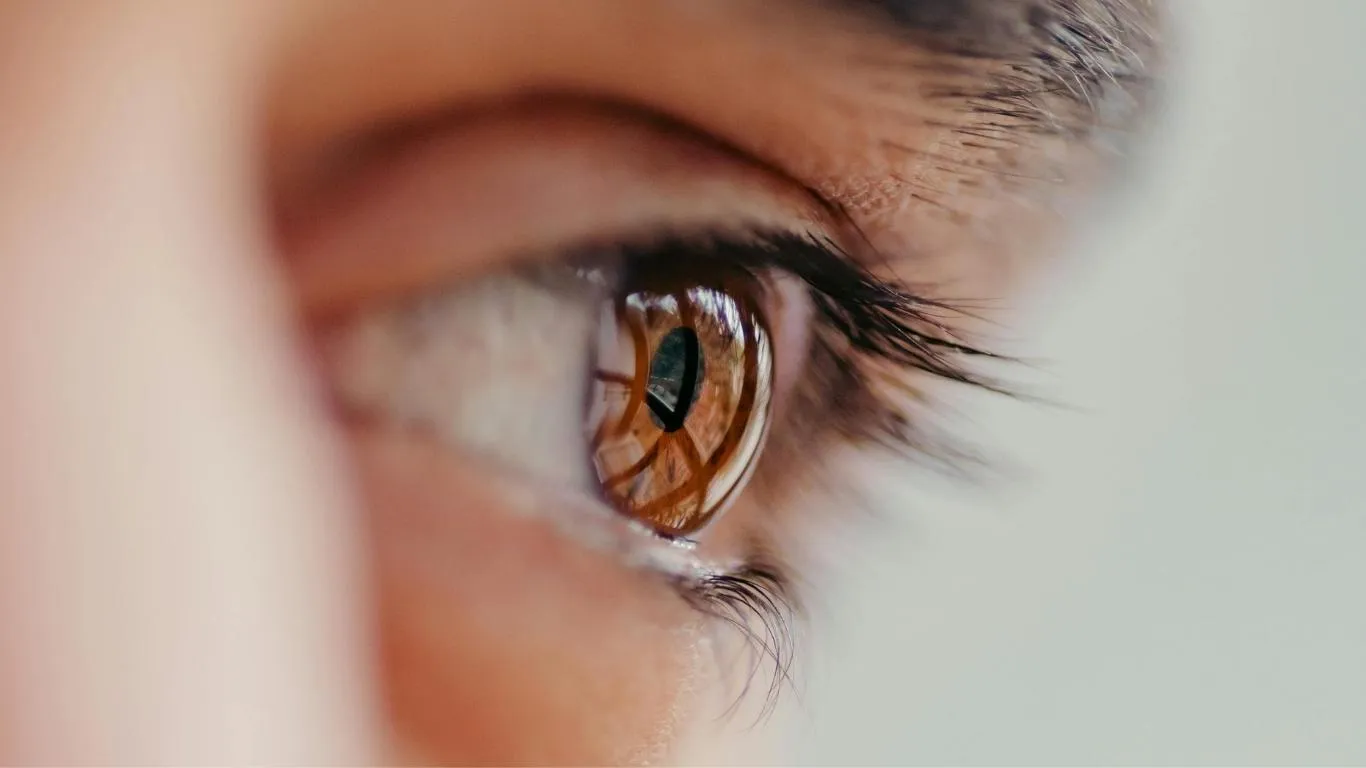
Here’s the surprising takeaway I never expected: floaters made me pay attention to my vision in ways I never did before. They made me curious, more attuned, and ultimately more grateful when my sight is clear and distraction-free. If meditation introduced you to these pesky little visuals, maybe it also opened the door to better eye health awareness.
And if you’re feeling unsure about what’s normal vs. not, this main resource on eye floaters: causes, symptoms, and treatment is a must-read. It dives deeper into when to act and when to just breathe through the blur.
Also, I strongly recommend checking the broader article on danger signs associated with floaters for peace of mind. Knowing what to watch for helps you meditate in peace, not panic.

Camellia Wulansari is a dedicated Medical Assistant at a local clinic and a passionate health writer at Healthusias.com. With years of hands-on experience in patient care and a deep interest in preventive medicine, she bridges the gap between clinical knowledge and accessible health information. Camellia specializes in writing about digestive health, chronic conditions like GERD and hypertension, respiratory issues, and autoimmune diseases, aiming to empower readers with practical, easy-to-understand insights. When she’s not assisting patients or writing, you’ll find her enjoying quiet mornings with coffee and a medical journal in hand—or jamming to her favorite metal band, Lamb of God.